
How Do I Stop My Chinese Money Plant Leaves from Drooping?
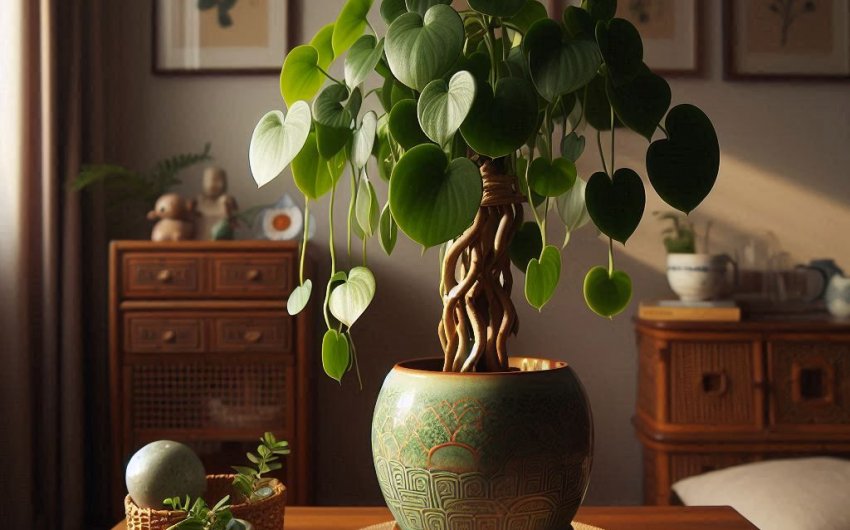
The Chinese Money Plant (Pilea peperomioides) is a beloved houseplant, cherished for its unique, coin-shaped leaves and relatively easy-going nature. However, seeing those distinctive round leaves start to sag can be a cause for concern. If you're wondering, "How do I stop my Chinese Money Plant leaves from drooping?", you're not alone. Drooping leaves are a common signal that your plant is experiencing some form of stress, often related to its watering schedule, light exposure, or even nutrient levels. Understanding these signals and making timely adjustments to your care routine can quickly help your Pilea regain its perky, upright posture.
Why are my Chinese Money Plant leaves drooping?
Drooping leaves are a plant's way of telling you something isn't quite right in its environment. For your Chinese Money Plant, this is usually a direct response to a few common stressors.
What causes drooping leaves?
Most often, drooping indicates a problem with water balance or light.
- Underwatering: The most frequent cause. When the plant doesn't get enough water, its cells lose turgor pressure (the internal water pressure that keeps plant cells firm), causing the leaves to go limp. The leaves might also feel soft and less rigid.
- Overwatering: While seemingly opposite, overwatering can also lead to drooping leaves, as it causes root rot. When roots rot, they can no longer absorb water efficiently, leading to the same lack of turgor pressure as underwatering. The leaves might appear yellow along with drooping, and the soil will stay soggy.
- Too much direct sunlight: Intense, direct sun can scorch the leaves and cause the plant to droop as it tries to protect itself from excessive light and heat.
- Too little light: While less common for drooping, extremely low light can weaken the plant, leading to overall poor health and less rigid leaves.
- Temperature stress: Sudden temperature drops or exposure to cold drafts can shock the plant and cause it to droop.
- Nutrient deficiency: A lack of essential nutrients can weaken the plant over time, making leaves appear less vibrant and potentially droopy.
- Repotting shock: After being moved to a new pot, plants can sometimes experience temporary droop as they adjust to their new environment.
Understanding the underlying cause is the first step to reviving your Pilea.
How does watering affect drooping leaves?
Watering is the most critical factor when addressing drooping leaves on your Chinese Money Plant. Both too little and too much water can lead to the same symptom, making it crucial to assess the soil properly.
How do I tell if it's underwatering?
Underwatering is typically easier to fix and often the first thing to check.
- Feel the soil: Stick your finger about 2 inches deep into the soil. If it feels completely dry and crumbly, your plant is likely thirsty.
- Weight of the pot: Lift the pot. A very light pot indicates dry soil.
- Leaf appearance: Drooping leaves will often look a bit shriveled, thin, or dull. The plant might look generally "tired."
What is the solution for underwatering?
If you confirm underwatering, a good, thorough soak is usually all it needs.
- Water thoroughly: Pour water slowly over the entire soil surface until it drains out of the bottom of the pot.
- Bottom watering: For very dry soil, place the pot in a larger container filled with about 2-3 inches of filtered or distilled water. Let the plant soak for 20-30 minutes, allowing it to wick up water from the bottom.
- Drain excess: Ensure all excess water drains out completely from the pot after watering. Do not let the pot sit in standing water.
Your plant should start to perk up within a few hours to a day.
How do I tell if it's overwatering?
Overwatering is more dangerous as it can lead to root rot.
- Feel the soil: The soil will feel consistently wet or soggy, possibly even squishy, several days after watering.
- Odor: A foul, rotten smell coming from the soil indicates root rot.
- Leaf appearance: Drooping leaves might also be yellowing, especially at the base, and might feel soft or mushy.
What is the solution for overwatering?
If you suspect overwatering, quick action is needed.
- Stop watering immediately: Do not water again until the top 2-3 inches of soil are dry.
- Improve drainage: If the pot doesn't have drainage holes, repot it into a pot that does.
- Check roots for rot: Gently unpot the plant and inspect the roots. Healthy roots are firm and white or tan. Rotten roots are mushy, brown, or black.
- Trim rotten roots: Using clean, sharp pruning shears, trim away any rotten roots.
- Repot (if needed): If root rot is extensive, repot into fresh, well-draining potting mix for houseplants.
- Adjust future watering: Allow the soil to dry out more between waterings. Use a soil moisture meter as a guide.
How does light exposure impact drooping?
Light is another crucial element for your Chinese Money Plant's health. Both too much and too little can contribute to drooping, though for different reasons.
What kind of light does a Chinese Money Plant need?
Bright, indirect light is the ideal scenario for Pileas. They thrive in consistent, soft light.
- Avoid direct sun: Direct sunlight, especially harsh afternoon sun, can scorch the delicate leaves, causing them to yellow, brown, and then droop as the plant gets stressed. Move your plant away from direct sun exposure.
- Insufficient light: While less likely to cause sudden drooping, very low light can lead to leggy growth, smaller leaves, and overall weak plants that are more prone to drooping from other stresses. If your plant is stretching towards a window or has very small leaves, it might need more light.
How do I find the perfect spot?
- North or East-facing window: These windows provide gentle, indirect light for most of the day.
- A few feet back from a South or West-facing window: If you only have brighter windows, position the plant a few feet away from the window or use a sheer curtain to diffuse the light.
- Rotate the plant: Periodically rotate your plant (every week or two) to ensure even growth and prevent it from leaning towards the light source.
If your plant's leaves are looking pale or bleached, it's getting too much light. If they are very dark green and spaced far apart on the stem, it needs more light.
What about temperature and humidity for Pilea?
While typically not the primary cause of drooping, sudden changes in temperature or consistently low humidity can stress your Chinese Money Plant and make it more susceptible to wilting.
What is the ideal temperature range?
Chinese Money Plants prefer stable, moderate indoor temperatures.
- Ideal range: Between 65°F and 75°F (18°C - 24°C).
- Avoid extremes: Keep your plant away from cold drafts (e.g., open windows in winter, exterior doors) and direct heat sources (e.g., heating vents, radiators). Sudden temperature fluctuations can shock the plant and cause temporary drooping.
Does humidity matter for Pilea?
Pileas are quite adaptable, but they do appreciate average to slightly higher indoor humidity.
- Low humidity: While low humidity isn't usually the direct cause of dramatic drooping, consistently dry air can lead to crispy leaf edges or tips over time. A stressed plant from low humidity might be more prone to drooping from other issues.
- Boosting humidity:
- Pebble tray: Place the pot on a pebble tray filled with water (ensure the pot isn't sitting in the water).
- Humidifier: For very dry homes, a room humidifier can benefit both your plant and you.
- Grouping plants: Clustering plants together can create a slightly more humid microclimate.
How does potting and feeding affect drooping?
The soil your Chinese Money Plant lives in and the nutrients it receives also play a role in its overall health and ability to stand tall.
What kind of soil is best for Pilea?
A well-draining potting mix is crucial to prevent both underwatering (by allowing even moisture distribution) and overwatering (by preventing soggy conditions).
- Components: A good mix typically includes:
- Standard potting mix: A high-quality indoor potting mix as the base.
- Perlite: Adds aeration and improves drainage. Add some perlite for plants.
- Optional: Orchid bark or pumice: Further enhance drainage.
- Drainage holes: Always use a pot with drainage holes. Without them, water collects at the bottom, leading to root rot.
When should you repot a drooping Pilea?
Repotting can sometimes cause temporary drooping due to transplant shock, but it can also be a solution if the plant is root-bound or in bad soil.
- Root-bound: If roots are circling the pot or growing out of drainage holes, the plant might not be getting enough water and nutrients. Repot into a pot one size larger.
- Compacted or old soil: Over time, soil can break down and become compacted, reducing aeration and drainage. Fresh soil provides better conditions.
Only repot if necessary, and try to disturb the roots as little as possible. After repotting, water gently and place the plant in a stable environment to recover.
How do you fertilize a Pilea?
While over-fertilizing can cause problems, a lack of nutrients can lead to a generally unhealthy plant that may droop more easily.
- Frequency: Fertilize every 2-4 weeks during the active growing season (spring and summer). Reduce or stop feeding in fall and winter when growth slows.
- Type: Use a balanced liquid houseplant fertilizer diluted to half strength.
- Avoid over-fertilizing: Too much fertilizer can burn the roots and lead to drooping or other damage. Always water the plant thoroughly before fertilizing to prevent root burn.
- Signs of nutrient deficiency: General pale appearance, slow growth, or yellowing lower leaves (though yellowing can also be from overwatering).
What are other common issues leading to drooping?
Beyond the main care factors, a few other things can cause your Chinese Money Plant leaves to droop.
Why do new leaves sometimes droop?
It's fairly common for new, emerging leaves to appear slightly droopy at first.
- Not fully unfurled: New leaves are soft and delicate. They often hang down until they fully unfurl and harden off.
- Adjustment: As they grow and mature, they will typically perk up and become more rigid.
- Don't worry too much: Unless accompanied by other symptoms like yellowing, browning, or a generally unhealthy plant, new leaf drooping is usually temporary and normal.
How does mechanical damage cause drooping?
Physical damage can cause localized drooping.
- Broken stems: If a stem is bent, cracked, or broken, the leaf connected to it will droop because water and nutrients can no longer reach it efficiently.
- Impact: If the plant is knocked over or a heavy object falls on it, leaves might be damaged and droop.
- Solution: Trim off any severely damaged or broken leaves with clean plant scissors. The plant will put energy into new growth.
Are pests a cause of drooping?
While less common for direct drooping, severe pest infestations can weaken your Pilea, making it more prone to drooping or overall decline.
- Common pests: Spider mites, mealybugs, and aphids are potential culprits.
- Signs: Look for tiny webs (spider mites), sticky residue (honeydew), small white cottony masses (mealybugs), or visible tiny insects on the leaves or stems.
- Solution:
- Isolate: Move the affected plant away from others.
- Wipe: Use a damp cloth to wipe leaves and stems.
- Insecticidal soap/Neem oil: Apply horticultural insecticidal soap or a diluted neem oil solution according to product instructions. Repeat applications may be necessary.
By carefully observing your Chinese Money Plant and systematically addressing potential issues, you can quickly diagnose and fix the cause of drooping leaves. Paying close attention to its watering needs, light exposure, and overall environmental conditions is key to ensuring your beloved Pilea remains vibrant and upright. When you're trying to figure out how to stop your Chinese Money Plant leaves from drooping, remember that it's often a direct signal for help, and simple adjustments can lead to a quick recovery.