
Why Are My Peace Lily Flowers Turning Brown Too Soon?
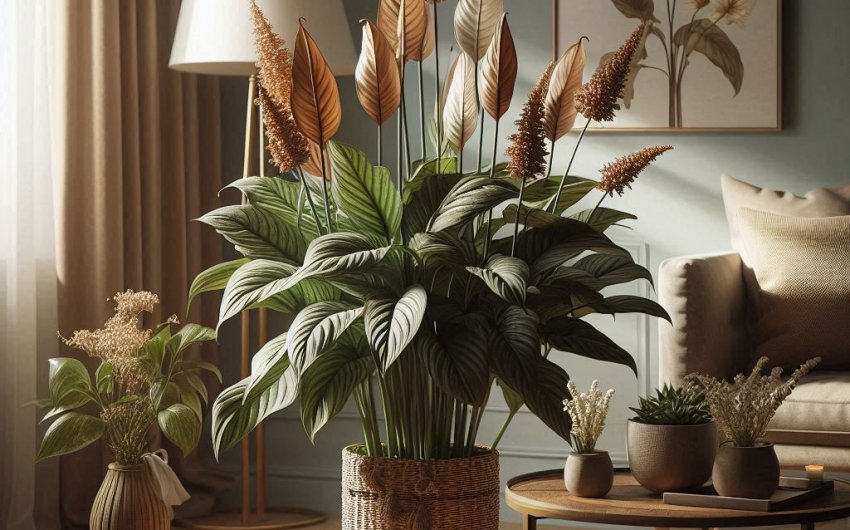
It's a common disappointment for Peace Lily owners to find their beautiful white flowers, or spathes, turning brown too soon. These elegant blooms are the signature feature of the plant, and when they begin to fade prematurely, it's a clear sign that something isn't quite right in your plant's environment or care routine. While some browning is natural as the flower ages, widespread or rapid discoloration often indicates underlying stress. Understanding the causes behind your Peace Lily flowers turning brown can help you adjust your care and enjoy longer-lasting blooms.
Why Are My Peace Lily Flowers Turning Brown Too Soon? The Top Causes
Most issues with Peace Lily flowers turning brown relate to environmental factors and cultural care practices.
1. Natural Aging (Normal Browning)
Before worrying, first, consider if the browning is simply a natural part of the flower's lifecycle.
- How it Happens: A Peace Lily flower (the white spathe) is actually a modified leaf that surrounds the true flowers (the small, bumpy spadix). These spathes are not designed to last forever. Over time, as the tiny flowers on the spadix are pollinated or simply age, the white spathe will naturally begin to turn a pale green, then yellow, and finally brown.
- Symptoms:
- Gradual Discoloration: The spathe slowly changes from crisp white to light green, then fades to yellow, and finally browns, often starting from the tip or edges.
- Spadix Changes: The central spadix may also turn brown or dry up.
- Healthy Leaves: The plant's leaves remain lush green and healthy, with new leaves and potentially new flowers emerging.
- Solution: Once a spathe has fully browned, you can prune it off.
- Pruning Technique: Follow the flower stalk down to the base of the plant (or where it emerges from the main stem) and cut it as close to the base as possible using sharp, clean Pruning Snips for Plants. This redirects the plant's energy to producing new foliage and flowers.
2. Watering Issues: The Most Common Problem
Both overwatering and underwatering can stress the plant and lead to premature flower browning.
Overwatering: Drowning Roots, Browning Flowers
This is the most common reason for a Peace Lily to struggle overall, including its flowers.
- How it Happens: Consistently wet soil suffocates roots, leading to root rot. Rotted roots can't absorb water or nutrients, starving the plant and causing widespread decline, including flower browning.
- Symptoms on Flowers: Flowers may brown or blacken quickly, often feeling soft or mushy.
- Symptoms on Leaves: Accompanying yellowing of leaves (often lower leaves), mushy stems, and potentially a foul odor from the soil.
- Solution:
- Stop Watering: Let the top 2-3 inches (5-7.5 cm) of soil dry out completely before watering again.
- Check Drainage: Ensure your pot has drainage holes and empty any excess water from the saucer.
- Inspect/Treat Root Rot: If severe, unpot, trim rotten roots, and repot in fresh, well-draining soil.
Underwatering: Thirsty Flowers
While less common to directly kill flowers, extreme or prolonged underwatering can cause them to fade.
- How it Happens: Insufficient water causes the plant to conserve moisture, and flowers, being less critical for survival than leaves, may be sacrificed first.
- Symptoms on Flowers: Flowers turn brown and crispy, often appearing shriveled.
- Symptoms on Leaves: Dramatic wilting of leaves, crispy brown tips/edges, and bone-dry soil.
- Solution:
- Water Thoroughly: Give the plant a deep soak until water drains from the bottom.
- Bottom Water (If Severe): For very dry, hydrophobic soil, soak the pot in a basin of water for 30 minutes.
- Adjust Routine: Establish a consistent watering routine, checking soil moisture regularly. Use a Moisture Meter for Plants.
3. Humidity Issues: Dry Air Stress
Peace Lilies are tropical plants that thrive in high humidity. Dry indoor air is a common stressor.
- How it Happens: In low humidity, flowers (and leaves) lose moisture rapidly through transpiration, leading to desiccation and browning.
- Symptoms: Flowers turn brown and crispy, often starting from the tips or edges. Leaf tips may also turn brown and crispy.
- Solution:
- Misting: Mist the foliage and flowers regularly with a Plant Mister.
- Pebble Tray: Place the pot on a tray filled with pebbles and a shallow layer of water.
- Humidifier: For consistent humidity, use a Room Humidifier near your plant.
- Group Plants: Placing plants together can create a localized humid microclimate.
4. Light Problems: Too Much or Too Little
Light quality and quantity are vital for flowering plants.
Too Much Direct Light (Sunburn)
- How it Happens: Direct, intense sunlight can scorch the delicate white spathes, causing them to turn brown.
- Symptoms: Flowers quickly turn brown or develop bleached/crispy spots, often on the side directly facing the sun. Leaves may also show signs of sunburn (pale yellow, crispy patches).
- Solution: Move your Peace Lily to a spot with bright, indirect light. Avoid direct sun, especially harsh afternoon sun. A few feet back from a south or west-facing window is often ideal.
Not Enough Light
- How it Happens: While tolerant of lower light, insufficient light can lead to overall plant weakness and a lack of energy to sustain healthy blooms.
- Symptoms: Flowers may develop slowly, be smaller, turn brown quickly, or the plant may not flower at all. Leaves may be pale green or leggy.
- Solution: Move to a brighter spot with indirect light. If natural light is limited, consider a Grow Light for Indoor Plants.
Less Common Reasons for Peace Lily Flowers Turning Brown
While less frequent, these factors can also contribute to your Peace Lily flowers turning brown too soon.
5. Nutrient Imbalances (Fertilizer Issues)
Both over-fertilization and nutrient deficiencies can stress the plant and affect blooms.
Over-Fertilization
- How it Happens: Too much fertilizer can "burn" the plant's roots, leading to overall decline and flower browning. Salts can build up in the soil.
- Symptoms: Crispy brown leaf tips/edges, stunted growth, white crust on the soil surface, and rapid browning of flowers.
- Solution: Flush the soil thoroughly with plain water to leach out excess salts. Reduce fertilizer frequency or concentration. Peace Lilies are not heavy feeders.
Nutrient Deficiency
- How it Happens: Over time, potting mix nutrients can be depleted. A lack of essential nutrients can weaken the plant and impact flower quality and longevity.
- Symptoms: Slow growth, pale foliage, and flowers that are weak or brown prematurely.
- Solution: Fertilize during the growing season (spring and summer) with a balanced Liquid Houseplant Fertilizer at a diluted strength (e.g., half strength), usually every 2-4 weeks.
6. Cold Drafts or Temperature Shock
Peace Lilies prefer stable, warm temperatures.
- How it Happens: Sudden drops in temperature, cold drafts from windows, or proximity to AC vents can shock the plant's delicate tissues, including flowers.
- Symptoms: Flowers and leaves may suddenly turn brown or even black, often on the side exposed to the cold.
- Solution: Move the plant away from drafts and maintain consistent room temperatures between 65-80°F (18-27°C).
7. Spent Potting Mix or Root-Bound
An exhausted potting mix or a pot filled with roots can hinder overall plant health.
- How it Happens: Old potting mix loses its nutrients and aeration. A root-bound plant has no space for roots to grow or absorb water/nutrients efficiently.
- Symptoms: Overall stunted growth, rapid drying out of soil, roots growing out of drainage holes, and flowers browning prematurely due to general stress.
- Solution: Repot your Peace Lily into a slightly larger pot with fresh, well-draining potting mix during the growing season (spring/summer). This revitalizes the plant.
8. Pests
While not a primary cause of flower browning, severe infestations can stress the plant enough to impact blooms.
- Common Pests: Spider mites, mealybugs, and aphids.
- How they Harm: These sap-sucking pests weaken the plant by drawing out its vital fluids.
- Symptoms: Sticky residue (honeydew), visible insects, fine webbing, or distorted/discolored leaves which can impact flower longevity.
- Solution:
- Inspect: Regularly check the undersides of leaves and flower stalks.
- Isolate: Move the infected plant away from other houseplants.
- Treat: Wipe away pests with a cotton swab dipped in rubbing alcohol. Spray with Horticultural Insecticidal Soap or diluted Neem Oil for Plants as per instructions.
Troubleshooting Your Peace Lily's Browning Flowers: A Step-by-Step Guide
When you see your Peace Lily flowers turning brown too soon, follow this systematic approach to diagnose and fix the problem.
- Check for Natural Aging First:
- Is it just one or two old flowers turning green/yellow/brown gradually, while new ones are forming? If so, simply prune them off.
- Assess Watering (The Most Common Issue):
- Feel the Soil: Stick your finger 2-3 inches deep.
- If wet/soggy: Overwatering is likely. Stop watering. Check drainage. Consider root rot treatment.
- If bone dry: Underwatering is likely. Water thoroughly.
- Adjust Routine: Establish a consistent watering rhythm where you allow the topsoil to dry out slightly before watering again.
- Feel the Soil: Stick your finger 2-3 inches deep.
- Examine Light Conditions:
- Is the plant in direct sun (causing scorch)? Move to bright, indirect light.
- Is it in too dark a spot (causing weakness)? Move to brighter, indirect light.
- Evaluate Humidity:
- Is the air around the plant very dry? (Common in winter).
- Increase humidity via misting, pebble tray, or humidifier.
- Review Fertilization:
- Have you over-fertilized recently? Flush the soil.
- Have you not fertilized in a long time during the growing season? Consider a dilute feed.
- Check for Pests:
- Inspect leaves and flowers closely for any signs of insects or sticky residue.
- If pests are found, isolate and treat.
- Consider Temperature & Other Stressors:
- Is the plant exposed to cold drafts? Move it.
- Is it root-bound or in old potting mix? Consider repotting.
By systematically going through these steps and making the necessary adjustments, you can successfully address why your Peace Lily flowers are turning brown too soon and help your plant produce beautiful, long-lasting white blooms. Patience and observation are your best tools in bringing your elegant Peace Lily back to its vibrant best.