
How Do I Keep Mold from Growing on My Indoor Succulent Soil?
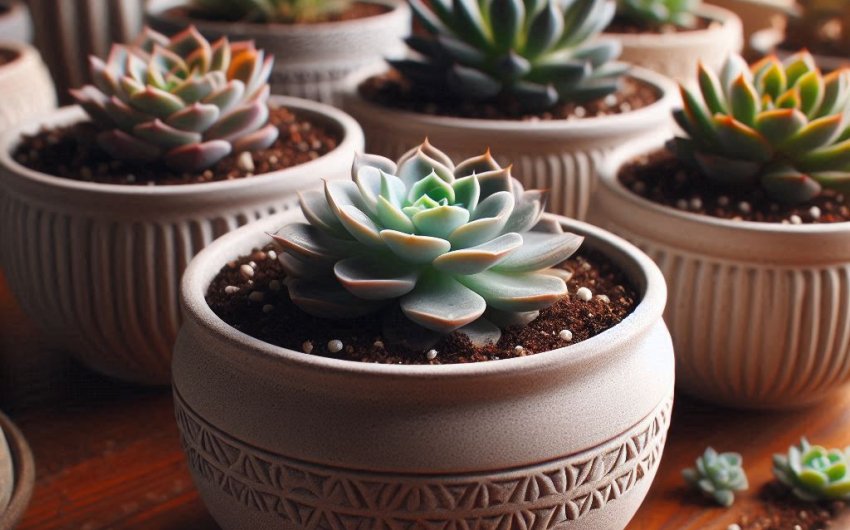
Figuring out how to keep mold from growing on indoor succulent soil is a common concern for many plant enthusiasts. That fuzzy white or greenish growth on the soil surface can be alarming, but it's usually a sign of environmental conditions that are too moist for your desert-loving plants. While often harmless to the succulent itself, it indicates an imbalance in care that could eventually lead to more serious issues like root rot. By understanding the causes of mold growth and implementing specific strategies related to watering, soil, light, and air circulation, you can create an environment where your succulents thrive and unsightly mold stays away. This comprehensive guide will walk you through the essential steps to maintain a pristine and healthy soil surface for your beloved succulents.
Why does mold grow on succulent soil?
Mold is a type of fungus that thrives in specific conditions. When you see it on your succulent soil, it's a clear indicator that the environment around the plant is providing exactly what these microscopic organisms need to multiply.
What are the ideal conditions for mold growth?
Mold spores are naturally present in the air and in most potting mixes. They simply need the right triggers to become visible.
- Excessive moisture: This is the primary culprit. Succulent soil that stays wet for too long provides the constant dampness mold needs to grow. This can be due to overwatering, poor drainage, or high humidity.
- Lack of airflow: Stagnant air allows moisture to linger on the soil surface, creating a humid microclimate that mold loves.
- Poor drainage: If water can't escape the pot quickly, the soil remains waterlogged, a perfect breeding ground for mold.
- Organic matter in soil: Mold feeds on decaying organic material. While some organic matter is necessary for nutrient retention, too much in a succulent mix can fuel mold growth, especially if perpetually damp.
- Low light levels: Darker, less airy conditions beneath dense foliage can also contribute to persistent moisture and mold.
Is mold on succulent soil harmful?
While visually unappealing, the white or greenish mold (often a type of saprophytic fungus) growing on the soil surface is usually not directly harmful to the succulent itself in the short term.
- Not a direct pathogen: This type of mold typically feeds on decaying organic matter in the soil, not on the living plant roots.
- Warning sign: The presence of mold is a significant warning sign that your soil is staying too wet for too long. If left unaddressed, this prolonged moisture can lead to a much more dangerous problem: root rot. Root rot is caused by harmful bacteria or fungi that thrive in anaerobic (oxygen-deprived) conditions created by soggy soil, and it will kill your succulent.
- Aesthetics: Most importantly, it looks unsightly and can be a sign of a less-than-ideal environment for your drought-loving plant.
How does proper watering prevent mold?
Overwatering is the number one cause of mold on succulent soil and, more critically, root rot. Mastering the art of watering is paramount to keeping your succulents healthy and mold-free.
What is the "soak and dry" method?
This is the golden rule for watering succulents.
- Water thoroughly: When you do water, provide enough water so that it drains out of the bottom of the pot. This ensures the entire root ball gets hydrated.
- Allow to dry completely: The most crucial step. Do not water again until the soil is completely dry all the way through the pot. This period of dryness is essential for succulent health and prevents mold.
- Check by weight: Lift the pot after watering and note its weight. Lift it again before watering; a significantly lighter pot indicates dry soil.
- Finger test: Stick your finger 1-2 inches deep into the soil. If it feels moist, wait. For larger pots, a wooden chopstick inserted to the bottom of the pot and then pulled out can show moisture levels.
- Moisture meter: A plant moisture meter can also be helpful for beginners. Ensure it reads "dry" or close to it before watering.
How do watering frequency and timing impact mold?
- Frequency: There's no fixed schedule. The frequency depends on factors like succulent type, pot size, soil mix, light, temperature, and humidity. It could be anywhere from once a week in hot, bright conditions to once a month or even less in cooler, darker environments.
- Timing:
- Water in the morning: This allows any excess water on leaves or the soil surface to evaporate during the day, reducing dampness overnight.
- Avoid watering at night: Cool night temperatures combined with wet soil create ideal conditions for mold and root rot.
- Reduce watering in winter: Succulents typically go dormant or slow growth in winter. Reduce watering significantly during these months, or even stop completely for some varieties, to prevent mold and rot.
How does proper soil and drainage prevent mold?
The right potting mix and adequate drainage are just as important as watering technique in preventing mold growth and ensuring succulent health.
What is the ideal succulent soil mix?
Standard potting soil holds too much moisture for succulents. A fast-draining, gritty mix is essential.
- Key characteristics:
- Fast-draining: Water should flow through quickly.
- Gritty/Porous: Allows for excellent aeration around the roots.
- Ingredients: A good succulent mix typically contains:
- Potting soil: A small amount of well-draining succulent potting soil as a base.
- Perlite or Pumice: These lightweight, porous amendments greatly improve drainage and aeration. Horticultural perlite or pumice for plants are excellent choices.
- Coarse sand/Grit: Not fine play sand, but coarse horticultural sand or granite grit further enhances drainage.
- DIY mix ratio: A common starting point is:
- 1 part potting soil
- 1 part perlite or pumice
- 1 part coarse sand or grit
- Adjust as needed; some succulents prefer even grittier mixes.
Why are drainage holes essential?
- Non-negotiable: Every succulent pot must have at least one drainage hole. Without them, water collects at the bottom of the pot, creating anaerobic conditions that lead to root rot and mold.
- No drainage layer (e.g., rocks): Putting a layer of rocks or pebbles at the bottom of a pot without drainage holes does not improve drainage; it actually raises the perched water table, making root rot more likely. The best way to ensure drainage is to use a pot with holes and the correct soil mix.
What kind of pots are best?
- Terracotta/Unglazed Ceramic: These are excellent choices because they are porous and allow water to evaporate through their sides, which helps the soil dry out faster. Consider terracotta pots with drainage.
- Plastic/Glazed Ceramic: Can work, but they retain moisture longer, so you'll need to be even more careful with your watering frequency. If using these, ensure generous drainage holes.
How do light and air circulation prevent mold?
Beyond watering and soil, environmental factors like light and airflow play a significant role in preventing mold on your indoor succulent soil.
Why is sufficient light important?
- Dries soil: Bright light, especially sunlight, helps to dry out the soil surface and evaporate moisture more quickly, discouraging mold growth.
- Healthy plants: Succulents need ample light to thrive. Weak, leggy succulents in low light are more susceptible to problems, including root rot.
- Ideal light: Place your succulents in the brightest spot indoors, ideally near a south-facing window (in the Northern Hemisphere) or under a grow light if natural light is insufficient.
How does air circulation help?
- Evaporates moisture: Good airflow around the pot and over the soil surface helps to evaporate excess moisture that can lead to mold.
- Reduces humidity: Stagnant, humid air is a mold haven.
- Tips for improving airflow:
- Space plants out: Don't overcrowd your succulents; leave space between pots.
- Open windows: On nice days, open windows to allow fresh air to circulate.
- Small fan: If you have many plants in a humid environment, a small oscillating fan set on a low setting can dramatically improve air circulation around your plants.
What about humidity?
- Succulents prefer dry air: High ambient humidity can slow down soil drying, even if you're watering correctly.
- Avoid misting: Never mist succulents. They absorb water through their roots, not their leaves, and misting can lead to rot and mold on the plant itself.
- Location: Keep succulents away from naturally humid areas like bathrooms or kitchens unless they have exceptionally good ventilation.
How do you address existing mold on succulent soil?
If you discover mold already growing on your succulent soil, don't panic! It's usually easy to remedy and serves as a good learning experience for adjusting your care routine.
What is the immediate action?
- Stop watering: Do not water the plant until the soil is completely dry.
- Increase air circulation: Move the plant to a location with better airflow or use a small fan.
- Increase light: Ensure the plant is receiving adequate bright, indirect light.
- Scrape off visible mold: Carefully use a spoon or small trowel to gently scrape off the top layer of soil where the mold is visible. Dispose of this soil outside or in the trash (not your compost if you're concerned about spreading spores).
- Let the soil dry: Allow the remaining soil to dry out thoroughly.
Should you repot the succulent?
If the mold is persistent, or if you suspect the soil mix is the primary problem (e.g., too much peat, not enough grit), repotting is the best solution.
- Gently remove the plant: Carefully take the succulent out of its current pot.
- Inspect roots: Check the roots for any signs of root rot (mushy, black, or smelly roots). If you find any, prune them off with clean, sharp scissors. Allow the trimmed roots to callus (dry and form a scab) for a day or two before repotting.
- Discard old soil: Throw away all the old soil, as it likely contains mold spores and may be holding too much moisture.
- Clean the pot: Wash the pot thoroughly with soap and water, and optionally, a diluted bleach solution (1 part bleach to 9 parts water) to sterilize it, especially if it's not porous like terracotta. Rinse well.
- Repot with fresh, fast-draining soil: Use a proper succulent potting mix and a pot with drainage holes.
- Do not water immediately: Wait at least a few days, preferably a week, after repotting before watering. This allows any damaged roots to heal and reduces the risk of root rot.
What are some natural remedies for prevention?
While good practices are the primary prevention, some natural methods can offer minor assistance.
- Cinnamon powder: A light dusting of cinnamon powder on the soil surface is believed to have some antifungal properties. It can be applied after scraping off existing mold or as a preventative measure.
- Neem oil: A very diluted solution of neem oil can be used as a soil drench if you suspect a more serious fungal issue (like damping off), but it's generally not needed for surface mold if cultural conditions are corrected. Use sparingly and follow dilution instructions.
- Hydrogen peroxide (diluted): A very weak solution of 3% hydrogen peroxide (1 part peroxide to 4 parts water) can be sprayed on the soil surface to kill mold spores. Use with caution, as it can kill beneficial soil microbes too. Only use on the soil surface, not on the succulent itself.
How do you maintain a mold-free environment long-term?
Consistent application of the correct care principles is the most effective strategy for ensuring your indoor succulent soil remains mold-free and your plants thrive.
What is the cycle of healthy succulent care?
Follow these steps for ongoing success:
- Choose the right pot: Always use a pot with drainage holes.
- Use the correct soil: A gritty, fast-draining succulent soil mix is non-negotiable.
- Provide ample light: Place succulents in a bright location or use a grow light.
- Water correctly: Follow the "soak and dry" method strictly. Err on the side of underwatering rather than overwatering.
- Ensure good airflow: Space out plants, and provide ventilation.
- Monitor your plants: Regularly check your succulents and their soil for any signs of mold, pests, or distress. Early detection makes problems easier to fix.
- Adjust seasonally: Remember to reduce watering significantly during winter or dormant periods.
What if you live in a humid climate?
If you live in a naturally humid environment, keeping indoor succulent soil dry can be more challenging.
- Extremely gritty soil: Opt for a succulent soil mix that is even grittier, with a higher percentage of pumice, perlite, or grit, and less organic matter.
- Terracotta pots: Stick to porous terracotta pots that help wick away moisture.
- Increased airflow: A small fan is even more critical in humid environments.
- Reduced watering frequency: You will naturally need to water less often than someone in a dry climate. The "completely dry" rule is even more important.
- Consider a dehumidifier: For very high indoor humidity, a room dehumidifier can benefit your succulents and other humidity-sensitive plants.
A quick reference guide for mold prevention:
| Factor | Mold-Friendly Condition | Mold-Free Condition |
|---|---|---|
| Watering | Frequent, shallow watering, soggy soil | Soak and dry, infrequent watering, dry soil between waterings |
| Soil | Heavy, moisture-retentive potting mix | Gritty, fast-draining succulent mix |
| Pot | No drainage holes, glazed ceramic/plastic | Drainage holes, terracotta/porous pots |
| Light | Low light, dim corners | Bright, indirect or direct sunlight |
| Airflow | Stagnant, humid air | Good air circulation, spaced plants |
| Maintenance | Neglecting dead leaves, infrequent checks | Prompt removal of dead leaves, regular inspection |
By consistently applying these principles, you'll successfully learn how to keep mold from growing on your indoor succulent soil, ensuring your plants remain healthy, vibrant, and a source of joy without any unwelcome fuzzy visitors.