
Why Is My African Violet Losing Flowers After Repotting?
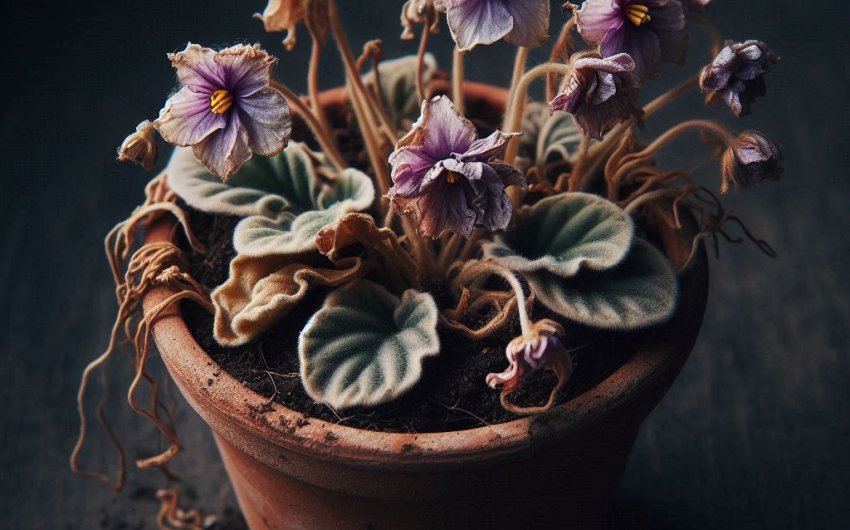
It can be disheartening to witness your vibrant African violet suddenly shedding its blossoms. When you observe your African violet losing flowers after repotting, it's a common sign of stress. The plant is reacting to changes in its environment and is prioritizing survival over blooming, redirecting its energy to root recovery rather than maintaining its delicate petals.
Why Do African Violets Get Stressed After Repotting?
Repotting is a significant event for any plant, and for a sensitive plant like an African violet, it can be quite a shock. This stress is the primary reason African violet losing flowers after repotting occurs. The plant needs time to adjust to its new container and growing medium.
Root Disturbance and Shock
When you remove an African violet from its original pot, its delicate root system is inevitably disturbed. Even with the utmost care, some fine root hairs can break or be damaged. This disturbance sends the plant into a state of shock, causing it to temporarily shut down non-essential functions like flowering.
Change in Environment
Every time you repot, you introduce a new environment for the roots. This includes changes in the soil composition, the amount of air pockets, and the level of moisture retention. The plant must expend energy to adapt to these new conditions, which draws resources away from flower production.
Is the Pot Size Important for an African Violet After Repotting?
Yes, the size of the pot is extremely important for an African violet. Using the wrong size pot is a frequent cause of an African violet losing flowers after repotting. African violets prefer to be slightly root-bound, meaning their roots fill the pot but aren't excessively cramped.
Too Large Pot
A pot that is too large for your African violet holds excess moisture, which can lead to root rot. When the roots are constantly wet, they can't breathe, and they begin to decay. This severe stress forces the plant to abandon its flowers in an attempt to survive. An oversized pot also encourages the plant to put all its energy into growing more roots rather than producing blooms. African violets generally do best in pots that are one-third the diameter of their leaf span. For example, if your violet has a leaf span of 9 inches, a 3-inch pot is ideal. You can find a range of African violet pots online.
Too Small Pot
While less common immediately after repotting (unless you mistakenly downsized), a pot that is too small can also cause problems. A cramped root system struggles to absorb enough nutrients and water, leading to a decline in overall plant health and flower loss. The plant becomes stressed because it cannot grow properly, and thus, cannot support blooming.
How Does Soil Type Affect African Violet Blooming After Repotting?
The type of potting mix you use is crucial for the health and blooming of your African violet. Incorrect soil can quickly lead to an African violet losing flowers after repotting due to poor drainage or nutrient issues.
Poor Drainage
African violets require a very light and airy potting mix that drains quickly. Standard potting soil is often too heavy and retains too much water, suffocating the roots. When roots can't get enough oxygen, they become stressed and begin to rot, leading to wilting leaves and flower drop. A good mix allows excess water to drain out rapidly, preventing waterlogging.
Nutrient Imbalance
The potting mix also supplies essential nutrients. An old or improper mix might lack the necessary elements for flowering, or it might have an imbalance. For example, too much nitrogen can promote leafy growth at the expense of blooms. Using a specialized African violet potting mix ensures the right balance of nutrients and proper drainage.
pH Level
African violets prefer a slightly acidic to neutral pH level, typically between 6.0 and 7.0. If the new potting mix has a pH that is too high or too low, the plant struggles to absorb nutrients, even if they are present in the soil. This nutrient lockout can significantly impact blooming and lead to an African violet losing flowers after repotting.
Does Watering Technique Contribute to Flower Loss After Repotting?
Absolutely, how you water your African violet after repotting can either help it recover or exacerbate its stress. Improper watering is a very common cause for an African violet losing flowers after repotting.
Overwatering
This is the most common mistake. After repotting, the disturbed roots are more vulnerable to root rot if kept consistently wet. Overwatering leads to oxygen deprivation in the roots, causing them to decay. The plant's immediate response to root damage is to drop its flowers and even leaves to conserve energy. Always let the top inch of soil dry out before watering again. Using a self-watering African violet pot can help regulate moisture.
Underwatering
While less common than overwatering immediately after repotting, allowing the new soil to become completely dry for extended periods can also stress the plant. The roots need consistent, but not excessive, moisture to establish themselves in the new medium. Extreme dryness can cause wilting and flower drop as the plant dehydrates.
Water Temperature
African violets are sensitive to cold water. Using cold water directly from the tap can shock the roots, particularly after the stress of repotting. Always use lukewarm water when watering your African violet to prevent thermal shock, which can contribute to an African violet losing flowers after repotting.
How Does Light Affect African Violets After Repotting?
Light is critical for African violets, and any sudden change, especially after repotting, can impact their blooming. Inadequate or excessive light is a contributing factor to an African violet losing flowers after repotting.
Insufficient Light
African violets need bright, indirect light to bloom. If they are moved to a location with too little light after repotting, they won't have enough energy to produce or maintain flowers. They might continue to grow leaves, but flowering will cease or be significantly reduced. A north or east-facing window is often ideal.
Too Much Light (Direct Sun)
Direct sunlight, especially intense afternoon sun, can scorch African violet leaves and flowers. After repotting, the plant is even more vulnerable. While bright light is needed, direct sun causes damage and stress, leading to flower fade and drop. If you don't have natural indirect light, consider using grow lights for African violets.
Is Humidity Important for African Violets After Repotting?
Yes, humidity plays a significant role in the well-being of African violets, and a lack of it can be a factor when your African violet is losing flowers after repotting. These plants are native to tropical regions where humidity levels are naturally high.
Low Humidity Stress
African violets thrive in high humidity, ideally between 40% and 60%. If the air around your repotted plant is too dry, the delicate flowers and buds can shrivel and drop prematurely. Low humidity causes the plant to lose moisture through its leaves faster than its roots can absorb it, putting it under stress.
How to Increase Humidity
To combat low humidity, especially during dry winter months or in arid climates, you can:
- Place the pot on a pebble tray filled with water, ensuring the pot doesn't sit directly in the water.
- Use a room humidifier near your plants.
- Group African violets together, as their transpiration can create a localized humid microclimate.
Can Temperature Fluctuations Cause Flower Loss After Repotting?
African violets are quite sensitive to temperature changes, and sudden shifts can certainly contribute to an African violet losing flowers after repotting. They prefer stable, warm conditions.
Cold Drafts
Exposure to cold drafts from open windows, air conditioning vents, or even cold outdoor air can shock an African violet. This stress can cause buds to blast (turn brown and fall off) and open flowers to drop quickly. Their ideal temperature range is between 65°F and 75°F (18°C-24°C).
Extreme Heat
While less common indoors, prolonged exposure to temperatures above their ideal range can also stress the plant, leading to wilting and flower loss. High temperatures can cause the plant to lose too much moisture through transpiration, exceeding the roots' ability to keep up.
What About Fertilizing an African Violet After Repotting?
Fertilizing immediately after repotting requires caution. Incorrect application can be detrimental and result in your African violet losing flowers after repotting.
Too Soon or Too Much Fertilizer
The roots are already sensitive from the repotting process. Applying fertilizer too soon or using too high a concentration can burn the delicate roots, causing severe stress and preventing the plant from recovering and blooming. It's best to wait a few weeks after repotting before resuming fertilization.
Type of Fertilizer
Once the plant has settled, use a balanced African violet fertilizer specifically formulated for these plants. These usually have a higher phosphorus content to encourage blooming (the middle number in the NPK ratio). Follow the dilution instructions carefully, often recommending a quarter-strength solution at every watering.
How Do Pests or Diseases Impact African Violets After Repotting?
While repotting itself doesn't cause pests or diseases, the stress from repotting can make your African violet more vulnerable. If your African violet is losing flowers after repotting and you've ruled out other issues, check for these problems.
Common Pests
- Spider Mites: Tiny arachnids that suck sap, causing speckled leaves and web formation. They thrive in dry conditions.
- Mealybugs: Small, cottony insects that cluster in leaf axils and on stems, sucking plant sap.
- Thrips: Tiny, slender insects that feed on flowers and buds, causing distortion and browning. If you spot pests, isolate the plant and treat with an appropriate insecticidal soap for houseplants.
Fungal Diseases
- Powdery Mildew: White, powdery patches on leaves and stems, often in areas with poor air circulation.
- Botrytis (Gray Mold): A fuzzy gray mold that attacks stressed or damaged parts of the plant, especially in cool, damp conditions. Proper air circulation and avoiding overwatering are key to prevention.
What is the Correct Repotting Procedure to Prevent Flower Loss?
Following the correct repotting steps can significantly reduce the stress on your African violet and minimize the chances of an African violet losing flowers after repotting.
When to Repot
African violets typically need repotting every 6-12 months when the neck becomes elongated or roots start to show through drainage holes. It's best to repot when the plant is not in full bloom, if possible, to lessen stress.
Gather Your Materials
- A pot that is one size larger (or the same size if the root ball is trimmed) than the current one, with drainage holes. A self-watering violet pot is an excellent choice.
- Fresh, specialized African violet potting mix.
- Sterile cutting tools (e.g., razor blade, small knife).
- Gloves (optional).
Step-by-Step Repotting
- Prepare the Pot: Ensure the new pot is clean. Add a thin layer of fresh potting mix to the bottom.
- Remove the Plant: Gently remove the African violet from its old pot. If it's stuck, gently squeeze the pot sides or run a knife around the rim.
- Inspect and Trim Roots: Carefully loosen any circling roots. If the root ball is very dense, you can gently tease apart the bottom. Trim off any rotten (mushy, dark) or excessively long roots. This is also the time to gently scrape off any buildup on the plant's "neck" (the stem between the roots and leaves) to encourage new root growth higher up.
- Position the Plant: Place the plant in the new pot so that the lowest set of leaves is just above the soil line.
- Add New Soil: Fill around the root ball with fresh potting mix, gently tapping the pot to settle the soil. Avoid pressing down too firmly, as this compacts the soil and reduces aeration. Leave about half an inch of space from the rim for watering.
- Water Gently: Water thoroughly with lukewarm water until it drains from the bottom. This helps settle the new soil around the roots.
- Post-Repotting Care: Place the repotted plant in its usual spot with bright, indirect light. Avoid direct sun. Do not fertilize for at least 2-4 weeks. Monitor humidity and temperature.
How Long Does it Take for an African Violet to Recover and Bloom Again After Repotting?
The recovery period varies, but patience is key when your African violet is losing flowers after repotting.
Recovery Timeline
- Initial Shock: Expect flower loss to occur within a few days to a week after repotting.
- Leaf Recovery: The plant will likely focus on establishing its roots and growing new leaves for 2-4 weeks.
- New Blooms: Depending on the extent of root disturbance and the ideal growing conditions, your African violet may resume blooming anywhere from 4 weeks to 3 months after repotting. Larger plants or those that experienced significant root trimming might take longer. During this time, maintain consistent care and avoid further changes that could stress the plant.
Understanding why your African violet is losing flowers after repotting empowers you to provide the optimal care needed for its recovery and return to vibrant blooming.