
Best Organic Fertilizers for Home Gardeners
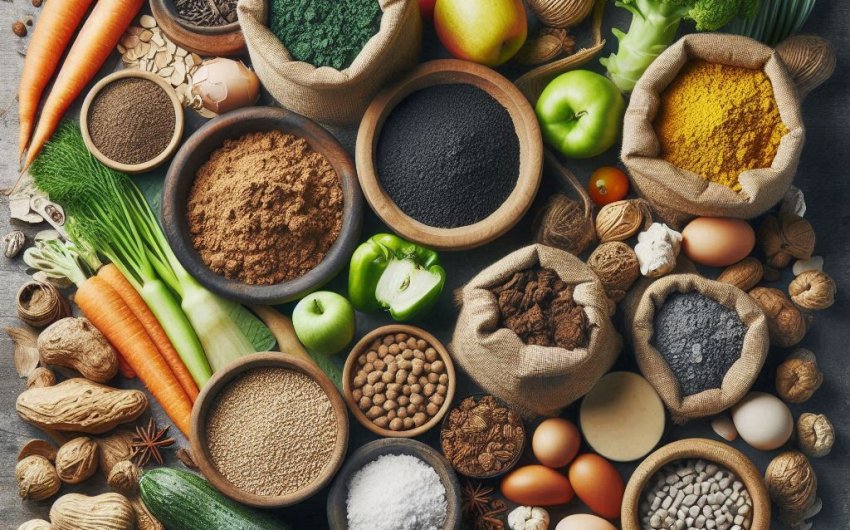
For home gardeners seeking healthy, thriving plants, the best organic fertilizers nourish both the soil and the plants by providing slow-release nutrients, improving soil structure, and supporting beneficial microbial life. These natural alternatives enhance long-term garden productivity without relying on synthetic chemicals.
What Makes a Fertilizer "Organic"?
Understanding what makes a fertilizer "organic" is the foundation for choosing the best organic fertilizers for home gardeners. It goes beyond simply avoiding synthetic chemicals; it's about a holistic approach to feeding the soil, not just the plant.
Core Principles of Organic Fertilizers:
- Natural Origin: Organic fertilizers are derived from naturally occurring materials, whether plant-based, animal-based, or mineral-based, that have undergone minimal processing. They are not chemically synthesized.
- Feeds the Soil Life: Unlike synthetic fertilizers, which are immediately available chemical salts, organic fertilizers must be broken down by the beneficial microorganisms (bacteria, fungi, worms) living in the soil. This process slowly releases nutrients in a form that plants can naturally absorb.
- Slow-Release Nutrients: Because they rely on microbial decomposition, organic fertilizers release their nutrients gradually over time. This provides a steady food supply for plants, reduces the risk of "burning" plants (over-fertilization), and prevents nutrient runoff into waterways.
- Improves Soil Structure: As organic fertilizers break down, they contribute to the organic matter content of the soil. This improves soil structure, enhancing drainage in clay soils, increasing water retention in sandy soils, and improving aeration for roots.
- Supports Soil Food Web: By providing food for microorganisms, organic fertilizers foster a thriving soil food web, which is essential for nutrient cycling, disease suppression, and overall plant health.
- Environmentally Friendly: They reduce the environmental impact associated with the manufacturing and runoff of synthetic fertilizers, which can pollute groundwater and surface waters.
Key Differences from Synthetic (Chemical) Fertilizers:
| Feature | Organic Fertilizers | Synthetic Fertilizers |
|---|---|---|
| Origin | Plant-based, animal-based, naturally occurring minerals | Chemically manufactured from inorganic raw materials |
| Nutrient Release | Slow, gradual, relies on microbial activity | Fast, immediate, readily available chemical salts |
| Impact on Soil | Improves soil structure, feeds soil microbes, adds organic matter | Can kill soil microbes, does not improve soil structure over time |
| "Burn" Risk | Low (when used as directed) | High (due to concentrated salts) |
| Environmental | Eco-friendly, reduces runoff and pollution | Higher risk of nutrient runoff, water pollution, higher energy to produce |
| Nutrient Form | Complex, diverse, broken down by soil life | Simple, salt-based, directly absorbed by plants |
For home gardeners, choosing organic fertilizers means investing in the long-term health and vitality of your soil and plants, creating a more sustainable and productive garden.
Why Choose Organic Fertilizers for Your Home Garden?
For home gardeners, the decision to use organic fertilizers is a choice for healthier plants, a more vibrant ecosystem, and a more sustainable approach to cultivation. The benefits extend far beyond just feeding your plants.
1. Nurtures Soil Health:
- Feeds the Soil, Not Just the Plant: This is the core difference. Organic fertilizers are not just plant food; they are food for the entire soil food web – the vast community of microorganisms, fungi, and invertebrates (like earthworms) that live in healthy soil.
- Improved Soil Structure: As organic matter decomposes, it binds soil particles together, improving soil structure. This leads to:
- Better Drainage: Prevents waterlogging in heavy clay soils.
- Increased Water Retention: Allows sandy soils to hold more moisture, reducing watering frequency.
- Enhanced Aeration: Provides vital oxygen to plant roots.
- Increased Soil Fertility: Over time, consistent use of organic fertilizers builds a rich, living soil that naturally cycles nutrients and resists compaction.
2. Provides Slow-Release Nutrients:
- Steady Diet for Plants: Organic nutrients are released gradually as microorganisms break down the organic matter. This provides a steady, consistent food supply for plants, mimicking nature's nutrient cycling.
- Prevents "Fertilizer Burn": Because the nutrients are released slowly, there's a much lower risk of over-fertilizing and "burning" your plants, which can happen easily with concentrated synthetic fertilizers.
- Reduced Leaching: Slow-release means less nutrient runoff into waterways, preventing pollution of lakes, rivers, and groundwater.
3. Enhances Plant Resilience:
- Stronger Roots: Plants grown in healthy, organically enriched soil develop more robust and extensive root systems.
- Increased Disease and Pest Resistance: A thriving soil food web can suppress soil-borne diseases and help plants better resist pest infestations. Organically fed plants tend to be healthier and less stressed.
- Improved Flavor and Nutrition (for edibles): Many organic gardeners report that fruits and vegetables grown with organic methods have superior flavor and potentially higher nutritional content due to a more balanced uptake of macro and micronutrients.
4. Environmentally Friendly:
- Reduced Chemical Footprint: Eliminates the use of synthetic chemicals whose manufacturing can be energy-intensive and whose runoff can harm ecosystems.
- Safer for Wildlife and Pollinators: No harmful chemical residues to poison birds, beneficial insects, or pollinators.
- Healthier for People and Pets: Reduces exposure to synthetic chemicals in your garden and on your homegrown produce.
- Sustainable Practice: Embraces natural cycles and promotes long-term soil productivity without relying on non-renewable resources.
5. Long-Term Investment:
- While synthetic fertilizers provide quick results, organic fertilizers build soil health over time. This means that year after year, your garden becomes more self-sufficient, resilient, and productive, requiring less intervention.
For home gardeners, choosing organic fertilizers is a commitment to cultivating a vibrant, healthy, and sustainable garden that gives back to both nature and your family.
What Are the Best All-Purpose Organic Fertilizers?
For home gardeners, having a few reliable, all-purpose organic fertilizers is essential for providing a broad spectrum of nutrients that support general plant growth and build soil health. These are versatile options for most garden plants.
1. Compost
- What it is: Decomposed organic matter (kitchen scraps, yard waste, leaves).
- Nutrient Profile: A balanced source of macro- and micronutrients. Nutrient content varies depending on ingredients, but generally provides NPK in ratios like 1-0.5-0.5.
- Benefits:
- The Gold Standard: Arguably the single most beneficial amendment for any garden.
- Improves Soil Structure: Enhances drainage, water retention, and aeration.
- Feeds Soil Microbes: Provides a rich food source for the entire soil food web.
- Slow-Release: Releases nutrients gradually.
- Prevents Disease: Can suppress some soil-borne diseases.
- How to Use: Work 1-3 inches (2.5-7.5 cm) into garden beds annually (spring or fall). Can also be used as a top dressing.
- Where to Buy: Local nurseries, garden centers, or make your own! Organic Compost for Garden
2. Aged Manure (Cow, Chicken, Horse, Sheep, Worm Castings)
- What it is: Animal waste that has been fully composted or aged.
- Nutrient Profile: Varies significantly by animal. Generally provides a good balance of NPK, especially nitrogen.
- Worm Castings: Very rich, balanced (e.g., 1-0-0), excellent for soil microbes. Worm Castings Organic Fertilizer
- Benefits:
- Rich Nutrient Source: Provides essential nutrients.
- Adds Organic Matter: Improves soil structure and water retention.
- Feeds Microbes: Enhances soil life.
- How to Use: Incorporate into soil before planting or as a top dressing. Use only aged or composted manure to avoid burning plants and introducing weed seeds.
- Considerations: Chicken manure is higher in nitrogen and should be used sparingly.
3. Alfalfa Meal
- What it is: Ground-up alfalfa hay.
- Nutrient Profile: Balanced (e.g., 2-1-2), good source of nitrogen and trace minerals. Also contains triacontanol, a natural growth stimulant.
- Benefits:
- Slow-Release: Provides consistent nutrition.
- Stimulates Growth: Believed to boost plant growth and vigor.
- Feeds Soil: Supports beneficial microbes.
- How to Use: Work into soil, side-dress, or add to compost piles.
- Ideal For: Most vegetables, roses, flowering plants.
4. Kelp Meal (Seaweed Meal)
- What it is: Dried, ground seaweed (often Ascophyllum nodosum).
- Nutrient Profile: Low NPK (e.g., 1-0-2), but incredibly rich in trace minerals (over 60!), amino acids, and growth hormones (cytokinins, auxins, gibberellins).
- Benefits:
- Micronutrient Powerhouse: Provides essential trace elements often missing from soil.
- Stress Reducer: Helps plants tolerate stress (drought, cold, pests).
- Improves Root Growth: Stimulates strong root development.
- Enhances Plant Health and Vigor.
- How to Use: Mix into soil, side-dress, or make a "tea" for foliar feeding or soil drench.
- Ideal For: All plants, especially those recovering from stress or needing a micronutrient boost. Kelp Meal Organic Fertilizer
5. Fish Emulsion / Fish Hydrolysate
- What it is: Liquid fertilizer made from hydrolyzed (enzymatically digested) or emulsified fish waste.
- Nutrient Profile: Balanced (e.g., 5-1-1 or 2-4-1), good source of nitrogen, amino acids, and micronutrients.
- Benefits:
- Fast-Acting Organic: More readily available to plants than solid organic fertilizers.
- Foliar Feed: Can be absorbed through leaves (foliar feeding).
- Promotes Lush Growth: Excellent for leafy greens and young plants.
- How to Use: Dilute with water and apply as a soil drench or foliar spray.
- Considerations: Can have a strong "fishy" odor, especially when wet, which usually dissipates once dry.
- Ideal For: Any plant needing a quick nutrient boost, especially in early growth stages. Fish Emulsion Fertilizer Organic
These all-purpose organic fertilizers form a strong foundation for nourishing your garden beds, improving soil health, and supporting vigorous plant growth.
What Are the Best Organic Fertilizers for Nitrogen (N)?
Nitrogen (N) is crucial for lush, green, leafy growth in plants. When selecting the best organic fertilizers for home gardeners that are rich in nitrogen, you'll find options derived from both plant and animal sources, each with its own release characteristics.
1. Blood Meal
- What it is: A byproduct of animal agriculture, dried and ground animal blood.
- Nutrient Profile: High nitrogen content (e.g., 12-0-0 or 13-0-0).
- Benefits:
- Fast-Acting Organic: Provides a relatively quick boost of nitrogen compared to other solid organic fertilizers.
- Promotes Leafy Growth: Excellent for plants needing a nitrogen surge.
- How to Use: Work into soil before planting or side-dress established plants. Water thoroughly after application.
- Considerations: Can have a strong odor that may attract animals. Use sparingly, as too much nitrogen can inhibit flowering/fruiting or cause "burn" (though less likely than synthetics). Can also slightly lower soil pH over time.
- Ideal For: Leafy greens (lettuce, spinach, kale), corn, brassicas (cabbage, broccoli), or any plant needing a strong vegetative push. Blood Meal Organic Fertilizer
2. Feather Meal
- What it is: Ground-up poultry feathers, a byproduct of the poultry industry.
- Nutrient Profile: Very high in nitrogen (e.g., 12-0-0 or 13-0-0).
- Benefits:
- Slow-Release: Nitrogen is released very slowly over several months (up to a year) as feathers break down.
- Long-Lasting: Provides sustained nitrogen feeding.
- How to Use: Mix into soil at planting time. Best incorporated where long-term nitrogen is needed.
- Considerations: Very slow to release nutrients, so not ideal for immediate needs.
- Ideal For: Heavy feeders with long growing seasons (e.g., corn, tomatoes), or as a base nitrogen source in perennial beds.
3. Alfalfa Meal
- What it is: Ground-up alfalfa hay.
- Nutrient Profile: Moderate nitrogen (e.g., 2-1-2 or 3-1-2), also contains trace minerals and growth stimulants.
- Benefits:
- Balanced: Provides a good all-around nutrient boost with a decent nitrogen component.
- Feeds Soil: Stimulates beneficial microbial activity.
- Growth Hormones: Contains triacontanol, believed to stimulate root and overall plant growth.
- How to Use: Incorporate into soil, side-dress, or use in compost tea.
- Ideal For: Roses, fruit trees, vegetables, and general garden beds. Alfalfa Meal Organic Fertilizer
4. Composted Manure (Chicken, Cow, Horse)
- What it is: Animal waste, thoroughly broken down through composting.
- Nutrient Profile: Varies. Chicken manure (e.g., 3-2-1) is highest in nitrogen. Cow and horse manure are more balanced (e.g., 1-0.5-0.5 to 0.5-0.5-0.5).
- Benefits:
- Balanced Nitrogen Source: Provides nitrogen along with other macro- and micronutrients.
- Adds Organic Matter: Significantly improves soil structure and water retention.
- Feeds Microbes: Excellent for building a living soil.
- How to Use: Work into soil before planting or as a top dressing. Use only composted or aged manure.
- Ideal For: General garden use, particularly for hungry vegetables.
When using organic fertilizers for nitrogen, consider the plant's needs and the desired speed of nutrient release. Combining a slower-release option (like feather meal) with a faster-acting one (like blood meal or fish emulsion) can provide sustained feeding throughout the growing season.
What Are the Best Organic Fertilizers for Phosphorus (P) and Potassium (K)?
While nitrogen fuels leafy growth, phosphorus (P) is vital for strong roots, flowers, and fruit development, and potassium (K) promotes overall plant vigor, disease resistance, and fruit quality. For home gardeners seeking the best organic fertilizers for these key nutrients, here are the top choices.
For Phosphorus (P) - The "Bloom Booster":
- Role: Essential for root development, flowering, fruiting, and seed formation.
- Signs of Deficiency: Stunted growth, purplish discoloration of leaves (especially undersides), poor flowering/fruiting.
Bone Meal
- What it is: Steamed and ground animal bones (typically bovine).
- Nutrient Profile: High in phosphorus (e.g., 3-15-0 or 4-12-0), also contains some nitrogen and calcium.
- Benefits:
- Slow-Release: Phosphorus becomes available gradually over months.
- Strong Roots: Excellent for promoting vigorous root growth.
- Flower & Fruit Production: Supports robust blooming and fruiting.
- How to Use: Incorporate into the soil at planting time, especially for root vegetables, flowering plants, and fruiting plants.
- Considerations: Can have a slight odor that might attract animals. Works best in slightly acidic to neutral soil (pH 6.0-7.0); availability decreases in very alkaline soils.
- Ideal For: Root crops (carrots, potatoes), bulbs, flowering annuals and perennials, fruiting vegetables (tomatoes, peppers, squash). Bone Meal Organic Fertilizer
Rock Phosphate
- What it is: Naturally occurring rock deposits, finely ground.
- Nutrient Profile: High in phosphorus (e.g., 0-3-0 to 0-5-0), also contains trace minerals.
- Benefits:
- Very Slow-Release: Extremely slow breakdown, providing long-term phosphorus.
- Builds Soil Reserves: Best for building overall soil phosphorus levels over time.
- How to Use: Incorporate into soil before planting or apply to perennial beds.
- Considerations: Requires acidic soil and microbial activity for phosphorus to become available. Not suitable for immediate needs.
For Potassium (K) - The "Vigor Booster":
- Role: Essential for overall plant vigor, disease resistance, water regulation, and fruit quality/flavor.
- Signs of Deficiency: Yellowing or browning along leaf margins (edges), weak stems, poor fruit development.
Greensand (Glauconite)
- What it is: A naturally occurring mineral deposit (marine origin).
- Nutrient Profile: Low NPK (e.g., 0-0-1 or 0-0-3), but provides slow-release potassium and over 30 trace minerals.
- Benefits:
- Gentle Potassium Source: Provides gentle, slow-release potassium.
- Micronutrient Rich: Excellent for overall plant health.
- Soil Conditioner: Helps improve soil structure in heavy soils.
- How to Use: Mix into soil before planting or side-dress established plants.
- Ideal For: All garden plants, especially root crops and those needing overall vitality. Greensand Fertilizer Organic
Sulfate of Potash (Langbeinite / K-Mag)
- What it is: A naturally occurring mineral (potassium magnesium sulfate).
- Nutrient Profile: Good source of potassium (e.g., 0-0-22) and magnesium, plus some sulfur.
- Benefits:
- Relatively Quick Release: More readily available than greensand but still considered slow-release compared to synthetics.
- Avoids Chlorine: A good alternative to Muriate of Potash (potassium chloride), which is synthetic and can add unwanted chlorine.
- How to Use: Incorporate into soil or side-dress.
- Ideal For: Fruiting plants, root vegetables, potatoes, and any plant showing potassium deficiency.
Kelp Meal (Seaweed Meal)
- What it is: Dried, ground seaweed.
- Nutrient Profile: Balanced (e.g., 1-0-2), but contains significant potassium, over 60 trace minerals, and growth hormones.
- Benefits:
- Balanced Potassium Source: Provides potassium along with a wealth of micronutrients.
- Stress Resistance: Helps plants tolerate environmental stress.
- How to Use: Mix into soil, side-dress, or make a "tea."
- Ideal For: All plants, particularly beneficial for fruiting vegetables and overall plant health. Kelp Meal Organic Fertilizer
By understanding the roles of phosphorus and potassium, and choosing the right organic fertilizers for these nutrients, home gardeners can ensure their plants develop strong roots, produce abundant flowers and fruits, and maintain robust health.
How Do You Apply Organic Fertilizers?
Proper application of organic fertilizers is crucial for ensuring your plants receive the nutrients they need without waste or harm, and for effectively building soil health. For home gardeners, understanding these methods will maximize the benefits of your chosen organic fertilizers.
1. Soil Incorporation (Pre-Planting / Topdressing):
- Description: Mixing granular or powdered organic fertilizers directly into the soil before planting, or spreading them on the soil surface around established plants.
- How to Do It:
- Pre-Planting: For new beds or before planting annuals/vegetables, spread the recommended amount of granular organic fertilizer (e.g., bone meal, alfalfa meal, composted manure) over the soil surface. Then, use a rake or hand trowel to lightly work it into the top 4-6 inches (10-15 cm) of soil.
- Topdressing (for Established Plants/Beds): Sprinkle the granular fertilizer evenly around the base of established plants or over the entire bed. Use a hand rake to lightly scratch it into the top inch or two of soil, or simply let nature do its work if you're using a no-till method.
- Watering: Always water thoroughly after applying granular fertilizers to help them begin breaking down and to prevent wind from blowing them away.
- Benefits: Provides slow, sustained nutrient release, improves soil structure, feeds soil microbes directly in the root zone.
- Ideal For: Most granular organic fertilizers like blood meal, bone meal, kelp meal, alfalfa meal, and composted manures.
2. Side-Dressing (for Growing Plants):
- Description: Applying granular or powdered organic fertilizer in a band around the base of established, actively growing plants.
- How to Do It: Create a shallow furrow or simply sprinkle the fertilizer in a ring around the plant's drip line (the outer edge of its foliage). Avoid piling fertilizer directly against the stem, which can cause "burn."
- Watering: Water immediately and deeply to wash the fertilizer into the soil.
- Benefits: Provides a nutrient boost to actively growing plants during their peak consumption phases (e.g., mid-season for fruiting vegetables).
- Ideal For: Heavy feeders like tomatoes, peppers, corn, and squash, using balanced or specific NPK granular organic fertilizers.
3. Foliar Feeding (for Quick Boosts):
- Description: Diluting liquid organic fertilizers (like fish emulsion or liquid kelp) and spraying them directly onto the leaves of plants.
- How to Do It: Dilute the liquid fertilizer with water according to package directions (often half or quarter strength for foliar feeding). Use a clean spray bottle or garden sprayer. Spray the tops and, importantly, the undersides of the leaves thoroughly.
- Timing: Apply in the early morning or late afternoon/evening when temperatures are cooler and the stomata (leaf pores) are open, allowing for better absorption. Avoid spraying in direct hot sun, which can cause leaf burn.
- Benefits: Provides a very quick nutrient boost, as nutrients are absorbed directly through the leaves. Good for plants showing signs of deficiency or those needing a rapid pick-me-up.
- Ideal For: Fish emulsion, liquid kelp. Garden Pump Sprayer
4. Compost Tea / Manure Tea (Liquid Soil Drench):
- Description: Soaking compost or manure in water to create a nutrient-rich liquid that is then applied as a soil drench.
- How to Do It: Place compost/manure in a permeable bag (e.g., burlap sack) and steep it in a bucket of water for 1-3 days. The "tea" is then diluted (often to the color of weak tea) and poured around the base of plants. You can also buy commercial compost tea concentrate.
- Benefits: Delivers nutrients directly to the root zone and introduces beneficial microbes into the soil. Good for a general nutrient boost.
- Ideal For: All plants.
General Application Tips:
- Follow Directions: Always read and follow the application rates and dilution instructions on the fertilizer packaging. Over-application, even of organic fertilizers, can be detrimental.
- Soil Test: Consider getting a soil test every few years. This helps you understand your soil's existing nutrient levels and pH, allowing you to apply the right fertilizers more precisely.
- Timing is Key: Apply most organic fertilizers during the plant's active growing season (spring and summer). Avoid applying heavy nitrogen fertilizers in late fall, which can encourage tender new growth that is susceptible to frost damage.
By mastering these application methods, home gardeners can effectively utilize the best organic fertilizers to grow healthy, thriving plants while continuously improving the vitality of their garden soil.
What is the Importance of a Soil Test for Organic Gardeners?
For home gardeners committed to using the best organic fertilizers, a soil test is arguably the most valuable tool in their arsenal. It takes the guesswork out of fertilization, ensuring that you apply precisely what your plants and soil truly need, avoiding waste and potential harm.
Why a Soil Test is Essential:
- Identifies Specific Nutrient Deficiencies and Excesses:
- Targeted Fertilization: Without a soil test, you're guessing what nutrients your soil might be lacking. A test provides exact levels of macro- (nitrogen, phosphorus, potassium) and micronutrients (calcium, magnesium, sulfur, iron, etc.).
- Avoid Over-Application: Just as detrimental as a deficiency, applying too much of a nutrient can lead to imbalances, harm plants (e.g., excess phosphorus can tie up zinc), and cause environmental pollution. For example, if your soil already has high phosphorus, adding more bone meal would be wasteful and potentially harmful.
- Determines Soil pH:
- Nutrient Availability: Soil pH (acidity or alkalinity) is a crucial factor that controls how available nutrients are to plants. Most vegetables and garden plants prefer a slightly acidic to neutral pH (6.0-7.0).
- Adjustments: The soil test will tell you your pH. If it's too high or too low, the report will often recommend amendments (e.g., lime to raise pH, sulfur to lower pH) that you can apply, ensuring your fertilizers can actually be absorbed by your plants.
- Saves Money and Time:
- Efficient Spending: By knowing exactly what nutrients are needed, you avoid buying and applying fertilizers you don't need, saving money.
- Reduced Trial and Error: Prevents frustrating cycles of trying different fertilizers blindly and wondering why your plants aren't thriving.
- Guides Organic Material Use:
- A soil test report often includes recommendations for the amount of organic matter (compost) to add. While compost is always good, knowing if your soil is deficient in specific areas allows you to choose organic fertilizers that will complement your compost.
- Monitors Long-Term Soil Health:
- Regular soil testing (every 3-5 years) allows you to track changes in your soil's composition over time. You can see the positive impact of your organic gardening practices and adjust your feeding strategy as your soil improves.
- Optimizes Plant Health and Yields:
- Plants receiving a balanced diet tailored to their needs are healthier, more vigorous, more resistant to pests and diseases, and produce higher yields.
How to Get a Soil Test:
- Where to Get One:
- University Extension Offices: Your local Cooperative Extension office (associated with a land-grant university) is typically the best and most reliable source for affordable soil tests. They provide detailed reports tailored to your region.
- Private Labs: Commercial soil testing labs also offer services.
- Home Kits (Caution): While convenient, home soil test kits are often less accurate and provide less detailed information than professional lab tests. They can give you a general idea but shouldn't replace a full lab analysis for precise nutrient recommendations. Home Soil Test Kit
- Taking the Sample:
- Follow the instructions provided by the testing lab precisely. Generally, you'll need to collect multiple small samples from different spots in your garden bed, mix them together, and then take a composite sample for analysis. Avoid recently fertilized areas.
- Ensure samples are free of debris and thoroughly dry before sending.
A soil test empowers home gardeners to make informed decisions about their organic fertilizers, leading to a thriving, balanced, and sustainable garden ecosystem.