
How to Create a Wildlife-Friendly Organic Garden?
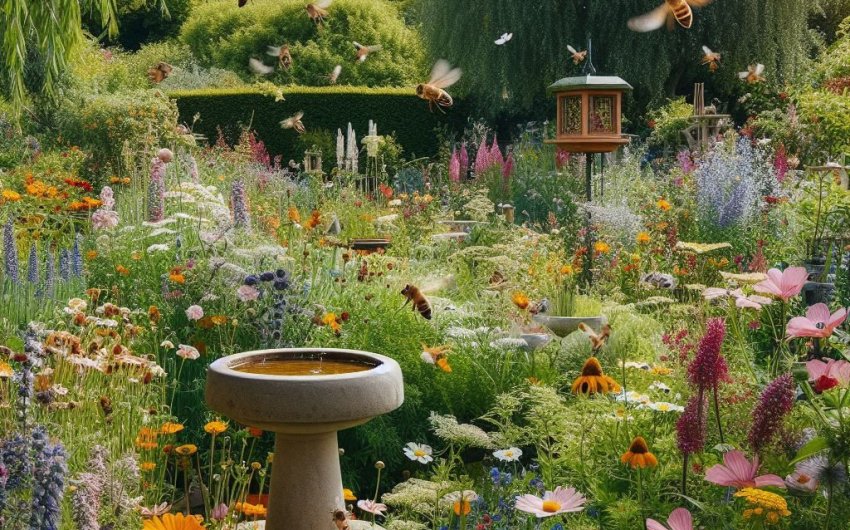
Creating a wildlife-friendly organic garden is a rewarding way to transform your outdoor space into a thriving ecosystem that benefits both nature and your family. It goes beyond simply avoiding harmful chemicals; it's about providing essential resources like food, water, and shelter, while cultivating your plants using sustainable, natural methods. This comprehensive guide will walk you through the key principles and practical steps to design, plant, and maintain an organic garden that welcomes birds, butterflies, bees, and other beneficial creatures, turning your yard into a vibrant haven for local biodiversity.
What are the Core Principles of a Wildlife-Friendly Organic Garden?
Building a wildlife-friendly organic garden starts with understanding a few core principles. These aren't just rules; they're philosophies that guide your gardening choices, ensuring your space supports nature while remaining healthy and productive.
1. Provide Food Sources:
- Diverse Native Plants: The foundation of a wildlife-friendly garden is a variety of native plants. Native plants are those that naturally occur in your region. They are crucial because local wildlife has evolved alongside them, depending on them for specific nutritional needs, from nectar and pollen to seeds, berries, and foliage.
- Layered Planting: Offer food at different heights. Tall trees provide seeds and nesting sites, shrubs offer berries and cover, and groundcovers supply seeds and host plants for insects.
- Continuous Bloom: Plan for plants that flower at different times of the year, from early spring to late fall. This ensures a continuous supply of nectar and pollen for pollinators like bees, butterflies, and hummingbirds throughout the growing season.
- Host Plants: Don't just plant for adult butterflies; remember their caterpillars! Host plants are specific plants that butterfly and moth larvae feed on. For example, milkweed is essential for monarch caterpillars.
- Beyond Nectar: Include plants that produce seeds (for birds), berries (for birds and small mammals), and foliage (for herbivores).
- Leave Seed Heads: Don't deadhead all your flowers. Allow some to go to seed, providing natural food sources for birds in fall and winter.
2. Offer Water Sources:
- Essential for All Wildlife: Water is just as vital as food. Birds need water for drinking and bathing, bees need it for hydration, and even small mammals will visit for a drink.
- Variety of Depths: Provide shallow water for smaller birds and insects, and deeper sections for larger visitors.
- Examples:
- Bird baths: Simple and effective. Keep them clean to prevent disease.
- Ponds: Can support a diverse aquatic ecosystem, attracting frogs, dragonflies, and birds.
- Saucers/Dishes: Shallow dishes with pebbles can offer a safe drinking spot for bees and butterflies without the risk of drowning.
- Mud Puddles: A small, perpetually damp patch of soil can attract butterflies seeking minerals.
3. Create Shelter and Cover:
- Protection from Predators and Elements: Wildlife needs safe places to hide from predators, rest, nest, and escape harsh weather conditions.
- Layered Habitat: Just like food, provide shelter at various levels:
- Trees: Offer nesting sites for birds, roosting spots, and shade.
- Shrubs: Dense shrubs provide excellent cover for birds and small mammals. Evergreens are particularly valuable in winter.
- Logs and Rock Piles: These create cool, damp retreats for amphibians, reptiles, and beneficial insects.
- Tall Grasses/Perennial Patches: Leave some areas of taller grasses or perennial clumps un-mown or un-cut, especially during winter, to provide overwintering sites for insects and shelter for small creatures.
- Brush Piles: A simple pile of branches and twigs in an out-of-the-way corner can offer significant shelter.
- Dead Wood: A standing dead tree (snag) or a log on the ground can be teeming with insect life, providing food, and offer nesting cavities for birds.
4. Practice Organic Gardening Methods:
- Avoid Chemical Pesticides and Herbicides: This is the cornerstone of an organic garden. Chemical sprays kill beneficial insects (like pollinators and pest predators) along with the pests, disrupting the natural food web. Herbicides remove food sources and can harm wildlife indirectly.
- Build Healthy Soil: Focus on enriching your soil with compost and other organic matter. Healthy soil supports a thriving underground ecosystem of microbes and invertebrates, which are the foundation of a healthy garden.
- Natural Pest Control: Employ organic pest management techniques:
- Hand-picking: Remove larger pests manually.
- Companion Planting: Grow plants that naturally repel pests or attract beneficial insects.
- Beneficial Insects: Encourage predatory insects (ladybugs, lacewings) that feed on pests.
- Crop Rotation: Reduces disease and pest buildup in the soil.
- Sustainable Practices:
- Composting: Turn your kitchen and garden waste into valuable soil amendment.
- Mulching: Suppresses weeds, conserves moisture, and gradually adds organic matter to the soil.
- Water Conservation: Use rain barrels, drip irrigation, and proper plant selection to reduce water use.
By integrating these core principles, you can transform your garden into a vibrant, self-sustaining ecosystem that supports local wildlife and thrives naturally without synthetic inputs. This is how you truly create a wildlife-friendly organic garden.
Why are Native Plants Crucial for Wildlife?
When you decide to create a wildlife-friendly organic garden, the single most impactful choice you can make is to prioritize native plants. While exotic plants might be beautiful, native plants are absolutely crucial for local wildlife and form the backbone of a truly effective ecosystem.
1. Evolutionary Connection and Specific Needs:
- Co-evolution: Native plants and local wildlife have evolved together over thousands of years. This means that native insects, birds, and other animals have developed specific adaptations to utilize these plants for survival.
- Specialized Diets: Many insects, especially butterfly and moth caterpillars, are specialists. They can only eat the leaves of specific native host plants. For example, Monarch butterfly caterpillars can only eat milkweed (Asclepias species). Without native milkweed, there are no monarch butterflies. Similarly, many beneficial predatory insects rely on native plants for specific pollen and nectar sources that non-native plants may not provide.
- Nutritional Value: The chemical composition of native plants is perfectly suited to the nutritional needs of local insects and animals. Non-native plants might lack the necessary nutrients or contain compounds that are toxic to local wildlife.
2. Support the Food Web from the Bottom Up:
- Insects are Key: Insects form the base of the food web for most terrestrial ecosystems. Birds, for instance, feed their young almost exclusively on caterpillars and other insects, not seeds or berries. Without native plants to support these insect populations, bird populations decline.
- Cascading Effects: When native insects thrive on native plants, they become a vital food source for birds, amphibians, reptiles, and small mammals. If the base of the food web (native insects) is missing due to a lack of native plants, the entire food web suffers.
3. Adapted to Local Conditions:
- Low Maintenance: Native plants are naturally adapted to your local climate, soil conditions, and rainfall patterns. This means they generally require less water, fertilizer, and pest control once established, aligning perfectly with organic gardening principles.
- Resilience: They are more resilient to local pests and diseases, reducing the need for chemical interventions that harm wildlife.
4. Provides Essential Resources All Year:
- Continuous Bloom: When you select a variety of native plants, you can ensure a continuous supply of nectar and pollen from early spring to late fall, providing food for pollinators throughout their active seasons.
- Seasonal Food: Native trees and shrubs often provide berries and seeds at times when other food sources are scarce, offering crucial sustenance for birds during migration or winter.
5. Creates Functional Habitat:
- Nesting and Shelter: The structure and growth habits of native plants often provide ideal nesting sites, perching spots, and protective cover from predators and harsh weather conditions that non-native plants may not offer.
- Larval Host Plants: Many native plants serve as host plants for the larval stages of butterflies and moths, completing their life cycles within the ecosystem.
How to Incorporate Native Plants:
- Research Your Region: Identify plants native to your specific ecoregion or state. Local native plant nurseries, university extension offices, and conservation organizations are excellent resources.
- Start Small: Replace a portion of your non-native plantings with native alternatives each year.
- Think in Layers: Include native trees, shrubs, perennials, and groundcovers to create diverse habitats.
- Consider Your Conditions: Choose native plants that are suited to your garden's specific light, soil, and moisture levels.
By focusing on native plants, you're not just planting flowers; you're building a functioning ecosystem that truly supports and sustains the wildlife in your area, making your wildlife-friendly organic garden a vital part of the local environment.
How Can I Provide Diverse Food Sources for Wildlife?
Providing diverse food sources is one of the pillars of a wildlife-friendly organic garden. Think beyond just a few flowers; aim for a buffet that caters to different creatures throughout the year.
1. Plant for All Life Stages of Insects:
Nectar and Pollen (for Adults):
- Importance: Butterflies, bees, moths, and hummingbirds feed on nectar for energy. Bees also collect pollen for protein.
- Strategy: Plant a wide variety of native flowers with different shapes, sizes, and colors to attract various pollinators.
- Examples: Coneflowers, Liatris, Asters, Goldenrod, Bee Balm (Monarda), Phlox, Penstemon.
- Continuous Bloom: Select plants that bloom sequentially from early spring (e.g., native willows, spring ephemerals) through summer to late fall (e.g., native asters, goldenrod). This ensures a steady food supply.
- Mass Plantings: Plant flowers in large drifts or clumps rather than single specimens. This makes them more visible to pollinators and more efficient for foraging.
Host Plants (for Larvae/Caterpillars):
- Importance: Many butterflies and moths are specialists; their caterpillars can only eat specific plants. No host plant, no adult butterflies.
- Strategy: Research which native plants are host plants for the butterflies and moths native to your area.
- Examples:
- Milkweed (Asclepias spp.): Essential for Monarch butterflies.
- Parsley, Dill, Fennel: Host for Black Swallowtails.
- Wild Cherry, Birch, Oak, Willow: Host a huge number of caterpillar species (many of which are bird food!).
- Spicebush: Host for Spicebush Swallowtails.
- Embrace Chewed Leaves: A wildlife-friendly organic garden means accepting some chewed leaves. It's a sign that your garden is working!
2. Offer Berries and Fruits:
- Importance: Crucial food for birds (especially during migration and winter), small mammals, and some insects.
- Strategy: Include native shrubs and trees that produce berries or small fruits.
- Examples:
- Serviceberry (Amelanchier): Early summer berries, highly prized by birds.
- Dogwood (Cornus spp.): Fall berries for various bird species.
- Viburnum (Viburnum spp.): Many native species offer abundant berries.
- Holly (Ilex spp.): Red berries persist into winter, providing late-season food.
- Wild Grapes (Vitis spp.): Food for birds and other wildlife.
3. Provide Seeds:
- Importance: A vital food source for many bird species, especially finches, sparrows, and juncos, particularly in fall and winter.
- Strategy: Let some of your native perennial flowers go to seed. Don't deadhead everything.
- Examples:
- Coneflowers (Echinacea): Goldfinches love the seeds.
- Sunflowers (Helianthus spp.): Many bird species flock to sunflower seeds.
- Asters & Goldenrods: Produce abundant small seeds.
- Native Grasses: Many native grasses produce seeds that birds enjoy.
4. Attract Beneficial Insects:
- Importance: While not directly providing "food" in the traditional sense, attracting beneficial insects (like ladybugs, lacewings, predatory wasps) helps control pest populations naturally, reducing the need for sprays and keeping the food chain intact.
- Strategy: Plant "insectary plants" – those with small flowers and accessible nectar/pollen.
- Examples: Dill, Fennel, Cilantro (when allowed to flower), Sweet Alyssum, Yarrow, native wildflowers.
5. Consider Supplemental Feeders (with caution):
- Bird Feeders: Can be a good way to supplement food, especially during harsh weather.
- Types: Seed feeders, suet feeders, hummingbird feeders.
- Important: Keep feeders clean to prevent disease spread. Place them near cover to offer birds safety.
- Avoid Over-Reliance: The primary goal is to provide natural food sources through your plants. Feeders should be supplemental, not the main food source.
- Droll Yankees New Generation Seed Feeder
By carefully planning your plant choices to offer a wide range of food sources throughout the year, you can turn your wildlife-friendly organic garden into a dynamic and self-sustaining ecosystem that supports a rich diversity of local fauna.
What are the Best Water Features for Wildlife?
Providing water features is an indispensable element in creating a truly wildlife-friendly organic garden. Water is just as crucial as food and shelter, attracting a wider array of creatures and supporting their basic life functions.
1. Bird Baths: Simple and Effective
- Why they're great: Birds need water for drinking and bathing, which helps keep their feathers clean for insulation and flight.
- Key Features:
- Shallow: The most important feature. Birds prefer shallow water, no more than 1-2 inches deep at the edges, gradually deepening to 3-4 inches in the center. Small birds can drown in deep water.
- Rough Surface: Birds prefer a non-slippery surface for secure footing. If your bird bath is smooth, add a few rocks or pebbles for grip.
- Material: Concrete or ceramic are good choices for stability. Plastic is lightweight but can tip easily.
- Placement: Place near protective cover (shrubs, trees) but far enough away (5-15 feet) to prevent surprise attacks from predators.
- Cleanliness: Critical! Clean daily or every other day by scrubbing with a brush and rinsing with water to prevent algae buildup and the spread of bird diseases. Avoid harsh chemicals.
- Songbird Essentials Heated Bird Bath (for colder climates)
2. Bee & Butterfly Waterers (Puddling Stations):
- Why they're great: Bees and butterflies need water, but they can't drink from open, deep water sources without drowning. They seek shallow puddles or damp soil for hydration and minerals.
- Key Features:
- Shallow Dish/Saucer: Use a shallow saucer or pie plate.
- Rocks/Pebbles/Sand: Fill the dish with pebbles, marbles, or sand. Add just enough water to wet the pebbles/sand, creating small puddles where insects can safely land and drink without submerging.
- Mud Puddle: A perpetually damp spot of sandy or muddy soil, perhaps in a low-lying area, can attract butterflies seeking salts and minerals.
- Placement: Place in a sunny spot near pollinator plants.
- Maintenance: Keep filled with water, but don't let it become stagnant. Clean occasionally.
3. Ponds & Water Gardens: Creating an Aquatic Ecosystem
- Why they're great: A pond attracts a wider range of wildlife, including frogs, toads, salamanders, dragonflies, and various bird species. It creates a complete aquatic habitat.
- Key Features:
- Varying Depths: Include shallow edges (for birds, amphibians to enter/exit, and submerged plants) and deeper sections (for fish, overwintering frogs, and aquatic plants).
- Gradual Slopes: Create gently sloping sides or "beach" areas for safe access for small animals.
- Native Aquatic Plants: Include native submerged, emergent, and floating plants. These oxygenate the water, provide food, and offer cover for aquatic life.
- No Fish (Optional but Recommended for Max Wildlife): While attractive, fish can eat tadpoles and insect larvae, reducing the diversity of other wildlife.
- Organic Practices: Do not use algaecides or other chemicals. Use natural filtration (plants) and aeration (small pump or waterfall) to keep water healthy.
- Water Source: Consider rain barrels to refill the pond with chemical-free water.
4. Drip or Misting Systems:
- Why they're great: A gentle drip or fine mist can attract hummingbirds and other small birds who prefer to drink from moving water or bathe in tiny droplets on leaves.
- Key Features:
- Connect to a garden hose or irrigation system.
- Set up near perching branches or leafy plants.
- Bird Bath Mister Kit
General Water Feature Tips:
- No Standing Water for Mosquitoes: Ensure your water features are either constantly moving (ponds with pumps/filters) or cleaned/refilled frequently (bird baths) to prevent mosquito breeding. If you have a pond, consider mosquito dunks (Bacillus thuringiensis israelensis), which kill mosquito larvae but are safe for other wildlife.
- Natural Materials: Use natural rocks, logs, and plants around water features to blend them into the landscape and provide additional perching or basking spots.
- Avoid Chemicals: Do not use chlorine or other harsh chemicals in any wildlife water source.
By incorporating a variety of safe, clean water features into your design, you make your wildlife-friendly organic garden an irresistible oasis for birds, insects, and other creatures, greatly enhancing its biodiversity.
How Can I Create Safe Shelter and Habitat for Wildlife?
Providing safe shelter and habitat is just as important as food and water in a wildlife-friendly organic garden. Wildlife needs places to hide from predators, rest, nest, raise young, and escape harsh weather. A layered approach to habitat creation works best.
1. Layered Plantings for Diverse Cover:
- Canopy Layer (Tall Trees):
- Purpose: Provide nesting sites for larger birds, roosting spots, shade, and protection from aerial predators.
- Examples: Native oaks, maples, pines, birches.
- Tip: Choose native trees that also provide food (e.g., oaks for acorns, maples for sap/nectar, pines for seeds).
- Understory Layer (Small Trees/Tall Shrubs):
- Purpose: Offer nesting sites for medium-sized birds, safe perches, and excellent cover for many bird species and small mammals.
- Examples: Serviceberry, dogwood, redbud, large viburnums.
- Shrub Layer (Medium-Sized Shrubs):
- Purpose: Dense shrubs are vital for protective cover, nesting sites for smaller birds, and escape routes from predators. Evergreens are particularly valuable in winter.
- Examples: Native hollies, junipers, elderberry, smaller viburnums.
- Perennial Layer (Flowering Plants/Grasses):
- Purpose: Provide shelter for ground-dwelling birds, small mammals, and insects. Offer overwintering sites for beneficial insects.
- Examples: Native coneflowers, asters, goldenrods, switchgrass, little bluestem.
- Groundcover Layer:
- Purpose: Offer protection for ground-dwelling insects, amphibians, and provide nesting material.
- Examples: Native sedges, wild ginger, creeping phlox.
2. Incorporate Natural Debris:
- Brush Piles:
- How to create: Simply stack branches, twigs, and logs in an out-of-the-way corner of your garden.
- Purpose: Provides excellent hiding spots for rabbits, small birds, reptiles, and amphibians, and overwintering sites for insects.
- Tip: Avoid making them too tidy; a loose, natural pile is best.
- Log Piles/Stumps:
- How to create: Place rotting logs or tree stumps on the ground.
- Purpose: Offer shelter and moisture for amphibians (frogs, salamanders), reptiles (snakes, lizards), and a multitude of beneficial insects (beetles, centipedes) that decompose wood. They also provide food (insects) for other wildlife.
- Leaf Litter:
- Purpose: Provides insulation, retains moisture, and is a vital habitat for many insects (including overwintering butterfly chrysalises and moth cocoons) and invertebrates, which are crucial food sources for birds.
- Tip: Instead of raking away all leaves, consider leaving a layer under trees and shrubs, or creating a dedicated "leaf litter" area. Shredding them helps them break down faster.
3. Consider Specialized Shelters:
- Bird Houses:
- Purpose: Provide safe nesting sites for cavity-nesting birds (bluebirds, wrens, chickadees).
- Key Features: Choose houses specific to the bird species you want to attract, with the correct hole size. Place at appropriate heights and away from predators.
- Maintenance: Clean annually after nesting season.
- Audubon Cedar Bluebird House
- Bat Houses:
- Purpose: Provide roosting sites for bats, which are excellent nocturnal insect predators.
- Key Features: Designed specifically for bats, with rough interiors for clinging.
- Placement: Mount on a pole or the side of a building, not in a tree. Needs full sun exposure.
- Audubon Bat House
- Bee Hotels (for Solitary Bees):
- Purpose: Provide nesting tunnels for solitary native bees (e.g., mason bees, leafcutter bees) that don't live in colonies. These bees are excellent pollinators.
- Key Features: Bundles of hollow stems, bamboo tubes, or drilled blocks of wood.
- Maintenance: Clean or replace tubes annually to prevent disease.
- Nesting Box for Mason Bees
- Toad Houses:
- Purpose: Provide cool, damp retreats for toads, which are voracious insect eaters.
- How to create: Simply invert a clay pot, chipping a piece off the rim for an entrance, or purchase a decorative toad house.
4. Leave "Messy" Areas:
- Uncut Grass/Perennials: Designate a small section of your lawn or garden where you allow native grasses or perennials to grow tall and undisturbed, especially through winter.
- Purpose: This provides crucial overwintering habitat for insects (many moth caterpillars overwinter in stems), seeds for birds, and shelter for small mammals.
- Resist the Urge to "Clean Up": Delaying fall cleanup of perennial stalks and leaving some standing dead plant material until spring can offer vital winter shelter and food.
By intentionally creating diverse and safe shelter options throughout your wildlife-friendly organic garden, you provide the necessary refuge for wildlife to thrive, nest, and contribute to the garden's ecosystem.
What Organic Practices Should I Adopt?
Adopting organic practices is fundamental to creating a wildlife-friendly organic garden. It's not just about avoiding chemicals; it's about building a healthy, resilient ecosystem from the ground up that supports all life forms, from microscopic soil microbes to birds and mammals.
1. Build Healthy Soil:
- Compost, Compost, Compost:
- Why: Compost is rich in organic matter, improves soil structure, aeration, drainage, and water retention. It feeds beneficial soil microbes, which in turn make nutrients available to plants. Healthy soil leads to healthy, resilient plants that are less susceptible to pests and diseases.
- How: Incorporate well-rotted compost into your garden beds annually.
- Compost Bin for Garden
- Avoid Synthetic Fertilizers:
- Why: Synthetic fertilizers are often high in salts and can kill beneficial soil microbes, disrupt the soil food web, and leach into waterways.
- Organic Alternatives: Rely on compost, well-rotted manure, organic granular fertilizers (e.g., bone meal, blood meal, kelp meal), and cover crops to provide nutrients naturally.
- Minimize Tilling:
- Why: Excessive tilling disrupts soil structure, destroys fungal networks (like mycorrhizae that help plants absorb nutrients), and releases carbon into the atmosphere.
- Practice: Opt for no-till or reduced-till methods where possible. Build raised beds or use permanent pathways to avoid compacting soil.
2. Organic Pest and Disease Management:
- Embrace Biodiversity:
- Why: A diverse garden with many plant species and abundant beneficial insects is naturally more resistant to pest outbreaks. Predators (ladybugs, lacewings, predatory wasps), parasites, and birds will keep pest populations in check.
- Practice: Plant insectary plants to attract beneficial insects.
- Avoid Chemical Pesticides and Herbicides (Crucial):
- Why: These chemicals kill indiscriminately, wiping out beneficial insects (including pollinators and pest predators) along with the target pests. They can also harm birds, mammals, and pollute water sources.
- Organic Alternatives:
- Hand-picking: For larger pests like tomato hornworms or slugs.
- Row Covers: Physical barriers to protect young plants from insect damage.
- Trellising/Staking: Improves air circulation, reducing fungal diseases.
- Companion Planting: Certain plant combinations can deter pests or attract beneficials.
- Traps: Sticky traps for whiteflies, beer traps for slugs.
- Organic Sprays (Use Sparingly): If necessary, use natural options like Neem oil (which acts as an insect growth regulator and repellent, but still use carefully around pollinators) or insecticidal soap for specific infestations. Always read labels and apply at dusk when pollinators are less active.
- Garden Safe Neem Oil Extract Concentrate
- Crop Rotation:
- Why: Rotating crops helps prevent the buildup of specific pests and diseases in the soil that target certain plant families.
- Practice: Don't plant the same vegetable in the same spot year after year.
3. Smart Watering Practices:
- Water Efficiently:
- Why: Conserves water, reduces runoff, and keeps foliage dry (reducing fungal diseases).
- Practice: Use drip irrigation, soaker hoses, or water by hand at the base of plants. Water deeply and infrequently to encourage deep root growth.
- Rain Barrels: Collect rainwater for irrigation. It's free and chemical-free.
- Goplus Rain Barrel
4. Mulching:
- Why: A layer of organic mulch (e.g., wood chips, straw, shredded leaves) suppresses weeds (reducing the need for herbicides), conserves soil moisture, moderates soil temperature, and adds organic matter as it decomposes.
- Practice: Apply a 2-4 inch layer of mulch around plants, keeping it a few inches away from stems to prevent rot.
5. Embracing "Messiness" and Natural Cycles:
- Delayed Fall Cleanup: Leave perennial stalks and seed heads standing through winter to provide food for birds and shelter for overwintering insects. Cut them back in spring after the danger of hard frosts has passed and when temperatures are consistently warm enough for insects to emerge.
- Allow Some "Weeds": Some plants considered "weeds" are valuable food sources or host plants for wildlife. Learn to identify truly invasive weeds versus beneficial volunteers.
- Create Brush Piles/Log Piles: As discussed in the shelter section, these natural debris piles are vital habitats.
By consciously adopting these organic practices, you transform your garden from a managed monoculture into a dynamic, resilient, and thriving ecosystem, making it a true wildlife-friendly organic garden that nurtures all forms of life.
How Do I Manage Pests Organically and Wildlife-Friendly?
Managing pests in a wildlife-friendly organic garden means moving away from chemical warfare and towards a more integrated, ecological approach. The goal isn't eradication but rather balance: keeping pest populations at manageable levels without harming beneficial insects, birds, or the wider environment.
1. Build a Healthy Ecosystem (Prevention is Key):
- Healthy Soil: As mentioned, healthy soil produces strong, resilient plants less prone to pest and disease attacks. Focus on amending with compost and organic matter.
- Right Plant, Right Place: Choose plants (especially natives) that are well-suited to your garden's specific sun, soil, and moisture conditions. Stressed plants are pest magnets.
- Promote Biodiversity: A diverse garden, with many different types of plants, is more stable. It's harder for one pest to wipe out everything, and it attracts a wider range of beneficial insects and predators.
- Continuous Bloom: Provide a continuous supply of nectar and pollen for beneficial insects that act as natural pest control.
2. Attract Beneficial Insects (The Garden's Unsung Heroes):
- Know Your Allies:
- Ladybugs: Eat aphids, scale, mites.
- Lacewings: Larvae eat aphids, mealybugs, thrips.
- Syrphid Flies (Hoverflies): Larvae eat aphids.
- Parasitic Wasps: Lay eggs inside or on pests like aphids, caterpillars, and whiteflies.
- Predatory Ground Beetles: Eat slugs, snails, caterpillars.
- Plant "Insectary" Plants: These are plants that produce tiny flowers with easily accessible nectar and pollen, providing food for adult beneficial insects.
- Examples: Dill, Fennel, Cilantro (when flowering), Yarrow, Sweet Alyssum, Cosmos, native daisies, Queen Anne's Lace.
- Provide Water: Shallow water sources are important for beneficial insects too.
- Avoid Neonicotinoids: These systemic pesticides are particularly harmful to bees and other pollinators, persisting in pollen and nectar. Always check labels.
3. Physical & Cultural Controls:
- Hand-Picking:
- Best for: Larger pests like tomato hornworms, slugs, snails, squash bugs, Japanese beetles.
- Method: Simply pick them off plants and drop them into a bucket of soapy water.
- When: Do this regularly, especially in the early morning or evening.
- Squashing: Small clusters of aphids can often be squashed with your fingers.
- Hose Blast: A strong jet of water can dislodge aphids, spider mites, and whiteflies from plants. Repeat every few days.
- Row Covers:
- Purpose: Lightweight fabric covers placed over plants, forming a physical barrier against flying insects (e.g., cabbage moths, squash vine borers).
- When: Use when plants are young or susceptible. Remove during flowering to allow pollination.
- AgFabric Row Cover
- Traps:
- Sticky Traps: Yellow sticky traps can catch whiteflies, thrips, and fungus gnats.
- Beer Traps: For slugs and snails. Bury a shallow dish of beer so its rim is at soil level.
- Crop Rotation: Don't plant the same vegetable family in the same spot year after year. This disrupts the life cycles of pests that overwinter in the soil.
- Cleanliness: Remove diseased plant material promptly (don't compost it). Keep garden tools clean.
4. Organic Sprays (Last Resort, Used Carefully):
- Neem Oil:
- How it works: An extract from the Neem tree, acts as an insect growth disruptor and repellent. Some insects die from ingesting it.
- Usage: Effective against aphids, spider mites, whiteflies, mealybugs. Mix with water and spray thoroughly.
- Important: Apply at dusk when bees and other pollinators are less active to minimize harm.
- Garden Safe Neem Oil Extract Concentrate
- Insecticidal Soap:
- How it works: Smothers soft-bodied insects like aphids, whiteflies, and spider mites.
- Usage: Must come into direct contact with the pest to be effective.
- Important: Can harm some beneficial insects on contact. Only spray affected areas, not the whole plant.
- Bacillus thuringiensis (Bt):
- How it works: A naturally occurring soil bacterium that specifically targets certain types of caterpillars (e.g., cabbage loopers, tomato hornworms). It only harms caterpillars that eat it and is safe for other wildlife.
- Bonide Thuricide Bt Concentrate
5. Tolerance and Acceptance:
- Understand Damage: A wildlife-friendly organic garden means accepting some level of pest damage. A few chewed leaves are a sign that your garden is part of the ecosystem, providing food for caterpillars which, in turn, become food for birds.
- Identify Correctly: Don't spray just because you see an insect. Make sure it's actually a pest, and not a beneficial insect or a harmless one.
By focusing on building a robust, biodiverse ecosystem and employing these thoughtful organic strategies, you can effectively manage pests in your wildlife-friendly organic garden without resorting to harmful chemicals, ensuring a healthy environment for all.
How Can I Transition My Existing Garden to Organic and Wildlife-Friendly?
Transitioning an existing garden, especially one that has relied on synthetic chemicals, into a wildlife-friendly organic garden is a journey, not a single step. It requires patience, observation, and a gradual shift in practices.
1. Stop Using Synthetic Chemicals Immediately:
- The First and Most Important Step: Cease using all synthetic pesticides, herbicides, and fertilizers. This is non-negotiable for an organic garden.
- Why: These chemicals are detrimental to soil health, kill beneficial insects, and can directly or indirectly harm wildlife.
- Detox Period: Understand that your garden might go through a "detox" phase. You might see a temporary increase in pests as the natural predators and soil ecosystem recover. Resist the urge to revert to chemicals.
2. Focus on Soil Health:
- Soil Test: Get a soil test done. This will tell you your soil's pH and nutrient levels, guiding your organic amendments.
- Start Composting: If you don't already, begin composting your kitchen scraps and yard waste. This provides a free, continuous supply of organic matter.
- Apply Organic Matter:
- Compost: Top-dress your garden beds with a 1-2 inch layer of well-rotted compost every spring and fall. Gently work it into the top few inches of soil or simply let it decompose.
- Shredded Leaves: Use shredded leaves as mulch. They break down, enriching the soil.
- Cover Crops: In vegetable beds, plant cover crops (e.g., clover, vetch, oats) during the off-season to build soil structure, add nitrogen, and suppress weeds.
- Mulch: Apply a 2-4 inch layer of organic mulch (wood chips, straw, shredded leaves) to suppress weeds, conserve moisture, and improve soil health over time.
3. Gradually Introduce Native Plants:
- Prioritize Removal: Start by identifying and removing any invasive exotic plants in your garden, as these can outcompete native species and offer little ecological value to local wildlife.
- Start Small: Don't feel you need to rip everything out at once. Begin by replacing some non-native ornamental plants with native alternatives. Start with a visible area to see the positive impact.
- Layered Approach: As you add natives, think about creating layers (trees, shrubs, perennials, groundcovers) to provide diverse habitat.
- Focus on Host Plants: Prioritize planting native host plants for local butterflies and moths.
- Seasonal Diversity: Select native plants that provide continuous blooms from early spring to late fall for pollinators.
4. Add Water Sources:
- Start Simple: Begin with a clean, shallow bird bath. It's an immediate attractant for birds.
- Expand: Consider a bee watering station (shallow dish with pebbles) or, if ambitious, a small pond.
5. Create Shelter and Habitat Areas:
- "Leave It" Philosophy: Embrace some "messiness."
- Delay Fall Cleanup: Leave perennial stalks and seed heads standing through winter.
- Leave Leaf Litter: Allow leaves to decompose under trees and shrubs.
- Brush Pile: Create a small brush pile in an out-of-the-way corner.
- Install Shelters: Add bird houses, bat houses, or bee hotels if desired, ensuring they are appropriate for local species and correctly placed.
6. Observe and Learn:
- Become a Garden Detective: Pay attention to your garden. What pests do you see? What beneficial insects are present? What wildlife visits? This observation will help you fine-tune your organic and wildlife-friendly practices.
- Identify Your Problems: When you see a pest, try to identify it before acting. Is it truly causing significant damage, or is it just part of the natural balance?
- Educate Yourself: Learn about native plants for your region, common pests and their organic controls, and the needs of local wildlife.
7. Be Patient:
- Ecosystem Takes Time: It takes time for the soil food web to recover, for beneficial insect populations to build up, and for wildlife to discover and fully utilize your new garden.
- Incremental Improvements: Celebrate small victories. Each native plant you add, each chemical you avoid, and each beneficial insect you attract contributes to a healthier, more vibrant ecosystem.
Transitioning to a wildlife-friendly organic garden is a journey of learning and discovery. By committing to these steps, you'll gradually transform your garden into a thriving, self-sustaining haven for nature.