
What Are the Benefits of Mulching Your Garden?
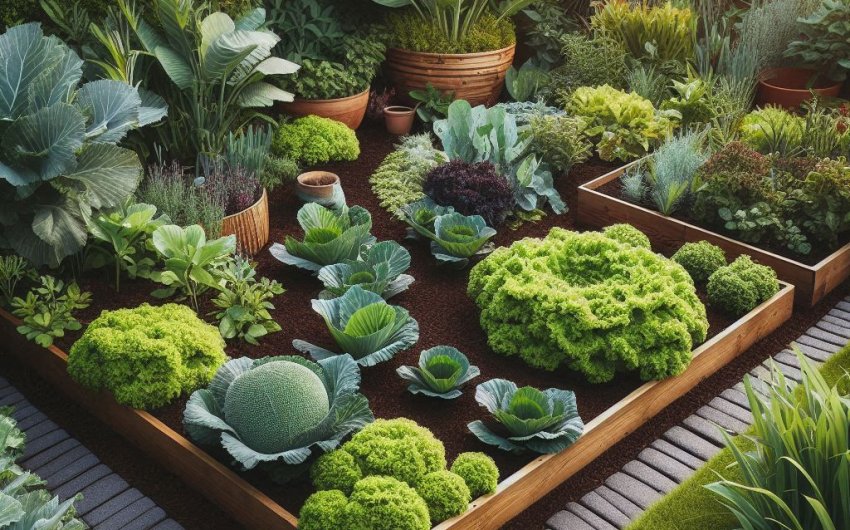
Mulching your garden is one of the simplest yet most impactful practices you can adopt to significantly improve the health and vigor of your plants while reducing maintenance. This versatile layer of material, whether organic or inorganic, spread over the soil surface brings a surprising array of advantages that benefit everything from tiny seedlings to mature trees. Understanding the numerous benefits of mulching can transform your gardening efforts, making your plants happier, your soil healthier, and your time spent weeding far less. Let's delve into why this essential technique is a game-changer for any gardener.
What is Mulching and Why is it Essential for Gardens?
Mulching involves applying a layer of material to the soil surface. This layer acts as a protective barrier, mimicking the natural processes found in forests where leaves and organic debris constantly cover the ground. It's a fundamental practice in gardening for both aesthetic appeal and profound ecological advantages.
Why Should Every Gardener Consider Mulching?
- Mimics Nature: In natural ecosystems, bare soil is rare. A layer of organic matter constantly covers the ground, protecting and enriching it. Mulching replicates this beneficial natural process in your garden.
- Problem Solver: Mulch addresses some of the most common gardening headaches: weeds, fluctuating soil temperatures, moisture loss, and soil erosion.
- Low Effort, High Reward: While there's an initial effort in applying mulch, the long-term benefits in terms of reduced watering, weeding, and healthier plants far outweigh the initial work.
- Aesthetics: A well-mulched garden bed looks neat, tidy, and professionally maintained, adding to your garden's visual appeal.
How Does Mulch Help Conserve Soil Moisture?
One of the most significant benefits of mulching your garden is its remarkable ability to conserve soil moisture. This means less watering for you and more consistent moisture for your plants, even during dry spells.
How Does Mulch Retain Water?
- Reduces Evaporation: Direct sunlight and wind rapidly pull moisture from bare soil through evaporation. A layer of mulch acts as a barrier, shading the soil and reducing wind exposure, dramatically slowing down this process. Imagine putting a lid on a pot of boiling water – less steam escapes. Mulch works similarly for your garden soil.
- Slows Runoff: When you water or when it rains, bare soil can sometimes repel water, leading to runoff, especially on sloped areas. Mulch breaks the force of raindrops and allows water to slowly percolate into the soil rather than washing away.
- Improves Water Penetration: Over time, organic mulches decompose and improve soil structure, making the soil more porous. This enhanced porosity allows water to penetrate deeper into the root zone rather than pooling on the surface.
What are the Practical Benefits of Moisture Retention?
- Less Frequent Watering: With less evaporation, your plants stay hydrated longer, reducing the need for constant watering. This is a huge time-saver and water-saver, especially in hot, dry climates.
- Deeper Root Growth: Because moisture is present deeper in the soil for longer periods, plant roots are encouraged to grow deeper, making them more resilient to drought conditions.
- Reduced Water Stress: Consistent moisture levels mean plants experience less "stress" from cycles of drying out and re-watering, leading to healthier, more robust growth and better yields.
Why is Mulch So Effective at Suppressing Weeds?
The fight against weeds is a perennial challenge for gardeners. Thankfully, mulching your garden is one of the most effective and eco-friendly ways to win this battle, significantly reducing your weeding workload.
How Does Mulch Block Weeds?
- Smothers Existing Weeds: A thick layer (2-4 inches) of mulch physically smothers many young, tender weeds by blocking their access to sunlight. Without light, they cannot photosynthesize and quickly die.
- Prevents Germination: Many weed seeds require light to germinate. A mulch layer creates a dark environment, preventing these seeds from sprouting. Even if a few seeds do manage to germinate on top of the mulch, they are usually much easier to pull out because their roots haven't firmly established in the soil below.
- Physical Barrier: For weed seeds that are already in the soil, the mulch layer acts as a physical barrier, making it difficult for their shoots to push through to the surface.
What are the Long-Term Benefits of Weed Suppression?
- Reduced Competition: Weeds compete with your desired plants for water, nutrients, and sunlight. By suppressing weeds, you ensure that all these vital resources are available for your garden plants, leading to stronger growth and better yields.
- Less Weeding Time: This is perhaps the most appreciated benefit by many gardeners! Instead of spending hours pulling weeds, you can devote that time to other enjoyable gardening tasks or simply relaxing and admiring your beautiful, weed-free garden.
- Less Herbicide Use: With effective weed suppression, you reduce or eliminate the need for chemical herbicides, making your garden safer for you, your pets, and beneficial insects.
How Does Mulch Regulate Soil Temperature?
Beyond moisture and weeds, mulch plays a crucial role in moderating soil temperature, offering protection and promoting optimal conditions for root growth throughout the year. This is another key benefit of mulching.
How Does Mulch Insulate the Soil?
- Keeps Soil Cooler in Summer: During hot summer days, bare soil can heat up rapidly, stressing plant roots and leading to excessive moisture evaporation. A layer of mulch acts as an insulating blanket, shading the soil surface and preventing it from overheating. This keeps the root zone cooler and more stable, promoting healthy root function.
- Keeps Soil Warmer in Winter: Conversely, in colder months, mulch helps insulate the soil, protecting roots from freezing temperatures and sudden temperature fluctuations. This is particularly beneficial for perennial plants, shrubs, and trees, preventing frost heave (where freezing and thawing pushes plants out of the ground).
- Delays Spring Warming (if applied early): If applied too early in spring before the soil has warmed sufficiently, mulch can actually delay soil warming, which might not be ideal for heat-loving plants you want to get a quick start. It's often best to wait until the soil has reached desired planting temperatures before applying mulch for warm-season crops.
What are the Advantages of Temperature Regulation?
- Reduced Plant Stress: Stable soil temperatures mean less stress on plants. Extreme temperature swings can hinder nutrient uptake and overall plant vigor.
- Optimal Root Development: Most plant roots thrive within a specific temperature range. Mulch helps maintain this ideal range, leading to more robust root systems that can better absorb water and nutrients.
- Extended Growing Season: By insulating the soil, mulch can slightly extend the growing season in both spring (by protecting against late frosts after soil has warmed) and fall (by delaying freezing temperatures).
- Improved Seed Germination (for direct sowing): For seeds that need consistent temperatures to sprout, a thin layer of fine mulch can help maintain stable moisture and temperature, leading to better germination rates.
What are the Benefits of Mulch for Soil Health?
While weed suppression and moisture retention are often the most immediately apparent advantages, the long-term benefits of mulching for soil health are profound and contribute to the overall vitality of your garden ecosystem.
How Does Organic Mulch Improve Soil Structure?
- Adds Organic Matter: As organic mulches (like wood chips, straw, or leaves) decompose, they break down into humus, a stable form of organic matter that gets incorporated into the soil. This enriches the soil's composition.
- Improves Drainage: Organic matter creates a crumbly, porous soil structure, preventing compaction and allowing for better water infiltration and drainage.
- Enhances Aeration: The improved structure also means more air pockets in the soil, which are essential for healthy root respiration and the activity of beneficial soil organisms.
- Increases Water Retention Capacity: Paradoxically, while improving drainage, organic matter also increases the soil's ability to hold onto moisture like a sponge, releasing it slowly to plant roots. This is different from the top-layer evaporation reduction discussed earlier.
How Does Mulch Support Soil Life?
- Feeds Microorganisms: The decomposition of organic mulch provides a continuous food source for a vast array of beneficial soil microorganisms (bacteria, fungi, protozoa). These tiny creatures are vital for nutrient cycling, breaking down organic matter into forms plants can use.
- Provides Habitat: Mulch creates a protective environment for earthworms, beetles, and other beneficial soil dwellers. Earthworms, in particular, are nature's plows, aerating the soil and creating channels for water and root penetration.
- Suppresses Harmful Pathogens: A healthy, biologically diverse soil ecosystem created by mulching can naturally suppress certain soil-borne diseases and harmful nematodes, contributing to overall plant resilience.
What are the Nutrient Benefits of Mulch?
- Slow-Release Nutrients: As organic mulches decompose, they slowly release essential nutrients back into the soil, providing a steady supply of food for your plants over time. This reduces the need for frequent fertilization.
- Prevents Nutrient Leaching: By improving soil structure and water retention, mulch helps prevent nutrients from being washed away (leached) from the soil during heavy rains or excessive watering.
How Does Mulch Prevent Soil Erosion?
Bare soil is vulnerable to the destructive forces of wind and water. Mulching your garden provides a vital protective layer, offering another significant advantage in maintaining the integrity of your garden beds.
How Does Mulch Act as an Anti-Erosion Barrier?
- Reduces Impact of Raindrops: When raindrops hit bare soil directly, they can dislodge soil particles, causing compaction and leading to runoff. Mulch absorbs the impact of raindrops, allowing water to gently soak into the soil.
- Prevents Wind Erosion: On windy days, dry, bare topsoil can be easily blown away. Mulch creates a protective cover that anchors the soil particles, preventing them from being carried away by strong gusts.
- Stabilizes Slopes: On sloped garden beds, bare soil is particularly susceptible to water runoff and erosion. A well-applied layer of mulch helps hold the soil in place, allowing water to infiltrate rather than rush downhill, carrying away precious topsoil.
What are the Consequences of Erosion?
- Loss of Topsoil: Topsoil is the most fertile layer of your garden, rich in organic matter and nutrients. Erosion washes or blows away this vital layer, diminishing your garden's productivity.
- Nutrient Depletion: As topsoil erodes, so do the essential nutrients within it, requiring more frequent fertilization to compensate.
- Reduced Water Infiltration: Erosion can lead to soil compaction, reducing the soil's ability to absorb water, leading to more runoff and less available moisture for plants.
- Sediment Runoff: Eroded soil can end up in storm drains and local waterways, contributing to water pollution and harming aquatic ecosystems.
What Types of Mulch Are Available and Which is Best?
The world of mulch offers a diverse range of materials, each with its own characteristics and best uses. Understanding the different types helps you select the best option for your specific mulching needs.
What are Common Organic Mulches?
Organic mulches are derived from natural materials that will eventually decompose, adding nutrients and improving soil structure.
- Wood Chips/Bark Mulch:
- Pros: Long-lasting, attractive, excellent for weed suppression and temperature regulation. Available in various colors and sizes.
- Cons: Can be slow to break down. Finer chips might "knit" together and impede water penetration if applied too thickly. Some types (fresh hardwood) can temporarily "tie up" nitrogen as they decompose, which can be an issue for very nitrogen-hungry plants if mixed into the soil.
- Best Use: Permanent plantings, trees, shrubs, pathways, perennial beds. You can buy organic wood mulch.
- Shredded Leaves:
- Pros: Free, readily available in autumn, decomposes quickly adding nutrients, excellent for weed suppression and soil improvement.
- Cons: Can blow away if not moistened. Some people dislike the rustic look.
- Best Use: Vegetable gardens, annual beds, around trees/shrubs, in fall.
- Straw:
- Pros: Inexpensive, light, great for vegetable gardens, especially around fruiting plants, keeps produce clean. Decomposes quickly.
- Cons: Can blow away easily. Needs replenishment more frequently. Can contain weed seeds (get "seed-free" straw).
- Best Use: Vegetable gardens, strawberry patches, annuals, protecting new lawns.
- Compost/Aged Manure:
- Pros: Highly beneficial for soil health, adds abundant nutrients, excellent soil conditioner.
- Cons: Can be expensive if purchased. Needs to be "finished" (fully decomposed) to avoid issues like weed seeds or burning plants.
- Best Use: Directly integrated into soil or as a top dressing around plants that need a nutrient boost. A great all-around organic compost.
- Pine Needles:
- Pros: Attractive, slow to decompose, great for acid-loving plants (blueberries, rhododendrons).
- Cons: Can be slow to break down.
- Best Use: Acid-loving plant beds.
- Grass Clippings:
- Pros: Free, readily available, decomposes quickly.
- Cons: Can form a mat and become slimy if applied too thickly, leading to odors and preventing air/water penetration. Avoid if treated with herbicides.
- Best Use: Thin layers (max 1-2 inches) around plants, allowed to dry before reapplication.
What are Common Inorganic Mulches?
Inorganic mulches do not decompose and are primarily used for their aesthetic or temperature-regulating properties.
- Pebbles/Gravel:
- Pros: Permanent, aesthetically pleasing, good for drainage, excellent for heat-loving plants (like cacti/succulents) as they retain heat.
- Cons: Do not add nutrients to soil. Can become hot. Difficult to remove weeds that sprout through. Expensive.
- Best Use: Rock gardens, xeriscapes, pathways, permanent beds. You can find decorative garden pebbles.
- Landscape Fabric:
- Pros: Excellent weed barrier. Allows water and air to pass through (usually).
- Cons: Does not improve soil. Can be unsightly if not covered. Weeds can grow on top. Can hinder water absorption over time if clogged. Can degrade in sunlight.
- Best Use: Underneath stone mulches, pathways, or in permanent shrub beds. Often covered with a thin layer of decorative mulch.
- Rubber Mulch:
- Pros: Long-lasting, does not decompose, comes in various colors, good for playgrounds.
- Cons: Does not add nutrients. Can smell. Can contain chemicals. Can leach heavy metals.
- Best Use: Primarily for playgrounds; generally not recommended for edible gardens due to potential chemical leaching.
How Do You Apply Mulch Effectively?
Applying mulch correctly is key to maximizing its benefits. Incorrect application can sometimes do more harm than good.
What is the Proper Technique for Mulching?
- Prepare the Area:
- Weed Thoroughly: Remove existing weeds before applying mulch. Mulch suppresses weeds but doesn't kill established ones.
- Water if Dry: Water the soil well before mulching, especially if it's dry. Mulch helps retain moisture that is already present, it doesn't add it.
- Determine Thickness:
- General Rule: Aim for a 2-4 inch layer for most organic mulches. Thinner layers (1-2 inches) for fine materials like grass clippings or very small plants. Thicker layers (4-6 inches) for pathways or permanent shrub beds.
- Containers: 1-2 inches is usually sufficient for pots.
- Spread Evenly:
- Use a rake or gloved hands to spread the mulch evenly over the soil surface.
- Important: Create a "Donut" or "Doughnut" around trunks/stems. Leave a 2-3 inch gap between the mulch and the base of tree trunks, shrub stems, or plant crowns.
- Avoid "Volcano Mulching": Piling mulch up against the base of a tree trunk (like a volcano) can trap moisture, promote rot, and create a habitat for rodents that can gnaw on bark. This is a common mistake that defeats the purpose of healthy mulching.
- Replenish as Needed: Organic mulches will decompose over time. Check your mulch layer periodically and replenish it annually or every few years to maintain the desired thickness. Inorganic mulches rarely need replenishment.
When is the Best Time to Apply Mulch?
- Spring: After the soil has warmed up but before the peak heat of summer. This is ideal for most garden beds. If you're planting warm-season crops, wait until the soil is warm enough for those plants before applying mulch.
- Summer: Can be applied anytime to combat weeds and conserve moisture during hot periods.
- Fall: After the first few light frosts but before deep freezing. This helps insulate perennials and trees for winter. Avoid applying too early when rodents might seek shelter.
What Are Some Common Mulching Mistakes to Avoid?
While mulching offers incredible benefits, improper application can negate its advantages or even harm your plants. Being aware of these common pitfalls will help you mulch correctly.
What are the Don'ts of Mulching?
- Don't Apply Too Thickly: While a thick layer is good for weed suppression, excessive mulch (more than 4-6 inches, depending on the material) can:
- Smother plant roots.
- Lead to overly wet conditions that promote root rot and fungal diseases.
- Prevent air and water from reaching the soil.
- Attract rodents and other pests seeking shelter.
- Don't "Volcano Mulch" Around Trunks/Stems: Piling mulch directly against the base of trees or shrubs creates a moist environment that encourages rot, girdling roots (roots that grow in a circle around the trunk, strangling it), and provides hiding places for voles and other rodents that can chew on bark. Always leave a 2-3 inch clear "doughnut" space around the base.
- Don't Use Uncomposted Wood Chips Directly in Annual Beds: Fresh wood chips (especially hardwood) can temporarily deplete nitrogen from the soil as they break down. While this is rarely an issue when applied as a surface mulch, it can be problematic if mixed into the soil, especially for nitrogen-hungry annual vegetables. Use aged wood chips or composted materials for these beds.
- Don't Mulch Over Weeds (Unless Smothering is the Goal): While mulch suppresses weeds, it's far more effective to remove existing weeds first. Mulching over large, established weeds often just gives them a head start to grow through the mulch.
- Don't Mulch Right Up to House Foundations: Keep a clear space (6-12 inches) between mulch and your home's foundation to prevent moisture issues, deter pests (like termites and ants), and maintain good air circulation.
- Don't Use Herbicides on Grass Clippings: If you use grass clippings as mulch, ensure your lawn hasn't been treated with herbicides. These chemicals can damage or kill your garden plants.
- Don't Use Diseased Plant Material: Never use diseased leaves or plant parts in your mulch or compost. This can spread pathogens back into your garden.
By understanding and avoiding these common mistakes, you can ensure that you're maximizing the true benefits of mulching your garden, leading to a healthier, more beautiful, and easier-to-maintain outdoor space. It's a simple step that yields monumental results for any gardener.