
Natural Ways to Control Aphids in Your Garden
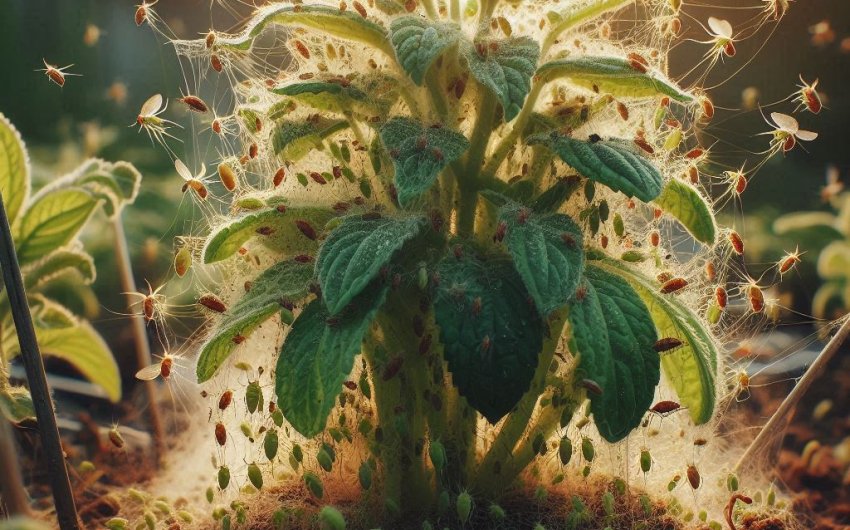
Aphids are tiny, soft-bodied insects that can quickly become a big problem in any garden. They suck the sap from plants, weakening them and causing distorted growth. If you've spotted these common pests on your prized roses or vegetable plants, you're likely looking for natural ways to control aphids in your garden. The good news is that many effective and eco-friendly methods exist. These strategies help keep your plants healthy without resorting to harsh chemicals.
What Are Aphids and Why Are They a Problem?
Aphids are small insects, usually pear-shaped, and come in various colors. You might see green, black, yellow, brown, red, or even white (when molting) aphids. They often gather in clusters on new growth, undersides of leaves, or on flower buds. They are a problem for several reasons.
- Sap-Sucking Damage: Aphids have piercing-sucking mouthparts. They use these to extract vital plant sap. This weakens the plant. It can lead to curled, yellowed, or stunted leaves. Flowers may not form properly. Fruit production can be reduced.
- Honeydew Production: As aphids feed, they excrete a sticky, sugary substance called honeydew. This substance coats leaves and stems.
- Honeydew attracts ants. Ants often protect aphids from predators to keep their honeydew source.
- Honeydew encourages the growth of sooty mold. Sooty mold is a black fungus. It doesn't directly harm the plant but blocks sunlight. This reduces the plant's ability to photosynthesize.
- Disease Transmission: Aphids can transmit plant viruses from one plant to another. This can cause widespread disease in your garden.
- Rapid Reproduction: Aphids reproduce very quickly. A single aphid can produce many offspring in a short time. This means an infestation can grow exponentially if not addressed.
What Are the First Steps to Take When You Spot Aphids?
Early detection and immediate, gentle action are key to successful aphid control. Don't panic when you see them. Start with these simple, non-toxic methods.
- Hose Them Off: For a quick and effective solution, use a strong spray of water from your garden hose. Direct the spray at the infested areas. Make sure to hit the undersides of leaves where aphids often hide.
- Technique: Use a nozzle that provides a focused stream.
- Frequency: Repeat every few days until the aphid population is significantly reduced.
- Benefit: This dislodges the aphids without harming the plant. Most dislodged aphids cannot find their way back onto the plant.
- Hand-Pick or Squish: If the infestation is small or on just a few plants, you can physically remove them.
- Method: Wear gloves if you prefer. Gently rub them off with your fingers or a soft cloth. Squish them as you go.
- Caution: Be gentle to avoid damaging delicate plant tissues.
- Prune Infested Areas: For heavily infested tips of stems or leaves, sometimes it's best to simply prune them off.
- Process: Use clean pruning shears to snip off the affected parts.
- Disposal: Dispose of the pruned plant material in the trash, not your compost bin. This prevents aphids from spreading.
- Isolate Affected Plants (Potted Plants): If aphids are on a potted plant, move it away from other plants. This helps prevent the infestation from spreading. You can then treat the isolated plant more aggressively.
How Can Soapy Water Help Control Aphids?
Insecticidal soap is a well-known and highly effective natural aphid control. You can buy commercial products or make your own. The soap works by breaking down the waxy outer layer of the aphid's body, causing them to dehydrate.
- How it Works: The fatty acids in the soap penetrate the insect's outer shell, disrupting cell membranes. This leads to suffocation and dehydration.
- Making Your Own Insecticidal Soap Spray:
- Ingredients:
- 1-2 tablespoons of mild liquid dish soap (avoid detergents, which can harm plants, and antibacterial soaps). Dawn dish soap is often recommended.
- 1 gallon of water.
- Mixing: Combine the soap and water in a spray bottle. Shake gently to mix.
- Application:
- Spray affected plants thoroughly. Cover all surfaces, especially the undersides of leaves and new growth.
- Apply in the early morning or late evening to avoid direct sun, which can cause leaf burn.
- Test on a small area of the plant first to ensure there's no adverse reaction. Wait 24 hours.
- Repeat every 5-7 days as needed until the aphids are gone.
- Ingredients:
- Commercial Options: For convenience, you can buy ready-to-use organic insecticidal soap. Always follow product instructions carefully.
What Role Do Beneficial Insects Play in Aphid Control?
One of the most powerful natural ways to control aphids in your garden is to invite their natural enemies. Creating a hospitable environment for beneficial insects is a cornerstone of organic pest management.
Types of Beneficial Insects
- Ladybugs (Lady Beetles): Both adult ladybugs and their larvae are voracious aphid eaters. A single ladybug larva can consume hundreds of aphids before pupating.
- Attracting: Plant dill, cilantro, fennel, and marigolds.
- Buying: You can purchase live ladybugs for release in your garden. Release them in the evening. Gently mist plants beforehand to provide a water source.
- Lacewings: The larvae of green lacewings are sometimes called "aphid lions" due to their impressive appetite for aphids.
- Attracting: Plant angelica, dill, coriander, and cosmos.
- Buying: Lacewing larvae are available for purchase.
- Hoverflies (Syrphid Flies): While adult hoverflies resemble bees and feed on nectar, their larvae are excellent aphid predators.
- Attracting: Plant sweet alyssum, calendula, and daisies.
- Parasitic Wasps: These tiny wasps lay their eggs inside aphids. The wasp larva then consumes the aphid from the inside out, turning it into a mummified husk.
- Attracting: Plant small-flowered plants like dill, fennel, and parsley.
- Predatory Midges: These small flies also have larvae that prey on aphids.
How to Encourage Beneficial Insects
- Plant Diverse Flowers: Especially those with small, open blooms that provide easy access to nectar and pollen. These plants are often called "insectary plants."
- Avoid Pesticides: Even organic pesticides can harm beneficial insects. Use them only as a last resort and target them carefully.
- Provide Water: A shallow dish of water with pebbles can provide a drinking spot for beneficial insects.
- Create Shelter: Leave some undisturbed areas in your garden. Consider a "bug hotel" for overwintering beneficials.
Can Companion Planting Deter Aphids?
Companion planting is an age-old gardening technique that uses certain plants to benefit others. Some plants can repel aphids or act as "trap crops."
Aphid-Repelling Plants
- Chives: Planting chives near roses can help deter aphids.
- Garlic: The strong scent of garlic can confuse and deter aphids.
- Onions: Similar to garlic, onions can act as a repellent.
- Marigolds: Certain types of marigolds (especially French marigolds) are known to deter various pests, including some aphids.
- Nasturtiums: While they don't repel aphids, nasturtiums are often used as a trap crop. Aphids are highly attracted to them.
- Strategy: Plant nasturtiums near valuable plants. Aphids will colonize the nasturtiums, leaving your other plants alone. You can then easily hose off or destroy the nasturtiums.
- Catnip: This herb is a known aphid repellent.
- Mint: While mint can be invasive, its strong scent can deter aphids. Plant it in a pot to control its spread.
Plants that Attract Beneficial Insects
As discussed, certain plants attract the beneficial insects that prey on aphids. Including these in your garden design is a form of companion planting that helps control aphid populations.
- Dill
- Cilantro
- Fennel
- Parsley
- Yarrow
- Sweet Alyssum
- Cosmos
- Daisies
- Sunflowers
Are There Any DIY Sprays Beyond Soapy Water?
Yes, several homemade sprays use natural ingredients to control aphids. They work through various mechanisms, including acting as repellents or direct contact killers. Always test on a small area first.
- Neem Oil Spray: Neem oil is derived from the neem tree. It's a broad-spectrum organic pesticide.
- How it Works: It acts as an antifeedant, insect growth regulator, and repellent. It disrupts the aphid's life cycle.
- Preparation: Mix 1-2 tablespoons of pure neem oil concentrate with 1 teaspoon of mild liquid dish soap (as an emulsifier) per gallon of water.
- Application: Spray thoroughly, covering all plant surfaces. Apply in the evening to avoid harming beneficial insects that are active during the day. Reapply every 7-10 days as needed.
- Caution: While natural, neem oil can still affect beneficial insects if applied improperly.
- Garlic Spray: The strong scent of garlic can repel aphids.
- Preparation: Mince several cloves of garlic. Soak them in 1-2 cups of water for a few hours or overnight. Strain the mixture and add a few drops of dish soap. Dilute with more water (e.g., 1 part garlic concentrate to 3-5 parts water).
- Application: Spray directly onto infested areas.
- Tomato Leaf Spray: Tomato leaves contain alkaloids that can be toxic to aphids.
- Preparation: Chop 1-2 cups of tomato leaves. Soak them in 2 cups of water overnight. Strain the liquid and dilute with another 2 cups of water.
- Application: Spray directly onto aphids.
- Essential Oil Sprays: Some essential oils, like peppermint, rosemary, and cedarwood, have repellent properties.
- Preparation: Mix 10-15 drops of essential oil with 1 teaspoon of mild dish soap per gallon of water.
- Application: Spray as a deterrent.
How Can I Prevent Aphid Infestations Before They Start?
Prevention is always better than cure. Good gardening practices can significantly reduce the chances of an aphid outbreak.
- Inspect New Plants: Before bringing new plants into your garden, inspect them thoroughly for any signs of aphids or other pests. Quarantine new plants for a few days if you're unsure.
- Maintain Plant Health: Healthy plants are more resistant to pest attacks.
- Proper Watering: Ensure plants receive adequate water, especially during dry spells.
- Nutrient Balance: Avoid over-fertilizing with high-nitrogen fertilizers. Too much nitrogen can promote lush, soft new growth that aphids love. Use balanced fertilizers or compost.
- Good Air Circulation: Space plants properly to allow for good airflow. This helps prevent fungal diseases and makes it harder for aphids to settle.
- Weed Control: Weeds can harbor aphids and other pests. Keep your garden beds free of weeds.
- Regular Scouting: Get into the habit of regularly inspecting your plants. Check the undersides of leaves and new shoots where aphids often hide. Early detection makes control much easier.
- Attract Birds: Many birds, such as wrens and chickadees, feed on insects, including aphids. Provide bird baths and bird feeders to encourage them.
- Use Reflective Mulch: Silver-colored reflective mulches can confuse aphids and deter them from landing on plants. This works particularly well for vegetables. Reflective garden mulch is readily available.
What Are Some Common Mistakes to Avoid When Controlling Aphids?
Even with the best intentions, gardeners can sometimes make mistakes that hinder their efforts or even harm their garden.
- Overuse of Pesticides (Even Organic Ones): While organic options are safer, overuse can still negatively impact beneficial insects, creating a cycle of reliance on treatments. Use them only when necessary and target specific areas.
- Ignoring Ants: Ants often "farm" aphids for their honeydew. They will protect aphids from predators. If you have an aphid problem, you often have an ant problem. Control the ants to help control the aphids.
- Ant Control: Use ant bait stations or sprinkle diatomaceous earth around plant bases.
- Applying Sprays in Direct Sunlight: Soaps and oils can cause leaf burn if applied when the sun is strong. Always spray in the early morning or late evening.
- Not Treating Thoroughly: Aphids often hide on the undersides of leaves and in tight crevices. A superficial spray won't reach them all. Be diligent and thorough in your application.
- Giving Up Too Soon: Aphids reproduce rapidly. It takes consistent effort over several days or weeks to get an infestation under control using natural methods. Don't stop treatments just because you see fewer aphids; continue until they are truly gone.
- Composting Infested Material: As mentioned, placing plant material heavily infested with aphids into your compost bin can lead to their spread. Bag and discard such material.
- Not Understanding the Life Cycle: Knowing that aphids reproduce quickly and often without mating (parthenogenesis) helps explain why populations explode. This knowledge reinforces the need for consistent monitoring and early intervention.
When Should I Consider More Intensive Natural Controls?
Sometimes, despite your best efforts, an aphid infestation can get out of hand. In these cases, you might need to escalate your natural control methods.
Diatomaceous Earth (DE)
- What it is: DE is a fine powder made from the fossilized remains of diatoms. It feels like talc to us, but to insects, it's like tiny shards of glass.
- How it Works: It scratches the waxy outer layer of insects, causing them to dehydrate and die.
- Application:
- Dust DE directly onto affected plants, ensuring good coverage, especially on undersides of leaves.
- Apply when foliage is dry.
- Caution: Wear a mask to avoid inhaling the fine powder. DE can also harm beneficial insects if they come into contact with it, so apply sparingly and specifically where aphids are present.
- A garden dust applicator can help with precise application.
Horticultural Oil
- What it is: Horticultural oils are highly refined petroleum-based or plant-based oils.
- How it Works: They smother soft-bodied insects like aphids by blocking their breathing pores (spiracles).
- Application: Mix according to package directions and spray thoroughly, coating aphids directly.
- Timing: Apply when temperatures are between 45-85°F (7-29°C) to avoid plant damage. Avoid applying in direct sunlight.
- Caution: Like insecticidal soaps, horticultural oils can affect beneficial insects if sprayed directly.
Can Different Aphid Colors Mean Different Control Strategies?
While the core natural control methods remain largely the same regardless of aphid color, understanding that different colors sometimes correspond to different species can be helpful for identification. For the home gardener, the control strategy focuses on the general biology of aphids rather than species-specific nuances.
- Green Aphids: Very common, often found on roses, vegetables, and fruit trees.
- Black Aphids: Frequently seen on beans, poppies, and certain fruit trees.
- Yellow Aphids: May infest milkweeds, potatoes, and other plants.
- Red Aphids: Sometimes found on oleander or milkweed.
- Woolly Aphids: These aphids secrete a waxy, white, cotton-like substance that covers their bodies. This makes them look like tiny bits of fluff. They can be harder to penetrate with sprays.
- Control for Woolly Aphids: A stronger stream of water, direct rubbing with an alcohol-soaked cotton swab, or a more direct application of insecticidal soap or neem oil might be needed to penetrate their waxy coating.
Regardless of the color or specific species, the principles of using water blasts, insecticidal soap, neem oil, and encouraging beneficial insects remain the most effective natural approaches. The key is consistent application and keen observation.
Maintaining a Balanced Garden Ecosystem
Ultimately, the best natural ways to control aphids in your garden revolve around creating a healthy, balanced ecosystem. When your garden is teeming with diverse plants and beneficial insects, it becomes more resilient to pest outbreaks.
- Biodiversity: A variety of plants supports a variety of insects, leading to a more stable food web.
- Soil Health: Healthy soil grows healthy plants, which are less susceptible to pest damage. Incorporate compost and avoid synthetic fertilizers that can harm soil microbes.
- Patience and Observation: Organic gardening requires a bit more patience than chemical solutions. It involves observing your garden closely and understanding the natural cycles.
- Integrated Pest Management (IPM): This is the philosophy behind natural aphid control. It emphasizes a multi-pronged approach:
- Prevention: Cultural practices that deter pests.
- Monitoring: Regular inspection for early detection.
- Least-Toxic Interventions: Using physical removal, water sprays, and natural remedies.
- Biological Controls: Encouraging and introducing beneficial insects.
- Targeted Treatments: Only using stronger organic treatments when necessary and precisely.
Embracing these natural strategies will not only help you control aphids but also foster a thriving, vibrant garden that supports local wildlife and contributes to a healthier environment. Your commitment to these methods will pay off with lush, productive plants and a robust garden ecosystem.