
How to Grow Vegetables Organically in Raised Beds?
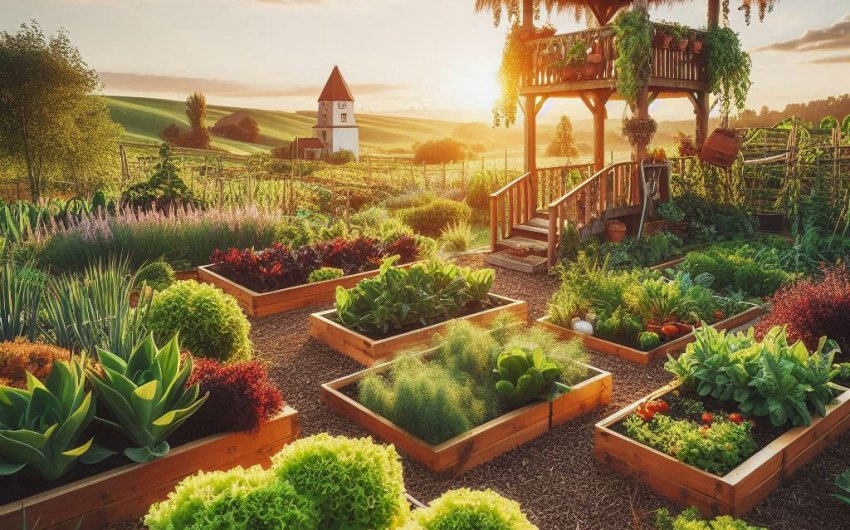
Cultivating your own fresh produce is a deeply satisfying endeavor, and learning how to grow vegetables organically in raised beds offers an efficient and environmentally friendly approach. This method simplifies gardening, making it accessible even in less-than-ideal soil conditions, while promoting healthier plants and bountiful harvests. By focusing on natural processes and avoiding synthetic chemicals, you can enjoy delicious, nutrient-rich vegetables straight from your backyard. This comprehensive guide will walk you through every step, from building your beds to harvesting your organic bounty.
Why choose raised beds for organic vegetable gardening?
Raised garden beds offer numerous advantages over traditional in-ground planting, especially when aiming for an organic vegetable garden. They provide a controlled environment that significantly enhances growing conditions.
What are the benefits of raised beds?
- Improved Soil Control: You get to choose and create your ideal soil mix, ensuring it’s rich in organic matter and has excellent drainage. This is crucial for organic growing as you build healthy soil from the ground up.
- Better Drainage: Raised beds naturally drain better than in-ground gardens, preventing waterlogged roots, which can lead to disease. This is particularly beneficial in areas with heavy clay soil.
- Warmer Soil Earlier: The soil in raised beds warms up faster in spring, allowing for earlier planting and an extended growing season. This can give your organic vegetables a head start.
- Reduced Weeds: Because you fill the beds with new, high-quality soil, you start with fewer weed seeds. The defined edges of the bed also make it easier to manage any weeds that do appear.
- Easier on Your Body: The elevated height of raised beds reduces the need for bending and kneeling, making gardening more comfortable, especially for those with physical limitations.
- Pest Control: The contained nature of raised beds can sometimes deter certain ground pests. You can also more easily add physical barriers if needed.
- Defined Growing Space: Raised beds create a neat, organized garden space, which can be aesthetically pleasing and easier to manage.
How do you select the best location for your raised beds?
Choosing the right spot for your raised beds is critical for the success of your organic vegetable garden. Sunlight is the most important factor.
What are the key factors for location?
- Sunlight: Most vegetables, especially fruiting ones like tomatoes, peppers, and squash, need at least 6-8 hours of direct sunlight per day. Leafy greens can tolerate a bit less. Observe your yard throughout the day to find the sunniest spot.
- Water Access: Position your beds near a convenient water source, like a hose bib or rain barrel. Dragging hoses long distances can be tedious, making consistent watering harder. Consider installing a drip irrigation system for efficiency.
- Level Ground: While not strictly necessary, a relatively level area is easier to build on and ensures even water distribution within the bed. If your chosen spot is sloped, you might need to level it with some excavation or by building one side of the bed slightly taller.
- Accessibility: Make sure you can easily access all sides of the raised bed for planting, weeding, and harvesting. Pathways between beds should be wide enough for a wheelbarrow.
What materials are best for building organic raised beds?
The choice of material for your raised beds is important for both durability and the safety of your organic vegetables. Avoid materials that could leach harmful chemicals into your soil.
What are common and safe materials?
- Untreated Wood: Cedar, redwood, and cypress are excellent choices because they are naturally rot-resistant and do not require chemical treatments. These are ideal for organic gardening. Pine can be used but will likely have a shorter lifespan. Avoid pressure-treated wood as it often contains chemicals that can leach into the soil.
- Pros: Natural, aesthetically pleasing, good insulation.
- Cons: Can be expensive, eventually rots.
- Stone or Concrete Blocks: These are very durable and long-lasting options.
- Pros: Extremely durable, good heat retention, no rot.
- Cons: Can be heavy to work with, expensive, harder to move.
- Recycled Plastic Lumber: This material is made from recycled plastics and is an increasingly popular choice.
- Pros: Very durable, rot-proof, often made from recycled materials, lightweight.
- Cons: Can be more expensive upfront, aesthetics might not appeal to everyone.
- Galvanized Metal: Corrugated galvanized steel panels designed for garden beds are becoming popular.
- Pros: Very durable, modern look, often lightweight.
- Cons: Can be more expensive, can heat up quickly in direct sun.
How tall should a raised bed be?
The ideal height depends on your preferences and the type of plants you're growing.
- 6-8 inches: Sufficient for most shallow-rooted crops and provides good drainage.
- 10-12 inches: A good all-around height that offers better drainage and less bending.
- 18-24 inches: Excellent for deep-rooted crops, significantly reduces bending, and can be ideal for accessible gardening.
You can purchase raised garden bed kits for easy assembly.
What kind of soil should you use for organic raised beds?
The soil in your raised bed is the foundation of your organic vegetable garden. Building rich, healthy soil is paramount for nutrient-dense produce. Do not just use topsoil from your yard.
What is the ideal organic soil mix?
A good organic soil mix for raised beds is usually a blend of different components to achieve the right balance of drainage, water retention, and nutrient content.
- Quality Raised Bed Mix: Start with a bulk purchase of a dedicated raised bed soil mix from a local nursery or garden supply center.
- Compost: This is the cornerstone of organic gardening. Add plenty of well-rotted compost (about 30-50% of your total mix). Compost enriches the soil with nutrients, improves soil structure, and promotes healthy microbial life. You can make your own with a compost bin.
- Topsoil: A good quality, loose topsoil can be 20-30% of your mix.
- Peat Moss or Coco Coir (optional): These can improve water retention and aeration. Peat moss is acidic, so consider your plants' pH needs. Coco coir is a more sustainable alternative.
- Perlite or Vermiculite (optional): For added aeration and drainage, especially in deeper beds. Perlite improves drainage, while vermiculite also retains moisture.
Layering technique (Hugelkultur adaptation)
For deeper beds, you can use a modified hugelkultur technique to fill the bottom. This method involves layering organic materials that will decompose over time, enriching the soil and reducing the need for purchased soil.
- Bottom Layer: Logs, branches, wood chips, and other coarse woody material. This helps with drainage and decomposition.
- Middle Layer: Brown leaves, straw, untreated cardboard (without tape or glossy prints), and other carbon-rich materials.
- Upper Layers: Inverted sod (if applicable), grass clippings, food scraps, and other nitrogen-rich materials.
- Top Layer: Your premium organic soil mix (as described above), at least 6-12 inches deep, where your plants will directly grow.
This layering creates a self-sustaining system that breaks down slowly, providing nutrients and improving soil structure over years.
What organic amendments should you add to your soil?
To ensure your organic vegetables get all the nutrients they need, you'll want to incorporate various natural amendments.
What are essential organic soil amendments?
- Compost: As mentioned, this is number one. Continuously add compost throughout the season and before planting each year.
- Worm Castings: These are a powerhouse of microbial activity and nutrients. Worm castings can be mixed into the soil or used as a top dressing.
- Organic Fertilizers:
- Bone Meal: Good for phosphorus, promoting root and flower development.
- Blood Meal: Provides nitrogen, good for leafy green growth.
- Alfalfa Meal: Offers a balanced nutrient boost and stimulates soil microbes.
- Kelp Meal: Contains trace minerals and growth hormones, beneficial for overall plant health.
- Rock Phosphate: A slow-release source of phosphorus.
- Greensand: Provides potassium and trace minerals.
- Cover Crops: In the off-season, planting organic cover crops like clover, vetch, or oats can improve soil structure, add organic matter, and fix nitrogen in the soil. Turn them into the soil before planting your vegetables.
Always follow package directions for organic fertilizers to avoid over-application, which can still harm plants.
How do you choose and plant organic vegetable seeds or starts?
Once your raised beds are ready, it's time to decide what to plant. Choosing the right organic vegetable seeds or starts is a key step.
What should you consider when choosing plants?
- Organic Certification: Look for seeds or seedlings specifically labeled as organic. This ensures they haven't been treated with synthetic chemicals or come from genetically modified (GMO) sources.
- Variety Selection: Choose varieties that are well-suited to your local climate and growing zone. Consider disease resistance, yield, and flavor.
- Sunlight Needs: Match the plant's light requirements to the amount of sun your raised bed receives.
- Space Requirements: Be mindful of how large plants will grow. Even in raised beds, good spacing is important for air circulation and plant health.
- Pest and Disease Resistance: Some varieties are naturally more resistant to common pests and diseases, which helps in an organic garden.
How to plant in raised beds?
- Prepare the Soil: Lightly loosen the top 6-8 inches of your soil mix.
- Water: Water the bed thoroughly a few hours before planting so the soil is moist but not soggy.
- Planting Seeds: Follow the specific depth and spacing instructions on your organic seed packets. Make small furrows or holes, drop in seeds, and gently cover.
- Planting Starts (Transplants): Dig a hole slightly larger than the root ball. Gently remove the plant from its container, loosening any circling roots. Place the plant in the hole, ensuring it's at the same depth as it was in its original container (tomatoes can be planted deeper). Backfill with soil and gently firm around the base.
- Water In: Water newly planted seeds or starts gently to settle the soil.
What are organic watering techniques for raised beds?
Proper watering is crucial for healthy vegetable growth, especially in raised beds which can dry out faster. Organic watering means being efficient and mindful.
How to water effectively?
- Deep and Infrequent: Aim for deep watering that encourages roots to grow down into the soil, making plants more resilient. Instead of light, daily sprinkles, water thoroughly until moisture drains from the bottom (if your bed has a permeable base) or until the top few inches feel saturated.
- Check Soil Moisture: Don't water on a schedule. Instead, check the soil moisture by sticking your finger 2-3 inches deep. If it feels dry, it's time to water. A soil moisture meter can also be helpful.
- Water at the Base: Direct water to the base of the plants, avoiding wetting the foliage. Wet leaves can encourage fungal diseases, especially in humid conditions.
- Morning Watering: The best time to water is in the morning. This allows the foliage to dry before nightfall, reducing the risk of fungal issues.
- Mulch: Applying a layer of organic mulch (like straw, shredded leaves, or wood chips) around your plants significantly reduces water evaporation, keeps soil temperatures more consistent, and suppresses weeds.
What watering methods are best for raised beds?
- Soaker Hoses/Drip Irrigation: These systems deliver water directly to the root zone slowly and efficiently, minimizing waste and preventing foliage wetness. A soaker hose kit is an excellent investment for raised bed gardening.
- Hand Watering: Use a watering can with a gentle rose attachment or a hose with a spray nozzle that delivers a gentle shower, not a harsh stream that can displace soil or damage seedlings.
How do you manage weeds and pests organically?
Weed and pest control are ongoing tasks in any garden, but in an organic vegetable garden, you rely on natural and preventative methods rather than synthetic chemicals.
What are organic weed control methods?
- Mulch: As mentioned, a 2-4 inch layer of organic mulch is your best friend. It blocks sunlight, preventing weed seeds from sprouting.
- Hand Weeding: The most direct and effective method. Weeding regularly when weeds are small is much easier than tackling large, established weeds.
- Close Planting: Plant your vegetables relatively close together (but still with adequate spacing for mature size) so their foliage forms a canopy that shades the soil, suppressing weeds. This is often called "intensive planting."
- Weed Fabric/Cardboard: Before adding soil, you can line the bottom of your raised bed with untreated cardboard or a breathable weed barrier fabric to prevent weeds from growing up from the ground below.
What are organic pest control strategies?
- Healthy Soil, Healthy Plants: The first line of defense. Strong, healthy plants grown in nutrient-rich soil are more resistant to pests and diseases.
- Companion Planting: Plant specific herbs or flowers near your vegetables that naturally deter pests or attract beneficial insects.
- Marigolds: Known to repel nematodes and other pests.
- Nasturtiums: Can act as a "trap crop," luring aphids away from your vegetables.
- Dill, Fennel, Cilantro: Attract beneficial insects like ladybugs and lacewings that prey on pests.
- Physical Barriers: Use row covers or netting to protect young plants from flying insects or larger pests like birds and rabbits.
- Hand-Picking: For larger pests like tomato hornworms or slugs, physically pick them off your plants and dispose of them. Do this early in the morning or late in the evening.
- Insecticidal Soap/Neem Oil: For more significant infestations, organic insecticidal soap or neem oil spray can be effective. Always follow product instructions carefully.
- Attract Beneficial Insects: Create a diverse garden environment with a variety of flowering plants to attract ladybugs, lacewings, parasitic wasps, and other natural predators of garden pests.
- Crop Rotation: Even in a raised bed, rotating where you plant certain vegetables each season can help break pest and disease cycles that build up in the soil.
How do you organically fertilize and maintain your raised bed throughout the season?
An organic vegetable garden thrives on continuous soil enrichment. Your plants will need ongoing nutrients to produce bountiful harvests.
What ongoing organic feeding methods should you use?
- Compost Tea: Brew your own compost tea (liquid fertilizer made by steeping compost in water) and use it to water your plants every few weeks. It provides a gentle nutrient boost and beneficial microbes.
- Side-Dressing with Compost: Periodically add a thin layer of compost around the base of your plants, especially heavy feeders like tomatoes, corn, and squash.
- Organic Granular Fertilizers: Apply a balanced organic granular fertilizer once a month or as needed, according to package directions. Scratch it into the top inch of soil and water well.
- Fish Emulsion/Liquid Seaweed: These are excellent liquid organic fertilizers that provide a quick boost of nutrients. Use a liquid seaweed fertilizer or fish emulsion as a foliar spray or soil drench.
What general maintenance is required?
- Pruning and Trellising: Provide support for vining plants like tomatoes, cucumbers, and pole beans using stakes, cages, or garden trellises. Prune plants as needed to improve air circulation and direct energy to fruit production.
- Succession Planting: For crops like lettuce, radishes, and bush beans, plant small batches every 2-3 weeks. This ensures a continuous harvest rather than one large flush.
- Thinning Seedlings: When direct sowing seeds, thin out crowded seedlings once they are a few inches tall. This gives the remaining plants enough space and resources to grow strong.
- Deadheading: For flowering herbs or vegetables grown for their leaves, deadheading (removing spent flowers) can redirect plant energy into foliage production instead of seed production.
How do you prepare your raised beds for the off-season?
Winterizing your raised beds is crucial for maintaining soil health and productivity for future organic vegetable harvests.
What steps should you take at the end of the season?
- Remove Spent Plants: Once plants are done producing, remove them from the beds. If they were healthy, you can compost them. If they showed signs of disease, discard them to prevent spreading pathogens.
- Add Organic Matter: Top dress your beds with a generous layer of organic compost (2-4 inches), shredded leaves, or well-rotted manure. This will break down over winter, enriching the soil.
- Plant Cover Crops (Optional): If your climate allows, plant a winter cover crop like winter rye or clover. These protect the soil from erosion, suppress weeds, and add organic matter and nitrogen when tilled in in spring.
- Protect the Soil: If you're not planting cover crops, consider covering the beds with a layer of straw, untreated cardboard, or a tarp to prevent weed growth and nutrient leaching over winter.
- Inspect Bed Structure: Check the integrity of your raised bed frames. Make any necessary repairs to ensure they are ready for the next planting season.
By committing to these organic principles and practices, you'll be well on your way to enjoying delicious, healthy produce from your very own organic raised bed vegetable garden.