
How to Manage a Garden During a Drought?
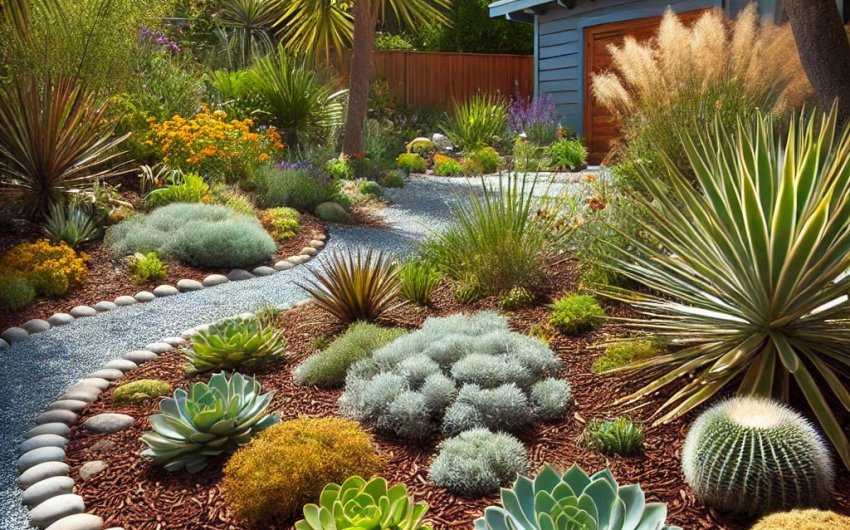
Learning how to manage a garden during a drought has become an increasingly vital skill for gardeners everywhere. As prolonged periods of low rainfall become more common, adapting your gardening practices isn't just about saving water; it's about ensuring your beloved plants survive and thrive under challenging conditions. This comprehensive guide will walk you through essential strategies, from thoughtful planning and soil preparation to efficient watering techniques and plant selection, empowering you to maintain a vibrant garden even when water is scarce.
Why is Drought Management Crucial for Gardeners?
Drought management is no longer just a concern for gardeners in traditionally arid regions. Climate patterns are shifting, bringing more frequent and severe dry spells to areas that once enjoyed ample rainfall. Adapting your gardening practices to conserve water and build plant resilience is crucial for several reasons.
Protecting Your Investment
- Saving Plants: A garden represents a significant investment of time, money, and effort. During a drought, plants can quickly become stressed, leading to wilting, stunted growth, and even death. Effective drought management aims to keep your plants alive and healthy, protecting that investment.
- Maintaining Productivity: For vegetable gardens, drought can drastically reduce yields. Proper water conservation ensures that food crops continue to produce, albeit sometimes at a reduced rate.
Conserving a Precious Resource
- Environmental Responsibility: Water is a finite and increasingly precious resource. By implementing water-wise gardening practices, you contribute to broader environmental conservation efforts, reducing strain on local water supplies.
- Responding to Restrictions: Many municipalities impose water restrictions during droughts. Knowing how to operate your garden efficiently allows you to comply with these restrictions while still maintaining your green space.
Building Garden Resilience
- Adapting to Climate Change: Proactive drought management builds long-term resilience in your garden, preparing it for future dry periods and making it more adaptable to changing climate conditions.
- Healthier Plants: Many water-saving techniques, such as improving soil health, actually lead to healthier, more robust plants that are better able to withstand all kinds of environmental stresses, not just lack of water.
In essence, drought management is about creating a sustainable and resilient garden that can weather environmental challenges, allowing you to continue enjoying the beauty and bounty of your plants even when nature doesn't provide abundant rainfall.
How Can I Prepare My Garden Before a Drought Hits?
Proactive preparation is the most effective way to manage a garden during a drought. Many key strategies should be implemented long before the dry spell begins, ideally as part of your regular garden planning.
Improve Soil Health and Water Retention
The single most impactful preparation you can make is to enhance your soil's ability to hold water.
- Incorporate Organic Matter: Regularly amend your soil with generous amounts of organic matter, such as compost, well-rotted manure, or leaf mold.
- Benefits: Organic matter acts like a sponge, significantly increasing the soil's water-holding capacity. It also improves soil structure, promoting better drainage in wet conditions and better water retention in dry conditions.
- Application: Dig in a 2-4 inch layer of compost annually, or as often as possible. For perennial beds, top-dress with compost. A compost tumbler can make producing your own compost easier.
- Avoid Compaction: Compacted soil sheds water rather than absorbing it.
- Pathways: Create dedicated pathways in your garden beds to avoid walking on the soil where plants are growing.
- Aeration: For lawns or compacted beds, consider aerating annually.
Choose Drought-Tolerant Plants
"Right plant, right place" is never more true than during a drought.
- Native Plants: Prioritize planting native plants that are naturally adapted to your local climate and rainfall patterns. They typically require less supplemental watering once established.
- Xeriscaping Principles: Incorporate xeriscaping principles, which focus on landscaping with drought-tolerant plants.
- Research Plant Needs: Before purchasing, research a plant's water requirements. Look for labels like "low water," "drought-tolerant," or "xeriscape."
- Examples:
- Perennials: Lavender, Sedum, Coneflower, Russian Sage, Yarrow.
- Shrubs: Manzanita, Ceanothus, Rosemary, Oleander (in appropriate zones).
- Trees: Many native oaks, desert willow.
- Succulents and Cacti: Naturally designed for arid conditions.
- Establishment Period: Even drought-tolerant plants need regular watering during their first year or two to establish a strong root system. Plan new plantings for cooler, wetter seasons (fall or spring) rather than peak summer drought.
Install Efficient Irrigation Systems
- Drip Irrigation and Soaker Hoses: These systems deliver water directly to the plant's root zone, minimizing evaporation and runoff. They are vastly more efficient than overhead sprinklers.
- Benefits: Reduce water waste by up to 50%, prevent fungal diseases (by keeping foliage dry), and deliver water slowly for better absorption.
- Setup: Consider a drip irrigation kit for vegetable beds or new plantings.
- Timers: Use a smart irrigation timer to automate watering schedules and ensure plants get consistent moisture. Some smart timers can even adjust based on local weather forecasts.
Create Shaded Areas
- Temporary Shade Cloth: For young or vulnerable plants, plan to use shade cloth during intense summer heat and drought. This reduces water stress by lowering temperatures and slowing evaporation. Shade cloth clips can help secure it.
- Strategic Planting: Consider the mature size of trees and shrubs when planting. A well-placed tree can provide beneficial shade to understory plants as it grows.
By taking these proactive steps, you'll build a garden that is inherently more resilient and better equipped to handle periods of water scarcity, reducing the stress on both your plants and your water bill.
What Are the Best Watering Practices During a Drought?
When a drought is underway, every drop of water counts. Adapting your watering techniques to maximize efficiency and minimize waste is paramount to keeping your garden alive.
Water Deeply and Infrequently
This is the golden rule of drought watering.
- Deep Watering: Water slowly and thoroughly, allowing the water to penetrate deep into the soil (at least 6-12 inches, depending on the plant). This encourages deep root growth, making plants more resilient to dry spells as their roots can access moisture from deeper in the soil.
- Infrequent Watering: Allow the top few inches of soil to dry out completely between waterings. This trains plants to seek water deeper down and prevents surface evaporation.
- How to Check: Stick your finger into the soil. If it feels dry down to 2-3 inches for annuals/vegetables or 4-6 inches for established perennials/shrubs, it's time to water again.
Water at the Right Time of Day
- Early Morning: The absolute best time to water. Temperatures are cooler, winds are typically calmer, and evaporation is minimal. This allows the water to soak into the soil before the sun's heat causes it to evaporate.
- Late Evening: Can be a second-best option, but be cautious. Watering too late can leave foliage wet overnight, increasing the risk of fungal diseases.
- Avoid Midday: Never water during the hottest part of the day (mid-morning to late afternoon). Most of the water will simply evaporate before it can reach the roots.
Prioritize Your Plants
During severe droughts or with water restrictions, you may not be able to water everything. Prioritize based on importance and water needs.
- High Priority: New plantings (first year), edibles (vegetables, fruit trees), and valuable established trees and shrubs.
- Medium Priority: Established perennials, medium-value shrubs.
- Low Priority: Established, drought-tolerant plants (they can handle it), and lawns (if necessary, let them go dormant or sacrifice them to save other plants).
Utilize Targeted Watering Methods
- Drip Irrigation and Soaker Hoses: As mentioned in preparation, these are invaluable during drought. They deliver water slowly and directly to the root zone with minimal loss.
- Hand Watering with Care: If hand watering, use a slow trickle from a hose or a watering can. Direct the water to the base of the plant, allowing it to soak in rather than running off. Avoid overhead sprinkling, which wastes water through evaporation and can promote disease. A watering wand with multiple spray patterns can help direct flow.
- Tree Watering Bags: For newly planted or struggling trees, tree watering bags can slowly release water over several hours, ensuring deep penetration with little waste. Tree watering bags are great for efficiency.
- DIY Water Catchment: Place buckets or basins under downspouts during any infrequent rain to collect extra water for hand watering.
Monitor and Adjust
- Observe Your Plants: Pay close attention to your plants. Wilting leaves, drooping stems, or a dull appearance are signs of water stress.
- Check Soil Moisture: Don't just water on a schedule. Feel the soil. Adjust your frequency based on current weather, plant type, and how quickly the soil is drying out.
- Know Your Water Restrictions: Stay informed about local drought declarations and water restrictions, and comply with them.
By adopting these smart watering practices, you can significantly extend your limited water supply and keep your garden thriving even through prolonged dry spells.
How Can Mulching Help My Garden During a Drought?
Mulching is one of the simplest, most effective, and often overlooked strategies for drought management in the garden. Applying a layer of mulch provides numerous benefits that directly conserve moisture and improve plant health.
Preventing Water Loss from Evaporation
- The Protective Blanket: Mulch acts as a physical barrier between the sun and the soil. The sun's rays, when directly hitting bare soil, cause rapid evaporation of moisture. A layer of mulch significantly reduces this evaporation, keeping the soil cooler and moister for longer.
- Estimates: Studies show that a good layer of mulch can reduce water loss from evaporation by 30-50% or even more.
Regulating Soil Temperature
- Cooler Soil in Summer: In summer, mulch insulates the soil, keeping it cooler. This is vital because high soil temperatures can stress plant roots and lead to increased water needs.
- Warmer Soil in Winter: Conversely, in winter, mulch helps moderate soil temperatures, providing insulation against extreme cold and preventing frost heave.
Suppressing Weeds
- Weed Competition: Weeds compete directly with your desirable plants for water and nutrients. A thick layer of mulch effectively suppresses weed growth by blocking sunlight from reaching weed seeds.
- Reduced Water Usage by Weeds: Fewer weeds mean less water is lost to unwanted vegetation, directing more precious moisture to your cultivated plants.
Improving Soil Health Over Time
- Organic Mulch Decomposition: As organic mulches (like wood chips or compost) slowly decompose, they add valuable organic matter to the soil. As discussed, organic matter improves soil structure, aeration, and its water-holding capacity, creating a healthier environment for roots.
- Attracting Beneficial Organisms: Decomposition also encourages beneficial soil microorganisms and earthworms, which further improve soil structure.
Types of Mulch for Drought Management
- Organic Mulches (Preferred for most garden beds): These eventually break down and enrich the soil.
- Wood Chips: Long-lasting and effective. Look for aged wood chips if possible. Organic cedar mulch is a good choice.
- Shredded Leaves: Free and abundant in fall. Shred them to prevent matting and improve decomposition.
- Straw: Excellent for vegetable gardens, very light and easy to apply. Ensure it's weed-free straw to avoid introducing new weed seeds.
- Compost: While excellent for soil amendment, a pure compost layer on top can dry out quickly. Best used as part of a deeper mulch layer or mixed in.
- Inorganic Mulches (For specific uses): Do not break down, but provide excellent weed suppression and temperature regulation.
- Gravel/Pebbles: Ideal for succulent and cactus gardens, or areas where you want a more permanent, decorative mulch. Can get hot in direct sun.
- River Rock: Similar to gravel, often larger and rounder.
How to Apply Mulch
- Timing: Apply mulch after plants are established and the soil has warmed. In perennial beds, refresh annually or every other year.
- Depth: Apply a layer 2-4 inches deep for most organic mulches. Avoid piling mulch directly against plant stems or tree trunks, as this can lead to rot and disease. Create a doughnut shape around the base of plants.
- Water Before Mulching: Always water the soil thoroughly before applying mulch. The mulch will then help lock in that moisture.
By embracing mulching as a standard practice, you'll significantly enhance your garden's resilience to drought, creating a healthier, more water-efficient growing environment.
What Other Strategies Can Help My Garden Survive a Drought?
Beyond core practices like efficient watering and mulching, several other smart strategies can further help your garden survive and even thrive during a drought.
Strategic Pruning
- Reduce Water Demands: During a severe drought, consider selectively pruning some of your non-essential plants (ornamentals, not edibles) to reduce the overall leaf surface area. Fewer leaves mean less water lost through transpiration.
- Remove Diseased/Stressed Parts: Prune away any diseased, damaged, or severely stressed branches or foliage. These parts are already weakened and drain resources from the plant.
- Avoid Heavy Pruning: Don't do heavy pruning during a drought, as this can shock the plant and encourage new, tender growth that is vulnerable to water stress. Focus on light, strategic thinning.
Grouping Plants by Water Needs (Hydrozoning)
- Efficient Watering Zones: When planning or rethinking your garden layout, group plants with similar water requirements together. This practice, known as hydrozoning, allows you to deliver the right amount of water to each area without over- or under-watering.
- High Water Zone: Area for water-loving plants (e.g., some annuals, lush vegetables).
- Moderate Water Zone: Area for most perennials and shrubs.
- Low Water Zone: Area for drought-tolerant natives, succulents, cacti.
- Tailored Irrigation: This enables you to set up separate irrigation zones (e.g., with drip lines) that deliver different amounts of water, minimizing waste.
Consider Temporary Shade
- Protection from Intense Sun: During prolonged hot and dry periods, young plants, sensitive ornamentals, or even struggling edibles can benefit from temporary shade.
- Shade Cloth: Erect a simple frame and drape shade cloth (usually 30-50% shade factor) over vulnerable plants during the hottest part of the day. This reduces light intensity, lowers temperatures, and significantly reduces water stress. Shade cloth clips make installation easy.
- Relocate Potted Plants: Move container plants to a shadier location or group them together to create a self-shading effect.
Reduce Fertilization During Drought
- Slow Growth: Fertilizers, especially high-nitrogen ones, encourage lush, new growth. During a drought, this new growth is very susceptible to heat and water stress.
- Nutrient Imbalance: Plants under water stress can't efficiently absorb nutrients, leading to wasted fertilizer and potential nutrient burn.
- Solution: Avoid fertilizing your garden during an active drought. Resume light fertilization only once regular rainfall returns or the drought breaks.
Harvest More Frequently
- For Edibles: For vegetable gardens, harvest crops frequently. Allowing vegetables to fully mature or go to seed puts additional stress on the plant, as it dedicates energy to reproduction rather than survival. Regular harvesting signals the plant to keep producing.
Utilize Rainwater Harvesting
- Collect and Store: If your area receives any rainfall, even infrequent showers, collect it! Install a rain barrel or multiple barrels connected to your downspouts. This provides a supply of chemical-free, untreated water for your garden, reducing reliance on municipal supplies. A rain barrel kit can be a great investment.
- Greywater Systems (Advanced): For very advanced drought management, consider installing a simple greywater system to redirect used water from sinks (without harsh chemicals) or washing machines to your garden. Always research local regulations and safety guidelines before installing such a system.
By combining these diverse strategies with proactive planning and efficient watering, you'll empower your garden to successfully navigate periods of drought, ensuring its vitality and beauty even when faced with water scarcity. Learning how to manage a garden during a drought is an evolving skill, but by implementing proactive planning, prioritizing water-efficient practices, choosing appropriate plants, and maintaining diligent care, you can build a resilient and beautiful garden that withstands dry spells and thrives for years to come.