
Best Flowers for Summer Container Gardening
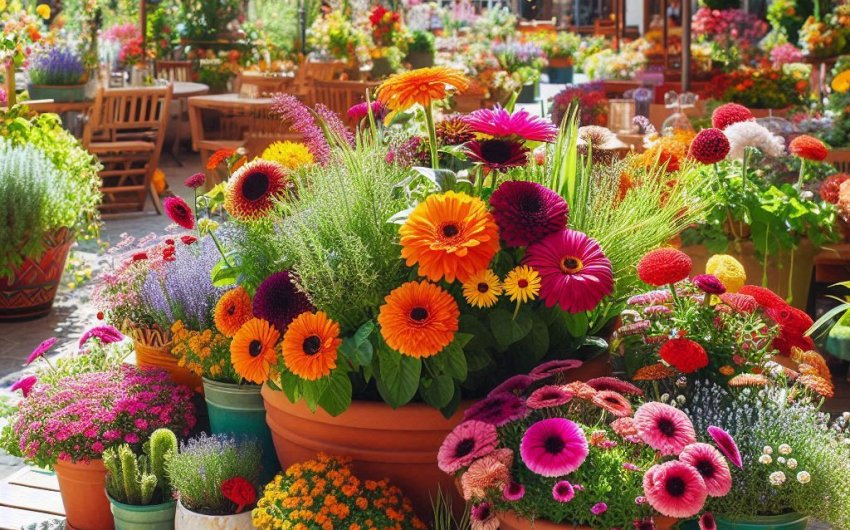
Creating stunning floral displays that endure the heat of the season is a hallmark of successful patio and balcony gardening. Selecting the best flowers for summer container gardening is crucial for vibrant, continuous blooms that withstand warm temperatures and bright sun. This guide will explore a plethora of beautiful and resilient annuals and perennials perfectly suited to thrive in pots throughout the hottest months, transforming any outdoor space into a colorful oasis.
Why Choose Container Gardening for Summer Flowers?
Container gardening offers unparalleled flexibility and convenience, making it an excellent choice for showcasing vibrant summer flowers. It's a versatile method that suits various living situations, from expansive patios to compact balconies, allowing anyone to enjoy a burst of seasonal color. The ability to control growing conditions precisely and move plants as needed makes it particularly appealing for summer's sometimes intense demands.
What are the Benefits of Container Gardening?
Beyond simple aesthetics, container gardening provides several practical advantages for growing flowers, especially during the summer.
- Flexibility and Mobility: Pots can be moved to chase the sun, provide shade during extreme heat, or rearrange for different visual effects. This is ideal for renters or those with limited in-ground space. A wheeled plant caddy makes moving heavy pots much easier.
- Control Over Soil: You can create the perfect potting mix tailored to specific plant needs, unlike challenging native garden soil. This is especially beneficial for plants that require excellent drainage or specific pH levels.
- Pest and Disease Management: Containers can help isolate plants, making it easier to spot and manage pests or diseases before they spread. You can also elevate plants to deter ground-dwelling pests.
- Better Drainage: Most containers have drainage holes, preventing waterlogging, a common issue in heavy garden soils that can lead to root rot.
- Accessibility: Raised containers or elevated planters can make gardening more accessible for individuals with mobility challenges. A raised garden planter box is perfect for this.
- Aesthetic Impact: Containers add architectural interest and can define spaces on a patio or deck. You can choose pots that complement your outdoor decor.
- Extend Growing Season: In some climates, container plants can be moved indoors or to protected areas to extend their lifespan beyond the first frost.
What are the Challenges of Summer Container Gardening?
While convenient, container gardening in summer does present specific challenges due to heat and confined space.
- Frequent Watering: Containers dry out much faster than in-ground beds, especially in hot, sunny conditions. Daily, or even twice-daily, watering might be necessary. A self-watering planter can help reduce watering frequency.
- Nutrient Depletion: With frequent watering, nutrients can leach out of the potting mix quickly. Regular fertilization is essential.
- Temperature Fluctuations: The soil in containers heats up and cools down faster than in the ground, potentially stressing plant roots. Dark-colored pots absorb more heat.
- Limited Root Space: Plants can become root-bound if the container is too small, hindering growth and flowering.
- Overheating Roots: In intense heat, black or dark-colored containers can absorb too much solar radiation, cooking the roots. Choosing lighter-colored pots or providing shade for the pots themselves can help.
Which Flowers Thrive in Full Sun Containers?
For patios and balconies that bask in direct sunlight for six or more hours daily, selecting heat-loving, sun-worshipping flowers is paramount. These resilient blooms are designed to flourish under intense light and warm temperatures, providing continuous color even during the hottest days of summer.
- Petunia (Petunia x hybrida): A classic and indispensable choice for containers. Modern varieties are incredibly robust.
- Colors: Virtually every color imaginable, including bi-colors and striped patterns.
- Types: 'Wave' and 'Supertunia' varieties are known for their vigorous, trailing habit, perfect for spilling over the edges of pots and hanging baskets.
- Care Tips: Full sun, regular watering, and consistent feeding with a liquid fertilizer for flowering plants for continuous blooms. Deadhead older varieties to encourage new flowers.
- Calibrachoa (Calibrachoa hybrid - 'Million Bells'): Resembles miniature petunias, but is even more heat-tolerant and typically self-cleaning (no deadheading needed).
- Colors: Wide range, from bright yellow and orange to deep purple and pink.
- Growth Habit: Trailing, excellent for hanging baskets and spilling over containers.
- Care Tips: Full sun, well-draining soil, regular watering. Benefits from consistent feeding. 'Superbells' are a popular series.
- Lantana (Lantana camara): A tough, drought-tolerant, and vibrant choice that attracts butterflies.
- Colors: Clusters of small flowers in shades of yellow, orange, red, pink, and purple, often changing color as they mature.
- Growth Habit: Mounding to trailing, can get quite large.
- Care Tips: Full sun, tolerates heat and dry conditions once established. Can be pruned to maintain shape. A great choice for a large patio pot.
- Portulaca (Portulaca grandiflora - Moss Rose): A succulent-like annual that thrives in extreme heat and dry soil.
- Colors: Bright, vivid colors including pink, red, orange, yellow, and white.
- Growth Habit: Low-growing, spreading, and trailing.
- Care Tips: Full, scorching sun, very low water needs. Flowers open only on sunny days. Perfect for shallow containers.
- Vinca (Catharanthus roseus - Periwinkle): Not to be confused with the groundcover Vinca minor, this annual Vinca is a fantastic performer in hot, sunny conditions.
- Colors: White, pink, purple, red, and various shades of rose, often with a contrasting eye.
- Growth Habit: Upright, bushy, and mounding.
- Care Tips: Full sun, tolerates heat and humidity well. Avoid overwatering. A resilient choice for flower pots.
- Zinnia (Zinnia elegans): Cheerful, easy-to-grow annuals that provide continuous blooms and attract pollinators.
- Colors: Almost every color except true blue.
- Sizes: From dwarf varieties (6 inches) to tall types (3 feet). Dwarf 'Profusion' and 'Zahara' series are excellent for containers.
- Care Tips: Full sun, well-drained soil. Deadhead to encourage more blooms. Responds well to heat.
- Gomphrena (Gomphrena globosa - Globe Amaranth): Unique, clover-like flowers that are incredibly heat and drought tolerant.
- Colors: Shades of purple, pink, white, and red.
- Growth Habit: Upright, bushy. Great as a "filler" in arrangements.
- Care Tips: Full sun, moderate water. Excellent for cutting and drying.
- Purslane (Portulaca oleracea): Closely related to Portulaca grandiflora, with larger, often glossier leaves and equally vibrant, sunny blooms.
- Colors: Bright yellows, oranges, reds, and fuchsias.
- Growth Habit: Spreading and trailing, ideal for hanging baskets and spilling over edges.
- Care Tips: Thrives in heat and dry conditions, full sun.
- Gaillardia (Gaillardia pulchella - Blanket Flower): A cheerful, daisy-like flower that tolerates heat and drier conditions.
- Colors: Often fiery shades of red, orange, and yellow, often with bicolored petals.
- Growth Habit: Mounding, bushy.
- Care Tips: Full sun, well-drained soil. A favorite of butterflies.
- Scaevola (Scaevola aemula - Fan Flower): Unique fan-shaped flowers that trail beautifully.
- Colors: Blue, white, and pink varieties.
- Growth Habit: Spreading, trailing.
- Care Tips: Full sun, relatively drought-tolerant once established. Continuous bloomer.
- Dahlia (Dahlia spp. - dwarf varieties): While many dahlias are tall, dwarf and bedding dahlias are perfect for containers, offering stunning blooms.
- Colors: Incredible range of colors and forms.
- Growth Habit: Bushy, compact for container types.
- Care Tips: Full sun, consistent moisture, and regular feeding for prolific blooms.
Which Flowers are Best for Partial Shade Containers?
For areas that receive 3-6 hours of sun daily, often morning sun or dappled light, a different set of flowers will excel. These plants prefer a break from the most intense afternoon heat but still need adequate light to produce abundant blooms.
- Impatiens (New Guinea Impatiens - Impatiens hawkeri): A fantastic choice for colorful impact in shadier spots, offering larger flowers than traditional impatiens.
- Colors: Wide range of vibrant colors including pink, red, orange, white, and purple, often with variegated foliage.
- Growth Habit: Upright, bushy.
- Care Tips: Partial shade (avoid direct afternoon sun), consistent moisture, regular feeding. Traditional Impatiens walleriana are good for deeper shade, but New Guineas are more robust.
- Begonia (Begonia x semperflorens-cultorum - Wax Begonia or Begonia x hiemalis - Rieger Begonia): Diverse genus with many varieties suited for containers in partial shade.
- Colors: Flowers in white, pink, red, orange, and yellow. Foliage can be green, bronze, or variegated.
- Growth Habit: Mounding, upright, or trailing depending on variety.
- Care Tips: Partial shade, consistent moisture (but avoid soggy soil). Rieger Begonias are particularly known for their profuse, long-lasting blooms. A tuberous begonia can offer spectacular blooms.
- Fuchsia (Fuchsia hybrida): Known for its elegant, dangling, bell-shaped flowers.
- Colors: Often bi-colored in shades of pink, purple, red, and white.
- Growth Habit: Trailing or upright. Excellent for hanging baskets.
- Care Tips: Partial to full shade (protect from hot afternoon sun), consistent moisture, high humidity, and regular feeding. Deadhead for continuous blooms. A fuchsia hanging basket creates a dramatic display.
- Lobelia (Lobelia erinus): Delicate, profuse blooms that create a soft, airy look.
- Colors: Shades of blue, purple, white, and pink. Blue is particularly popular.
- Growth Habit: Trailing, excellent for softening container edges.
- Care Tips: Partial shade (can tolerate morning sun), consistent moisture, benefits from a mid-summer trim to encourage new blooms.
- Bacopa (Sutera cordata): Tiny, delicate flowers that produce a waterfall of blooms.
- Colors: White, pink, and blue.
- Growth Habit: Vigorous trailing, perfect for spilling.
- Care Tips: Partial shade, consistent moisture. Self-cleaning.
- Torenia (Torenia fournieri - Wishbone Flower): Charming, trumpet-shaped flowers with unique markings.
- Colors: Shades of blue, purple, pink, and white, often with a yellow throat.
- Growth Habit: Mounding, slightly trailing.
- Care Tips: Partial shade, consistent moisture. Tolerates humidity well.
- Caladium (Caladium bicolor): While not flowering profusely, its stunning, colorful foliage provides continuous interest in shade.
- Colors: Leaves are splashed, streaked, or marbled with shades of white, pink, red, and green.
- Growth Habit: Upright, bushy.
- Care Tips: Partial to full shade, consistent moisture, warmth. Grow from caladium bulbs.
- Coleus (Coleus scutellarioides): Primarily grown for its incredibly vibrant, patterned foliage rather than flowers.
- Colors: An astonishing array of leaf colors including green, red, purple, yellow, orange, and black, often with multiple colors on one leaf.
- Growth Habit: Upright, mounding, or trailing depending on variety.
- Care Tips: Partial shade (some varieties tolerate more sun), consistent moisture. Pinch back flowers to encourage more foliage growth. A coleus plant offers season-long color.
How Do You Design Eye-Catching Container Combinations?
Creating truly memorable summer container garden displays involves more than just picking individual plants; it's about combining them harmoniously to create a cohesive and dynamic arrangement. The "Thriller, Filler, Spiller" method is a popular and effective approach.
The "Thriller, Filler, Spiller" Method
This popular design principle ensures a balanced and visually appealing container, mimicking the layered look of an in-ground garden.
- Thriller: The focal point of the container. It's typically a tall, upright plant that adds height and drama.
- Examples for Summer: Tall ornamental grasses, Cannas (dwarf varieties), upright Fuchsias, Zinnia 'State Fair' series, Elephant Ears (for foliage). A cannas lily plant provides tropical flair.
- Filler: These plants are medium-height and bushy, filling out the middle of the container, providing volume and continuous color.
- Examples for Summer: Bushy Petunias, Vinca, dwarf Zinnias, Marigolds, Begonias, Coleus (for foliage).
- Spiller: Trailing or cascading plants that tumble over the edges of the container, softening the look and adding movement.
- Examples for Summer: Trailing Petunias ('Wave' varieties), Calibrachoa, Lobelia, Bacopa, Sweet Potato Vine (for foliage), Purslane. A sweet potato vine plant offers a cascade of colorful leaves.
Principles of Container Design
Beyond "Thriller, Filler, Spiller," consider other design elements for a polished look.
- Color Harmony:
- Monochromatic: Using different shades of the same color (e.g., various blues and purples).
- Complementary: Using colors opposite each other on the color wheel (e.g., purple and yellow) for high contrast.
- Analogous: Using colors next to each other on the color wheel (e.g., yellow, orange, red) for a soothing blend.
- Texture Contrast: Combine plants with different leaf shapes and sizes (e.g., broad hosta leaves with delicate fern fronds, or fine-textured grasses with large-flowered blooms).
- Form and Shape: Mix upright, mounding, and trailing forms to create dynamic visual interest.
- Scale: Ensure the plants are appropriately sized for the container. Don't overcrowd small pots, and ensure large pots have plants that can fill them out.
- Repetition: Use the same plants or color schemes in multiple containers to create a sense of cohesion throughout your outdoor space.
- Fragrance: Incorporate fragrant plants like Heliotrope or certain Petunias near seating areas for an added sensory experience.
What Are the Key Care Tips for Summer Container Flowers?
Maintaining the health and vibrancy of your summer container garden through the heat of the season requires attentive and consistent care. From watering strategies to nutrient management, a few key practices will ensure your flowers continue to perform beautifully.
Watering Routines for Containers
Containers dry out much faster than in-ground beds, making watering the most critical daily task during summer.
- Check Daily (or Twice Daily): In peak summer heat, most containers will need watering every day, sometimes even twice a day. Don't wait until plants wilt. Stick your finger 1-2 inches into the soil; if it feels dry, it's time to water.
- Water Until it Drains: Water thoroughly until you see water draining from the bottom holes. This ensures the entire root ball is saturated.
- Avoid Overhead Watering in Evening: Water at the base of the plant if possible, and avoid watering leaves in the evening, as wet foliage overnight can encourage fungal diseases.
- Consider Self-Watering Pots: For busy gardeners or those with very thirsty plants, self-watering planters have a reservoir that reduces watering frequency.
- Moisture-Retentive Potting Mix: Use a high-quality potting mix that contains ingredients like coco coir or peat moss, which help retain moisture. You can also add water-absorbing crystals (use sparingly and according to directions) for extra water retention.
Fertilization for Continuous Blooms
With frequent watering, nutrients leach out of containers rapidly. Regular feeding is essential for continuous summer flowering.
- Slow-Release Granular Fertilizer: Incorporate a slow-release granular fertilizer into the potting mix at planting time. This provides a steady supply of nutrients for several weeks or months.
- Liquid Feeders: Supplement with a liquid plant food for flowers every 1-2 weeks. Dilute according to package directions. This provides an immediate nutrient boost.
- High-Phosphorus Formula: Look for fertilizers with a higher middle number (Phosphorus, P) to promote flowering.
- Reduce Feeding in Extreme Heat: In periods of extreme, prolonged heat (above 90°F / 32°C), reduce or temporarily halt feeding, as plants are often under stress and not actively growing.
Deadheading and Pruning
These practices encourage more blooms and maintain a tidy appearance.
- Deadheading: The process of removing spent or faded flowers. This prevents the plant from putting energy into seed production and redirects it to producing more blooms. Many modern varieties of Petunias and Calibrachoa are "self-cleaning" and don't require deadheading, but check your plant's specific needs. For plants that do need it (e.g., Marigolds, Zinnias), pinch or snip off the faded flower head just above the first set of healthy leaves or a new bud.
- Light Pruning/Pinching: For bushy plants or those becoming leggy, lightly pinch back the growing tips or give a light trim. This encourages bushier growth and more flower production.
- Mid-Season Refresh: If containers are looking tired by mid-summer, a more aggressive trim (cutting back by up to one-third) along with a fresh dose of fertilizer can often rejuvenate plants and lead to a new flush of blooms.
Pest and Disease Management
Keep an eye out for common container garden pests and diseases.
- Inspect Regularly: Routinely check the tops and undersides of leaves for any signs of pests (aphids, spider mites, whiteflies) or disease (powdery mildew, leaf spots).
- Hose Off Pests: A strong spray of water from a garden hose nozzle can often dislodge soft-bodied pests.
- Insecticidal Soap: For more persistent infestations, use an organic insecticidal soap, following label directions.
- Good Airflow: Ensure adequate spacing between plants and containers to promote good air circulation, which helps prevent fungal diseases.
- Container Cleanliness: Clean out old potting mix and scrub containers before replanting to prevent disease carryover.
Container Choice and Placement
The type and location of your containers can also impact care.
- Material Matters:
- Terracotta/Clay: Porous, dries out quickly, ideal for plants that prefer drier conditions. Requires more frequent watering.
- Plastic/Glazed Ceramic: Less porous, retains moisture longer. Good for most general container plants.
- Fabric Grow Bags: Offer excellent aeration and drainage, preventing roots from circling. A fabric grow bag for plants is a versatile choice.
- Size: Choose a container large enough for the mature size of your plants and combination. Larger pots dry out slower and provide more stable root temperatures.
- Drainage Holes: Always ensure containers have adequate drainage holes to prevent soggy soil.
- Elevate: Use pot feet to elevate pots slightly, improving drainage and preventing staining on surfaces.
By selecting heat-tolerant, sun-loving varieties for exposed areas and graceful shade-dwellers for protected spots, you empower your patio, balcony, or porch to become a vibrant canvas. With the right care and creative combinations, your choices for the best flowers for summer container gardening will ensure a captivating display that lasts through the warmest months.