
Black Vine Weevil: The Root-Feeding Pest You Need to Know
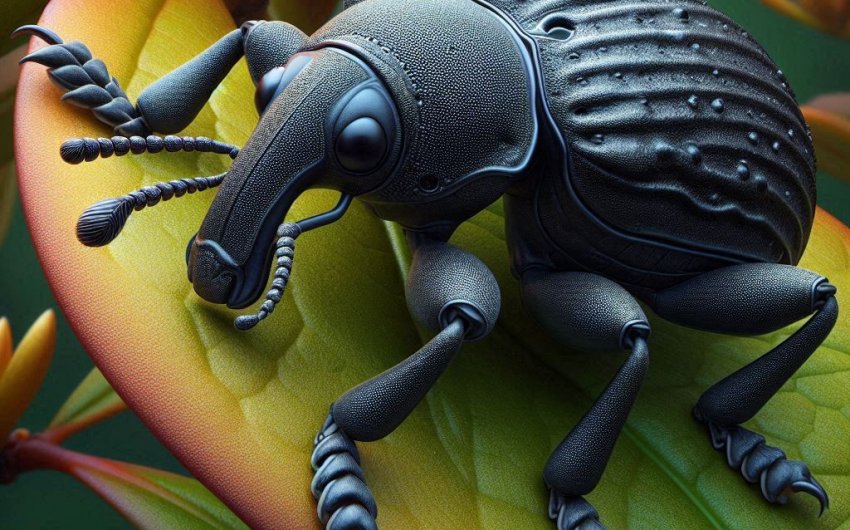
The black vine weevil, also known as Otiorhynchus sulcatus, is a notorious garden pest that wreaks havoc on various plants by feeding on their roots and foliage. Understanding the lifecycle, damage, and management of the black vine weevil is essential for gardeners and landscapers who want to protect their plants from this destructive insect.
In this article, we'll delve into what makes the black vine weevil such a troublesome pest, how to identify it, the damage it can cause, and most importantly, effective ways to manage and control its presence in your garden.
What is the Black Vine Weevil?
The black vine weevil is a type of beetle belonging to the weevil family, Curculionidae. It is native to Europe but has spread to North America, where it is considered an invasive pest. The adult weevil is around 10 mm long, with a distinctive black or dark brown body covered in tiny yellowish hairs. It is characterized by its short, broad snout and elbowed antennae. Despite having wings, the adult weevil is unable to fly, relying instead on walking to reach its host plants.
The black vine weevil primarily targets ornamental plants, fruit crops, and various woody shrubs. It can infest a range of hosts, including rhododendrons, yews, azaleas, strawberries, and even houseplants, feeding on their leaves and roots.
Lifecycle of the Black Vine Weevil
Understanding the lifecycle of the black vine weevil is crucial for effective management. The weevil goes through four main stages: egg, larva, pupa, and adult.
Egg Stage: The adult female weevil lays eggs in the soil near the base of host plants, usually in late summer or early fall. She can lay up to 200 eggs in her lifetime. The eggs are small and white, initially appearing round but turning brown before hatching.
AdvertisementLarval Stage: The larvae are the most damaging stage of the weevil's lifecycle. These C-shaped, legless grubs are cream-colored with brown heads. The larvae feed on the roots of plants, causing significant damage that can lead to plant death. They go through several molts before entering the pupal stage in the spring.
Pupal Stage: After feeding, the larvae form pupae in the soil, where they transform into adults. This stage typically lasts for a few weeks, with the adult weevils emerging in late spring or early summer.
Adult Stage: Adult black vine weevils are nocturnal feeders, consuming plant leaves and causing characteristic notching on the edges. Although this foliar damage is unsightly, it is the root-feeding behavior of the larvae that poses the greatest threat to plant health.
Identifying Black Vine Weevil Damage
Black vine weevils cause two types of damage to plants: foliar damage from adult weevils and root damage from larvae. Recognizing these signs can help gardeners take prompt action.
Foliar Damage
Adult weevils feed on the edges of leaves, resulting in distinct notched patterns. This feeding damage is typically found on broadleaf evergreens and woody ornamentals. While the leaf notching may not immediately kill the plant, it can weaken its overall health and make it more susceptible to other pests and diseases.
- Look for notched leaves on plants like rhododendrons, azaleas, and strawberries. If the notches appear overnight, it could indicate the presence of adult black vine weevils.
- Inspect the undersides of leaves and around the base of plants at night using a flashlight, as adult weevils are nocturnal.
Root Damage
Larval feeding on roots is the most damaging aspect of a black vine weevil infestation. As the larvae feed on the roots and lower stem, they disrupt the plant's ability to absorb water and nutrients. This can cause symptoms such as wilting, yellowing, or stunted growth. In severe cases, plants may die.
- Check for root damage if your plants show signs of stress despite adequate water and sunlight.
- Examine the soil near the base of affected plants for the presence of white, legless larvae.
Host Plants Vulnerable to Black Vine Weevils
The black vine weevil is a polyphagous pest, meaning it feeds on many types of plants. However, certain species are more susceptible to infestations.
Ornamental Plants
Some of the most common host plants include:
- Rhododendron: This evergreen shrub is a favorite target for black vine weevils. The larvae feed on the roots while adults notch the edges of the leaves. Protect your rhododendrons with suitable pest control solutions.
- Yews: The weevil's larvae can devastate the roots of yews, causing the plant to decline or die. Yew trees are a prime target for weevils due to their dense root systems.
- Azaleas: Like rhododendrons, azaleas suffer from root and leaf damage, making them vulnerable to stress and secondary infections.
Fruit Crops
The black vine weevil is also a significant pest for certain fruit crops:
- Strawberries: Weevils can severely damage strawberry plants by feeding on both the roots and leaves, leading to reduced yields and weakened plants. Consider using strawberry-friendly pest control products for effective protection.
- Blueberries: Young plants, in particular, are at risk as the larvae can destroy the fine root system, affecting the plant's growth and berry production. Look for pest management solutions suitable for blueberries.
Houseplants
Black vine weevils can even infest indoor plants, especially if they were grown outdoors or if garden soil was used in the potting mix. Be vigilant with potted plants, and inspect them regularly for signs of weevil damage.
Managing and Controlling Black Vine Weevils
Controlling black vine weevils requires a multi-faceted approach that targets both the adults and larvae. Here are some effective strategies:
1. Biological Control
One of the most eco-friendly ways to manage black vine weevil populations is through the use of biological controls, such as beneficial nematodes. These microscopic, worm-like organisms attack weevil larvae in the soil, helping to reduce their numbers.
- Nematodes: Species like Heterorhabditis bacteriophora are effective against black vine weevil larvae. Introduce beneficial nematodes into your soil for natural pest control.
- Predatory insects: Certain insects, such as rove beetles, also prey on weevil larvae. While less commonly used than nematodes, these predators can be a valuable addition to an integrated pest management strategy.
2. Chemical Control
If the infestation is severe, chemical control may be necessary. Insecticides can be used to target adult weevils, although timing is crucial to ensure effectiveness.
- Insecticidal sprays: Apply insecticides that contain active ingredients such as bifenthrin, permethrin, or imidacloprid to target adult weevils during their active period at night. Choose an appropriate insecticide for your garden.
- Soil drenches: Insecticides that can be applied as soil drenches are effective in controlling larvae. These products should be used with caution to avoid harming beneficial soil organisms.
3. Physical Barriers and Traps
Preventing adult weevils from reaching host plants is an effective non-chemical control method.
- Sticky barriers: Apply sticky tape or adhesive bands around the base of plant containers or trunks to trap crawling weevils.
- Pitfall traps: Set up pitfall traps near susceptible plants to capture adult weevils. Find effective traps to reduce weevil populations in your garden.
4. Cultural Practices
Implementing good gardening practices can help prevent and manage black vine weevil infestations.
- Inspect new plants: Always check new plants for signs of weevil damage before adding them to your garden.
- Improve soil drainage: Weevils prefer moist environments, so improving soil drainage can help reduce their numbers. Consider soil amendments that enhance drainage and promote plant health.
- Remove infested plants: In severe cases, it may be necessary to remove and destroy heavily infested plants to prevent the spread of weevils.
5. Nighttime Monitoring
Since adult black vine weevils are nocturnal, monitoring at night can help detect infestations early.
- Use a flashlight: Go out at night with a flashlight to check for feeding adults on the foliage of susceptible plants.
- Shake plants over a white sheet: To dislodge any feeding weevils for easy collection and disposal.
Preventing Black Vine Weevil Infestations
Preventing an infestation is always better than dealing with one. Here are some proactive steps to protect your garden:
1. Quarantine New Plants
Whenever introducing new plants into your garden, keep them in a separate area for a few weeks and monitor them for any signs of weevil damage. This quarantine period can prevent an unnoticed infestation from spreading to your existing plants.
2. Mulching Practices
While mulching is beneficial for moisture retention and weed suppression, excessive mulching can create an ideal habitat for weevil larvae. Use mulch sparingly and consider using materials like gravel or pebbles, which are less conducive to weevil activity.
3. Plant Selection
Certain plant species are less susceptible to black vine weevils. When designing your garden, include plants known for weevil resistance to reduce the likelihood of infestation. For example, conifers, maples, and certain types of grasses are typically less attractive to weevils.
4. Encourage Natural Predators
Promote a healthy garden ecosystem by encouraging natural predators that feed on black vine weevils. Attract birds, frogs, and predatory insects by providing a suitable habitat with birdhouses, ponds, or insect hotels.
Choosing the Right Control Method
The best approach to managing black vine weevils will depend on the severity of the infestation, the type of plants affected, and personal preferences regarding chemical vs. non-chemical methods. Combining multiple strategies often provides the most effective control.
For Minor Infestations
- Use nematodes: Apply beneficial nematodes to target larvae in the soil.
- Set up physical barriers: Install sticky traps around pots or trunks to capture adults.
- Inspect regularly: Conduct nighttime inspections and hand-pick adult weevils.
For Severe Infestations
- Apply insecticides: Use soil drenches or foliar sprays to control both adults and larvae.
- Remove affected plants: In some cases, removing and destroying the most heavily damaged plants can help contain the infestation.
- Combine biological and chemical methods: Target larvae with nematodes while also using insecticidal treatments for adult weevils.
Black vine weevils are persistent pests that can cause considerable damage to a variety of plants. Understanding their behavior, recognizing signs of infestation, and employing a combination of preventive and control measures can help protect your garden from this troublesome insect.