
Blossom in Style: Creative Flower Pot Inspirations
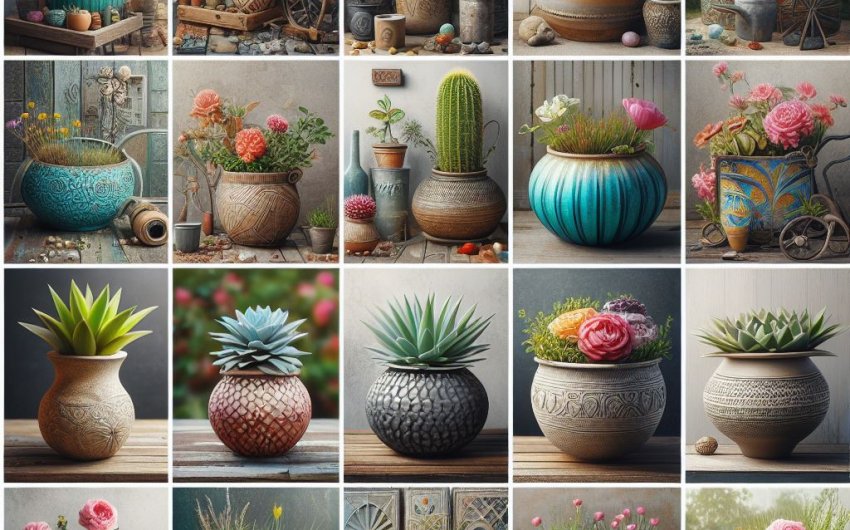
Blossoming in style with creative flower pot inspirations transforms ordinary containers into eye-catching decor, enhancing your garden's aesthetic and reflecting personal flair. This involves exploring diverse materials like repurposed household items, vibrant glazed ceramics, minimalist concrete, and artistic DIY creations that complement plant beauty, suit various design themes, and maximize your growing space.
Why are creative flower pot inspirations essential for dynamic garden aesthetics?
Creative flower pot inspirations are an essential secret weapon for cultivating dynamic garden aesthetics, transforming ordinary containers into stunning focal points that truly allow your plants to blossom in style. Far from being mere functional vessels, innovative pot choices elevate plant beauty, reflect personal flair, and contribute significantly to the overall design, mood, and visual intrigue of any outdoor or indoor oasis. They infuse personality and artistic expression into every green corner.
What defines "creative flower pot inspirations"?
Creative flower pot inspirations go beyond basic terracotta or plastic, pushing boundaries of material, form, and placement.
- Beyond Conventional: Utilizing unexpected materials, repurposing everyday objects, or employing innovative designs (e.g., self-watering, vertical, smart tech).
- Aesthetic Focus: Prioritizing the pot's visual contribution to the overall garden design, making it a piece of decor in itself.
- Personalization: Reflecting individual style, hobbies, or artistic taste.
- Space Optimization: Designs that maximize planting area in compact spaces (e.g., vertical solutions).
- Sustainable Practices: Emphasizing repurposed, recycled, or eco-friendly materials.
- Integration: Seamlessly blending the pot with the plant and its surrounding environment.
What are the compelling benefits of using creative flower pot designs?
Embracing unique pot designs offers a multitude of advantages that elevate container gardening.
- Enhanced Aesthetics and Style:
- Focal Points: Transforms pots into eye-catching focal points that draw attention to your plants.
- Personal Expression: Allows you to infuse your unique personality and artistic taste into your garden.
- Modern Appeal: Introduces sleek, contemporary, or whimsical elements that integrate seamlessly with various decor styles.
- Visual Interest: Adds texture, color, and form that complement the plants.
- Optimized Plant Health (with smart designs):
- Precise Watering: Self-watering pots prevent over/underwatering.
- Improved Aeration/Drainage: Specialized materials (e.g., fabric grow bags) promote healthier root systems.
- Space Maximization:
- Verticality: Vertical garden systems utilize walls and fences.
- Modularity: Interlocking designs allow for customizable configurations, perfect for small spaces.
- Sustainability:
- Repurposing/Upcycling: Gives new life to discarded items, reducing waste.
- Recycled Materials: Many innovative pots use recycled plastics.
- Cost-Effective (DIY): Many creative pot ideas involve DIY projects using inexpensive or free materials.
- Educational and Engaging: Inspires creativity and offers hands-on projects for all ages.
Creative flower pot inspirations are transforming container gardening from a simple act into a sophisticated blend of horticultural science and artistic expression. They pave the way for healthier plants and more stunning, sustainable outdoor and indoor spaces, truly allowing your garden to blossom in style.
1. Upcycled and Repurposed Planters: Sustainable Style
Upcycled and repurposed planters are a fantastic creative flower pot inspiration, embodying sustainable style and unique charm. By transforming discarded household items into functional and decorative containers, you reduce waste, express boundless creativity, and infuse your garden aesthetic with a personal, eco-conscious flair, allowing your plants to blossom in style.
Why is upcycling a smart choice for flower pots?
Upcycling offers a blend of environmental responsibility, cost savings, and unparalleled individuality.
- Sustainable and Eco-Friendly (Core Benefit):
- DO: Diverts waste from landfills, giving new life to discarded items.
- Why: Reduces your environmental footprint and promotes a circular economy.
- Unique and Personalized:
- DO: Each upcycled planter is one-of-a-kind, reflecting your creativity and adding a distinctive character to your garden that store-bought pots cannot match.
- Cost-Effective:
- DO: Often free or very inexpensive to acquire raw materials.
- Why: Saves money on purchasing new pots.
- Creative Expression:
- DO: Allows for boundless creativity in transforming ordinary objects into artistic containers.
- Conversation Starter:
- DO: Upcycled planters are always interesting, sparking curiosity and discussion.
What common household items can be transformed into planters?
The possibilities for repurposing are vast, limited only by your imagination and a few key considerations.
- Metal Items:
- DO: Old watering cans (vintage metal watering can), galvanized buckets, colanders, unused metal bins, old toolboxes, even small metal wagons.
- Preparation: Ensure drainage holes are present or drilled. Rust can add to the charm but may need to be managed.
- Wooden Items:
- DO: Wine crates, old drawers, pallet wood boxes, small barrels, wooden shoes, old wheelbarrows.
- Preparation: Ensure drainage. Line with plastic (with drainage holes) to extend life. Treat wood for outdoor use if desired.
- Ceramic/Glass/Plastic:
- DO: Old teacups, teapots, decorative bowls, ceramic toilets (painted!), plastic laundry baskets, old plastic toys (e.g., large Tonka trucks), rain boots.
- Preparation: Drill drainage holes (for ceramic/glass, use a diamond drill bit). Ensure plastic is food-safe if growing edibles.
- Tires:
- DO: Old car tires (painted vibrantly or stacked) can be used for large, robust planters.
- Preparation: Drill drainage holes. Some concerns about toxins leaching, but generally considered safe for non-edibles.
- Clothing/Textiles:
- DO: Old jeans (fill with soil and stand upright), burlap sacks.
- Preparation: Line with plastic or use for short-term display.
- Kitchen Utensils:
- DO: Old colanders (natural drainage!), large mixing bowls, enamelware.
Step-by-step guide to creating upcycled planters:
- Find Your Treasure:
- DO: Look for interesting, durable items at thrift stores, yard sales, flea markets, or in your own garage.
- Clean Thoroughly:
- DO: Wash and scrub your chosen item to remove all dirt, grime, and rust.
- Ensure Drainage (CRITICAL):
- DO: For almost all repurposed items, drill drainage holes in the bottom (at least 3-5 holes for a medium-sized pot). This is absolutely essential to prevent root rot.
- DON'T: Skip drainage holes unless you are an expert at creating false bottoms and are confident in precise watering.
- Prepare for Longevity (Optional):
- DO (Wood): For wooden items, you can line them with heavy-duty plastic sheeting (with drainage holes) or treat the wood with a non-toxic preservative to extend its life.
- DO (Metal): For metal items, consider priming and painting to prevent rust, or embrace the rusty patina for a rustic look.
- Paint and Decorate (Optional):
- DO: Use outdoor-rated paints to add vibrant colors, patterns, or whimsical designs.
- Fill with Potting Mix:
- DO: Use a high-quality, well-draining potting mix suitable for containers.
- DON'T: Use garden soil, as it compacts too much in pots.
- Plant Creatively:
- DO: Choose plants that complement the planter's size, shape, and aesthetic.
- Why: Trailing plants are great for spilling from colanders, herbs from teacups, succulents from old boots.
- A good option is succulent assortment live plant.
By embracing upcycled and repurposed planters, you create a garden aesthetic that is uniquely yours, celebrating sustainability, creativity, and the enchanting transformation of everyday objects into vibrant homes for your plants.
2. Sculptural and Artistic Pots: Statement Pieces
Sculptural and artistic pots are a stunning creative flower pot inspiration, transforming ordinary containers into captivating statement pieces that elevate your garden's aesthetic to a new level. These unique designs, whether handcrafted ceramics, elegant concrete forms, or bespoke metal creations, bring an artistic flair and a strong focal point, allowing your plants to blossom in style and truly shine.
What defines sculptural and artistic pots?
These pots are designed to be works of art in themselves, not just functional vessels.
- Artistic Form:
- DO: Feature unconventional shapes, intricate textures, or bold architectural designs that stand out.
- Why: The pot is as much a part of the aesthetic as the plant it holds.
- Materiality:
- DO: Often crafted from high-quality materials like hand-thrown ceramics, artisanal concrete, custom metalwork, or sculpted wood.
- Intentional Design:
- DO: Each pot is thoughtfully designed, reflecting a specific artistic vision or modern aesthetic.
- Focal Point:
- DO: They are inherently designed to draw the eye and serve as a central feature.
What materials are best for sculptural and artistic pots?
Different materials offer unique textures and durability for artistic expression.
- Hand-Thown Ceramics/Pottery:
- Pros: Unique, organic shapes, often with rich glazes, earthy textures. Each piece is individual.
- Cons: Can be expensive, can be fragile.
- A common option is handmade ceramic planter unique design.
- Artisanal Concrete/Cement:
- Pros: Versatile (can be molded into sleek modern forms or rough, textured pieces), durable, heavy (stable). Can be pigmented.
- Cons: Heavy, can sometimes crack in freeze-thaw cycles if not properly made.
- Custom Metalwork (Corten Steel, Aluminum, Stainless Steel):
- Pros: Sleek, modern, architectural forms. Durable and weather-resistant. Corten steel develops a beautiful rust patina.
- Cons: Can be expensive, may rust (intentionally or not).
- Sculpted Wood:
- Pros: Natural, organic warmth, can be carved into intricate designs.
- Cons: Prone to rot and insect damage over time; requires treatment. Less durable outdoors.
- Recycled/Sustainable Composites:
- Pros: Can mimic natural materials but offer lightweight durability and eco-friendly appeal.
What plants complement sculptural and artistic pots?
The right plant enhances the pot's artistic statement.
- Architectural Plants:
- DO: Choose plants with strong, sculptural forms that complement the pot's lines.
- Examples: Succulents (Agave, Aloe, Yucca, Echeveria rosettes), Snake Plant (Sansevieria), ZZ Plant (Zamioculcas zamiifolia), some ornamental grasses (e.g., Blue Fescue).
- Why: Their simple, elegant forms won't compete with a statement pot.
- Minimalist Plantings:
- DO: Plant a single specimen or a very simple grouping.
- Why: Allows both the plant and the pot to shine as artistic elements.
- Trailing Plants (for contrast):
- DO: For upright, architectural pots, use a trailing plant to soften the edges and create visual flow (e.g., Pothos, Philodendron, String of Pearls for succulents).
Placement tips for sculptural and artistic pots:
- Focal Point:
- DO: Place these pots in prominent locations where they can be appreciated: at an entryway, on a patio, as a centerpiece in a garden bed, or defining a distinct zone.
- Negative Space:
- DO: Allow ample clear space around the pot so its form and the plant's beauty can be fully appreciated without clutter.
- Lighting:
- DO: Consider how natural light and shadows play on the pot's form throughout the day.
- DO: Use subtle uplighting to highlight the pot and plant after dark.
- Complementary Background:
- DO: Position against a simple, uncluttered backdrop (e.g., a plain wall, a dense green hedge) to make it stand out.
By selecting high-quality, uniquely designed sculptural and artistic pots, and thoughtfully pairing them with plants that enhance their form, you can transform your outdoor oasis into an enchanting, sophisticated, and truly artistic garden display that allows your plants to blossom in style.
3. Hanging and Vertical Planters: Maximizing Space and Visual Flow
Hanging and vertical planters are ingenious creative flower pot inspirations that revolutionize container gardening by maximizing space and enhancing visual flow, especially in small backyards, balconies, or indoors. These innovative designs lift plants off the ground, transforming walls and railings into lush, cascading displays that add dramatic greenery and color.
Why are hanging and vertical planters essential for small spaces?
These planters are game-changers for urban dwellers and anyone with limited horizontal gardening area.
- Space Optimization (Core Benefit):
- DO: Utilize unused vertical space on walls, fences, railings, or from ceilings.
- Why: Dramatically increases your planting area without consuming precious ground space, allowing you to grow significantly more plants.
- Enhanced Visual Flow and Interest:
- DO: Create dynamic, multi-level displays that draw the eye upward, adding depth, dimension, and a sense of abundance.
- Why: Transforms bland vertical surfaces into vibrant, living backdrops.
- Ergonomics and Accessibility:
- DO: Bring plants closer to eye level, making planting, tending, and harvesting easier, especially for herbs or small edibles.
- Privacy Screening:
- DO: Use dense vertical planters to create living screens that provide privacy from neighbors or block unsightly views.
- Cleaner Growing:
- DO: Keeps plants (and often fruit) off the ground, reducing soil-borne pests and diseases.
- Versatile Aesthetic:
- DO: Can range from rustic (pallet gardens) to sleek and modern (modular wall systems).
What types of hanging and vertical planters are best?
Different designs suit various needs and aesthetics.
- Hanging Baskets:
- DO: Classic choice for trailing plants. Ensure sturdy chains/hooks.
- Why: Create beautiful, overflowing cascades.
- A common option is outdoor hanging plant baskets.
- Wall-Mounted Planters/Pockets:
- DO: Fabric pocket planters, modular planter boxes, or individual pots that hook onto a wall grid or rail.
- Why: Simple to install, versatile for various plants.
- A good option is vertical garden planter wall mount.
- Tiered/Stacking Planters:
- DO: Planters designed to stack vertically, forming a pyramid or column.
- Why: Excellent for strawberries, herbs, or succulents.
- Rail Planters:
- DO: Attach directly to balcony or deck railings, maximizing space without touching the ground.
- Pallet Gardens (DIY):
- DO: Repurpose wooden pallets into vertical planters.
- Why: Inexpensive, rustic, sustainable, good for herbs/greens.
- Pocket Garden Vertical Planters:
- DO: Felt or fabric planters with multiple pockets, ideal for herbs and greens.
What plants thrive best in hanging and vertical planters?
Choose compact, trailing, or vining plants with similar light and water needs.
- Trailing Flowers:
- DO: Petunias (e.g., 'Wave' series), Lobelia, Bacopa, Fuchsia, Nasturtium (edible flowers).
- Herbs:
- DO: Basil, mint, chives, oregano, parsley, thyme, rosemary.
- Leafy Greens:
- DO: Lettuce (loose leaf varieties), spinach, arugula, dwarf kale.
- Strawberries:
- DO: Especially everbearing or day-neutral varieties, perfect for hanging baskets.
- Small Vining Vegetables:
- DO: Compact cherry tomatoes (e.g., 'Micro Tom'), dwarf peppers, small cucumbers (with support).
- Foliage Plants:
- DO: Pothos, Philodendron, English Ivy (non-invasive varieties), Spider Plant, Creeping Jenny.
- Succulents:
- DO: Sedum, Echeveria, Sempervivum (for bright, well-draining systems).
Care considerations for hanging and vertical planters:
- Watering (CRITICAL): Vertical systems and hanging baskets dry out very quickly.
- DO: Check moisture daily, especially in hot/windy weather.
- DO: Consider a drip irrigation system for vertical gardens with a timer for automated watering.
- Why: Prevents dehydration.
- Fertilization:
- DO: Fertilize regularly (every 1-2 weeks) with a diluted liquid fertilizer, as nutrients leach faster.
- Sunlight:
- DO: Ensure adequate sunlight for all plants, adjusting placement or rotating if needed.
- Pruning:
- DO: Trim plants regularly to maintain shape, prevent overcrowding, and encourage new growth.
- Weight:
- DO: Always ensure mounting hardware (hooks, brackets) can safely support the weight of watered planters.
By embracing hanging and vertical planters, you tap into an innovative design that maximizes space and enhances visual flow, transforming your outdoor oasis into a lush, functional, and stunning green display that truly blossoms in style.
4. Light-Integrated Planters: Illuminating Botanical Beauty
Light-integrated planters are a captivating creative flower pot inspiration, blending horticulture with modern technology to illuminate botanical beauty. These innovative designs feature built-in lighting (typically LEDs) that not only support plant growth but also transform plants into glowing focal points, creating stunning ambiance and extending aesthetic appeal into the evening.
Why are light-integrated planters a game-changer for indoor/outdoor ambiance?
These planters offer a seamless fusion of light and life, optimizing both plant health and visual impact.
- Enhanced Aesthetics (Core Benefit):
- DO: Create stunning visual drama by illuminating plants from within or below, making them glow.
- Why: Transforms plants into captivating art pieces, enhancing ambiance in indoor spaces, patios, or pathways.
- Supplemental Light for Plants:
- DO: Built-in full-spectrum LED grow lights provide essential energy for photosynthesis, especially for indoor plants in low-light rooms or during winter.
- Why: Promotes healthier growth and more prolific blooms.
- Year-Round Interest:
- DO: Ensures plants remain a vibrant focal point even in the darkest hours or during winter evenings.
- Versatile Placement:
- DO: Allows plants to thrive in spots that might otherwise be too dark, opening up new decorating possibilities.
- Modern and Futuristic Aesthetic:
- DO: Complements contemporary, minimalist, or futuristic decor styles.
What types of light-integrated planters are best?
Designs vary from subtle illumination to full-spectrum grow light systems.
- Self-Contained Grow Light Planters:
- DO: Designed specifically for indoor use, these planters have adjustable LED grow lights mounted directly above the plant, often with automated timers.
- Why: Ideal for growing herbs, microgreens, or small flowers on countertops or shelves.
- A common option is smart garden with LED grow light.
- Illuminated Decorative Planters:
- DO: Features integrated LED lights (often warm white or color-changing) that illuminate the pot itself or glow up through the plant.
- Why: Primarily for ambiance and aesthetic enhancement, often powered by solar or battery.
- Light Strip/Panel Planters:
- DO: Planters that integrate thin LED light strips or panels into their design, providing subtle backlighting or highlighting contours.
- Modular Vertical Systems with Integrated Lights:
- DO: Vertical garden walls that incorporate LED grow lights within each tier or module.
- Why: Maximizes vertical growth in low-light areas and creates a dramatic living wall.
What plants thrive best in light-integrated planters?
Plants that benefit from consistent light and appreciate being a focal point are ideal.
- Herbs:
- DO: Basil, mint, chives, parsley. These thrive under grow lights for year-round harvesting.
- Leafy Greens:
- DO: Lettuce, spinach, arugula, microgreens. Fast-growing and benefit from consistent light.
- Small Flowering Plants:
- DO: African Violets, Kalanchoe, Petunias (compact varieties), impatiens. Their blooms are beautifully highlighted by light.
- Foliage Plants:
- DO: Small ferns, Fittonia, Peperomia.
- Succulents/Cacti:
- DO: While they need bright light, ensure the integrated light is strong enough if it's their sole source.
Care considerations for light-integrated planters:
- Light Cycle:
- DO: Program timers for 12-16 hours of light per day for optimal plant growth (adjust based on plant type).
- Watering:
- DO: Water according to plant needs. Ensure good drainage. If it's a smart self-watering system, monitor the reservoir.
- Nutrients:
- DO: Fertilize regularly with a diluted liquid fertilizer, especially if plants are growing vigorously under lights.
- Power Source:
- DO: Ensure the planter is safely connected to a power source (indoor outlet) or has charged batteries (for outdoor decorative lights).
- Cleaning:
- DO: Keep lights and reflective surfaces clean to maximize light output.
By embracing light-integrated planters, you unleash an innovative plant pot design that illuminates botanical beauty, transforms your space with stunning ambiance, and provides optimal conditions for plant growth, truly allowing your plants to blossom in style.
5. Artistic Terrariums and Cloches: Miniature Worlds of Wonder
Artistic terrariums and cloches are enchanting creative flower pot inspirations, transforming clear glass containers into miniature worlds of wonder. These enclosed or semi-enclosed ecosystems offer a captivating way to bring lush, intricate botanical beauty into any living space, fostering a sense of magic, tranquility, and effortless style.
Why are artistic terrariums and cloches captivating displays?
These glass-encased gardens are a blend of science, art, and personal expression.
- Miniature Ecosystems (Core Benefit):
- DO: Create tiny, self-contained environments where plants, substrate, and often small decorations form a fascinating, scaled-down world.
- Why: Offers a unique connection to nature on a micro-scale.
- High Humidity (Closed Terrariums):
- DO: Naturally maintain high humidity, ideal for tropical and moisture-loving plants like mosses and ferns.
- Why: Creates a lush, verdant environment that thrives with minimal external watering.
- Low Maintenance (Once Established):
- DO: Closed terrariums, once balanced, require very infrequent watering (sometimes only a few times a year), as water evaporates and condenses within the container.
- Why: Simplifies care, perfect for busy gardeners.
- Versatile Aesthetic:
- DO: From lush jungles to arid deserts (for open terrariums), or whimsical fairy scenes, the design possibilities are endless, fitting any decor style.
- Educational:
- DO: A fantastic way to teach children about ecological cycles, condensation, and plant adaptation.
- Artistic Focal Point:
- DO: The glass enclosure magnifies and showcases the beauty of the plants and miniature landscape.
What plants are essential for artistic terrariums and cloches?
Choose small, slow-growing plants that thrive in high humidity and indirect light.
- Mosses:
- DO: Sheet Moss, Cushion Moss, Mood Moss, Sphagnum Moss (live): Essential for the base, providing lush green groundcover and moisture retention.
- Why: Love humidity, slow-growing, add texture.
- Small Tropical Foliage Plants:
- DO: Fittonia (Fittonia albivenis - Nerve Plant): Vibrant green, pink, or white variegated leaves.
- DO: Peperomia spp. (e.g., P. caperata, P. clusiifolia 'Ginny'): Many small, compact varieties with interesting foliage.
- DO: Baby Tears (Soleirolia soleirolii): Forms a dense, bright green carpet.
- Why: Love humidity, compact growth, add continuous greenery.
- Small Ferns:
- DO: Lemon Button Fern, Maidenhair Fern, small Asparagus Fern: Delicate, airy fronds.
- Why: Thrive in consistent moisture and humidity.
- Miniature Orchids:
- DO: Some compact orchid species (e.g., specific Phalaenopsis hybrids) can be stunning additions with proper care and humidity.
- Carnivorous Plants:
- DO: Smaller species like Sundews (Drosera spp.) or Venus Flytraps (Dionaea muscipula) (require specific nutrient-poor, acidic substrate, pure water, and very high humidity).
- Why: Fascinating, unique.
Step-by-step guide to creating artistic terrariums and cloches:
Building a terrarium is a rewarding project that allows for creative expression.
- Choose a Glass Container:
- DO: A glass terrarium with a lid (fishbowl, jar, cloche, specialized terrarium) is ideal. Clean it thoroughly.
- Why: Creates the enclosed, humid environment.
- Drainage Layer (1-2 inches):
- DO: Add a layer of small pebbles or gravel at the bottom.
- Why: Prevents roots from sitting in stagnant water.
- Charcoal Layer (thin):
- DO: Add a thin layer of activated charcoal over the pebbles.
- Why: Helps absorb odors and keep the terrarium fresh.
- Separator Layer (optional):
- DO: A thin layer of fine mesh screen or sphagnum moss can prevent the soil from mixing with the drainage layer.
- Potting Mix Layer (3-5 inches):
- DO: Add a layer of specialized potting mix suitable for your chosen plants (e.g., all-purpose for tropicals, carnivorous plant mix for sundews). Ensure it's moist but not soggy.
- Planting:
- DO: Use long tweezers or small tools to carefully place plants. Create small holes, insert roots, and gently firm soil around them.
- DO: Arrange plants for aesthetic appeal, considering mature size, varying heights, and textures.
- Decorate (Optional):
- DO: Add small decorative elements like polished stones, tiny figurines (fairies, animals), mini driftwood, or preserved moss.
- Why: Enhances the miniature world's charm.
- Water Gently:
- DO: Lightly mist the terrarium with a spray bottle filled with distilled or rainwater. The goal is just to moisten the plants and clean the glass, not to saturate the soil.
- Lid and Location:
- DO: Place the lid on the terrarium (for closed). Place in a spot with bright, indirect light.
- Maintenance:
- DO: Monitor condensation. If the glass is constantly fogged, open the lid for a few hours for ventilation. If too dry, mist lightly. Trim plants as needed to maintain scale.
By creating an artistic terrarium or cloche, you cultivate a beautiful, low-maintenance slice of nature, transforming your space with a miniature world of wonder that truly blossoms in style.