
Crafting Nature's Beauty: Innovative Plant Pot Designs
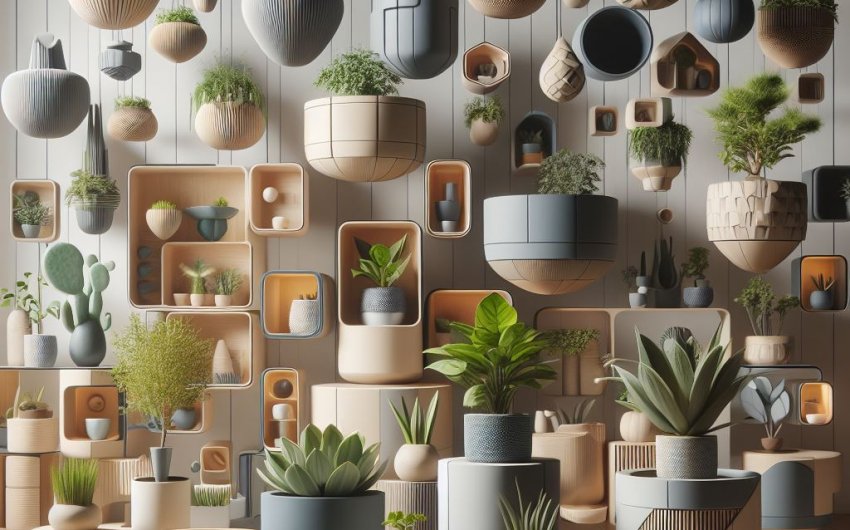
Crafting nature's beauty with innovative plant pot designs transforms ordinary containers into works of art, enhancing aesthetics and plant health. This involves exploring materials like self-watering terracotta, vertical modular systems, 3D-printed designs, and smart tech-integrated planters that offer benefits like optimized watering, space-saving solutions, and unique visual appeal for modern gardens.
Why are innovative plant pot designs revolutionizing container gardening?
Innovative plant pot designs are revolutionizing container gardening, transforming what were once mere functional vessels into crucial elements of aesthetic appeal and advanced plant care. Moving beyond traditional terracotta or plastic, these creative and often technologically integrated designs are not just about holding soil; they enhance aesthetics, optimize plant health, and solve common gardening challenges, making them a game-changer for modern gardeners.
What defines "innovative plant pot designs"?
Innovative plant pot designs push the boundaries of conventional containers, integrating new materials, technologies, or forms.
- Beyond Basic Aesthetics: While beauty is a factor, innovation goes deeper, often addressing functionality, sustainability, or space constraints.
- Technological Integration: Incorporates features like self-watering mechanisms, smart sensors, or even integrated lighting.
- Advanced Materials: Utilizes contemporary materials like recycled plastics, specialized ceramics, lightweight composites, or even 3D-printed custom forms.
- Space-Saving Solutions: Designs focused on verticality, modularity, or compact footprints for urban living.
- Biomimicry/Sustainable Design: Inspired by nature or committed to eco-friendly principles (e.g., sustainable materials, closed-loop systems).
- Enhanced Plant Health: Designs that actively promote better drainage, aeration, or nutrient delivery.
What are the compelling benefits of using innovative plant pot designs?
These designs offer a suite of advantages that elevate container gardening.
- Optimized Plant Health:
- Precise Watering: Self-watering and smart pots prevent over/underwatering, leading to healthier roots and more vigorous growth.
- Improved Aeration/Drainage: Specialized designs (e.g., air-pruning pots, fabric grow bags) promote healthier root systems.
- Enhanced Aesthetics and Style:
- Modern Appeal: Introduces sleek, contemporary, or artistic elements that integrate seamlessly with modern home decor and garden aesthetics.
- Unique Forms: Sculptural shapes, vibrant colors, and innovative textures make plants stand out.
- Space Transformation: Turns bland corners into vibrant displays.
- Space Maximization:
- Verticality: Vertical garden systems transform walls and fences into lush green spaces, ideal for urban environments.
- Modularity: Interlocking designs allow for customizable configurations.
- Reduced Maintenance:
- Automated Watering: Self-watering systems reduce daily watering chores.
- Built-in Features: Fewer issues like root rot or nutrient deficiencies (with smart systems).
- Sustainability:
- Recycled Materials: Many innovative pots use recycled plastics or other eco-friendly components.
- Water Conservation: Self-watering systems can be highly water-efficient.
- Educational and Engaging:
- Smart Features: Allows for data-driven gardening and a deeper understanding of plant needs.
- Visual Appeal: Captivates attention with their unique design.
Innovative plant pot designs are transforming container gardening from a simple act of placing a plant in a pot to a sophisticated blend of horticultural science and artistic expression, paving the way for healthier plants and more stunning, sustainable outdoor and indoor spaces.
1. Self-Watering Pots: Automated Hydration for Thriving Plants
Self-watering pots are a highly innovative plant pot design revolutionizing container gardening by providing plants with automated, consistent hydration. This clever technology minimizes the risk of both overwatering and underwatering, making them an ideal solution for busy gardeners, beginners, or anyone seeking thriving plants with reduced effort.
How do self-watering pots work their magic?
Self-watering pots use a simple yet ingenious mechanism to deliver water to plants as needed.
- Two-Part System: They typically consist of two main parts:
- Water Reservoir: A bottom chamber that holds a supply of water.
- Planting Container: An upper container where the plant grows, separated from the reservoir.
- Wicking Mechanism: A crucial component is the wicking system (e.g., a porous wick, a raised grid with holes, or the grow medium itself) that extends from the planting container down into the water reservoir.
- Capillary Action: Through capillary action, water is drawn upwards from the reservoir into the potting mix, providing a continuous, gentle supply of moisture to the plant roots as the soil dries. The plant essentially "drinks" what it needs.
- Aeration: Most designs also ensure good aeration in the root zone, even with constant moisture, preventing root suffocation.
- Refill Port: A small opening allows you to easily refill the water reservoir without disturbing the plant.
- Water Level Indicator (Often): Many come with a small gauge or window that shows you when the reservoir needs refilling. A common option is self-watering planter with visible water level.
What are the compelling benefits of self-watering pots for gardeners?
These pots directly address common watering challenges, simplifying plant care.
- Prevents Overwatering (Paradoxically): While providing continuous moisture, self-watering pots actually help prevent overwatering. Roots only absorb what they need from the wick, and excess water drains away from the root ball in the upper chamber (not sitting in soggy soil).
- Prevents Underwatering: Eliminates the risk of plants drying out completely between waterings, which is especially beneficial for thirsty plants or during hot weather.
- Consistent Moisture (Crucial): Provides a steady, even supply of moisture to the plant's roots, which is ideal for healthy, vigorous growth and continuous blooming.
- Reduced Watering Frequency: You don't need to water daily or every few days. Simply refill the reservoir every few days to a week (or longer, depending on plant size and needs).
- Time-Saving: Frees up busy gardeners from daily watering chores.
- Healthier Roots: Consistent moisture and good aeration promote a robust root system.
- Travel-Friendly: Plants can remain watered for several days while you're away.
- Fertilizer Efficiency: Nutrients added to the potting mix or reservoir are less likely to leach out with drainage.
- Cleanliness: No water spills from watering.
What plants thrive best in self-watering pots?
Self-watering pots are ideal for plants that prefer consistently moist soil.
- Thirsty Plants:
- *African Violets (Saintpaulia spp.):* A classic choice. They love consistent moisture (especially from below) and hate getting water on their leaves.
- Tomatoes, Peppers, Strawberries: Fruiting vegetables are heavy drinkers and thrive with consistent moisture.
- Herbs (Basil, Mint, Parsley): Many herbs prefer consistently moist soil.
- Impatiens, Petunias: Thirsty annual flowers for vibrant continuous blooms.
- Ferns: Require constant moisture.
- *Peace Lily (Spathiphyllum spp.):* Loves consistent moisture.
- Plants to Avoid (or use with caution):
- Succulents and Cacti: These plants prefer their soil to dry out completely between waterings. The continuous moisture of a self-watering pot can lead to rot.
- Orchids: Require very specific drainage and aeration that most self-watering pots don't provide.
By embracing self-watering pots, you harness an innovative design that automates hydration, simplifies plant care, and ensures your plants thrive with consistent moisture, leading to healthier growth and vibrant displays.
2. Vertical Modular Planters: Space-Saving Green Walls
Vertical modular planters are an incredibly innovative plant pot design, revolutionizing how gardeners transform limited spaces into lush, living green walls. These interlocking or stackable systems allow you to grow a multitude of plants upwards rather than outwards, offering a stunning space-saving solution that enhances aesthetics and green infrastructure in urban environments.
How do vertical modular planters maximize space?
Vertical planters convert unused wall space into productive gardening areas.
- Upward Expansion (Core Benefit):
- DO: Utilize walls, fences, balconies, or even interior spaces to grow plants vertically.
- Why: Dramatically increases your planting area without consuming precious horizontal ground space, allowing you to grow significantly more plants in a tiny footprint.
- Interlocking/Stackable Design:
- DO: Consist of individual pockets, cells, or trays that interlock or stack securely.
- Why: Creates a continuous wall of greenery, maximizing coverage.
- Customizable Configurations:
- DO: Modules can often be arranged in various patterns or expanded as needed.
- Why: Allows for flexible design to fit different wall sizes and shapes.
- Transformative Aesthetic:
- DO: Transforms bland, blank walls into vibrant, living works of art.
- Why: Adds texture, color, and depth to any space.
What are the compelling benefits of vertical modular planters?
These systems offer a blend of aesthetic and practical advantages.
- Space Maximization: Ideal for small backyards, patios, balconies, or even indoors.
- Enhanced Aesthetics: Creates a visually striking focal point, adds a modern touch, and softens hard architectural lines.
- Improved Air Quality: More plants mean more photosynthesis and air filtration.
- Noise Reduction: A dense plant wall can help absorb and dampen urban noise.
- Ergonomics and Accessibility: Brings plants closer to eye level, making planting, tending, and harvesting easier.
- Privacy Screening: Creates living screens to block unsightly views or provide privacy from close neighbors.
- Edible Options: Perfect for growing herbs, leafy greens, strawberries, or compact vegetables within easy reach.
- Urban Greening: Contributes to green infrastructure in cities, reducing urban heat island effect.
- DIY Potential: Many systems are easy to assemble or can be adapted for DIY projects.
- A common option is vertical garden planter wall mount.
What plants thrive best in vertical modular planters?
Choose compact, trailing, or upright plants with similar light and water needs.
- Edibles (Highly Popular):
- Leafy Greens: Lettuce (loose leaf), spinach, arugula, dwarf kale.
- Herbs: Basil, mint, chives, oregano, parsley, thyme, rosemary.
- Strawberries: Especially everbearing varieties, perfect for trailing.
- Bush Beans: Some compact varieties.
- Small Peppers: Compact varieties.
- Cherry Tomatoes (Dwarf/Determinate): Can trail or be staked within larger pockets.
- Ornamentals:
- Trailing Flowers: Petunias, Lobelia, Bacopa, Nasturtium, Sweet Alyssum.
- Foliage Plants: Pothos, Philodendron, English Ivy (non-invasive varieties), Spider Plant, Fittonia.
- Succulents: Sedum, Echeveria, Sempervivum (for bright, well-draining systems).
- Ferns: Small, humidity-loving ferns (for shadier systems).
- Bromeliads: Many species can be mounted directly on panels.
Care considerations for vertical modular planters:
- Watering (Crucial): Vertical gardens dry out very quickly.
- DO: Check moisture daily, especially in hot/windy weather.
- DO: Consider installing a drip irrigation system for vertical gardens with a timer for automated watering.
- Why: Prevents dehydration.
- Fertilization:
- DO: Fertilize regularly (every 2-4 weeks) with a diluted liquid fertilizer, as nutrients leach faster.
- Sunlight:
- DO: Ensure adequate sunlight for all plants. Use full-spectrum LED grow lights for indoor vertical gardens.
- Pruning:
- DO: Trim plants regularly to maintain shape, prevent overcrowding, and encourage new growth.
- Drainage:
- DO: Ensure excess water from upper tiers drains properly without waterlogging lower tiers or spilling onto your porch/wall.
By wholeheartedly embracing vertical modular planters, you unleash the hidden potential of your small space, transforming bland walls into lush, functional, and stunning green walls that maximize growing area and minimize wasted effort.
3. Fabric Grow Bags: Breathable and Flexible Growing
Fabric grow bags are an innovative plant pot design that offers remarkable flexibility, breathability, and ease of use, revolutionizing container gardening for space-constrained and eco-conscious gardeners. Made from sturdy, breathable geotextile fabric, these bags provide an ideal growing environment that promotes healthier roots and simplifies plant management.
How do fabric grow bags enhance plant health and convenience?
Fabric grow bags provide unique advantages over traditional plastic or terra cotta pots.
- Air Pruning (Core Benefit):
- DO: When roots grow to the edge of the fabric bag, they are "air-pruned" (die back due to air exposure). This stimulates the plant to produce more new feeder roots from the main root ball.
- Why: Prevents root circling (where roots grow in tight spirals, becoming choked), creating a denser, healthier, and more fibrous root system that is highly efficient at absorbing water and nutrients.
- Contrast: In plastic pots, roots hit the wall and just keep circling, becoming root-bound.
- Excellent Drainage and Aeration:
- DO: The porous fabric allows excess water to drain freely from all sides, preventing waterlogging and root rot. It also facilitates superior air exchange with the soil.
- Why: Roots get abundant oxygen, crucial for healthy respiration.
- Temperature Regulation:
- DO: The fabric allows air to circulate, helping to dissipate excess heat from the root zone in hot weather (unlike plastic which can cook roots). It also provides some insulation in cooler weather.
- Why: Protects roots from temperature extremes.
- Lightweight and Portable:
- DO: Fabric grow bags are extremely lightweight when empty and have handles, making them easy to move around your garden or balcony, even when filled with soil and plants.
- Why: Ideal for optimizing sun exposure or bringing plants indoors.
- Affordable and Reusable:
- DO: They are generally inexpensive and can be cleaned and reused for several seasons.
- Why: Cost-effective and sustainable.
- Space-Saving:
- DO: Can be folded flat for storage when not in use.
What plants thrive best in fabric grow bags?
Fabric grow bags are incredibly versatile and suitable for a wide range of plants.
- Fruiting Vegetables (Especially):
- Tomatoes: 'Better Bush', 'Celebrity', determinate varieties.
- Peppers: Bell peppers, hot peppers.
- Potatoes: 'Kennebec', 'Yukon Gold'. Excellent for "hilling" as plants grow.
- Squash/Zucchini: Bush varieties.
- Eggplant:
- Why: Their deep, healthy root systems support prolific fruiting.
- A good option is potato grow bags with handles.
- Root Vegetables:
- Carrots, Beets, Radishes: Deep bags allow for long root development.
- Herbs:
- Basil, Mint, Rosemary: Grow vigorously.
- Flowers:
- Sunflowers, Zinnias, Marigolds: Support strong growth.
- Small Trees/Shrubs:
- DO: Dwarf fruit trees, blueberries, or small ornamental shrubs can be grown in larger bags.
Care considerations for fabric grow bags:
- Watering Frequency:
- DO: Fabric bags dry out faster than plastic or glazed pots. Check moisture daily, especially in hot weather. They may need more frequent watering.
- Why: The breathable fabric allows more evaporation.
- Fertilization:
- DO: Fertilize regularly with a diluted liquid fertilizer, as nutrients can leach out faster.
- Potting Mix:
- DO: Use a high-quality, well-draining potting mix, often with extra compost.
- Stability:
- DO: For tall plants (tomatoes), use a sturdy stake or cage from planting time.
- Why: Bags are lightweight and can tip if plants are top-heavy.
By embracing fabric grow bags, you unleash an innovative plant pot design that promotes unparalleled root health, simplifies plant management, and offers remarkable flexibility, transforming your small backyard into a highly productive and efficient outdoor oasis.
4. Smart Planters with Integrated Technology: Precision Gardening
Smart planters with integrated technology represent the cutting edge of innovative plant pot design, revolutionizing urban agriculture by bringing precision gardening and automation directly to your home. These intelligent containers monitor plant needs and often manage watering or nutrient delivery, simplifying care and optimizing growth for busy or beginner gardeners.
How do smart planters enhance plant health and minimize effort?
Smart planters merge horticulture with technology, offering advanced control and convenience.
- Automated Monitoring (Core Benefit):
- DO: Incorporate sensors that continuously monitor critical plant parameters: soil moisture, nutrient levels (EC/TDS), temperature, and sometimes light intensity.
- Why: Provides real-time data on your plant's exact needs, eliminating guesswork and preventing issues before they become visible.
- Automated Watering:
- DO: Many smart planters feature integrated water reservoirs and pumps that automatically deliver water based on sensor readings.
- Why: Prevents both overwatering and underwatering, ensuring plants receive optimal, consistent hydration with minimal manual effort.
- Nutrient Delivery (Advanced):
- DO: Some sophisticated smart planters can even dose liquid nutrients into the water based on detected deficiencies or growth stages.
- Why: Ensures plants always have the perfect nutrient balance.
- Smartphone Connectivity:
- DO: Most smart planters connect to a smartphone app, allowing you to monitor conditions, adjust settings, and receive alerts remotely.
- Why: Provides ultimate convenience and control for busy gardeners.
- Integrated Lighting (Often):
- DO: Many indoor smart planters include built-in full-spectrum LED grow lights with automated timers.
- Why: Ensures optimal light for indoor growth, especially in low-light environments.
- Optimized Growth:
- DO: By maintaining ideal conditions, smart planters maximize plant growth rates, health, and yield.
- Educational:
- DO: The data provided helps beginners learn about plant needs in a hands-on way.
- A good option is Click and Grow Smart Garden.
What plants thrive best in smart planters?
Smart planters are highly versatile but excel with plants that benefit from precise control.
- Herbs:
- Basil, Mint, Cilantro, Parsley, Thyme, Rosemary: These thrive with consistent, optimized conditions, producing lush, flavorful harvests.
- Leafy Greens:
- Lettuce (various types), Spinach, Kale, Arugula: Fast-growing, high-yield crops.
- Small Fruiting Vegetables:
- Cherry Tomatoes, Small Peppers: Can be grown effectively with larger smart planters and good light.
- Ornamental Flowers:
- Petunias, Marigolds, Small Impatiens: Benefit from precise watering and nutrients for continuous blooms.
- Specialty Plants:
- Orchids: Advanced smart planters can create precise conditions.
Care considerations for smart planters:
- Initial Setup:
- DO: While automated, initial setup (filling reservoir, adding nutrients, setting parameters) must be done correctly.
- Refill Reservoir:
- DO: You still need to refill the water reservoir periodically (usually every 1-3 weeks), depending on plant size and growth rate.
- Monitor Sensors:
- DO: Periodically check sensor accuracy (calibrating pH/EC meters).
- Clean System:
- DO: Clean the reservoir and flush the system when replacing nutrient solution (every 2-4 weeks).
- Plant-Specific Needs:
- DO: Adjust default settings (if possible) to match the specific pH, EC, and light cycle needs of your chosen plant.
- Pest Vigilance:
- DO: Even in smart systems, visually inspect plants for pests regularly.
By embracing smart planters with integrated technology, you tap into an innovative plant pot design that offers unparalleled precision and automation, transforming your small backyard or indoor space into a highly efficient, low-effort, and productive gardening oasis.
5. 3D-Printed Planters: Customization and Modern Aesthetics
3D-printed planters represent a truly innovative plant pot design, offering unprecedented levels of customization and a distinctly modern aesthetic to small backyard landscaping. These planters allow gardeners to create bespoke designs, address unique spatial challenges, and infuse their outdoor oasis with personalized, cutting-edge style.
How do 3D-printed planters offer unique advantages?
3D printing brings a new dimension of design and functionality to plant pots.
- Unprecedented Customization (Core Benefit):
- DO: Design and print pots in virtually any shape, size, color, or texture imaginable. Create planters that perfectly fit awkward spaces, match specific architectural elements, or incorporate unique patterns.
- Why: Breaks free from the limitations of mass-produced, standard-sized pots, allowing for truly bespoke solutions.
- Modern and Avant-Garde Aesthetics:
- DO: Create planters with intricate geometric patterns, organic flowing lines, or futuristic forms that perfectly complement modern minimalist or contemporary garden designs.
- Why: Introduces a cutting-edge artistic element.
- Functional Integration:
- DO: Design planters with integrated features like self-watering reservoirs, specialized drainage systems, vertical hooks, or built-in trellises.
- Why: Combines aesthetics with enhanced functionality tailored to plant needs.
- Space Optimization (Custom Fit):
- DO: Print planters that precisely fit narrow ledges, corner spaces, or custom vertical garden structures.
- Why: Maximizes planting area in challenging small backyards.
- Sustainable Material Options:
- DO: Use environmentally friendly printing filaments like PLA (polylactic acid), which is biodegradable and derived from renewable resources (e.g., corn starch). Recycled plastic filaments are also available.
- Why: Reduces environmental impact compared to virgin plastics.
- DIY Creativity:
- DO: Design and print your own planters, or download existing designs from online communities.
- Why: Empowers individual creativity and allows for iterative design improvements.
What plants thrive best in 3D-printed planters?
Almost any plant can be grown in a 3D-printed planter, but the design often dictates the best fit.
- Succulents and Cacti:
- Why: Their compact size, slow growth, and preference for excellent drainage are well-suited to customized drainage holes and smaller, intricate designs.
- Herbs and Small Flowers:
- Why: Compact varieties thrive in custom-sized pots.
- Air Plants (Tillandsia):
- Why: 3D printing can create unique, open-cage structures specifically designed to hold air plants without soil.
- Small Foliage Plants:
- Why: Can be grown in custom shapes and sizes.
Care considerations for 3D-printed planters:
- Material Selection:
- DO: Choose UV-resistant and outdoor-grade filaments if the planter will be exposed to direct sunlight for extended periods. PLA is generally fine for indoor or shaded outdoor use but can degrade in harsh sun.
- DO: Ensure the filament is non-toxic if using for edible plants.
- Drainage (Crucial):
- DO: Always design and print planters with ample drainage holes.
- Why: Prevents waterlogging.
- Layer Lines:
- DO: Be aware that 3D-printed objects have layer lines. For some designs, these can be a feature; for others, post-processing (sanding, painting) may be desired.
- Watering:
- DO: Water according to the plant's needs. If the material is non-porous (most plastics), ensure consistent watering without overwatering.
- Stability:
- DO: Consider the weight of the filled planter and print with a thick enough wall for stability.
By embracing 3D-printed planters, you tap into an innovative plant pot design that offers unprecedented customization and a distinctly modern aesthetic, transforming your small backyard or indoor space into a personalized, cutting-edge, and highly efficient gardening oasis.