
Maximizing Space, Minimizing Effort: Small Backyard Landscaping Hacks
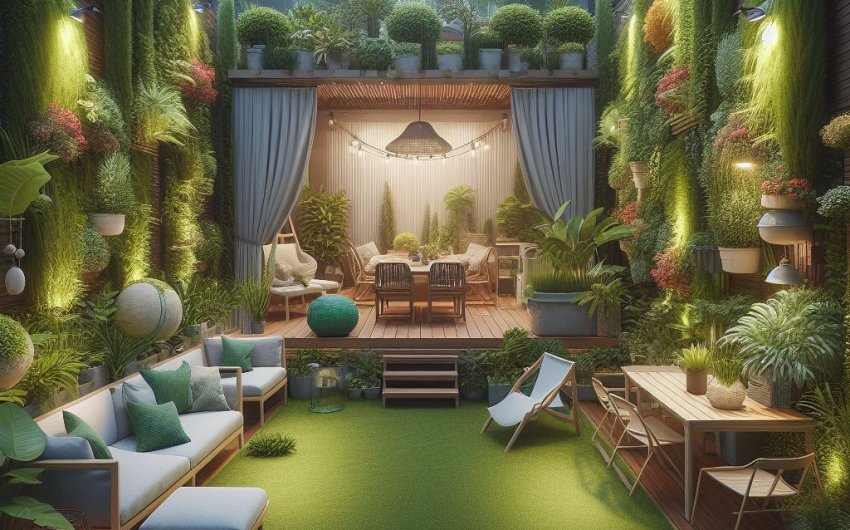
Maximizing space and minimizing effort in small backyard landscaping involves strategic hacks like embracing vertical gardening, creating distinct zones for specific functions, utilizing smart container planting, and opting for low-maintenance plants and hardscaping. These solutions transform compact areas into highly functional, beautiful, and easy-to-care-for outdoor oases.
Why are small backyard landscaping hacks essential for urban living?
For urban dwellers and homeowners with compact outdoor areas, small backyard landscaping hacks are not just creative ideas; they are essential strategies for transforming limited spaces into highly functional, beautiful, and enjoyable outdoor oases. These clever solutions maximize every inch, minimize effort, and turn a potentially challenging area into a vibrant extension of your home, proving that even a tiny backyard can be a productive and serene sanctuary.
What are the unique challenges of landscaping a small backyard?
Small backyards, while offering a cozy charm, come with distinct hurdles that require thoughtful and often ingenious design.
- Limited Space: The most obvious challenge. Every square foot counts, demanding multi-functional elements and clever illusions of depth.
- Overcrowding: Easy to inadvertently over-plant or over-decorate, making the space feel cluttered and smaller.
- Sunlight Variability: Tall buildings or fences can create complex shade patterns, limiting plant choices.
- Drainage Issues: Confined spaces, especially those with hardscaping, can exacerbate drainage problems.
- Lack of Privacy: Close proximity to neighbors can make achieving seclusion challenging.
- Access Limitations: Narrow gates or pathways can make bringing in large materials difficult.
- Visual Impact: Small spaces can feel imposing if not designed with a sense of openness.
- Noise: Urban noise can intrude on the tranquility of a small backyard.
What are the compelling benefits of smart small backyard landscaping?
Despite the challenges, a well-designed small backyard offers numerous advantages.
- Maximizes Outdoor Living Space: Transforms a cramped area into a functional "outdoor room" for dining, relaxing, or entertaining.
- Enhances Home Value: Clever landscaping can significantly boost property value and curb appeal, especially in urban areas where outdoor space is at a premium.
- Personalized Sanctuary: Creates a private, customized oasis that reflects your style and provides a sense of escape and tranquility.
- Reduced Maintenance (with hacks): Implementing low-effort hacks means less time spent on upkeep and more time enjoying your space.
- Eco-Friendly Potential: Small gardens are ideal for incorporating sustainable practices like container gardening, vertical gardening, and attracting pollinators.
- Curb Appeal (Rear): A well-maintained backyard can also be an asset if viewed from upper floors or from a detached garage.
- Stress Reduction: Connecting with greenery, even in a small space, has proven benefits for mental well-being.
- Accessibility: Easier to manage for those with limited mobility.
By embracing smart small backyard landscaping hacks, urban dwellers and homeowners with compact outdoor areas can overcome challenges, transforming their limited space into an enchanting, functional, and highly enjoyable outdoor oasis.
1. Embrace Vertical Gardening: Going Up, Not Out
Vertical gardening is arguably the most impactful hack for maximizing space and minimizing effort in small backyard landscaping. By utilizing vertical surfaces, you dramatically increase your growing area without consuming precious ground space, transforming walls and fences into lush, living displays.
Why is vertical gardening a game-changer for small backyards?
Vertical gardening redefines the boundaries of a small backyard, unlocking untapped potential.
- Maximize Space (Core Benefit):
- DO: Grow plants upwards on walls, fences, railings, or freestanding structures.
- Why: Dramatically increases your growing area without consuming horizontal space, allowing you to grow significantly more plants in a tiny footprint.
- Add Visual Interest and Greenery:
- DO: Transform bland walls or fences into lush, vibrant backdrops.
- Why: Creates a stunning focal point, adds depth, color, and texture, and softens hard architectural lines.
- Improve Privacy:
- DO: Use vertical planters with dense foliage to create living screens.
- Why: Provides privacy from close neighbors or blocks unsightly views.
- Ergonomics and Accessibility:
- DO: Bring plants closer to eye level, making planting, tending, and harvesting easier, especially for those with limited mobility.
- Pest and Disease Control (Easier):
- DO: Many pests are deterred by plants not touching the ground. Good air circulation in vertical systems can reduce fungal diseases.
- Noise Reduction:
- DO: Dense vertical greenery can help absorb and dampen urban noise.
- Aesthetic Appeal:
- DO: Creates a modern, artful, and unique outdoor statement.
What are easy vertical gardening solutions for beginners?
You don't need a complex hydroponic wall to start vertical gardening.
- Wall-Mounted Planters/Pockets:
- DO: Install fabric pocket planters, modular planter boxes, or individual pots that hook onto a wall grid or railing.
- Why: Simple to install, versatile for various plants.
- A common option is vertical garden planter wall mount.
- Pallet Gardens (DIY):
- DO: Repurpose wooden pallets into vertical planters. Attach landscape fabric pockets or fill gaps with soil.
- Why: Inexpensive, rustic, sustainable.
- Tiered or Stacking Planters:
- DO: Use planters designed to stack vertically, forming a pyramid or column.
- Why: Great for strawberries, herbs, or succulents.
- Trellises and Arbors:
- DO: Install trellises or arbors against walls or as freestanding structures.
- Why: Supports vining plants (e.g., pole beans, cucumbers, climbing roses, clematis), taking them skyward.
- Hanging Baskets:
- DO: Utilize sturdy hooks and hanging baskets from pergolas, eaves, or wall brackets.
- Why: Ideal for trailing flowers (petunias, fuchsias), strawberries, or herbs.
- Shelf or Ladder Planters:
- DO: Use old ladders or build tiered shelving units to display multiple potted plants vertically.
What plants thrive in vertical gardens?
Choose compact, trailing, or vining plants with similar light and water needs.
- Edibles:
- Leafy Greens: Lettuce (loose leaf), spinach, arugula, dwarf kale.
- Herbs: Basil, mint, chives, oregano, parsley, thyme, rosemary.
- Strawberries: Especially everbearing varieties.
- Bush Beans: Some compact varieties.
- Cherry Tomatoes (Dwarf/Determinate): Can trail or be staked.
- Small Peppers: Compact varieties.
- Ornamentals:
- Trailing Flowers: Petunias, Lobelia, Bacopa, Nasturtium.
- Foliage Plants: Pothos, Philodendron, English Ivy (non-invasive varieties), Spider Plant.
- Succulents: Sedum, Echeveria, Sempervivum (for bright, well-draining systems).
- Ferns: Small, humidity-loving ferns (for shadier systems).
Care tips for vertical gardens:
- Watering (Crucial): Vertical gardens dry out very quickly.
- DO: Check moisture daily. Consider a drip irrigation system with a timer for automated watering.
- Why: Prevents dehydration.
- Fertilization:
- DO: Fertilize regularly (every 2-4 weeks) with a diluted liquid fertilizer, as nutrients leach faster.
- Sunlight:
- DO: Ensure adequate sunlight for all plants, adjusting placement or rotating if needed.
- Pruning:
- DO: Trim plants regularly to maintain shape, prevent overcrowding, and encourage new growth.
By wholeheartedly embracing vertical gardening, you unleash the hidden potential of your small backyard, transforming it into a lush, functional, and stunning outdoor oasis that maximizes space and minimizes wasted effort.
2. Create Defined Zones: Multi-functional Outdoor "Rooms"
Creating defined zones is a powerful hack for small backyard landscaping, transforming a limited area into a multi-functional outdoor oasis with distinct "rooms" for different activities. This strategy provides structure, purpose, and a sense of spaciousness, making a small backyard feel larger and more versatile while minimizing effort by organizing activities.
Why are defined zones essential for small backyards?
Zoning turns a small, open space into a series of intentional, usable areas.
- Illusion of Space:
- DO: Dividing a small backyard into distinct zones actually makes it feel larger and more intriguing, as your eye has to pause and transition between areas.
- Why: Prevents the eye from taking in the entire space at once, creating a sense of depth and discovery.
- Maximizes Functionality (Core Benefit):
- DO: Dedicate specific areas for dining, relaxation, gardening, or even a discreet utility zone.
- Why: Ensures every inch of your small backyard serves a purpose and is optimized for its intended use.
- Provides Structure and Order:
- DO: Clearly delineate each zone with subtle (or obvious) barriers.
- Why: Creates a cohesive, organized look that prevents clutter.
- Enhances Privacy:
- DO: Strategic zoning can create intimate, private nooks within a larger small space.
- Guides Traffic Flow:
- DO: Pathways between zones naturally guide movement.
How do I define zones in a small backyard?
Use a combination of soft and hard landscaping elements to delineate areas.
- Hardscaping Elements:
- DO: Use different paving materials: e.g., a small patio of pavers for dining, a gravel path for walking, a deck for lounging.
- DO: Install low retaining walls, edging, or planters to mark boundaries.
- Why: Provides clear, durable divisions.
- Softscaping Elements (Plants):
- DO: Use taller plants (e.g., slender evergreens, ornamental grasses, trellised vines) as "walls" to create visual separation.
- DO: Plant dense shrubs or flowering perennials to frame a seating area.
- Why: Adds living, natural partitions.
- Level Changes:
- DO: If possible, create slight elevation changes (e.g., a small step up to a patio, a raised planter bed).
- Why: Adds architectural interest and defines zones.
- Pergolas/Arbors:
- DO: A small pergola or arbor can visually define a dining or seating area, creating a sense of a "room."
What are common functional zones for a small backyard?
Consider these versatile "rooms" for your outdoor oasis.
- 1. Dining Zone:
- Elements: Bistro table and chairs, compact dining set.
- Delineation: Small patio (pavers, wood deck), overhead pergola.
- Plants: Container herbs nearby, climbing roses on a trellis.
- 2. Relaxation/Lounge Zone:
- Elements: Hammock, small bench, cozy outdoor armchair with cushions, fire pit (small, portable).
- Delineation: Lush plantings, privacy screen, small area of soft groundcover.
- A good option is outdoor patio bistro set compact.
- 3. Container Garden/Edible Zone:
- Elements: Grouping of various pots, vertical garden wall, narrow raised beds.
- Delineation: Edging, low fence, or simply the arrangement of containers.
- Plants: Herbs, compact vegetables, berries.
- 4. Pathway/Transition Zone:
- Elements: Gravel path, stepping stones, stepping pavers.
- Delineation: Soft plantings, low edging.
- Purpose: Connects other zones.
- 5. Discreet Utility Zone:
- Elements: Space for garbage cans, recycling, compost bin, outdoor storage box.
- Delineation: Screened by lattice, narrow shrubs, or a decorative panel.
- Purpose: Hides unsightly but necessary items.
- 6. Water Feature Nook:
- Elements: Small bubbling fountain, bird bath, reflecting pool.
- Delineation: Surrounded by lush plants, a small bench.
- Why: Adds sound, attracts wildlife, creates tranquility.
Care tips for zoned backyards:
- Consistent Aesthetics: While zones are distinct, ensure a cohesive overall aesthetic through complementary colors, materials, and plant styles.
- Lighting: Integrate outdoor landscape path lights to define and illuminate pathways and zones for evening enjoyment.
- Furniture: Choose multi-functional or compact outdoor furniture that suits each zone.
By strategically creating defined zones, you transform your small backyard into a highly functional, organized, and inviting outdoor oasis that maximizes space and minimizes wasted effort, offering a rich tapestry of outdoor "rooms" for every activity.
3. Smart Container Planting: Flexible Beauty, Minimal Effort
Smart container planting is an indispensable hack for maximizing space and minimizing effort in small backyard landscaping. By strategically using pots of various sizes and materials, you gain unparalleled flexibility in design, allow for easy plant management, and create dynamic, vibrant displays that can be effortlessly rearranged to suit your mood or the season.
Why is smart container planting perfect for small backyards?
Containers offer versatility and control that in-ground planting cannot match in limited spaces.
- Flexibility and Rearrangement:
- DO: Easily move containers to optimize sun exposure, create new arrangements, or bring plants indoors for winter protection.
- Why: Allows for dynamic design changes and adaptability to seasonal light shifts.
- Space Maximization:
- DO: Utilize every available nook and cranny – steps, railings, shelves, small tables – without needing to create permanent garden beds.
- Soil Control:
- DO: Provide the exact right soil mix (e.g., succulent mix, acidic mix, herb mix) for each plant, ensuring optimal conditions.
- Why: Crucial for plant health, especially if native soil is poor.
- Pest and Disease Management:
- DO: Container plants often experience fewer soil-borne pests and diseases, and issues are easier to spot and treat on individual plants.
- Verticality:
- DO: Incorporate hanging baskets, rail planters, and tiered planters.
- Why: Adds vertical interest and expands planting space upwards.
- Immediate Impact:
- DO: Fill containers with mature plants for instant color and greenery.
- Less Digging:
- DO: Reduces the physical effort of amending large garden beds.
What are key considerations for smart container selection?
Choose containers that support plant health and complement your aesthetic.
- Drainage Holes are ESSENTIAL:
- DO: Every container must have drainage holes at the bottom to prevent root rot.
- DON'T: Use containers without drainage unless you are an expert at false bottoms.
- Size Matters:
- DO: Choose the largest pots you can accommodate for each plant.
- Why: Larger pots hold more soil, dry out slower, and provide more room for root growth, leading to healthier, more productive plants. Too small a pot leads to constant watering and stunted growth.
- Minimums: 6-8 inches for small herbs, 10-12 inches for most flowers, 15-20 inches (5-10 gallon) for tomatoes/peppers.
- Material:
- Plastic/Fabric Grow Bags:
- Pros: Lightweight, retain moisture well (less frequent watering), inexpensive. Fabric grow bags offer excellent root aeration. A good option is VIVOSUN 20-Pack 5 Gallon Grow Bags.
- Terra Cotta:
- Pros: Classic aesthetic, breathable (good for plants prone to rot like succulents, herbs).
- Cons: Heavy, dries out quickly (requires more frequent watering), can crack in freezing temps.
- Ceramic/Glazed:
- Pros: Decorative, heavy (stable), retains moisture well.
- Cons: Expensive, heavy.
- Plastic/Fabric Grow Bags:
- Self-Watering Planters:
- DO: Consider self-watering planters with visible water level for thirsty plants like tomatoes.
- Why: Reduces watering frequency and provides consistent moisture.
What are smart planting strategies for containers?
Optimize your containers for maximum yield and beauty.
- "Thrillers, Fillers, Spillers":
- DO: In large containers, combine plants to create a visually interesting arrangement.
- Thriller: A tall, upright plant for a focal point.
- Filler: Bushy plants to fill the middle space.
- Spiller: Trailing plants to cascade over the edge.
- DO: In large containers, combine plants to create a visually interesting arrangement.
- Succession Planting:
- DO: For quick-growing edibles (lettuce, radishes, cilantro), plant small batches every 2-3 weeks in containers.
- Why: Ensures a continuous harvest rather than one large flush.
- Vertical Integration:
- DO: Group containers on shelves, hang baskets, or use rail planters.
- Why: Maximizes vertical space.
- Edible Containers:
- DO: Grow compact vegetables (bush beans, dwarf peppers) and herbs in pots.
- Companion Planting:
- DO: Plant complementary herbs/flowers together to deter pests (e.g., marigolds with tomatoes).
Care tips for container gardens:
- Water Daily (Often): Check moisture daily in summer.
- Fertilize Regularly: Use liquid fertilizer every 1-2 weeks.
- Repot/Refresh Soil Annually: Replace potting mix as nutrients deplete.
By embracing smart container planting strategies, you unlock the full potential of your small backyard, transforming it into a flexible, vibrant, and incredibly productive outdoor oasis that maximizes space and minimizes effort.
4. Strategic Hardscaping: Defining Spaces with Durable Style
Strategic hardscaping is an indispensable hack for small backyard landscaping, providing crucial structure, defining outdoor "rooms," and creating durable, low-maintenance surfaces. Thoughtfully chosen pathways, patios, and retaining walls maximize functionality and elevate the aesthetic, transforming a compact area into a polished, resilient, and inviting outdoor oasis.
Why is hardscaping key for small backyard functionality?
Hardscaping provides the permanent framework that makes a small backyard truly usable and organized.
- Defines Outdoor "Rooms":
- DO: Pathways, patios, and low walls physically delineate distinct zones (dining, lounging, gardening, utility).
- Why: Creates a sense of order and makes a small space feel larger and more purposeful.
- Creates Durable Surfaces:
- DO: Hardscaping provides stable, long-lasting surfaces for high-traffic areas (pathways, patios), reducing wear and tear on turf or plant beds.
- Why: Withstands weather and heavy use, requiring minimal repair.
- Low Maintenance:
- DO: Once installed, hardscaping generally requires less ongoing maintenance (watering, pruning, weeding) than planted areas, saving effort.
- Solves Drainage Issues:
- DO: Properly installed patios and pathways can help manage stormwater runoff, directing it away from foundations or into rain gardens.
- Complements Home Architecture:
- DO: The materials and style of hardscaping should harmonize with your home's exterior.
What are strategic hardscaping hacks for small backyards?
Focus on elements that define, simplify, and add durability without overwhelming the space.
- Create Clear Pathways:
- DO: Design well-defined, functional pathways that connect different zones (e.g., house to patio, patio to garden bed).
- DO: Use permeable materials like gravel, decomposed granite, or stepping stones to allow water to infiltrate.
- DO: For wider areas, opt for pavers or flagstone. Aim for a minimum width of 3 feet (0.9 m) for main paths.
- A good option is paver stones for outdoor patio.
- Why: Guides traffic flow, prevents plants from being trampled, and adds visual interest.
- Build a Multi-Functional Patio/Deck:
- DO: Install a compact patio or deck using wood, composite decking, pavers, or flagstone.
- Why: Creates a dedicated outdoor living space for dining, lounging, or entertaining.
- Hack: Choose a material that visually connects to your home's interior or exterior for seamless flow.
- Install Low Retaining Walls or Edging:
- DO: Use low retaining walls (stone, brick, wood, concrete blocks) to create terraced planting beds on slopes or to define different levels.
- DO: Use subtle edging materials (metal, brick, stone) to clearly delineate planting beds from pathways or lawn areas.
- Why: Adds structure, prevents soil erosion, creates tidy boundaries, and makes mowing/edging easier.
- Utilize Vertical Hardscaping (Screens/Fences):
- DO: Install decorative privacy screens, slatted fences, or lattice panels.
- Why: Provide privacy from neighbors, screen unsightly utility areas, and offer support for climbing plants. These act as "walls" for your outdoor rooms.
- A common option is wood privacy screen outdoor.
- Incorporate Decorative Gravel/River Rock:
- DO: Use decorative gravel or smooth river rock as groundcover in low-traffic areas or between pavers.
- Why: Suppresses weeds, requires minimal water, adds texture, and improves drainage.
- Built-in Seating/Planters:
- DO: Design built-in benches or planters into your patio or deck layout.
- Why: Saves space by combining functions and creates a cohesive look.
Care tips for hardscaping:
- Proper Installation: This is crucial. Ensure correct grading, base preparation, and leveling to prevent shifting, cracking, and drainage issues. Consider professional installation for complex projects.
- Regular Cleaning: Sweep or power wash patios and pathways regularly to remove dirt, leaves, and moss.
- Weed Control: Use polymeric sand in paver joints or lay landscape fabric under gravel to minimize weed growth.
- Sealants: Apply sealants to pavers or concrete periodically to protect against stains and weathering.
By strategically planning and implementing durable hardscaping elements, you provide essential structure, define functional zones, and enhance the overall style of your small backyard, maximizing its utility and aesthetic appeal while minimizing long-term effort.
5. Low-Maintenance Plant Selection: Beauty Without the Burden
Choosing the right plants is arguably the most impactful hack for minimizing effort in small backyard landscaping. By prioritizing low-maintenance varieties adapted to your climate and conditions, you create a beautiful outdoor oasis that thrives with minimal fuss, allowing you more time to enjoy your space rather than constantly tending to it.
Why is low-maintenance plant selection crucial for small backyards?
In small backyards, every plant counts, and every minute spent on maintenance is amplified.
- Minimizes Effort (Core Benefit):
- DO: Selecting plants with inherently low needs for watering, pruning, fertilizing, and pest control directly translates into less time and labor for you.
- Why: Reduces the burden of gardening.
- Maximizes Enjoyment:
- DO: More time enjoying your beautiful outdoor oasis, less time toiling.
- Resilience and Health:
- DO: Low-maintenance plants are typically more robust, adaptable, and resistant to local pests and diseases, leading to healthier, more vigorous growth.
- Why: Less prone to stress, requiring fewer interventions.
- Resource Conservation:
- DO: Many low-maintenance plants are drought-tolerant, reducing water use. They often need less fertilizer and no pesticides.
- Why: Eco-friendly and cost-effective.
- Prevents Overwhelm:
- DO: For beginners or busy individuals, low-maintenance choices prevent gardening from becoming a source of stress.
What characteristics define low-maintenance plants?
Look for these specific traits when choosing plants for your small backyard.
- Right Plant, Right Place:
- DO: Choose plants that are native to your region or are well-adapted to your specific climate (USDA Hardiness Zone), sun exposure, and soil type.
- Why: Naturally thrive without constant intervention.
- Drought-Tolerant:
- DO: Once established, they can handle periods of dryness without constant watering.
- Why: Reduces irrigation needs.
- Slow to Moderate Growth Rate:
- DO: Don't quickly outgrow their space or require constant pruning to maintain size.
- Why: Reduces pruning effort.
- Disease and Pest Resistant:
- DO: Naturally resistant to common local pests and diseases, minimizing the need for sprays.
- Non-Aggressive Spreaders:
- DO: Don't aggressively spread or self-seed, reducing weeding effort.
- Minimal Deadheading/Mess:
- DO: Self-cleaning plants (shed spent blooms naturally) or those with inconspicuous flowers/fruit.
- Why: Reduces cleanup.
What are highly recommended low-maintenance plants for small backyards?
Consider these versatile and resilient options, ensuring they match your specific conditions.
- Ornamental Grasses:
- DO: Little Bluestem (Schizachyrium scoparium), Maiden Grass (Miscanthus sinensis 'Gracillimus'), Karl Foerster Reed Grass (Calamagrostis x acutiflora), Blue Fescue (Festuca glauca).
- Why: Add texture, movement, year-round interest, drought tolerance, and rarely need pruning (cut back once in late winter).
- Perennial Flowers:
- DO: Coneflower (Echinacea purpurea), Sedum (Stonecrop, upright and creeping varieties like 'Autumn Joy'), Lavender (Lavandula spp.), Daylilies (Hemerocallis spp.), Coreopsis (Coreopsis spp.), Yarrow (Achillea millefolium).
- Why: Reliable blooms, often drought-tolerant, attract pollinators, and return annually.
- Shrubs (Dwarf/Compact Varieties):
- DO: Dwarf Hydrangeas ('Little Lime', 'Bobo'), Dwarf Spireas, Compact Junipers, Boxwood (for structure, but some pruning needed), Dwarf Rhododendrons/Azaleas (for shade/acid soil).
- Why: Provide year-round structure and can be chosen to remain small, minimizing pruning.
- Groundcovers (for pathways/borders):
- DO: Creeping Thyme (Thymus serpyllum), Sedum (various creeping varieties), Mondo Grass (Ophiopogon japonicus), Vinca (Vinca minor).
- Why: Suppress weeds, add texture, reduce mowing, and are often drought-tolerant.
- Succulents/Cacti (for sunny, dry areas/containers):
- DO: Hens and Chicks (Sempervivum spp.), various Sedum, small Agave/Aloe (if climate permits).
- Why: Extreme drought tolerance, unique forms, very low maintenance.
- Small Trees (Dwarf Varieties):
- DO: Dwarf Japanese Maples, Dwarf Crabapples, Columnar Evergreens.
- Why: Provide vertical interest and focal points without overwhelming small spaces.
Care tips for low-maintenance plants:
- Right Plant, Right Place: This is the ultimate "hack." Don't try to force a plant to grow where it doesn't belong.
- Initial Care: Even low-maintenance plants need consistent watering for the first year to establish their root system.
- Mulch: Apply a 2-3 inch layer of organic mulch (wood chips, shredded bark) to planting beds. It suppresses weeds, retains moisture, and slowly adds nutrients.
- Compost: Incorporate finished compost into planting beds annually. It improves soil health, reducing the need for fertilizer.
By strategically choosing low-maintenance plants that are well-adapted to your specific backyard conditions, you create a beautiful outdoor oasis that thrives with minimal fuss, truly maximizing space and minimizing effort in your small backyard landscaping.