
Elevate Your Curb Appeal: Simple Front Yard Landscaping Solutions
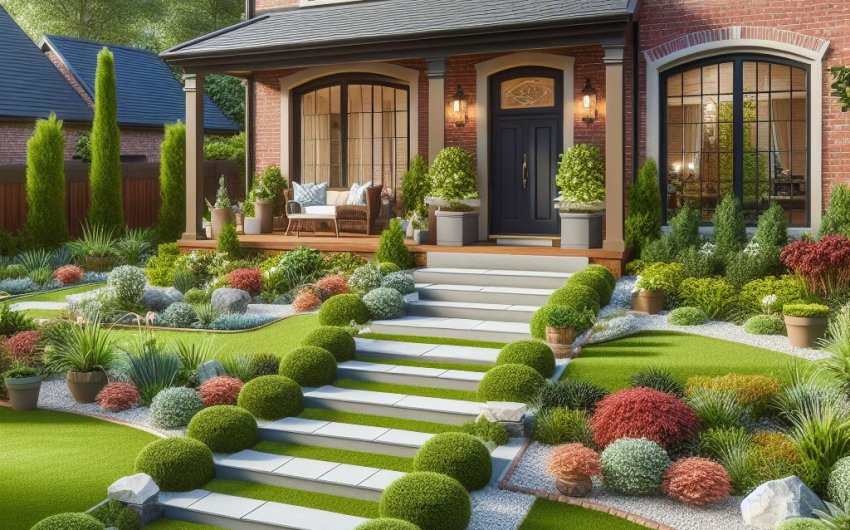
To elevate your curb appeal with simple front yard landscaping solutions, focus on easy, high-impact changes like defining pathways, creating inviting planting beds with resilient plants, adding a welcoming focal point, and improving lighting. These budget-friendly strategies transform your home's exterior without extensive renovations, providing a refreshed and inviting entrance.
Why is front yard curb appeal a smart investment for every homeowner?
Front yard curb appeal is far more than just aesthetics; it's a smart and strategic investment for every homeowner. The front yard serves as your home's public face, dictating first impressions and significantly influencing property value. Simple landscaping solutions can dramatically elevate this appeal, transforming an ordinary exterior into an inviting welcome that reflects your style and increases your home's perceived worth without the need for extensive, costly renovations.
What defines "curb appeal" and why does it matter?
Curb appeal is the visual attractiveness of a house and its surroundings as seen from the street. It's the instant judgment that potential buyers, guests, and even neighbors make.
- Definition: Curb appeal encompasses the overall impression created by your home's exterior, including the house itself (paint, windows, roof) and the surrounding landscape (lawn, plants, pathways, hardscaping).
- Why it Matters:
- First Impression: It's the very first thing people notice, creating an immediate and lasting impression, positive or negative.
- Increased Property Value: High curb appeal can significantly increase a home's market value and speed up its sale. Studies often show a strong correlation between good landscaping and higher appraisal values.
- Neighborhood Enhancement: A well-maintained front yard contributes to the overall beauty and desirability of your neighborhood.
- Personal Enjoyment: A beautiful front yard brings personal satisfaction and pride of ownership.
- Welcoming Atmosphere: An inviting entrance makes guests feel welcome before they even step inside.
- Reduced Stress (for sellers): Higher curb appeal generates more interest from potential buyers and can even lead to multiple offers.
What are common elements that enhance front yard curb appeal?
Various components contribute to a strong, positive first impression.
- Lush, Healthy Lawn: A green, well-maintained lawn signals care and attention.
- Defined Pathways: Clear, attractive, and safe routes to the front door.
- Inviting Planting Beds: Thoughtfully arranged flowers, shrubs, and groundcovers that add color, texture, and seasonal interest.
- Focal Points: Elements that draw the eye and provide visual interest (e.g., a striking tree, a welcoming porch, a garden sculpture).
- Clean Hardscaping: Well-maintained driveway, patio, and steps.
- Architectural Features: The house itself (clean siding, fresh paint, well-maintained windows and doors).
- Outdoor Lighting: Enhances safety, highlights features, and extends appeal into the evening.
- Containers/Urns: Seasonal plantings that add immediate color and charm.
What are the dangers of neglecting front yard landscaping?
A neglected front yard can detract significantly from your home's appeal and value.
- Decreased Property Value: Poor landscaping can actively diminish a home's market value, often more than the cost of remediation.
- Negative First Impression: Creates an immediate sense of neglect, giving potential buyers a negative perception before they even enter the home.
- Reduced Buyer Interest: Homes with poor curb appeal often sit on the market longer and generate fewer inquiries.
- Unhospitable Entrance: Overgrown or poorly defined paths can feel unwelcoming.
- Pest Harborage: Overgrown weeds and unkempt areas can harbor pests.
- Safety Hazards: Cracked pathways, poor lighting, or overgrown plants can create tripping hazards.
By understanding the significant impact of curb appeal and embracing simple, strategic landscaping solutions, every homeowner can transform their front yard into an inviting, valuable, and stunning outdoor oasis.
How do I plan simple front yard landscaping solutions effectively?
Effective front yard landscaping, even with simple solutions, requires thoughtful planning. This involves assessing your existing conditions, defining clear goals, and setting a realistic budget. A well-thought-out plan acts as your blueprint, ensuring every effort contributes to a cohesive, stunning front yard makeover that elevates your home's curb appeal.
1. Assess your front yard's existing conditions.
Before making any changes, understand what you're working with.
- Sunlight Exposure (Crucial for Plants):
- DO: Observe your entire front yard throughout a full day (or several days across seasons). Note precisely how many hours of direct sunlight different areas receive.
- Why: This is the most critical factor dictating which plants will thrive. Map areas of full sun (6+ hours), partial sun (3-6 hours), and shade (<3 hours).
- Consider: Shadows cast by your house, large existing trees, or neighboring structures. These will change seasonally.
- Soil Type and Health:
- DO: Conduct a soil test (pH, nutrient levels) from your local agricultural extension office.
- DO: Perform a percolation test (dig a 12" hole, fill with water; if it takes >4 hours to drain, you have poor drainage).
- Why: Informs plant choices and necessary soil amendments (e.g., adding compost to clay soil).
- Existing Features & Utilities:
- DO: Identify and precisely locate all permanent features: mature trees, shrubs, existing pathways, driveway, utility meters, and outdoor faucets.
- DO: Call 811 (Dig Safely) in the U.S. to have underground utility lines marked before any digging.
- Why: These are fixed elements to integrate or work around.
- Slope and Drainage:
- DO: Note any slopes or low spots where water collects.
- Why: Critical for managing stormwater runoff, preventing erosion, and avoiding plant root rot.
- Architectural Style of Your Home:
- DO: Step back and clearly identify your home's architectural style (e.g., Modern, Craftsman, Colonial, Ranch).
- Why: The landscape design should inherently complement and enhance the house.
2. Define your simple, high-impact goals.
What achievable changes will make the biggest difference?
- Prioritize Easy Wins:
- DO: Focus on aspects that offer high impact with relatively low effort and cost: defining pathways, refreshing planting beds, adding seasonal color in containers, improving lighting, or a tidy lawn.
- Why: These immediately boost curb appeal without major renovations.
- Functionality:
- DO: Is the path clear, safe, and inviting to your front door?
- DO: Do you need basic screening for utility boxes?
- Aesthetic Style (Simple Focus):
- DO: Choose a simplified garden aesthetic that complements your home (e.g., a "clean and classic" look, "colorful cottage charm," or "low-maintenance modern").
- Why: Provides a cohesive vision for choices.
- DON'T: Try to implement a complex, high-maintenance design if you want simple solutions.
- Maintenance Level:
- DO: Be realistic about the time you can dedicate to ongoing maintenance. Choose low-maintenance plants and hardscaping.
- Why: Sustainable landscaping is about enjoying it, not being burdened by it.
3. Create a simple design plan.
Even for simple solutions, a plan prevents mistakes and ensures cohesion.
- Sketch It Out (Roughly):
- DO: Draw a basic sketch of your front yard. Include the house, driveway, existing key features, and utility lines.
- DO: On the sketch, brainstorm where you'd like to make simple changes (e.g., "new mulch in bed," "add path lights," "container by door").
- Why: Helps visualize the space and relationships.
- Focus on "The Bones":
- DO: Prioritize the basic structure: clear pathway, defined bed edges, main focal points (like the front door).
- Why: These elements have the biggest impact.
- Layer Plantings (Simple):
- DO: Plan 1-2 layers of plants in beds: a front layer of low-growing plants/edging, and a back layer of taller shrubs/perennials.
- Plant Selection (Specifics):
- DO: For each plant, research its mature size, light/water/soil needs, and hardiness zone. Choose hardy, low-maintenance varieties.
- Why: Prevents overcrowding and ensures plants thrive with minimal fuss.
- Budgeting (Key for Simple Solutions):
- DO: Estimate costs for mulch, a few new plants, containers, and lighting.
- Why: Helps you prioritize the most impactful, budget-friendly changes.
By meticulously assessing your site, defining clear, achievable goals, and creating a simple design plan, you establish the blueprint for an effective front yard landscape makeover, transforming your outdoor oasis with stunning yet simple solutions that dramatically elevate your curb appeal.
1. Refreshing Pathways and Entryway: Guiding the Eye Home
A welcoming entryway is the ultimate handshake of your home's exterior. Refreshing pathways and the entryway is one of the simplest yet most impactful front yard landscaping solutions, transforming a utilitarian route into an inviting journey that guides the eye and warmly welcomes guests, dramatically elevating curb appeal.
What makes a pathway and entryway welcoming?
These elements create a powerful first impression, both functionally and aesthetically.
- Clarity and Definition:
- DO: The path should be clear, easy to see, and free from obstructions.
- Why: Provides a sense of direction and safety.
- Safety:
- DO: The path and steps should be even, slip-resistant, and well-lit.
- Why: Prevents trips and falls.
- Inviting Aesthetics:
- DO: The pathway should be visually appealing, complementary to the house, and softened by surrounding plantings.
- Why: Makes guests feel welcome.
- Transition Space:
- DO: The entryway (porch, steps) serves as a transition from outside to inside, a perfect spot for welcoming decor.
Simple solutions for refreshing pathways:
Even small changes can make a big difference.
- Clean and Clear:
- DO: Power wash existing concrete or paver pathways and steps to remove dirt, grime, and moss. Remove any weeds growing in cracks.
- Why: Immediately brightens and tidies the path.
- Define Edges:
- DO: Add crisp, low-cost edging (e.g., landscape timbers, bricks, metal edging) along the sides of your pathway to define its borders.
- Why: Creates a neat, finished look and prevents mulch/soil from spilling onto the path.
- Enhance with Groundcover/Low Plants:
- DO: For wider paths or areas between stepping stones, plant low-growing, durable groundcovers (e.g., creeping thyme, sedum, mondo grass) that can tolerate light foot traffic.
- Why: Softens hard edges, adds texture, and creates visual appeal.
- A common option is creeping thyme groundcover plants.
- Improve Gravel Paths:
- DO: Rake and replenish gravel paths to keep them neat and full. Consider adding a gravel stabilizer grid for better long-term performance.
- Repair Minor Cracks:
- DO: Use concrete crack filler for small cracks in concrete paths.
- Why: Improves safety and aesthetics.
Simple solutions for an inviting entryway:
Focus on the immediate area around your front door.
- Clean and Declutter:
- DO: Power wash your porch, front steps, and front door. Remove any clutter (old shoes, excessive decorations).
- Why: Creates an immediate sense of freshness and order.
- Paint Your Front Door:
- DO: A fresh coat of paint in a welcoming or contrasting color can dramatically boost your home's curb appeal.
- Why: A simple, high-impact change.
- Add Seasonal Container Plantings:
- DO: Place large, attractive containers (urns, terracotta pots, glazed ceramic pots) on either side of the front door or along the steps. Fill them with vibrant seasonal flowers (e.g., spring bulbs, summer annuals, fall mums, winter evergreens) or elegant foliage plants.
- Why: Adds instant color, life, and a changing display. A good option is large outdoor planters for front porch.
- Update Welcome Mat:
- DO: Replace old, worn mats with a fresh, inviting one that complements your home's style.
- Wreath or Door Decor:
- DO: Add a simple, seasonal wreath or other door decor.
- Seating (if space allows):
- DO: Place a comfortable, attractive bench or a pair of bistro chairs.
- Why: Makes the entryway feel more inviting and can extend living space.
- Lighting:
- DO: Ensure your porch light is clean, working, and provides good illumination. Consider updating it if it's outdated.
By focusing on these simple solutions for refreshing pathways and creating a welcoming entryway, you can dramatically elevate your front yard's curb appeal, making your home feel more inviting and stunning.
2. Defining Planting Beds: Structure and Seasonal Color
Defined planting beds are a powerful yet simple front yard landscaping solution, bringing structure, order, and vibrant seasonal color to your outdoor oasis. Moving beyond scattered plants, clearly delineated beds frame your home, highlight key features, and provide a cohesive canvas for a stunning array of plants, dramatically elevating curb appeal.
Why are defined planting beds so impactful?
Well-defined planting beds provide both aesthetic and practical benefits for your front yard.
- Creates Structure and Order:
- DO: Clean, crisp edges immediately give your landscape a polished, professional, and well-maintained look.
- Why: Organizes your planting areas and creates visual appeal.
- Frames the House:
- DO: Beds that flank the foundation of your home help integrate it with the landscape, softening harsh lines and creating a sense of belonging.
- Why: Enhances architectural features.
- Showcases Plants:
- DO: Defined beds provide a dedicated stage for your flowers, shrubs, and trees, allowing their colors, textures, and forms to stand out.
- Ease of Maintenance:
- DO: Clear boundaries make mowing and weeding easier by preventing grass from creeping into beds and vice-versa.
- Adds Seasonal Interest:
- DO: Beds allow for diverse plantings that provide continuous beauty throughout the year.
Simple solutions for defining planting beds:
Even without major construction, you can achieve clear, attractive bed edges.
- Trench Edge (Spade Edge):
- DO: Use a straight-edged spade to cut a clean, vertical trench (about 4-6 inches deep) along the perimeter of your bed.
- Why: Creates a crisp, natural-looking edge without needing materials. Requires regular maintenance to keep sharp.
- Plastic/Metal Edging:
- DO: Install simple, inexpensive plastic or metal landscape edging along your bed borders.
- Why: Provides a durable, low-maintenance edge that prevents grass invasion.
- A common option is plastic landscape edging roll.
- Brick/Stone Edging:
- DO: Lay a single row of bricks, pavers, or natural stones along the bed perimeter.
- Why: Adds a more classic, finished look and creates a mowing strip (where mower wheels can run, reducing string trimming).
- DON'T: Lay bricks directly on soil if you want long-term stability; use a shallow trench with sand.
Simple solutions for vibrant seasonal color in beds:
Once defined, fill your beds with plants that provide continuous beauty.
- Foundation Plants (Year-Round Structure):
- DO: Plant easy-care evergreen shrubs (e.g., dwarf hollies, junipers, boxwood) near your house foundation.
- Why: Provide year-round green structure and a backdrop for other plantings. Choose varieties that don't grow too large for the space.
- Layered Perennials:
- DO: Plant reliable, low-maintenance perennial flowers in groups for mass appeal.
- Front Layer (low-growing): Daylilies, Hostas (for shade), Coreopsis, Salvia 'May Night', Creeping Phlox.
- Mid Layer: Coneflower (Echinacea purpurea), Garden Phlox (Phlox paniculata), Liriope, Ornamental Grasses (e.g., 'Karl Foerster' Feather Reed Grass).
- Why: Provide consistent blooms and texture that return year after year.
- A good option is Echinacea purpurea plants.
- DO: Plant reliable, low-maintenance perennial flowers in groups for mass appeal.
- Seasonal Annuals (for continuous color):
- DO: Use annuals (e.g., impatiens/begonias for shade; petunias, zinnias, marigolds for sun) to fill gaps and provide continuous, vibrant color from spring to frost.
- Why: Offer an immediate and reliable burst of seasonal color.
- Mass Planting:
- DO: Plant groups of 3-5 (or more) of the same plant.
- Why: Creates a bolder, more impactful statement than single scattered plants.
- Mulch:
- DO: Apply a 2-3 inch layer of organic mulch (wood chips, shredded bark, compost) to planting beds.
- Why: Suppresses weeds, retains soil moisture, and moderates soil temperature, significantly reducing maintenance.
By focusing on defining your planting beds with clean edges and filling them with a thoughtful mix of low-maintenance plants for continuous seasonal color, you can dramatically transform your front yard, elevating its curb appeal with simple, impactful landscaping solutions.
3. Creating a Focal Point: Drawing the Eye and Adding Drama
Creating a focal point is one of the most effective and simple front yard landscaping solutions to add visual interest, character, and a sense of purpose to your outdoor oasis. A well-chosen and strategically placed focal point immediately draws the eye, enhancing the curb appeal and transforming an ordinary space into a stunning, intentional landscape.
Why is a focal point essential for front yard design?
A focal point is a single element that stands out and attracts attention, providing an anchor for the eye.
- Draws the Eye:
- DO: It's the first thing people notice, guiding their gaze and creating visual interest.
- Why: Prevents the eye from aimlessly wandering and helps organize the landscape.
- Adds Character and Personality:
- DO: A unique focal point allows you to infuse your front yard with your personal style and taste.
- Creates Drama and Impact:
- DO: It makes a statement, elevating the overall aesthetic from mundane to memorable.
- Defines Space:
- DO: A central feature can help define areas within the front yard.
- Year-Round Interest:
- DO: Choose a focal point that looks good in all seasons.
Simple solutions for creating a focal point:
You don't need a grand statue; even small elements can make a big impact.
- A Specimen Tree:
- DO: Plant a single, exceptionally attractive tree that provides multi-seasonal interest.
- Examples: A Japanese Maple (Acer palmatum) with its delicate foliage and stunning fall color; a Flowering Dogwood (Cornus florida) for spring blooms and winter berries; a Serviceberry (Amelanchier spp.) for spring flowers, summer berries, and fall color.
- Why: Provides vertical interest, shade, and year-round beauty.
- Placement: Consider it for the center of an open lawn, or at a corner of the house.
- A Decorative Water Feature:
- DO: Install a small, self-contained fountain, bird bath, or bubbling rock that adds both visual appeal and a soothing sound.
- Why: Creates a tranquil ambiance and attracts birds, bringing life to your garden.
- Placement: Near the entryway, in a quiet corner, or as the centerpiece of a flower bed. A good option is outdoor bubbling rock fountain.
- A Garden Sculpture:
- DO: Choose a tasteful garden sculpture made from stone, metal, wood, or ceramic that complements your home's style.
- Why: Adds artistic flair, texture, and year-round interest.
- Placement: At the end of a pathway, nestled among plants, or near a seating area. A common option is garden statue bird feeder.
- An Attractive Urn or Planter:
- DO: Place a large, elegant urn or decorative planter, filled with seasonal flowers or a striking architectural plant, near the front door or in a prominent bed.
- Why: Provides a burst of color and a sense of grandeur.
- A Unique Bench or Seating Area:
- DO: If space allows, a beautifully designed garden bench or a small bistro set can serve as a focal point, inviting contemplation or relaxation.
- Why: Creates a sense of hospitality and extends living space.
- A Statement Plant (Shrub/Perennial):
- DO: A particularly striking shrub (e.g., a weeping evergreen, an ornamental grass with dramatic plumes) or a mass planting of a single, vibrant perennial (e.g., a large clump of coneflowers) can act as a focal point.
Placement tips for effective focal points:
- Consider Viewpoints:
- DO: Stand at various points (from the street, driveway, front door, windows) to assess where the focal point will have the most impact.
- Use Negative Space:
- DO: Allow some clear space around the focal point so it stands out and doesn't get lost in clutter.
- Background:
- DO: Place the focal point against a contrasting background (e.g., a light-colored statue against dark green foliage) to enhance its visibility.
- Lighting:
- DO: Use subtle uplighting or spotlights to illuminate your focal point at night, extending its visual appeal.
By strategically creating a captivating focal point, you can dramatically transform your front yard, drawing the eye, adding drama, and elevating your home's curb appeal with simple yet impactful landscaping solutions.
4. Improving Hardscaping: Structure, Durability, and Style
Improving hardscaping elements is a fundamental and often simple front yard landscaping solution that dramatically elevates curb appeal. Hardscaping—which includes pathways, driveways, steps, and retaining walls—provides essential structure, durability, and style, creating the framework upon which all other planting elements depend. Enhancing these features transforms a utilitarian space into an inviting and polished entrance.
Why is hardscaping crucial for a stunning front yard?
Hardscaping forms the permanent "bones" of your landscape, offering long-term benefits.
- Provides Structure:
- DO: Pathways, driveways, and retaining walls define the layout and flow of your front yard.
- Why: Creates a sense of order, purpose, and visual appeal.
- Durability and Longevity:
- DO: Made from resilient materials, hardscaping elements are built to last, withstanding weather and heavy use.
- Functionality:
- DO: Provides safe, stable, and accessible surfaces for walking, driving, and entertaining.
- Complements Architecture:
- DO: The materials and style of your hardscaping should harmonize with your home's architectural style.
- Low Maintenance (Once Installed):
- DO: Properly installed hardscaping generally requires less ongoing maintenance than planting beds.
Simple solutions for refreshing pathways and steps:
These changes have an immediate impact on curb appeal and safety.
- Clean and Repair:
- DO: Power wash existing concrete or paver pathways and steps to remove dirt, grime, moss, and mildew.
- DO: Repair minor cracks in concrete with crack filler. Re-level loose pavers or stepping stones.
- Why: Instantly brightens and tidies, improving both aesthetics and safety.
- Define Edges:
- DO: Add crisp, low-cost edging (e.g., landscape timbers, bricks, metal edging) along pathways and around beds.
- Why: Creates a neat, finished look, preventing grass or mulch from encroaching.
- Enhance with Border Plantings:
- DO: Plant low-growing, compact plants (e.g., dwarf mondo grass, liriope, creeping thyme) along path edges.
- Why: Softens hard lines, adds texture, and guides the eye.
- Lighting:
- DO: Install simple, elegant pathway lighting (solar or low-voltage LED) to illuminate paths and steps.
- Why: Crucial for nighttime safety and enhancing curb appeal after dark. A good option is solar powered pathway lights outdoor.
Simple solutions for refreshing driveways and parking areas:
Improving these large surfaces has a major impact.
- Clean and Seal:
- DO: Power wash concrete or asphalt driveways to remove stains and dirt.
- DO: Apply a driveway sealer (for asphalt) or concrete sealant (for concrete) every few years.
- Why: Protects the surface, enhances appearance, and prolongs its life.
- Edge Driveways:
- DO: Add decorative edging (pavers, brick, stone) along the sides of the driveway.
- Why: Creates a polished look and prevents grass or gravel encroachment.
- Gravel Driveways:
- DO: Rake and replenish gravel as needed to maintain a smooth, full surface.
- DO: Consider adding a gravel stabilizer grid for a firmer, cleaner surface that reduces shifting.
Simple solutions for improving retaining walls or low walls:
These structures provide definition and planting opportunities.
- Clean and Repair:
- DO: Power wash stone or brick walls. Repair any loose mortar or unstable sections.
- Why: Ensures safety and improves appearance.
- Soften with Plantings:
- DO: Plant trailing plants (e.g., creeping phlox, sedum, cascading petunias) to spill over the top of low walls.
- DO: Plant shrubs or perennials at the base to soften the lines.
- Why: Integrates the hardscaping with the living elements of the garden.
- Low Edging Walls:
- DO: Install new low walls (e.g., stacked stone, brick, pre-cast blocks) to define beds or terracing on gentle slopes.
- Why: Adds structure and helps manage minor elevation changes.
By focusing on these simple solutions for improving hardscaping elements, you provide essential structure, enhance durability, and elevate the overall style of your front yard, dramatically boosting its curb appeal with lasting impact.
5. Integrating Outdoor Lighting: Ambiance, Safety, and Security
Integrating outdoor lighting is one of the most effective yet simple front yard landscaping solutions to dramatically elevate curb appeal, transforming your home's exterior from a daytime display into an enchanting evening oasis. Thoughtful lighting enhances ambiance, ensures safety, and adds a crucial layer of security, creating a welcoming glow after dark.
Why is outdoor lighting so impactful for curb appeal?
Lighting works magic after the sun sets, showcasing your home and garden in a new dimension.
- Extended Enjoyment:
- DO: Lighting extends the hours you can enjoy your front yard, showcasing your landscaping even after dark.
- Enhanced Aesthetics:
- DO: It highlights key architectural features of your home, draws attention to focal points in your garden, and creates dramatic shadows and visual depth.
- Why: Transforms the garden's appearance at night.
- Safety:
- DO: Well-lit pathways, steps, and entryways prevent trips and falls, making your home safer for residents and guests.
- Why: Crucial for navigating your property in the dark.
- Security:
- DO: Strategically placed lighting illuminates dark corners and entry points, deterring potential intruders.
- Why: Increases visibility and peace of mind.
- Warmth and Welcome:
- DO: A warm, inviting glow from outdoor lights makes your home feel more welcoming and hospitable.
Simple solutions for enhancing ambiance and aesthetics with light:
Focus on highlighting key features without over-illuminating.
- Accent Lighting for Focal Points:
- DO: Use uplights or spotlights to illuminate a beautiful specimen tree, a garden sculpture, a striking shrub, or an architectural element of your home.
- Why: Creates drama and draws the eye to specific features.
- Highlight Architectural Features:
- DO: Use subtle uplighting along the base of your home's exterior walls or columns to highlight texture and architectural details.
- DON'T: Use harsh, overpowering lights.
- Moonlighting (Effect):
- DO: Mount a discreet light source high in a tree, aiming it downward to create a soft, dappled glow on the ground below, mimicking moonlight.
- Why: Creates a magical, ethereal ambiance.
- String Lights (for defined areas):
- DO: Drape outdoor string lights under a porch ceiling, over a pergola, or around a small seating area.
- Why: Creates a festive, cozy, and inviting atmosphere.
- Deck/Step Lighting:
- DO: Install small, recessed lights along steps or deck railings.
- Why: Adds both safety and subtle ambiance.
Simple solutions for improving safety and security with light:
Functional lighting is essential for peace of mind.
- Pathway Lighting:
- DO: Install low-voltage LED pathway lights along your front walk, driveway, and any other footpaths. Space them evenly to avoid dark spots.
- Why: Clearly illuminates the walking surface, preventing trips and guiding visitors safely.
- A good option is solar powered pathway lights outdoor.
- Entryway Lighting:
- DO: Ensure your porch light is bright enough to illuminate the immediate area around your front door. Consider sconces on either side of the door.
- Why: Provides light for finding keys, seeing guests, and enhancing security.
- Motion-Sensor Lighting:
- DO: Install motion-sensor lights in key areas (e.g., near garages, side entries, or dark corners).
- Why: Provides an immediate burst of light when motion is detected, deterring intruders and alerting you to activity.
- Consistent Illumination:
- DO: Aim for a balanced level of illumination across the entire front yard. Avoid creating very bright spots next to very dark shadows.
What are popular types of outdoor lighting for DIYers?
- Solar-Powered Lights:
- Pros: Easy to install (no wiring), no electricity cost, good for path lighting and accents.
- Cons: Less intense light, inconsistent performance on cloudy days, shorter lifespan for some.
- Low-Voltage LED Lighting:
- Pros: Energy-efficient, brighter, more reliable, wide range of fixtures, safer than high-voltage. Can be DIY with kits.
- Cons: Requires transformer and some wiring (though low-voltage is easier).
- Line-Voltage Lighting (120V):
- Pros: Very bright, good for security or illuminating large areas.
- Cons: Requires a licensed electrician for installation, more expensive, higher energy use.
General Tips for Outdoor Lighting:
- Plan it Out:
- DO: Sketch your lighting plan before buying.
- Layer Lighting:
- DO: Combine different types of lights (path, accent, security) for a balanced effect.
- Avoid Light Pollution:
- DO: Aim lights downwards or shield them to avoid shining directly into neighbors' windows or up into the sky.
- Timers/Smart Controls:
- DO: Use timers or smart home systems to automate lighting schedules, improving energy efficiency and security.
By strategically integrating outdoor lighting, you can dramatically transform your front yard, enhancing its ambiance, safety, and security, creating a welcoming and stunning entrance that elevates your home's curb appeal, day and night.