
What Are the Care Requirements for Boston Ferns?
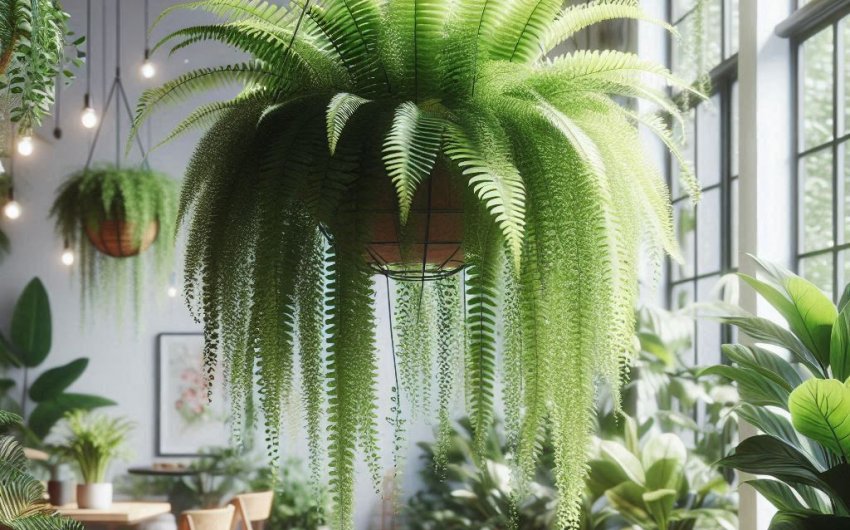
Bringing the lush, vibrant green of a Boston fern into your home can transform any space, but maintaining its signature fullness requires understanding its specific environmental needs. Delving into the precise care requirements for Boston ferns is essential for cultivating a thriving specimen that graces your interior with its delicate, arching fronds. This guide will walk you through every aspect of nurturing these popular houseplants, ensuring your Boston fern remains healthy and beautiful.
What are the ideal light conditions for Boston ferns?
Understanding the optimal light exposure is fundamental to the care requirements for Boston ferns. As understory plants in their native habitats, they prefer consistent, gentle illumination and can easily suffer from too much direct sun.
How much light does a Boston fern need?
Boston ferns thrive in bright, indirect light. This means placing them near a window where they receive plenty of ambient light but are shielded from direct sunbeams, especially during the hottest parts of the day.
- North-facing window: Often ideal, providing consistent, diffused light throughout the day.
- East-facing window: Offers gentle morning sun, which is usually fine for Boston ferns. Pull the plant back a foot or two if the morning sun seems too intense.
- South or West-facing window: These locations typically provide strong, direct afternoon sun that can scorch a Boston fern's delicate fronds. If these are your only options, make sure to use sheer curtains or place the plant far enough away from the window so it only receives indirect light.
What are the signs of too much light?
- Scorched or bleached fronds: Direct sunlight will cause the fronds to turn pale green, yellow, or even crispy brown in patches.
- Stunted growth: The plant may stop producing new fronds.
- Overall dull appearance: The vibrant green may fade.
What are the signs of too little light?
- Sparse or leggy growth: The fronds might become stretched out and less dense as the plant tries to reach for more light.
- Lack of vibrancy: The color might appear duller green.
- Reduced new growth: The plant won't put out as many new fronds.
Finding the perfect balance of light is crucial for your Boston fern's health and appearance. Adjust its position as seasons change and light intensity varies.
How often should you water a Boston fern?
Proper watering is one of the most critical care requirements for Boston ferns, as they are sensitive to both overwatering and underwatering. Their preference for consistent moisture requires a careful approach to prevent common issues like root rot or crispy fronds.
What is the ideal watering schedule for a Boston fern?
Boston ferns prefer their soil to be consistently moist, but never soggy. The key is to water thoroughly when the top inch or two of the soil just begins to feel dry to the touch.
- Finger test: Stick your finger about an inch or two into the soil. If it feels slightly dry, it's time to water. If it still feels wet, wait.
- Pot weight: Over time, you'll learn to gauge the weight of your pot. A dry pot feels significantly lighter than a well-watered one.
- Seasonal adjustment: Your fern will require more frequent watering during its active growing season (spring and summer) and less during fall and winter when growth slows down. Factors like humidity, temperature, and pot size also influence frequency.
How do you water a Boston fern properly?
- Water thoroughly: Pour water slowly and evenly over the entire soil surface until you see it draining from the bottom of the pot. This ensures the entire root ball is saturated.
- Drain excess water: It is absolutely essential to empty any standing water from the saucer beneath the pot immediately. Allowing the plant to sit in stagnant water leads to root rot.
- Use appropriate water: Tap water is generally fine for Boston ferns, but if your tap water is heavily chlorinated, you might consider letting it sit out for 24 hours to allow chlorine to dissipate, or use filtered water.
What are the signs of overwatering?
- Yellowing fronds: Especially on older, lower fronds.
- Wilting: Even though the soil is wet, the plant may wilt because the roots are suffocating.
- Mushy stems or a foul odor from the soil: Indicative of root rot.
- Fungus gnats: Small flying insects attracted to constantly wet soil.
What are the signs of underwatering?
- Crispy, dry fronds: The tips and edges of the fronds will turn brown and become brittle.
- Overall dullness and lack of vigor: The plant will look lifeless.
- Frond drop: Leaves may shed excessively.
- Soil pulling away from the edges of the pot: A sign of very dry soil.
Mastering the art of watering for your Boston fern requires consistent attention and adaptation to its environment.
What kind of soil mix do Boston ferns need?
The right potting medium is a fundamental aspect of the care requirements for Boston ferns, directly impacting their root health and ability to absorb moisture and nutrients. A well-chosen soil mix is crucial for preventing waterlogging and ensuring good aeration.
What are the characteristics of ideal Boston fern soil?
Boston ferns thrive in a soil mix that is moisture-retentive yet well-draining and airy. This balance is key: the soil needs to hold onto water long enough for the roots to absorb it, but excess water must be able to drain away quickly to prevent suffocation and root rot.
- Moisture retention: The mix should be able to hold a good amount of water.
- Good drainage: Excess water must be able to flow freely out of the pot.
- Aeration: There should be plenty of air pockets for the roots to breathe.
- Slightly acidic: Boston ferns prefer a slightly acidic to neutral pH, typically between 6.0 and 6.5.
What is a good soil mix recipe for Boston ferns?
You can create an excellent custom potting mix for your Boston fern by combining the following components:
- 1 part high-quality indoor potting mix: This forms the base and provides initial nutrients.
- 1 part peat moss or coco coir: These components are excellent for moisture retention and also contribute to a slightly acidic pH. Peat moss for plants is a traditional choice, but coco coir for plants is a more sustainable alternative.
- 1 part perlite or coarse sand: These are crucial for improving drainage and aeration, preventing the mix from becoming too dense and waterlogged. Perlite for plants is lightweight and highly effective.
This combination will provide the perfect balance of moisture retention, drainage, and aeration that Boston ferns need to thrive. Avoid using heavy garden soil, which can easily become compacted and lead to waterlogging in a pot.
How much humidity do Boston ferns need?
Humidity is a non-negotiable component of the care requirements for Boston ferns. As native inhabitants of tropical and subtropical regions, these ferns are accustomed to consistently high levels of moisture in the air. Lack of adequate humidity is one of the most common reasons Boston ferns struggle indoors.
What is the ideal humidity range for Boston ferns?
Boston ferns thrive in high humidity, ideally between 60% and 80%. Most indoor environments, especially with central heating or air conditioning, have much lower humidity levels, often in the 30-50% range. This significant difference is why ferns often suffer from crispy fronds and overall decline.
How can you increase humidity for your Boston fern?
There are several effective methods to provide the moist environment your Boston fern craves:
- Use a humidifier: This is by far the most effective way to consistently maintain high humidity around your fern. Place a plant humidifier nearby, ensuring the mist doesn't directly soak the plant for extended periods.
- Pebble tray: Place a layer of pebbles in a shallow tray and fill it with water just below the top of the pebbles. Set your fern's pot on top of the pebbles (not in the water). As the water evaporates, it creates a more humid microclimate around the plant.
- Group plants together: Plants release moisture into the air through transpiration. Grouping your Boston fern with other houseplants can create a localized pocket of higher humidity.
- Misting: While less effective than a humidifier for long-term humidity, misting the fronds with a fine-mist spray bottle a few times a day can provide a temporary boost. Do this in the morning so the leaves have time to dry before nightfall, reducing the risk of fungal issues.
- Location: Bathrooms or kitchens often have naturally higher humidity levels due to showers and cooking, making them good spots for Boston ferns if light conditions are met.
What are the signs of low humidity?
- Brown, crispy frond tips and edges: This is the most common and tell-tale sign of insufficient humidity. The fronds will dry out and become brittle.
- Stunted new growth: New fronds may not unfurl properly or may appear smaller and less vibrant.
- Overall browning and decline: If humidity remains low, the entire plant can start to brown and wither.
Prioritizing humidity is paramount for your Boston fern's vitality and beautiful appearance.
How do you fertilize a Boston fern?
Proper fertilization is an important part of the care requirements for Boston ferns, but it's often an area where less is more. These ferns are not heavy feeders and can easily be damaged by over-fertilization.
When should you fertilize a Boston fern?
Fertilize your Boston fern only during its active growing season, which typically runs from spring through early fall. Avoid fertilizing during the dormant period in late fall and winter when the plant's growth naturally slows down.
What type of fertilizer is best for Boston ferns?
- Balanced liquid fertilizer: A balanced (e.g., 20-20-20 or 10-10-10) liquid houseplant fertilizer is generally recommended.
- Specialty fern fertilizer: You can also find fertilizers specifically formulated for ferns, which might have a slightly higher nitrogen content to promote lush foliage.
- Organic options: Some gardeners prefer using organic options like worm castings or a dilute fish emulsion, which provide nutrients gently over time.
How often and how much should you fertilize?
- Dilution is key: The most important rule for fertilizing Boston ferns is to dilute the fertilizer to half or even quarter strength of what the product label recommends. They are very sensitive to fertilizer burn.
- Frequency: Fertilize once every 4-6 weeks during the growing season. If using a very dilute solution (quarter strength), you might do it every 2-3 weeks.
- Always water first: Never fertilize a dry plant. Always water your Boston fern thoroughly a few hours before applying fertilizer. This prevents root burn.
What are the signs of over-fertilization?
- Brown or crispy frond tips and edges: This is very similar to the symptoms of low humidity or underwatering, but it will be accompanied by a white crust of fertilizer salts on the soil surface.
- Stunted growth: Despite being "fed," the plant looks unhealthy and isn't growing.
- Wilting: The plant may wilt, even if the soil is moist.
If you suspect over-fertilization, flush the soil thoroughly with clean water to wash out excess salts. You can do this by watering slowly and consistently until water drains from the bottom for several minutes.
By fertilizing sparingly and always diluting, you'll provide your Boston fern with the nutrients it needs without risking damage.
When should you repot a Boston fern?
Repotting is a necessary part of the care requirements for Boston ferns as they grow, but they generally prefer to be a bit root-bound. Knowing when and how to repot minimizes stress and ensures continued healthy growth.
What are the signs your Boston fern needs repotting?
- Roots growing out of drainage holes: This is the clearest indicator that the plant has outgrown its current pot.
- Stunted growth: If your fern isn't putting out new fronds or growing as vigorously as it once did, despite good care, it might be root-bound.
- Soil drying out very quickly: If you find yourself watering much more frequently than usual, it's likely because the pot is mostly roots and very little soil to retain moisture.
- The plant becomes top-heavy: If the fern is unstable and easily tips over, its root ball may be too large for the current pot.
When is the best time to repot a Boston fern?
The ideal time to repot your Boston fern is in spring or early summer, just as its active growing season begins. This gives the plant ample time to recover from the stress of repotting and establish itself in its new home.
How do you repot a Boston fern?
- Choose the right pot: Select a new pot that is only 1-2 inches larger in diameter than the current one. Going too big can lead to excess soil staying wet for too long, increasing the risk of root rot. Ensure the pot has good drainage holes. You can use a plastic nursery pot or a terracotta pot with drainage.
- Prepare the new pot: Add a layer of your well-draining Boston fern soil mix to the bottom of the new pot.
- Remove the plant: Carefully tip the old pot on its side and gently slide the fern out. If it's stuck, you may need to gently squeeze the pot or use a trowel around the edges. Avoid pulling on the fronds.
- Inspect and untangle roots: Gently loosen any circling or compacted roots at the bottom and sides of the root ball. You can also lightly prune away any mushy, brown, or dead roots (signs of root rot).
- Place the plant: Center the fern in the new pot, ensuring the crown (where the fronds emerge from the soil) is at the same level as it was in the old pot. Don't bury the crown.
- Add soil: Fill the rest of the pot with fresh soil mix, gently tamping it down to remove large air pockets. Leave about an inch of space from the rim of the pot for watering.
- Water thoroughly: Water the plant well after repotting to help the soil settle around the roots.
- Post-repotting care: Place the newly repotted fern in a spot with bright, indirect light. Avoid fertilizing for a few weeks to allow the plant to recover from the transplant shock.
By repotting thoughtfully, you provide your Boston fern with renewed space and fresh nutrients for continued vigorous growth.
How do you prune a Boston fern?
Pruning is a simple but important aspect of the care requirements for Boston ferns, helping to maintain their tidy appearance, encourage new growth, and remove any unsightly or unhealthy fronds. Regular light pruning will keep your fern looking its best.
Why is pruning important for a Boston fern?
- Aesthetics: Removing yellow, brown, or crispy fronds makes your fern look much neater and healthier.
- Encourages new growth: By removing old or dying fronds, the plant can redirect its energy into producing fresh, vibrant new growth.
- Improves air circulation: Removing dense, old fronds can improve airflow around the plant, which is beneficial for reducing the risk of fungal issues.
- Manages size: While Boston ferns don't need heavy pruning for size control, occasional removal of leggy or overgrown fronds can help maintain its desired shape.
When is the best time to prune a Boston fern?
You can prune your Boston fern as needed throughout the year to remove dead or damaged fronds. However, the best time for more significant pruning or a general tidy-up is in spring, just before or at the beginning of its active growing season.
How do you prune a Boston fern?
Always use clean, sharp pruning shears for plants or a sharp pair of scissors to make clean cuts and prevent disease.
- Identify fronds to remove: Look for fronds that are:
- Completely yellow or brown.
- Crispy and dry.
- Shriveled or showing signs of decline.
- Very old and sparse at the base of the plant.
- Damaged or broken.
- Cut at the base: Trace the unhealthy frond all the way down to its base, where it emerges from the rhizome (the central stem). Make a clean cut as close to the base as possible.
- Trim brown tips (optional): If only the tips of your fronds are brown, you can carefully trim just the brown portion with clean scissors, following the natural shape of the frond. Be careful not to cut into the green healthy tissue, as this can cause new browning.
- Remove runners: Boston ferns often produce long, slender runners (stolons) that grow horizontally from the plant. These are often bare or have very small fronds. You can trim these off at their base if you don't want them or aren't planning to propagate from them.
- Clean up: Remove any pruned debris from the soil surface to prevent rot or fungal issues.
By regularly pruning your Boston fern, you ensure it maintains its attractive, full appearance and directs its energy efficiently for healthy, continuous growth.
How do you deal with common Boston fern problems?
Even with the best care requirements for Boston ferns, these sensitive plants can sometimes exhibit issues. Recognizing the symptoms and understanding how to address them quickly is crucial for maintaining your fern's health and beauty.
Why are my Boston fern fronds turning brown and crispy?
This is the most common complaint and almost always points to insufficient humidity or underwatering.
- Low humidity: If the air is too dry (especially common indoors with heating/AC), the fronds will dry out.
- Solution: Increase humidity with a humidifier, pebble tray, or by grouping plants.
- Underwatering: If the soil gets too dry between waterings, the roots can't supply enough moisture to the fronds.
- Solution: Check soil moisture regularly and water thoroughly when the top inch or two is dry.
- Too much direct sunlight: Intense sun can scorch the fronds.
- Solution: Move the plant to a spot with bright, indirect light.
Why are my Boston fern fronds turning yellow?
Yellowing fronds can indicate a few different problems:
- Overwatering: This is a frequent cause. If the soil stays constantly soggy, roots suffocate, leading to yellowing and potentially mushy stems.
- Solution: Allow the topsoil to dry slightly between waterings; ensure good drainage. Repot if root rot is suspected.
- Nutrient deficiency: Lack of essential nutrients, particularly nitrogen, can cause overall yellowing.
- Solution: Fertilize sparingly during the growing season with a diluted, balanced fertilizer.
- Aging fronds: Older, lower fronds will naturally yellow and die back as the plant produces new growth. This is normal.
- Solution: Prune these off at the base.
- Too much light: While usually causing crisping, sometimes excessive light can lead to a bleached, yellow appearance.
- Solution: Move to a spot with indirect light.
Why is my Boston fern dropping fronds excessively?
Some frond drop is normal, especially for older fronds or after adjusting to a new environment. However, excessive shedding often indicates:
- Stress from environmental change: Moving the plant, sudden temperature shifts, or a drastic change in light.
- Solution: Try to provide a stable environment.
- Extreme underwatering or overwatering: Both can lead to root damage and frond drop.
- Solution: Adjust watering practices immediately.
- Low humidity: Very dry air can cause fronds to dry up and fall off.
- Solution: Increase humidity.
What about pests on Boston ferns?
Boston ferns are relatively resistant but can occasionally be affected by:
- Spider mites: Tiny pests that cause stippling (tiny dots) on leaves and fine webbing. They thrive in dry conditions.
- Solution: Increase humidity. Wipe leaves with a damp cloth or use insecticidal soap for plants or neem oil for plants.
- Mealybugs: Small, white, cottony pests often found in leaf axils.
- Solution: Wipe off with a cotton swab dipped in rubbing alcohol, or use insecticidal soap.
Regularly inspecting your fern, especially the undersides of fronds, helps in early detection. Promptly addressing these issues will keep your Boston fern flourishing.
Can Boston ferns be grown outdoors?
While Boston ferns are widely cherished as indoor houseplants, understanding their ability to thrive outdoors is an important part of their broader care requirements for Boston ferns. Their success outside depends entirely on your local climate and specific environmental conditions.
What are the ideal outdoor conditions for Boston ferns?
Boston ferns can be grown outdoors in areas that mimic their native tropical and subtropical environments. This means they require:
- Warm temperatures: They are not frost-tolerant. They thrive in temperatures typically above 50°F (10°C) and ideally between 60-80°F (15-27°C). Any exposure to freezing temperatures will likely kill the plant.
- High humidity: Just like indoors, high humidity is crucial outdoors. Areas with consistently moist air are ideal.
- Shade or indirect light: Direct, scorching sun, especially during the afternoon, will quickly damage their delicate fronds. They need a shady spot under trees, on a covered porch, or in an area that receives only gentle morning sun.
- Consistent moisture: While they need good drainage, they also need consistent soil moisture, especially in hot weather.
Where can Boston ferns be grown outdoors year-round?
Boston ferns are typically suitable for year-round outdoor growth in USDA Plant Hardiness Zones 9 to 11. In these zones, temperatures rarely drop below freezing, allowing the fern to survive the winter outdoors.
How to care for Boston ferns outdoors seasonally:
- Container plants (most common): For most gardeners, growing Boston ferns in containers outdoors allows for easy relocation.
- Spring/Summer: Place them in a shady, humid spot (e.g., under a large tree, on a north-facing porch, or hanging from a shaded pergola). Ensure they receive consistent watering, potentially daily in hot, dry weather, making sure pots drain well.
- Fall/Winter: Before temperatures drop below 50°F (10°C), bring your Boston fern indoors. Acclimate it gradually to the indoor environment over a week or two to reduce shock.
- In-ground (in suitable zones): In zones 9-11, you can plant them directly in the ground in well-draining, shady beds. Amend the soil with plenty of organic matter. They will still require consistent watering during dry spells.
What are the risks of growing Boston ferns outdoors?
- Temperature fluctuations: Sudden cold snaps can cause irreversible damage.
- Pests: Outdoor ferns can be more susceptible to outdoor pests like slugs, snails, and various insects.
- Drying out: Containers, especially, can dry out very quickly in outdoor heat and wind, requiring diligent watering.
For those outside USDA zones 9-11, treating your Boston fern as an annual for outdoor summer display or moving it indoors for winter is the most practical approach. Understanding these climate considerations is key to successful outdoor use of your Boston fern.
Are Boston ferns toxic to pets?
For pet owners, understanding the potential hazards of houseplants is a critical part of plant care. Fortunately, when it comes to the care requirements for Boston ferns, there's good news regarding their safety around animals.
Is the Boston fern considered toxic to pets?
The Boston fern (Nephrolepis exaltata) is generally considered non-toxic to cats and dogs by reputable sources such as the ASPCA (American Society for the Prevention of Cruelty to Animals). This means that if your curious pet happens to nibble on a frond, it's unlikely to cause severe poisoning or significant harmful reactions.
What are potential mild reactions?
While not toxic, ingesting plant material can sometimes cause mild, transient digestive upset in some sensitive animals. This could include:
- Slight drooling
- Mild stomach upset (vomiting or diarrhea)
These symptoms are typically very minor and resolve on their own without specific treatment. This is more due to the plant material itself (fiber) than any toxic compounds.
What about other ferns?
It's important to note that while the Boston fern is non-toxic, not all ferns are. Some other types of ferns can be mildly to moderately toxic if ingested. This is why accurately identifying your specific fern variety is important if you have pets. Common toxic ferns include the Asparagus fern (which is not a true fern but a member of the lily family) and the Emerald Feather fern.
How to keep pets safe around plants in general?
Even with non-toxic plants, it's always a good practice to discourage pets from chewing on houseplants for a few reasons:
- Prevention of mild upset: To avoid any minor digestive discomfort.
- Protection of the plant: To prevent damage to your beautiful fern.
- Contamination: Soil may contain fertilizers, pesticides, or other additives that could be harmful if ingested in large quantities.
- Accurate identification: If you're unsure of a plant's specific variety, it's safer to assume it might be toxic.
Ways to discourage chewing include:
- Placement: Place the fern in an area inaccessible to your pets, such as on a high shelf, in a hanging planter, or in a room they don't frequent.
- Provide alternatives: Offer your pets plenty of appropriate chew toys or cat grass to redirect their chewing instincts.
- Taste deterrents: Some pet-safe bitter sprays can be applied to leaves to make them unappealing to pets.
The non-toxic nature of the Boston fern makes it a relatively safe and worry-free choice for homes with pets, making its overall care requirements for Boston ferns even more appealing to many plant enthusiasts.
How do you propagate Boston ferns?
Propagating a Boston fern is a rewarding way to create new plants from your existing healthy specimen, share with friends, or simply rejuvenate an older plant. Understanding the different propagation methods is a fun part of the care requirements for Boston ferns.
What are the main methods of propagation for Boston ferns?
Boston ferns can be propagated primarily by two methods: division and runners (stolons). Propagation by spores, while possible, is much more challenging for the home gardener.
1. Division:
This is the easiest and most common method, especially when repotting your fern.
- When to do it: The best time for division is during repotting in spring or early summer when the plant is actively growing.
- How to do it:
- Remove the plant from its pot: Gently slide the fern out of its container.
- Inspect the root ball: Identify natural sections or clumps within the root ball.
- Divide the plant: Using a clean, sharp knife or sturdy pruning shears for plants, carefully cut the root ball into two or more sections. Each section should have a good amount of healthy roots and several fronds. You can gently tease apart smaller sections by hand if the roots aren't too tangled.
- Pot up new sections: Plant each divided section into its own pot filled with fresh, well-draining Boston fern potting mix.
- Water and care: Water thoroughly after potting and place in a spot with bright, indirect light and high humidity. Keep the soil consistently moist as the new plants establish.
2. Runners (Stolons):
Boston ferns often produce long, leafless stems that trail out from the main plant. These are called runners or stolons.
- How to do it:
- Identify runners with plantlets: Look for runners that have developed small plantlets (tiny ferns) or a cluster of roots along their length. Not all runners will produce viable plantlets.
- Pin to soil: Place the section of the runner with the plantlet onto the surface of a small pot filled with moist potting mix. You can use a paperclip or a small piece of wire to gently pin the runner down, ensuring good contact with the soil.
- Keep attached to parent: Keep the runner attached to the parent plant until the new plantlet has developed its own robust root system and a few new fronds. This allows the plantlet to draw nutrients from the parent while establishing.
- Sever the runner: Once the plantlet is well-established (this can take several weeks to months), you can sever the runner connecting it to the parent plant.
- Continue care: Care for the new plantlet as you would a mature Boston fern.
Propagating your Boston fern is a simple yet satisfying way to expand your collection and share the beauty of these elegant plants. By understanding these propagation methods, you add another dimension to your comprehensive care requirements for Boston ferns.