
What Are the Ideal Conditions for Growing a Rubber Plant?
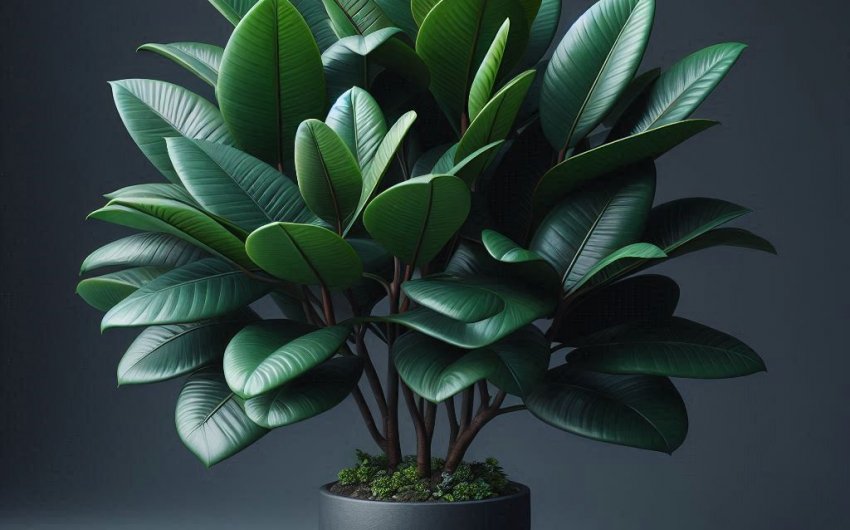
Cultivating a thriving rubber plant (Ficus elastica) transforms any indoor space with its bold, glossy foliage, but unlocking its full potential hinges on providing the precise environment it craves. Understanding what are the ideal conditions for growing a rubber plant is key to fostering vigorous growth, vibrant leaves, and a resilient specimen that stands tall for years. This comprehensive guide will delve into every aspect of its care, from light and water to soil and humidity, ensuring your rubber plant flourishes.
What is a Rubber Plant (Ficus elastica)?
The rubber plant, scientifically known as Ficus elastica, is a popular and striking houseplant belonging to the fig genus within the Moraceae family. Native to tropical regions of South Asia, it's admired for its large, glossy leaves and relatively easy-going nature, making it a favorite for both beginners and experienced plant enthusiasts.
1. Distinctive Characteristics
Ficus elastica is recognizable by several key features:
- Large, Glossy Leaves: The most prominent feature is its thick, oval-shaped leaves, which are typically a deep, dark green and have a waxy, highly glossy surface. New leaves often emerge with a reddish sheath that eventually falls off as the leaf unfurls.
- Color Varieties: Beyond the classic dark green, popular cultivars offer a range of colors:
- Ficus elastica 'Robusta': Classic large, dark green leaves.
- Ficus elastica 'Burgundy': Features deep reddish-black or burgundy-colored leaves, especially on the undersides and new growth.
- Ficus elastica 'Tineke': Variegated leaves with green centers, creamy white or pink edges, and sometimes reddish tints.
- Ficus elastica 'Ruby': Similar to 'Tineke' but with more pronounced pink and red variegation.
- Upright Growth Habit: In its natural habitat, the rubber tree can grow into a massive tree, reaching over 100 feet tall. Indoors, it typically grows as an upright, single-stemmed plant, though it can be pruned to encourage bushier growth.
- Aerial Roots: Mature outdoor rubber plants often develop aerial roots that grow down from the branches, rooting into the soil. Indoor plants rarely produce these to the same extent.
- Milky Sap (Latex): All parts of the rubber plant contain a milky white sap (latex). This sap can be irritating to skin and toxic if ingested, making it important to handle with care and keep away from pets and small children. This latex was historically used to make rubber, hence the common name.
2. Natural Habitat and Growth
Understanding its origins helps explain what are the ideal conditions for growing a rubber plant.
- Tropical Origins: Native to rainforests of India and Malaysia, Ficus elastica thrives in warm, humid environments.
- Light Conditions: In its native environment, it starts as an understory plant, growing in the filtered light of taller trees. As it matures, it grows towards the canopy, seeking brighter light but still protected from intense, direct sun.
- Soil and Moisture: It typically grows in well-draining, humus-rich soil that remains consistently moist but never waterlogged.
3. As a Houseplant
The rubber plant is a versatile and relatively low-maintenance houseplant once its basic needs are met.
- Air Purification: Like many Ficus species, it's known for its air-purifying qualities, effectively removing toxins from indoor air.
- Longevity: With proper care, a rubber plant can live for many years indoors, growing into a substantial and impressive specimen.
- Adaptability: While it prefers specific conditions, it's more forgiving than some other Ficus species (like the Fiddle Leaf Fig) regarding minor fluctuations, making it a good choice for those looking for a large, striking plant without extreme fuss.
Understanding these foundational aspects sets the stage for delving into the specifics of what are the ideal conditions for growing a rubber plant in your home.
What Are the Light Requirements for a Rubber Plant?
Light is arguably the most crucial factor determining the health and vibrancy of your rubber plant. Providing the right amount and type of light is key to ensuring its characteristic glossy leaves develop rich color and it maintains vigorous growth.
1. Bright, Indirect Light is Ideal
Ficus elastica thrives in conditions that mimic the filtered light of its tropical homeland.
- Optimal Placement: A spot that receives bright, indirect light is perfect. This means the plant should be near a window that gets plenty of light, but the light itself is filtered or diffused.
- East-Facing Window: Often ideal, as it provides gentle morning sun which is beneficial without being too harsh.
- North-Facing Window: Can work well, offering consistent, bright indirect light, though it might be too dim in very dark rooms or during winter months in northern latitudes.
- South or West-Facing Window: If placing near these, ensure the plant is set back several feet from the window or the light is filtered with sheer curtains. Direct afternoon sun can easily scorch its leaves.
- Signs of Good Light:
- Vibrant Leaf Color: Leaves maintain their deep green or variegated hues.
- Steady New Growth: The plant consistently produces new leaves, especially during the growing season.
- Compact Form: The plant grows upright and compactly, with good leaf spacing.
2. Avoiding Too Much Light
Excessive direct sunlight is detrimental to a rubber plant's health.
- Sun Scorch: The most obvious sign of too much sun. Leaves will develop crispy, brown or bleached patches, especially along the edges or where the sun's rays are most intense. Variegated varieties like 'Tineke' or 'Ruby' are particularly susceptible as their lighter areas have less chlorophyll to protect them.
- Faded Color: Prolonged exposure to overly intense light can cause the vibrant green or deep burgundy color of the leaves to fade or look washed out.
- Stunted Growth: Paradoxically, too much light can stress the plant, leading to slow or no new growth.
3. Recognizing Too Little Light
Insufficient light will also lead to noticeable symptoms and inhibit growth.
- Leggy Growth: The plant will stretch and become "leggy," with elongated stems and widely spaced leaves, as it desperately reaches for more light. This compromises its attractive upright form.
- Dull or Pale Leaves: Leaves may lose their glossy sheen and deep coloration, appearing duller or a paler green. Variegation might become less pronounced.
- Lack of New Growth: Very slow or complete cessation of new leaf production, especially during the active growing season.
- Leaf Drop: While sudden leaf drop can be caused by various issues, consistently low light can lead to shedding of lower leaves as the plant tries to conserve energy.
4. Supplementing with Artificial Light (Optional)
If your home lacks sufficient natural light, especially during winter months, a grow light can be beneficial.
- Type: An LED grow light that provides full-spectrum light is recommended.
- Distance: Position the grow light approximately 12-24 inches (30-60 cm) from the plant's canopy, adjusting based on the light's intensity.
- Duration: Provide 10-12 hours of light per day, ideally using a timer for consistency.
By understanding and providing the optimal light conditions, you lay the foundation for a healthy and visually stunning rubber plant.
What Are the Watering Needs for a Rubber Plant?
Watering a rubber plant requires a balanced approach; it prefers consistent moisture but is highly susceptible to root rot if overwatered. Mimicking its tropical origins, where it receives regular rain followed by drainage, is key to its health.
1. Water When the Top Soil Dries Out
The most effective strategy is to water based on the soil's dryness, rather than a fixed schedule.
- Feel the Soil: The primary method is to feel the top 1-2 inches (2.5-5 cm) of the potting mix. When it feels dry to the touch, it's time to water. For larger pots, you might need to go a bit deeper.
- Lift the Pot: For smaller and medium-sized pots, lift the pot before and after watering. You'll learn to feel the difference in weight between a dry and a wet pot. A light pot usually indicates dryness.
- Moisture Meter: A soil moisture meter can provide an objective reading. Aim for a "moist" rather than "wet" reading (e.g., 3-4 on a 1-10 scale).
- Seasonal Adjustment:
- Growing Season (Spring/Summer): Rubber plants are actively growing and will require more frequent watering, typically every 7-14 days.
- Dormant Season (Fall/Winter): Growth slows significantly, and the plant uses less water. Reduce watering frequency, allowing the soil to dry out a bit more between waterings (e.g., every 2-3 weeks).
2. How to Water Properly
The method of watering is just as important as the frequency.
- Thorough Soaking: When you do water, water thoroughly until you see excess water draining freely from the bottom of the pot. This ensures that all the roots receive moisture and helps flush out mineral salts.
- Avoid Standing Water: Never let the pot sit in standing water in a saucer. Prolonged exposure to saturated conditions will quickly lead to root rot. Empty saucers promptly after watering.
- Room Temperature Water: Use water that is at room temperature or slightly lukewarm. Cold water can shock the roots.
- Tap Water (Generally Fine): Most rubber plants tolerate tap water. However, if your tap water is heavily chlorinated, you can let it sit out for 24 hours to allow chlorine to dissipate. If you have very hard water (high mineral content), you might see mineral buildup on the leaves or in the soil over time; occasionally flushing with distilled water can help.
3. Signs of Incorrect Watering
Your rubber plant will communicate its watering woes through its leaves.
- Overwatering (Too Much Water):
- Yellowing Leaves: Often starts with lower leaves turning yellow, then spreading.
- Mushy Stems/Base: The base of the plant or stems might feel soft and mushy, indicating rot.
- Leaf Drop: Sudden dropping of lower leaves, especially yellow ones.
- Black/Brown Spots: Irregular black or dark brown spots on leaves, often associated with root rot.
- Wilting (Paradoxical): Plant may wilt and look thirsty despite the soil being wet, because the roots are rotting and cannot absorb water.
- Underwatering (Not Enough Water):
- Drooping/Limp Leaves: Leaves will lose their turgor and become soft, hanging downwards.
- Crispy Leaf Edges/Tips: The margins or tips of the leaves will dry out and turn brown and crispy.
- Stunted Growth: The plant appears stagnant, with no new leaves or very small ones.
- Soil Pulling Away from Pot: The potting mix might shrink and pull away from the sides of the pot.
- Older Leaf Drop: Over time, the plant will shed its older, lower leaves to conserve moisture.
By carefully monitoring soil moisture and adapting your watering routine, you can provide the ideal hydration that is a core part of what are the ideal conditions for growing a rubber plant.
What Soil Mix is Best for a Rubber Plant?
The right potting mix is fundamental to what are the ideal conditions for growing a rubber plant. It needs a substrate that balances excellent drainage with enough moisture retention to support its large leaves, while also providing good aeration for its roots.
1. Key Characteristics of an Ideal Mix
A premium potting mix for Ficus elastica should offer a specific combination of properties.
- Excellent Drainage: Rubber plants are highly susceptible to root rot if their roots sit in soggy conditions. The mix must allow water to flow through easily and quickly.
- Good Aeration: Roots need oxygen for respiration. A chunky, porous mix ensures there are plenty of air pockets.
- Moderate Moisture Retention: While draining quickly, the mix still needs to hold enough moisture for the plant to absorb between waterings, preventing it from drying out too fast.
- Slightly Acidic to Neutral pH: Most Ficus species prefer a soil pH between 6.0 and 7.0, which is slightly acidic to neutral.
2. Components of a Winning Mix
A homemade mix is often superior to a generic "houseplant" potting mix for rubber plants, as it allows for customization to achieve the desired balance.
- Good Quality Potting Mix (Base):
- Role: Provides a foundation of organic matter and some nutrient retention.
- Percentage: 40-50% of the total mix.
- Recommendation: Use a well-draining, all-purpose indoor potting mix that is peat-based or coir-based. Look for brands that mention good drainage.
- Perlite:
- Role: The most important amendment for drainage and aeration. It's a lightweight, porous volcanic rock that creates air pockets and prevents compaction.
- Percentage: 20-30% of the total mix.
- Recommendation: Coarse grade perlite is preferred for better aeration.
- Orchid Bark (Fir Bark):
- Role: Adds large chunky components that greatly improve aeration and drainage, mimicking the conditions of their native habitat. It also helps prevent compaction.
- Percentage: 10-20% of the total mix.
- Recommendation: Medium to coarse grade orchid bark.
- Coir Chunks or Fiber (Optional):
- Role: Provides additional moisture retention while maintaining aeration, and is a sustainable alternative to peat.
- Percentage: 5-10% of the total mix.
- Recommendation: Coco coir chunks or coco fiber.
- Horticultural Charcoal (Optional):
- Role: Improves drainage, helps filter impurities, and can reduce odors.
- Percentage: 5% of the total mix.
- Recommendation: Horticultural charcoal.
3. Avoiding Standard Garden Soil or Heavy Mixes
Never use soil from your outdoor garden or heavy, dense potting mixes for rubber plants.
- Compaction: Garden soil compacts easily in pots, suffocating roots.
- Poor Drainage: It holds too much water, leading to guaranteed root rot.
- Pests and Pathogens: Outdoor soil can introduce unwanted pests and diseases indoors.
4. Potting and Repotting Tips
- Drainage Holes: Always use a pot with ample drainage holes at the bottom. A nursery pot placed inside a decorative cachepot is ideal.
- Pot Size: Rubber plants generally prefer to be slightly root-bound. Only repot when the roots are clearly visible at the drainage holes or circling tightly around the pot.
- Increase Gradually: When repotting, only go up one pot size (e.g., from an 8-inch to a 10-inch pot). Too large a pot holds excess moisture, increasing root rot risk.
- Timing: Repot in the spring or early summer when the plant is actively growing.
Providing a well-draining and aerated soil mix is a cornerstone of what are the ideal conditions for growing a rubber plant, directly preventing the most common cause of decline: root rot.
What Are the Humidity and Temperature Needs for a Rubber Plant?
Humidity and temperature are crucial environmental factors for what are the ideal conditions for growing a rubber plant, as they directly replicate its native tropical rainforest climate. Consistent warmth and ample moisture in the air are key to healthy foliage and robust growth.
1. Warm and Consistent Temperatures
Rubber plants thrive in a stable, warm environment, reflecting their tropical origins.
- Ideal Range: Maintain temperatures between 65°F (18°C) and 80°F (27°C) during the day.
- Nighttime Drop: A slight drop in temperature at night (no more than 5-10°F or 3-5°C) is acceptable, but avoid significant fluctuations.
- Minimum Temperature: Do not let temperatures drop below 60°F (15°C). Prolonged exposure to cold can stress the plant, leading to stunted growth, leaf discoloration, and even leaf drop.
- Avoid Drafts: Keep your rubber plant away from cold drafts from open windows, doors, or air conditioning vents. These sudden temperature changes can shock the plant and cause leaf problems.
- Avoid Heat Sources: Similarly, keep the plant away from direct heat sources like radiators, heating vents, or fireplaces, as these can create localized dry heat that damages foliage.
2. Moderate to High Humidity
While not as demanding as some rare Aroids, rubber plants definitely appreciate and benefit from higher humidity.
- Ideal Range: Aim for humidity levels of 50% to 70%. Average household humidity (30-40%) can often be too dry, especially in winter when heating systems are running.
- Signs of Low Humidity:
- Crispy Leaf Edges/Tips: The most common indicator. Leaves, especially older ones or newly unfurling ones, will develop brown, dry edges or tips.
- Slow or Stunted Growth: Dry air can inhibit the plant's ability to efficiently perform photosynthesis and transpire, slowing growth.
- Pest Vulnerability: Dry conditions make rubber plants more susceptible to pests like spider mites, which thrive in low humidity.
- How to Increase Humidity:
- Humidifier: The most effective method is to use a room humidifier near your plant. A hygrometer can help you monitor levels.
- Pebble Tray: Place the pot on a saucer filled with pebbles and water. Ensure the bottom of the pot does not sit directly in the water. As the water evaporates, it creates a more humid microclimate around the plant.
- Grouping Plants: Grouping several plants together can help increase localized humidity through their collective transpiration.
- Misting (Limited Effectiveness): While misting provides a very temporary boost in humidity, it's generally not sufficient for sustained high humidity. Consistent misting can also leave water spots on the glossy leaves and potentially encourage fungal issues if air circulation is poor. If you do mist, do so in the morning and ensure leaves dry quickly.
3. Air Circulation
While not a humidity or temperature factor directly, good air circulation is a crucial partner to high humidity.
- Prevents Stagnation: Gentle air movement helps prevent stagnant, overly moist conditions around the foliage, which can encourage fungal growth and pest infestations.
- Avoid Strong Drafts: Ensure any air circulation is gentle; strong, constant drafts can stress the plant and cause rapid drying out.
By diligently managing both the temperature and humidity, you provide an environment that closely matches its natural habitat, which is fundamental to understanding what are the ideal conditions for growing a rubber plant indoors.
What Are the Fertilizing Needs for a Rubber Plant?
Fertilizing a rubber plant provides the essential nutrients it needs for vigorous growth and healthy, vibrant foliage. However, moderation is key; over-fertilization can quickly lead to root burn and other problems.
1. Fertilize During the Growing Season Only
Rubber plants primarily need nutrients when they are actively growing.
- Active Growth (Spring and Summer): Fertilize regularly during these months, when the plant is pushing out new leaves and growing rapidly.
- Dormancy (Fall and Winter): Reduce or stop fertilization entirely during the cooler, darker months when growth naturally slows down or ceases. Fertilizing a dormant plant can lead to salt buildup in the soil and root damage, as the plant isn't actively using the nutrients.
- Frequency: Typically, fertilize every 2-4 weeks during the growing season. The exact frequency depends on the strength of your fertilizer and your plant's growth rate.
2. Type of Fertilizer
Choose a balanced, complete fertilizer that supports overall plant health.
- Balanced NPK: Look for a liquid houseplant fertilizer with a balanced NPK ratio (Nitrogen-Phosphorus-Potassium), where the numbers are relatively similar (e.g., 5-5-5, 10-10-10, or similar).
- Nitrogen (N): Promotes strong leafy growth, contributing to the rubber plant's lush foliage.
- Phosphorus (P): Essential for root development and overall plant energy.
- Potassium (K): Supports general plant health, disease resistance, and water regulation.
- Trace Elements: Ensure the fertilizer also contains essential micronutrients and trace elements (e.g., iron, magnesium, manganese, zinc), as these are vital for preventing deficiencies.
- Liquid Fertilizer: Liquid fertilizers are generally easier to control the dosage and are quickly available to the plant.
- Organic Fertilizers (Optional): Organic options like fish emulsion or a balanced organic houseplant fertilizer can also be used, but some may have an odor.
3. Dilution is Key
Never use fertilizer at full strength for rubber plants.
- Half-Strength or Quarter-Strength: Always dilute your chosen liquid fertilizer to half or even quarter strength of the manufacturer's recommended dosage. Rubber plants are not heavy feeders and are sensitive to excessive salts.
- Why Dilute: This approach provides a steady, gentle supply of nutrients without overwhelming the roots or causing salt buildup in the soil.
4. How to Fertilize
- Water Before Fertilizing: Always water your plant thoroughly with plain water a few hours before applying fertilizer. Never fertilize a dry plant, as this can lead to severe root burn.
- Apply Evenly: Pour the diluted fertilizer solution evenly over the soil surface.
- Flush the Soil (Periodically): Every few months, or if you notice a white crust building up on the soil surface (indicating salt buildup), thoroughly flush the potting mix with plain water until it drains freely from the bottom for an extended period. This helps wash away excess mineral salts.
5. Signs of Fertilization Issues
Your rubber plant will display symptoms if its nutrient needs are not met correctly.
- Over-fertilization:
- Crispy, Brown Leaf Tips/Edges: A classic symptom of salt burn.
- Yellowing Leaves: Especially lower leaves, progressing to entire plant.
- Wilting/Drooping: Even if the soil is moist, damaged roots cannot absorb water.
- Stunted Growth: Paradoxically, too much fertilizer can inhibit growth.
- White Crust: A white, powdery or crystalline crust on the soil surface or rim of the pot.
- Under-fertilization/Nutrient Deficiency:
- Pale Green or Yellowing Leaves (Chlorosis): Especially older, lower leaves, often indicating a nitrogen deficiency.
- Overall Stunted Growth: Very slow or minimal new leaf production.
- Small New Leaves: New leaves are noticeably smaller than mature ones.
- Lack of Vibrancy: Variegated leaves might lose their distinct coloration, and dark green leaves might appear dull.
By following a conservative yet consistent fertilization regimen, you provide the necessary nourishment that forms a vital part of what are the ideal conditions for growing a rubber plant, promoting lush, healthy growth without the risk of damage.