
What is a Philodendron Plant?
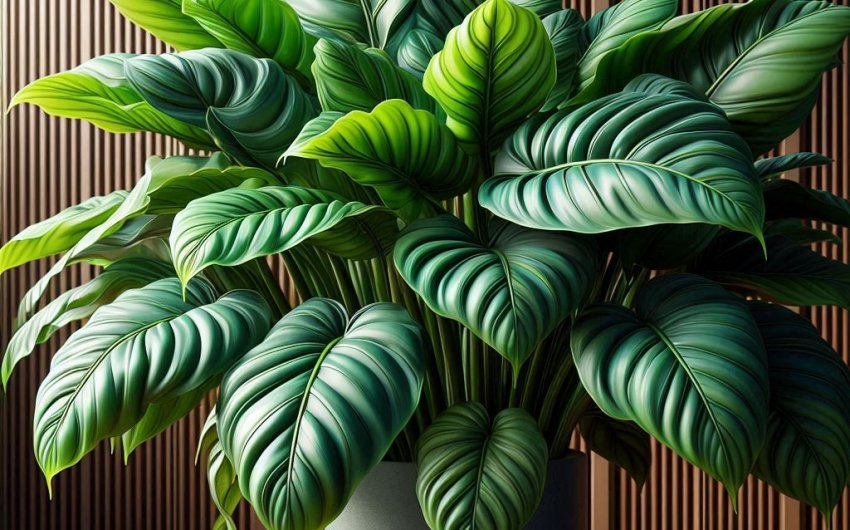
If you've ever admired a lush, tropical houseplant with heart-shaped leaves cascading from a hanging basket or large, dramatic foliage reaching for the sky, chances are you've encountered a Philodendron plant. This incredibly diverse and popular genus, belonging to the Araceae family (which also includes monsteras and pothos), encompasses hundreds of species, making it one of the largest genera of flowering plants. From beginner-friendly vining types to rare, collector-worthy specimens, understanding what is a Philodendron plant reveals a world of botanical beauty and surprisingly adaptable greenery perfect for almost any indoor space.
What Are the Defining Characteristics of a Philodendron Plant?
While the Philodendron genus is vast, many species share common traits that help identify them. These characteristics reflect their tropical origins and their adaptability as houseplants.
Growth Habits
Philodendrons are broadly categorized by their growth habits:
- Vining (Climbing) Philodendrons: These are perhaps the most recognizable types. They produce long stems with nodes that readily grow aerial roots. In their natural habitat, these roots cling to trees, rocks, or other structures, allowing the plant to climb upwards towards sunlight. As houseplants, they can be grown in:
- Hanging Baskets: Allowing the vines to trail downwards.
- Moss Poles or Trellises: Providing support for the plant to climb, mimicking its natural habitat. This often encourages larger leaf development. A Sphagnum Moss Pole for Climbing Plants is an excellent support.
- Upright (Self-Heading) Philodendrons: These types grow upwards from a central stem, developing a bushy or tree-like form. They do not typically vine or produce extensive aerial roots for climbing. Their leaves often grow directly from the central stem or short petioles. They tend to be larger, more architectural plants.
Leaf Characteristics
Philodendron leaves are incredibly diverse in shape, size, color, and texture, but share some common features.
- Leaf Shape: Common shapes include:
- Heart-shaped: Classic for many vining types (e.g., Philodendron hederaceum, often called "Heartleaf Philodendron").
- Lobed or Split (Pinnatifid): Some species develop deep lobes or splits as they mature, giving them a more dramatic, almost fern-like or monstera-like appearance (e.g., Philodendron selloum / bipinnatifidum, now often Thaumatophyllum bipinnatifidum).
- Elongated or Lance-shaped: Less common but present in some species.
- Leaf Color and Texture:
- Green: Most philodendrons have vibrant green foliage, ranging from light lime green to deep, dark emerald.
- Variegation: Many popular varieties feature stunning variegation with splashes, streaks, or blocks of yellow, cream, pink, or white (e.g., Philodendron 'Pink Princess', Philodendron 'Brasil').
- Undersides: Some species have interesting colored undersides to their leaves, such as red or purple.
- New Leaves: New leaves often emerge in shades of red, bronze, or copper before hardening off to their mature green or variegated color.
- Glossy vs. Matte: Leaves can be glossy and shiny or have a more matte, velvety texture.
- Petiole and Sheath: The leaf stem (petiole) often has a distinct sheath at its base, which can vary in color and texture depending on the species.
Aerial Roots
- Function: In their native jungle habitat, these roots serve multiple purposes: anchoring the plant to support structures, absorbing moisture and nutrients from the air and decaying organic matter on host trees, and helping the plant climb.
- Indoor Appearance: On vining philodendrons, aerial roots will be visible along the stem. While not strictly necessary for potted plants, providing a moss pole for them to attach to can encourage healthier, larger growth.
Flowers (Spathe and Spadix)
- Infrequent Indoor Blooming: Philodendrons can flower, but it's rare for them to do so indoors as houseplants. They typically require very mature, established conditions to bloom.
- Structure: Like other plants in the Araceae family, their flowers consist of a distinctive spathe (a leaf-like hood, often brightly colored) that encloses a spadix (a fleshy spike covered in tiny true flowers). This structure is similar to a peace lily or anthurium flower.
Understanding these shared characteristics provides a general idea of what is a Philodendron plant before delving into the vast array of individual species.
What Are the Most Popular Types of Philodendron Plants for Homeowners?
The popularity of Philodendron plants as houseplants stems from their beauty, relatively easy care, and incredible diversity. Here are some of the most common and beloved types you'll encounter.
Vining (Climbing) Philodendrons
These are often the first philodendrons new plant parents acquire due to their hardiness and graceful trailing habit.
- Heartleaf Philodendron (Philodendron hederaceum):
- Description: The classic. Features lush, glossy, heart-shaped leaves that emerge bronze and mature to a rich green. Extremely easy to care for.
- Growth: Trailing or climbing. Perfect for hanging baskets or shelves.
- Care Level: Very easy, highly tolerant of neglect.
- Varieties: 'Brasil' (green with lime green/yellow variegation), 'Micans' (velvety, dark green/bronze leaves), 'Lemon Lime' (bright chartreuse/neon green).
- *Pink Princess Philodendron (Philodendron erubescens 'Pink Princess'):*
- Description: Highly sought-after for its striking variegation – dark green leaves splashed with vibrant pink. Each leaf is unique.
- Growth: Vining, often bushy. Benefits from a moss pole to encourage larger leaves and more variegation.
- Care Level: Moderate. Needs bright indirect light to maintain good pink color.
- Silver Sword Philodendron (Philodendron hastatum 'Silver Sword'):
- Description: Distinctive arrow-shaped (hastate) leaves with a stunning metallic silver sheen. As it matures, the leaves can grow quite large.
- Growth: Climbing, needs support.
- Care Level: Moderate. Appreciates higher humidity.
- Split-Leaf Philodendron (Monstera deliciosa):
- Note: While commonly called "Split-Leaf Philodendron," Monstera deliciosa is technically a separate genus, though closely related and cared for similarly.
- Description: Large, glossy green leaves that develop dramatic splits (fenestrations) as they mature.
- Growth: Climbing, needs significant space and support.
- Care Level: Easy to moderate.
Upright (Self-Heading) Philodendrons
These philodendrons grow upwards and tend to have larger, more dramatic foliage, making them excellent statement plants.
- Split-Leaf Philodendron (Thaumatophyllum bipinnatifidum, formerly Philodendron selloum or bipinnatifidum):
- Description: A large, architectural plant with deeply lobed, often very large, glossy green leaves. It forms a tree-like trunk as it matures.
- Growth: Upright, bushy, can reach impressive sizes indoors.
- Care Level: Easy to moderate. Tolerant of a range of conditions.
- *Moonlight Philodendron (Philodendron 'Moonlight'):*
- Description: Known for its vibrant, bright chartreuse (lime green) new leaves that mature to a darker green. It's a non-vining hybrid.
- Growth: Bushy, upright, dense growth.
- Care Level: Easy. Adds a splash of bright color.
- *Prince of Orange Philodendron (Philodendron 'Prince of Orange'):*
- Description: A striking hybrid with new leaves emerging bright orange or coppery red, fading to yellowish-green, then eventually to a dark green as they mature.
- Growth: Upright, bushy.
- Care Level: Easy to moderate. Provides dynamic color changes.
- *Birkin Philodendron (Philodendron 'Birkin'):*
- Description: A popular hybrid characterized by dark green leaves with striking white or cream pinstripes. Each leaf is a unique piece of art.
- Growth: Upright, compact.
- Care Level: Moderate. Needs good light to maintain variegation.
This diverse selection truly highlights what is a Philodendron plant in terms of aesthetic appeal and adaptability for indoor environments, offering options for every style and experience level.
What Are the Basic Care Requirements for a Philodendron Plant?
One of the reasons Philodendron plants are so popular is their relatively forgiving nature, making them suitable for both beginners and experienced plant enthusiasts. However, understanding their fundamental needs will help them thrive.
Light Requirements
- Bright, Indirect Light is Ideal: Most philodendrons prefer bright, indirect sunlight. This means a spot near a window (east or north-facing is often perfect) where they receive plenty of ambient light but are not exposed to harsh, direct sun.
- Avoid Direct Sun: Direct, intense sunlight, especially midday sun, can scorch their leaves, causing brown spots or a bleached appearance.
- Tolerant of Lower Light: Philodendrons are known for tolerating lower light conditions better than many other houseplants, but they won't grow as vigorously, and variegated varieties may lose their vibrant colors in insufficient light.
- Signs of Too Much Light: Fading or bleached-out leaves, crispy brown edges.
- Signs of Too Little Light: Leggy growth (long stems with sparse leaves), smaller leaves, loss of variegation.
Watering Needs
- Allow Soil to Dry Out Partially: The general rule is to water thoroughly when the top 1-2 inches of soil feel dry to the touch. This encourages roots to grow deeper.
- Avoid Overwatering: This is the most common killer of philodendrons. Consistently soggy soil leads to root rot.
- Signs of Overwatering: Yellowing leaves, soft or mushy stems, wilting despite wet soil, fungal gnats.
- Avoid Underwatering: While more forgiving of drying out than some plants, prolonged drought will stress them.
- Signs of Underwatering: Drooping, crispy leaves, slowed growth.
- Drainage is Key: Always plant in a pot with drainage holes. Empty any excess water from the saucer after watering.
Humidity Requirements
- Appreciate High Humidity: As tropical plants, philodendrons thrive in higher humidity levels.
- Tolerant of Average Humidity: Most common varieties will do well in average household humidity (40-60%), especially if watering practices are good.
- Benefits of Higher Humidity: Promotes lusher growth, larger leaves, and helps prevent brown, crispy leaf edges.
- Ways to Increase Humidity:
- Pebble Tray: Place the pot on a tray filled with pebbles and water, ensuring the bottom of the pot doesn't sit directly in the water.
- Humidifier: Especially beneficial in dry winter months. A LEVOIT Humidifier for Bedroom can help.
- Grouping Plants: Plants release moisture through transpiration, creating a microclimate.
- Misting: Provides a very temporary boost but is often not enough on its own.
Temperature Range
- Average Room Temperatures: Philodendrons are comfortable in typical indoor temperatures, generally between 65-80°F (18-27°C).
- Avoid Cold Drafts: Protect them from sudden drops in temperature or cold drafts from windows or air conditioners. Temperatures below 55°F (13°C) can cause stress and damage.
Soil and Potting
- Well-Draining Potting Mix: Use a good quality, well-draining potting mix. A mix designed for aroids or houseplants, often containing ingredients like perlite, orchid bark, and coco coir, is ideal. This ensures good aeration and prevents waterlogging.
- Repotting: Repot every 1-2 years, or when the plant becomes root-bound. Move up only one pot size at a time.
Fertilizing
- During Growing Season: Fertilize every 2-4 weeks during the active growing season (spring and summer) with a balanced liquid houseplant fertilizer, diluted to half strength.
- Reduce in Winter: Reduce or stop fertilizing during the dormant winter months.
- Signs of Nutrient Deficiency: Pale, yellowing leaves, very slow growth.
By understanding and implementing these basic care requirements, you'll create an environment where your Philodendron plant can thrive, showcasing its natural beauty and contributing to a healthier indoor space.
What Are Common Problems with Philodendron Plants and How to Fix Them?
Even with their reputation for being easy-care, Philodendron plants can encounter issues. Knowing how to identify and address common problems will help keep your plant healthy and vibrant.
1. Yellowing Leaves
- Causes: This is the most common symptom with multiple causes.
- Overwatering (Most Common): Leading to root rot, preventing roots from absorbing water and nutrients. Usually, older, lower leaves turn yellow first. Soil will be wet.
- Underwatering: Less common, but prolonged drought can cause yellowing and crisping leaves. Soil will be dry.
- Nutrient Deficiency: Especially nitrogen deficiency, which causes overall yellowing of older leaves. Iron deficiency can cause interveinal chlorosis (yellow leaves with green veins).
- Too Much Direct Sun: Can cause leaves to bleach and yellow.
- Natural Aging: Oldest leaves at the bottom of the plant naturally yellow and drop off over time.
- Solutions:
- Overwatering: Reduce watering frequency. Allow the top 1-2 inches of soil to dry out between waterings. Ensure good drainage. If severe, repot into fresh, dry soil and inspect roots for rot (trim mushy roots).
- Underwatering: Water thoroughly until water drains from the bottom. Adjust watering schedule.
- Nutrient Deficiency: Fertilize with a balanced liquid houseplant fertilizer during the growing season.
- Too Much Sun: Move to a spot with bright, indirect light.
2. Brown or Crispy Leaf Edges/Tips
- Causes:
- Low Humidity: A very common cause, especially in dry indoor environments or during winter heating.
- Underwatering: If the soil is consistently dry, leaves will brown and crisp.
- Chemical Burn: Over-fertilization or salts buildup from tap water can burn leaf tips.
- Heat Stress: Being too close to a heat vent or direct, intense sun.
- Solutions:
- Low Humidity: Increase humidity with a humidifier, pebble tray, or grouping plants.
- Underwatering: Adjust watering schedule for deeper, more consistent watering.
- Chemical Burn: Flush the soil thoroughly with plain water to remove excess salts. Reduce fertilizer concentration or frequency.
- Heat Stress: Move the plant away from heat sources.
3. Drooping Leaves
- Causes:
- Underwatering (Most Common): Leaves will look limp and sad, but will usually perk up quickly after a thorough watering.
- Overwatering: If roots are rotting, they can't take up water, causing wilting despite wet soil.
- Temperature Stress: Sudden cold drafts or extreme heat.
- Solutions:
- Underwatering: Water immediately and thoroughly.
- Overwatering: Check soil moisture. If soggy, withhold water until it dries out. Consider repotting if root rot is suspected.
- Temperature Stress: Move the plant to a more stable environment.
4. Leggy Growth and Small Leaves
- Causes: Insufficient light. The plant is stretching towards a light source, resulting in long, sparse stems with smaller-than-normal leaves.
- Solutions: Move the plant to a brighter spot with more indirect light. You can also prune back leggy stems to encourage bushier growth (and use the cuttings for propagation!).
5. Pests
- Common Pests: Spider mites (fine webbing, tiny dots on leaves), mealybugs (white, cottony masses), aphids (small, soft-bodied insects, often green or black), fungus gnats (small flying insects near soil surface, often a sign of overwatering).
- Solutions:
- Isolation: Isolate infected plants to prevent spread.
- Physical Removal: Wipe leaves with a damp cloth or spray with a strong stream of water (for spider mites).
- Insecticidal Soap: Apply an Insecticidal Soap Spray for Plants or neem oil mixture, following label instructions.
- Address Overwatering: If fungus gnats are present, allow the topsoil to dry out completely between waterings.
By observing your Philodendron plant closely and understanding these common problems and their solutions, you can effectively troubleshoot issues and ensure your plant remains a beautiful and thriving part of your indoor jungle.
What is the History and Cultural Significance of Philodendron Plants?
The story of Philodendron plants stretches from the humid depths of tropical rainforests to their prominent place in modern homes and botanical gardens, highlighting a rich history of discovery, adaptation, and cultural impact.
Origins in the Tropics
- Native Habitat: Philodendrons are native to the tropical regions of the Americas, particularly Central and South America and the West Indies. They thrive in warm, humid climates, typically as understory plants in rainforests.
- Etymology: The name "Philodendron" comes from the Greek words "philo" (loving or affectionate) and "dendron" (tree). This name directly refers to their natural climbing habit, as many species grow by clinging to trees, often referred to as "tree huggers."
Botanical Exploration and Classification
- Early Discoveries: Philodendrons have been known to indigenous populations for centuries, used for various purposes (medicinal, structural, food, or spiritual). Western botanists began systematically discovering and classifying them in the 17th and 18th centuries, with expeditions venturing into uncharted tropical territories.
- Complexity of the Genus: The Philodendron genus is incredibly large and complex. Over time, species have been reclassified, and some plants once thought to be philodendrons (like Monstera deliciosa) have been moved to their own genera. This ongoing scientific work reflects the vast diversity and often subtle differences between species.
Rise to Houseplant Stardom
- Victorian Era Popularity: Philodendrons first gained popularity as indoor ornamental plants during the Victorian era. Their lush, tropical foliage was highly sought after for conservatories and drawing rooms, representing exotic beauty from distant lands.
- Mid-20th Century Boom: Their popularity surged again in the mid-20th century, particularly the easy-care Heartleaf Philodendron. Their ability to tolerate lower light conditions and relative neglect made them staples in homes and offices, contributing to the "indoor plant craze."
- Modern Resurgence: In recent years, philodendrons have experienced another massive surge in popularity, driven by social media and the desire for unique, aesthetically pleasing houseplants. Rare and variegated varieties, once obscure, now fetch high prices and are highly coveted by collectors worldwide.
Cultural and Economic Significance
- Air Purification: While often overstated, some studies suggest certain houseplants, including some philodendrons, can help remove airborne toxins, contributing to improved indoor air quality.
- Aesthetic Appeal: Beyond their practical benefits, their primary appeal lies in their beauty. They add a touch of the tropics, a calming green presence, and a sense of life to indoor spaces.
- Economic Impact: The houseplant industry is a multi-billion dollar market, and philodendrons are a significant segment of it. Their ease of propagation makes them economically viable for nurseries, and the demand for new and rare cultivars drives innovation and cultivation efforts globally.
- Symbolism: In many cultures, houseplants, including philodendrons, are seen as symbols of growth, vitality, and prosperity, bringing positive energy to a home.
From their origins as a climbing rainforest plant to their status as a global houseplant phenomenon, the journey of what is a Philodendron plant reveals not just a botanical classification, but a fascinating story of discovery, adaptation, and enduring appeal.