
What Are the Benefits of Keeping a Spider Plant at Home?
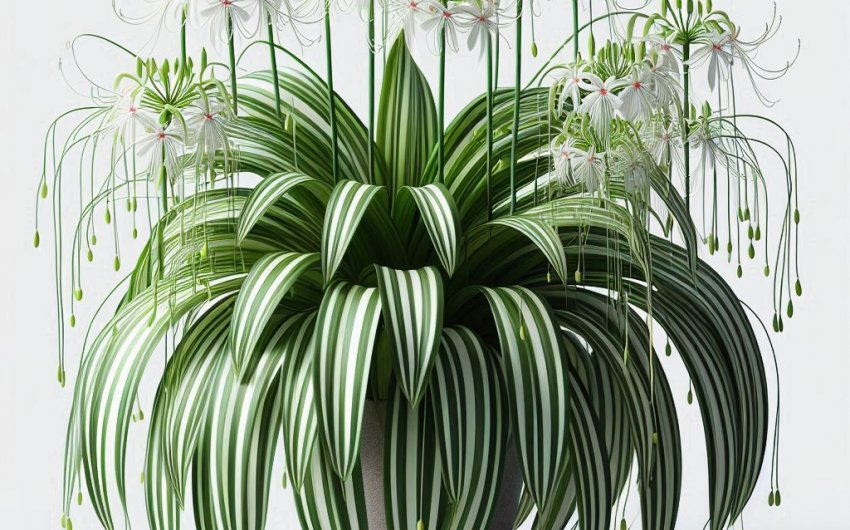
Among the vast array of houseplants available, the spider plant (Chlorophytum comosum) stands out as a true superstar. With its graceful arching leaves, distinctive striped foliage, and charming "spiderettes" dangling from its stems, it's a familiar and beloved sight in countless homes and offices. Beyond its undeniable aesthetic appeal, the benefits of keeping a spider plant at home extend far beyond mere decoration, encompassing remarkable air-purifying capabilities, ease of care, and even a positive impact on well-being. This guide will delve into why this humble plant is such a valuable addition to any indoor space.
What Makes the Spider Plant Such a Popular Houseplant?
The spider plant's enduring popularity isn't accidental. It combines visual charm with practical advantages, making it an ideal choice for both novice and experienced plant enthusiasts.
What are the Aesthetic Appeals of a Spider Plant?
The distinctive appearance of the spider plant adds immediate visual interest to any room.
- Graceful Form: Its long, arching, strap-like leaves create a soft, cascading effect, making it perfect for hanging baskets or elevated shelves where its "spiderettes" can dangle freely.
- Vibrant Foliage: Most commonly found in variegated forms, with green leaves featuring white or cream stripes down the center or along the edges. This variegation adds a bright, fresh look to indoor spaces.
- Charming "Spiderettes": The small plantlets that develop on long stolons (runners) are arguably the most iconic feature. These miniature versions of the parent plant resemble spiders, giving the plant its common name and adding a playful element.
- Versatility: Its adaptable nature allows it to fit into various décor styles, from modern minimalist to cozy bohemian. It can be a focal point or a subtle accent.
Why is the Spider Plant Known for Its Easy Care?
The spider plant's reputation as one of the easiest houseplants to grow is well-deserved, making it a perfect choice for beginners.
- Forgiving Nature: It tolerates a wide range of conditions, from bright, indirect light to lower light levels (though growth may slow). It's also relatively forgiving if you occasionally forget to water.
- Low Maintenance: Requires minimal pruning, is not particularly prone to many pests, and doesn't demand specific humidity levels.
- Adaptability: Thrives in average room temperatures and can adapt to various indoor environments.
- Propagation is a Breeze: Producing new plants from the "spiderettes" is incredibly easy, making it simple to expand your collection or share with friends.
What are the Air-Purifying Benefits of Spider Plants?
One of the most scientifically recognized and compelling reasons to keep a spider plant at home is its remarkable ability to improve indoor air quality.
How Do Spider Plants Clean the Air?
The spider plant is a natural air filter, actively removing common airborne toxins from your home.
- NASA Clean Air Study: The spider plant was prominently featured in NASA's groundbreaking 1989 Clean Air Study. This research identified several common houseplants, including the spider plant, as effective in removing volatile organic compounds (VOCs) from sealed environments.
- Targeted Toxin Removal: Spider plants are particularly effective at absorbing and breaking down:
- Formaldehyde: Found in building materials, furniture, carpets, and household products. It can cause respiratory irritation and other health issues.
- Xylene: Found in glues, paints, printing and rubber industries. Can cause headaches, dizziness.
- Toluene: Found in paints, varnishes, lacquers, glues, and chemical solvents. Can affect the nervous system.
- Carbon Monoxide: While not removed as efficiently as some other plants, they contribute to improving overall air quality.
- Mechanism: Plants absorb these pollutants through microscopic pores in their leaves (stomata). Once absorbed, the toxins are then transported to the root system, where microorganisms in the soil convert them into usable nutrients for the plant.
- Improved Indoor Air Quality: By actively removing these harmful chemicals, spider plants contribute to a healthier indoor environment, potentially reducing symptoms like headaches, fatigue, and respiratory irritation associated with "sick building syndrome."
Why is Indoor Air Quality a Concern?
Modern homes, while providing comfort, can also trap harmful airborne pollutants.
- Sealed Environments: Well-insulated homes, while energy-efficient, often have poor ventilation, trapping indoor air pollutants.
- Common Sources of VOCs:
- Furniture (particleboard, pressed wood)
- Carpets and flooring
- Paints and varnishes
- Cleaning products
- Printer and copier emissions
- Even everyday activities like cooking.
- Health Implications: Chronic exposure to VOCs can lead to various health problems, from mild irritation to more serious long-term effects.
Having a few spider plants strategically placed throughout your home can significantly contribute to cleaner, fresher air.
What Are the Mental and Emotional Benefits of Spider Plants?
Beyond their practical air-purifying abilities, simply having plants like the spider plant in your living space can positively impact your mood and well-being.
How Do Houseplants Boost Well-being?
Connecting with nature, even indoors, has demonstrable psychological advantages.
- Stress Reduction: Studies have shown that interacting with plants or simply being in their presence can lower cortisol levels (the stress hormone), reduce blood pressure, and promote feelings of calm and relaxation.
- Improved Mood: The vibrant green of plants can be uplifting, and the act of caring for a living thing can provide a sense of purpose and accomplishment, leading to increased feelings of well-being.
- Enhanced Focus and Productivity: Some research suggests that plants in indoor environments can improve concentration and productivity, making them ideal for home offices or study areas.
- Reduced Fatigue: Clean air and a connection to nature can help combat feelings of fatigue and sluggishness.
- Biophilia: This concept suggests humans have an innate tendency to connect with nature. Bringing plants indoors fulfills this natural desire, contributing to overall happiness.
- Aesthetic Pleasure: A visually appealing plant adds beauty and life to a room, creating a more inviting and harmonious atmosphere.
Why is the Spider Plant Particularly Good for Mental Health?
Its easy-care nature amplifies the benefits.
- Low-Stress Plant Parenting: For those new to plants or prone to plant struggles, the spider plant's resilience means fewer worries about its survival, reducing potential stress and building confidence.
- Instant Gratification (Propagation): Watching its "spiderettes" grow and easily propagating them provides immediate and tangible results, offering a rewarding experience.
- Symbol of Growth: The very act of the plant producing new plantlets can be a visual reminder of growth, resilience, and natural cycles.
How Do You Care for a Spider Plant at Home?
While easy-care, understanding a few basic needs will ensure your spider plant thrives and maximizes its benefits.
1. What are the Ideal Lighting Conditions?
- Bright, Indirect Light: This is where spider plants truly flourish, producing abundant "spiderettes" and vibrant variegation. Place near an east or north-facing window, or a few feet away from a south or west-facing window.
- Tolerates Lower Light: They can survive in lower light conditions, but growth will be slower, and variegation may become less pronounced.
- Avoid Direct Sun: Direct, intense sunlight can scorch the leaves, causing brown spots.
2. How Should You Water a Spider Plant?
- Consistency is Key: Keep the soil consistently moist during the active growing season (spring and summer), but allow the top inch or two of soil to dry out between waterings.
- Reduce in Winter: Water less frequently in fall and winter when the plant's growth slows.
- Drainage: Always use pots with drainage holes. Ensure excess water drains away and the plant is not sitting in standing water in its saucer.
- Symptoms of Incorrect Watering:
- Crispy, Brown Tips: Can be a sign of underwatering or, more commonly, mineral salt buildup from tap water.
- Yellow, Mushy Leaves/Base: A clear sign of overwatering and potential root rot.
3. What About Humidity and Temperature?
- Average Room Conditions: Spider plants are adaptable and do well in average home humidity. They don't require high humidity.
- Temperature: Prefer typical room temperatures, between 65-80°F (18-27°C). Avoid sudden drops in temperature or cold drafts.
4. How Do You Fertilize a Spider Plant?
- Light Feeders: They don't need heavy fertilization.
- Frequency: Fertilize every 2-4 weeks during the active growing season (spring and summer) with a balanced liquid houseplant fertilizer diluted to half strength.
- Avoid Over-Fertilizing: Too much fertilizer can cause salt buildup and brown leaf tips. Flush the soil occasionally to prevent this.
5. When Should You Repot and Prune a Spider Plant?
- Repotting: Repot every 1-2 years, or when the plant becomes root-bound (roots growing out of drainage holes, quick drying soil). Move to a pot that is only 1-2 inches larger. Use a well-draining potting mix.
- Pruning: Primarily for aesthetics or to encourage more "spiderettes." Trim off any yellow, brown, or leggy leaves at the base. You can cut off stolons that have flowered to encourage more new ones.
6. How Do You Propagate Spider Plants?
This is one of the easiest and most fun aspects of spider plant care.
- Method: Simply snip off the "spiderettes" (small plantlets) from the mother plant. If they already have small roots, even better.
- Water or Soil: Place the base of the "spiderette" in a glass of water (small glass vases for cuttings work well) until roots are 1-2 inches long, then pot in soil. Alternatively, plant directly into moist potting mix. Keep humid for a few weeks if potting directly.
- New Plants: Once rooted, you have brand new spider plants to enjoy or share!
What Are Common Issues and Solutions for Spider Plants?
Even with easy-care plants, issues can arise. Knowing how to troubleshoot helps maintain a healthy plant.
1. Why are My Spider Plant Tips Browning?
As discussed, this is the most frequent issue.
- Causes:
- Fluoride/Chlorine in Tap Water: Most common.
- Mineral Salt Buildup (from water or fertilizer).
- Underwatering.
- Extremely Low Humidity.
- Solutions:
- Use filtered or distilled water, or let tap water sit out.
- Flush soil monthly to leach out salts.
- Ensure proper watering (don't let it dry out completely for too long).
- Increase humidity if air is very dry.
- You can trim the brown tips with clean scissors, following the leaf's natural shape. The browning won't reverse, but new growth will be healthy.
2. Why Are My Spider Plant Leaves Turning Yellow?
- Causes:
- Overwatering (most common): Leads to root rot. Leaves become mushy.
- Underwatering (severe): Leaves may yellow and then crisp.
- Nutrient Deficiency: Especially nitrogen.
- Aging Leaves: Lower, older leaves naturally yellow and die off.
- Solutions: Adjust watering habits. Check for root rot. Fertilize appropriately during the growing season. Remove old yellow leaves.
3. Why Are My Spiderettes Not Forming?
- Causes:
- Too Young: The plant may be too young or not mature enough.
- Insufficient Light: Not enough energy to produce offsets.
- Nutrient Deficiency: Lacks energy for reproduction.
- Not Root-Bound Enough: Sometimes a plant needs to be slightly root-bound to signal it's time to reproduce.
- Solutions: Provide bright, indirect light. Fertilize during growing season. Allow the plant to slightly fill its pot before repotting. Patience!
The humble yet powerful spider plant truly offers a wealth of advantages, from its striking appearance and effortless care to its scientifically proven ability to purify indoor air and the subtle boost it gives to your mental well-being. Incorporating the benefits of keeping a spider plant at home is a simple yet effective way to create a healthier, more vibrant, and serene living environment for everyone.