
What Are the Benefits of Growing Aloe Vera at Home?
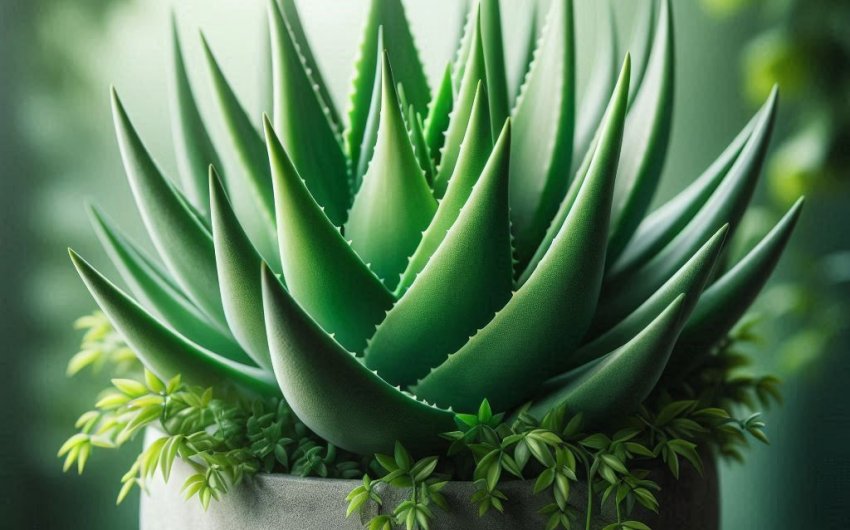
Cultivating a resilient succulent in your living space offers a wealth of advantages, extending beyond its simple aesthetic appeal. If you're curious about what are the benefits of growing Aloe vera at home, you'll discover this remarkable plant is a natural pharmacy, an air purifier, and a low-maintenance companion, making it an incredibly valuable addition to any indoor garden. From soothing minor burns to enhancing indoor air quality, the advantages of having a living Aloe vera plant readily available are numerous and compelling.
What is Aloe Vera and Why is it So Popular?
Aloe vera (Aloe barbadensis miller) is a succulent plant species renowned for its thick, fleshy leaves filled with a clear, gel-like substance. Native to arid regions, its ability to store water in its leaves makes it incredibly resilient and easy to care for. Its long history of use in traditional medicine and modern health and beauty products has cemented its status as a household staple worldwide.
What are the Key Characteristics of Aloe Vera?
- Succulent Nature: Aloe vera leaves are thick and fleshy, specifically adapted to store water, allowing the plant to survive in dry conditions. This makes it highly drought-tolerant.
- Gel-Filled Leaves: The most distinctive feature is the clear, viscous gel found within its leaves. This gel is packed with beneficial compounds, which are the source of its numerous therapeutic properties.
- Growth Habit: Aloe vera typically grows in a rosette pattern, with leaves fanning out from a central stem. Mature plants can produce "pups" or offsets around the base, which can be propagated.
- Easy to Grow: Its minimal water requirements and tolerance for a range of indoor conditions make it an ideal plant for beginner gardeners.
- Medicinal History: Aloe vera has been used for thousands of years in various cultures for its purported healing properties, earning it nicknames like "the plant of immortality" and "medicine plant."
Why Has Aloe Vera Gained Such Widespread Popularity?
Aloe vera's appeal stems from a combination of factors:
- Versatile Uses: Its application spans from topical skin remedies to internal health supplements, making it incredibly versatile.
- Accessibility: It's widely available as a live plant, and its processed gel is found in countless consumer products, from sunscreens to yogurts.
- Natural Appeal: In an age where natural and organic products are highly valued, Aloe vera stands out as a plant-based solution for many common ailments.
- Ease of Cultivation: Its low-maintenance nature means almost anyone can successfully grow it at home, providing a fresh supply of gel whenever needed.
- Scientific Support: While some traditional claims require more research, a growing body of scientific studies supports many of the therapeutic uses of Aloe vera.
What are the Topical Benefits of Aloe Vera?
One of the most widely recognized advantages of growing Aloe vera at home is the immediate access to its gel for topical applications. The clear gel within the leaves is a natural remedy for various skin irritations, cuts, and burns, providing soothing relief and promoting healing.
Soothing Minor Burns and Sunburns
This is perhaps the most famous use of Aloe vera gel.
- Cooling Effect: The high water content of the gel provides an immediate cooling sensation upon application, which helps to alleviate the pain and heat of minor burns and sunburns.
- Anti-inflammatory Properties: Aloe vera contains compounds like aloin and glycoproteins that have anti-inflammatory effects, reducing redness and swelling associated with burns.
- Moisturizing: It helps to rehydrate skin damaged by sun exposure, preventing dryness and peeling.
- Healing Promotion: The gel aids in skin regeneration and can help the healing process of first and second-degree burns.
- How to Use: Cut a fresh leaf from your plant, slice it open, and gently scoop out the clear gel. Apply a generous layer directly to the affected skin several times a day.
Healing Cuts and Scrapes
For minor cuts, abrasions, and scrapes, Aloe vera gel can be a helpful natural aid.
- Antiseptic Qualities: It contains natural antiseptic compounds that can help prevent infection in minor wounds.
- Accelerates Healing: The presence of growth factors and other compounds stimulates cell regeneration, which can speed up the healing of skin tissue.
- Reduces Scarring: By promoting healthy tissue repair, it may help minimize the appearance of scars.
- How to Use: After cleaning the wound, apply a thin layer of fresh Aloe vera gel. Cover with a bandage if necessary. Reapply daily.
Moisturizing and Hydrating Skin
Aloe vera is an excellent natural moisturizer suitable for various skin types.
- Non-Greasy Hydration: The gel is primarily water, making it incredibly lightweight and non-greasy, absorbing quickly into the skin. This is beneficial for oily or acne-prone skin.
- Nutrient-Rich: It delivers vitamins (A, C, E, B12), minerals, and amino acids directly to the skin, nourishing it.
- For Dry Skin: For those with dry skin, it provides deep hydration without clogging pores.
- How to Use: Apply fresh gel directly to your face and body as a daily moisturizer. You can also mix it with your favorite carrier oil (like jojoba or almond oil) for extra nourishment.
Alleviating Skin Irritations and Conditions
Beyond burns and cuts, Aloe vera can offer relief for several other skin issues.
- Eczema and Psoriasis: While not a cure, the anti-inflammatory properties of Aloe vera can help reduce the itching, redness, and inflammation associated with these conditions.
- Insect Bites: Applying gel can soothe the itch and swelling of mosquito bites or other insect stings.
- Acne: Its anti-inflammatory and antimicrobial properties may help reduce acne breakouts and soothe inflamed skin.
- How to Use: Apply fresh gel directly to the irritated areas as needed for relief.
What are the Internal Health Benefits of Aloe Vera?
Beyond its topical applications, Aloe vera has been traditionally consumed for various internal health benefits. While it's important to consult a healthcare professional before using Aloe vera internally, especially if you have underlying health conditions or are on medication, research supports several of its purported advantages when consumed as juice or gel.
Aiding Digestion and Gut Health
Aloe vera juice is often lauded for its positive effects on the digestive system.
- Relieving Constipation: The latex layer (yellow sap) found just under the skin of the Aloe leaf contains compounds called aloin and anthraquinones, which act as natural laxatives. Small, controlled doses of pure gel can help promote bowel regularity.
- Soothing Irritable Bowel Syndrome (IBS): Some studies suggest that Aloe vera gel may help reduce symptoms of IBS, such as abdominal pain and bloating, due to its anti-inflammatory properties.
- Promoting Healthy Gut Flora: It may act as a prebiotic, encouraging the growth of beneficial bacteria in the gut.
- How to Use: Consume pure Aloe vera juice from a reputable source, following dosage recommendations. It's crucial to distinguish between whole leaf extract (which contains laxative components) and inner leaf gel (which has fewer laxatives).
Supporting Immune Function
The array of vitamins, minerals, and other compounds in Aloe vera contributes to its potential to boost the immune system.
- Antioxidants: It's rich in antioxidants (like vitamins C and E), which help protect cells from damage by free radicals, supporting overall health and immunity.
- Polysaccharides: These complex carbohydrates found in Aloe vera are believed to have immune-modulating effects, helping the body fight off infections.
- Anti-inflammatory: By reducing inflammation throughout the body, Aloe vera can help the immune system function more efficiently.
- How to Use: Regular, moderate consumption of pure Aloe vera juice.
Potential Blood Sugar Regulation
Preliminary research suggests that Aloe vera may play a role in helping to manage blood sugar levels, particularly for individuals with prediabetes or type 2 diabetes.
- Glucose Lowering: Some studies indicate that Aloe vera gel can help lower fasting blood glucose levels.
- Insulin Sensitivity: It may improve insulin sensitivity, allowing the body's cells to use glucose more effectively.
- Caution: If you have diabetes or are on blood sugar-lowering medication, it is absolutely essential to consult your doctor before consuming Aloe vera internally, as it could lead to hypoglycemia (dangerously low blood sugar).
- How to Use: Only under medical supervision, typically through controlled consumption of pure Aloe vera juice.
Detoxification and Nutrient Absorption
Aloe vera is sometimes promoted for its detoxifying properties and its ability to enhance nutrient absorption.
- Hydration: Being primarily water, Aloe vera juice contributes to overall hydration, which is essential for the body's natural detoxification processes.
- Nutrient Bioavailability: Some proponents suggest that Aloe vera can help the body better absorb nutrients from other foods and supplements due to its digestive benefits.
- Rich in Nutrients: It contains a wide range of vitamins (A, C, E, B vitamins), minerals (calcium, magnesium, zinc), enzymes, and amino acids, providing a natural nutrient boost.
- How to Use: Incorporate moderate amounts of pure Aloe vera juice into your diet as part of a balanced nutritional regimen.
How Do You Grow and Care for Aloe Vera at Home?
One of the most appealing aspects of Aloe vera is its remarkable ease of cultivation, making it a perfect plant for beginners. With minimal effort, you can enjoy a steady supply of fresh gel, ensuring you always have its benefits readily at hand. Understanding its basic needs is key to successfully growing Aloe vera at home.
Essential Growing Conditions
Aloe vera thrives in conditions that mimic its arid native environment.
- Light:
- Indoors: Place your Aloe vera plant in a location that receives bright, indirect sunlight. A south or west-facing window is often ideal. Direct, intense afternoon sun through a windowpane can sometimes scorch the leaves, so a sheer curtain can help filter light.
- Outdoors: In warmer climates (USDA Zones 9-11), Aloe vera can be grown outdoors in full sun, but may appreciate some afternoon shade in extremely hot climates. If moving an indoor plant outdoors, gradually introduce it to brighter light to prevent sunburn.
- Soil:
- Drainage is Key: Aloe vera, like most succulents, absolutely requires excellent drainage. Standard potting soil is too dense and retains too much moisture.
- Recommended Mix: Use a cactus and succulent potting mix or create your own by mixing equal parts regular potting soil, coarse sand, and perlite or pumice.
- Potting:
- Drainage Holes: Always use a pot with at least one drainage hole at the bottom. Terracotta pots are often preferred as they are porous and help the soil dry out faster.
- Size: Choose a pot that is only slightly larger than the root ball. Aloe vera prefers to be a bit root-bound.
Watering Your Aloe Vera Plant
Proper watering is perhaps the most critical aspect of Aloe vera care. Overwatering is the most common cause of its demise.
- "Soak and Dry" Method: Water thoroughly until water drains from the bottom of the pot. Then, allow the soil to dry out completely before watering again. For most indoor environments, this might mean watering every 2-4 weeks, but this can vary based on light, temperature, humidity, and pot size.
- Check Soil Moisture: Stick your finger 2-3 inches into the soil. If it feels dry, it's time to water. If it's still damp, wait.
- Reduce Watering in Winter: During the cooler, darker winter months, Aloe vera enters a period of slower growth and needs significantly less water.
- Avoid Wet Leaves: Try to avoid getting water on the leaves, especially where they join the stem, as this can lead to rot. Water the soil directly.
Fertilizing and Repotting
- Fertilizing: Aloe vera plants are not heavy feeders.
- Frequency: Fertilize sparingly, usually once a year in spring or early summer, during its active growing season.
- Type: Use a balanced, water-soluble fertilizer diluted to half strength, or a specialized succulent fertilizer.
- Avoid Fertilizing in Winter: Do not fertilize during its dormant period.
- Repotting:
- Frequency: Repot only when the plant becomes root-bound, typically every 2-3 years.
- Signs: Roots emerging from drainage holes, stunted growth, or the plant becoming top-heavy.
- Process: Gently remove the plant, prune any dead or circling roots, and repot into a slightly larger pot with fresh succulent potting mix. This is also the time to remove any "pups" (offsets) for propagation.
Common Problems and Troubleshooting
- Yellow/Brown Leaves: Often a sign of overwatering (if soft and mushy) or underwatering/too much direct sun (if crispy). Adjust watering or move to less intense light.
- Stunted Growth: Could be lack of light, nutrient deficiency (rare for Aloe), or being root-bound.
- Mushy Stem/Base: Indicates severe overwatering and rot. It might be too late to save the plant, but if caught early, remove affected parts and repot in dry soil.
- Leggy Growth (Stretching): Not enough light. Move to a brighter location.
What Are the Ways to Use Fresh Aloe Vera Gel?
Having a living Aloe vera plant at home provides immediate and fresh access to its therapeutic gel, far superior to many store-bought, processed versions that may contain additives or lose potency over time. Harvesting and using the gel from your own plant is simple and empowers you to leverage its natural benefits directly.
Harvesting Aloe Vera Gel
Harvesting is straightforward, but choose a mature leaf for the best gel.
- Select a Mature Leaf: Choose a healthy, plump, outer leaf from the base of the plant. Avoid cutting off too many leaves at once, as the plant needs its foliage for photosynthesis.
- Cut at the Base: Using a sharp, clean knife, make a clean cut as close to the main stem as possible.
- Drain Yellow Sap (Optional but Recommended): Immediately after cutting, place the cut end of the leaf upright in a small container for 10-15 minutes. A yellow, sticky sap (latex) will drain out. This latex contains aloin, a compound that can be a strong laxative and may cause skin irritation in some individuals. Draining it off is usually recommended for both topical and internal use.
- Prepare the Leaf: Wash the leaf thoroughly. Using a vegetable peeler or knife, carefully trim off the spiny edges and then peel away the green outer skin from one side.
- Scoop the Gel: With a spoon or the knife, gently scoop out the clear, gelatinous pulp.
- Store (If Not Using Immediately): Store fresh gel in an airtight container in the refrigerator for up to a week. You can also freeze portions in an ice cube tray for longer storage.
Direct Topical Application
This is the most common and easiest way to use your fresh gel.
- Minor Burns and Sunburns: Apply a thick layer of gel directly to the affected area. Reapply every few hours or as needed for relief.
- Cuts, Scrapes, Insect Bites: Clean the area, then apply a thin layer of gel.
- Facial Moisturizer: Use a small amount as a lightweight, hydrating face gel, especially beneficial for oily or acne-prone skin.
- Hair and Scalp Treatment: Apply to the scalp to soothe dryness or irritation, or to hair as a conditioning mask.
Incorporating into DIY Remedies
Fresh Aloe vera gel can be a fantastic base for homemade beauty and health concoctions.
- After-Sun Spray: Mix fresh Aloe gel with a little witch hazel and a few drops of lavender essential oil for a soothing mist.
- DIY Face Masks: Combine Aloe gel with ingredients like honey, oatmeal, or plain yogurt for hydrating or clarifying face masks.
- Homemade Hand Sanitizer: Mix Aloe gel with high-proof rubbing alcohol and a few drops of tea tree oil for a natural hand sanitizer.
- Body Lotion Booster: Add a spoonful of fresh Aloe gel to your favorite unscented body lotion for extra hydration.
Internal Use (With Caution)
If considering internal use, always drain the yellow latex completely and consult a healthcare professional.
- Aloe Vera Juice: Blend the pure inner leaf gel with water or fruit juice to make a refreshing and potentially digestive-aiding drink. Start with small amounts to assess tolerance.
- Smoothie Booster: Add a tablespoon of fresh gel to your morning smoothie for a nutrient boost.
- Caution: The bitter yellow latex (aloin) can cause severe cramping and act as a strong laxative. Ensure you are only using the clear inner gel. Individuals with kidney issues, pregnant or breastfeeding women, and those on certain medications should strictly avoid internal use without medical advice.
By understanding what are the benefits of growing Aloe vera at home and how to properly harness its gel, you gain a versatile, natural resource for health and wellness directly from your windowsill.