
What Are the Care Requirements for ZZ Plants?
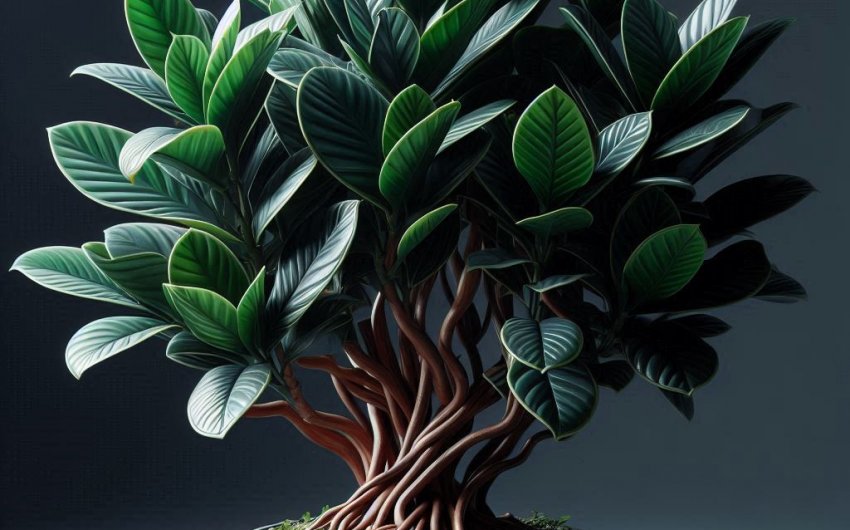
Known for its striking upright foliage, drought tolerance, and ability to thrive in low-light conditions, the ZZ Plant (Zamioculcas zamiifolia) has rapidly become a favorite among both seasoned plant enthusiasts and gardening novices. Often touted as virtually indestructible, its resilience makes it an ideal choice for busy individuals or those new to houseplants. If you're wondering what are the care requirements for ZZ Plants to keep them thriving and looking their best, you'll be pleased to learn that their needs are remarkably simple and forgiving, making them a truly low-maintenance addition to any indoor space.
What Makes ZZ Plants So Easy to Care For?
The ZZ Plant's reputation as a low-maintenance houseplant is well-earned. Its remarkable resilience stems from its native habitat and unique adaptations that allow it to survive periods of drought and low light. Understanding these characteristics helps clarify what are the care requirements for ZZ Plants.
Where Do ZZ Plants Come From?
ZZ Plants are native to the arid grasslands and dry deciduous forests of eastern Africa, from Kenya south to northern South Africa. This natural habitat experiences periods of intense heat and prolonged drought, followed by infrequent but heavy rainfall. These conditions have shaped the ZZ Plant's unique survival mechanisms.
- Adaptations from Native Habitat:
- Rhizomes: The most significant adaptation. ZZ Plants store water and nutrients in large, potato-like underground rhizomes. This allows them to survive long periods without water, drawing on their reserves.
- Waxy Leaves: Their thick, glossy, waxy leaves help to reduce water loss through transpiration (evaporation from leaf surfaces).
- Succulent Stems: The stems are also somewhat succulent, capable of storing water.
- Drought Deciduous: In extreme drought, ZZ Plants can drop their leaves to conserve moisture, a survival strategy seen in many arid-adapted plants. They will regrow new leaves when conditions improve.
What are the Key Characteristics of a ZZ Plant?
The distinctive features of the ZZ Plant are not just aesthetic; they are indicators of its remarkable resilience.
- Appearance:
- Thick, upright stems: Emerging directly from the rhizomes, giving the plant a structured, architectural look.
- Glossy, dark green leaves: Oval-shaped, arranged in a feathery pattern along the stems.
- "Zamioculcas zamiifolia": Its scientific name, Zamioculcas, references the resemblance of its leaves to the Zamia fern, and zamiifolia means "with leaves like Zamia."
- Growth Habit: Relatively slow-growing, reaching 2-3 feet (60-90 cm) tall and wide indoors. New stems emerge as bright green and gradually darken.
- Air Purification: ZZ Plants are also known for their ability to purify indoor air, capable of removing toxins like xylene, toluene, benzene, and ethylbenzene.
- Durability: Their ability to withstand neglect makes them perfect for busy individuals, offices, or beginners. They are highly resistant to most pests and diseases.
Understanding these inherent qualities provides the foundation for their simple care, highlighting why what are the care requirements for ZZ Plants is such an easy question to answer.
What are the Essential Care Requirements for ZZ Plants?
Despite their extreme tolerance, providing optimal care for your ZZ Plant will ensure it not only survives but truly thrives, developing lush, vibrant foliage and maintaining its healthy, upright growth. Focusing on their primary needs, particularly watering, will set you up for success.
How Often Should I Water My ZZ Plant?
Watering is the most critical aspect of ZZ Plant care. Overwatering is the single most common cause of problems, leading to rhizome and root rot.
- Allow Soil to Dry Completely: The golden rule for ZZ Plants. Allow the soil to dry out completely, and even remain dry for a week or two, before watering again.
- How to Check: Stick your finger 2-3 inches (5-7.5 cm) into the soil. If it feels moist, wait. Better yet, lift the pot to gauge its weight – a dry pot will feel significantly lighter. A soil moisture meter can also be very helpful.
- Water Deeply When Dry: When it's time to water, drench the soil thoroughly until water drains from the bottom of the pot.
- Empty Saucer: Always empty any excess water from the saucer within 30 minutes to prevent the plant from sitting in standing water.
- Seasonal Adjustment:
- Summer (Growing Season): You might water every 2-4 weeks, depending on light, temperature, and humidity.
- Winter (Dormant Season): Reduce watering significantly, perhaps once a month or even every 6-8 weeks, as growth slows down considerably.
- Signs of Overwatering: Yellowing leaves, mushy stems, unpleasant odor from the soil, stunted growth, and eventually soft, rotting rhizomes.
- Signs of Underwatering: Shriveled leaves, drooping stems, browning leaf tips. While they tolerate drought, prolonged extreme dryness can eventually cause damage.
How Much Light Does a ZZ Plant Need?
ZZ Plants are incredibly versatile when it comes to light, tolerating a wide range of conditions, which contributes to their low-maintenance reputation.
- Ideal Light: Bright, indirect light is preferred. This promotes the fastest, healthiest growth and the most vibrant foliage. Place them near a north- or east-facing window, or a few feet back from a south- or west-facing window.
- Low Light Tolerance: ZZ Plants are famous for tolerating very low light conditions, making them ideal for offices, hallways, or rooms with limited natural light. Growth will be slower, and stems may be a bit more leggy, but the plant will generally survive.
- Avoid Direct Sun: While they can adapt to some direct morning sun, prolonged exposure to intense, direct afternoon sun can scorch their leaves, causing yellowing, browning, or crispy spots.
- Signs of Too Little Light: Very slow growth, leggy stems with wide spacing between leaves, and new growth that is pale green and doesn't harden off to a deep green.
- Signs of Too Much Light: Yellowing leaves, brown crispy spots on foliage.
What Kind of Soil is Best for ZZ Plants?
The right potting mix is crucial for preventing root rot, especially given their drought-tolerant nature.
- Well-Draining is Key: ZZ Plants need a potting mix that drains exceptionally well to prevent water from sitting around their rhizomes.
- Recommended Mix: A standard succulent or cactus potting mix is often ideal. Alternatively, create your own mix using:
- Good quality indoor potting soil (base)
- Perlite or Pumice (for aeration and drainage)
- Orchid Bark or Coarse Sand (for additional drainage and grit)
- A good ratio is 2 parts potting soil to 1 part perlite/pumice and 1 part orchid bark.
- You can find a well-draining succulent potting mix at most garden stores.
- Avoid Heavy, Dense Soils: These retain too much moisture and will quickly lead to root rot.
What Temperature and Humidity Do ZZ Plants Prefer?
Temperature and humidity requirements for ZZ Plants are straightforward and generally align with typical indoor environments.
- Temperature:
- Ideal Range: They thrive in average room temperatures between 65°F and 80°F (18°C and 27°C).
- Avoid Extremes: Protect them from sudden cold drafts (e.g., from open windows in winter) or extreme heat sources. Temperatures below 50°F (10°C) can cause damage.
- Humidity:
- Average Room Humidity: ZZ Plants tolerate average household humidity levels very well. They do not require high humidity.
- Avoid Excessive Humidity: While they tolerate it, constantly high humidity combined with overwatering can exacerbate rot issues. Misting is generally not necessary or recommended for ZZ Plants.
By prioritizing infrequent watering in well-draining soil, along with adequate but not excessive light and average room temperatures, you've mastered what are the care requirements for ZZ Plants to ensure their long-term health and striking appearance.
What About Fertilizing, Repotting, and Pruning ZZ Plants?
While less frequent than watering, understanding the needs for fertilizing, repotting, and pruning ZZ Plants contributes to their optimal long-term health and growth, ensuring they continue to be vibrant additions to your indoor space.
Do ZZ Plants Need Fertilizing?
ZZ Plants are not heavy feeders and can go long periods without fertilization. Over-fertilizing can easily lead to salt buildup and root burn.
- Frequency: Fertilize sparingly, typically only once or twice a year during the active growing season (spring and summer).
- Fertilizer Type: Use a balanced liquid houseplant fertilizer (e.g., 10-10-10 or 20-20-20) diluted to half or even quarter strength. A good liquid houseplant fertilizer is sufficient.
- Avoid: Do not fertilize in fall or winter when the plant's growth has slowed. Never fertilize a stressed or newly repotted plant.
- Signs of Over-fertilization: Crispy, brown leaf tips or edges, white crust on the soil surface, or stunted growth despite regular watering.
How Often Should I Repot My ZZ Plant?
ZZ Plants prefer to be root-bound and do not need frequent repotting. In fact, they often thrive when slightly snug in their pots.
- Frequency: Repot only every 2-3 years, or when you notice signs of the plant becoming severely root-bound.
- Signs of Being Root-Bound: Roots emerging from drainage holes, pot bulging or cracking, extremely slow growth, or the plant drying out too quickly between waterings (despite ample watering).
- Pot Size: Choose a pot that is only 1-2 inches (2.5-5 cm) larger in diameter than the current one. Moving to a much larger pot can lead to excess soil staying wet for too long, increasing the risk of root rot.
- Pot Material: Terracotta pots are excellent for ZZ Plants as they are porous and promote quicker drying of the soil, reducing the risk of overwatering. A terracotta pot with drainage is a great option.
- Repotting Process:
- Gently remove the plant from its current pot.
- Inspect the rhizomes and roots. Trim any soft, mushy, or rotting sections.
- Repot into fresh, well-draining potting mix.
- Allow the soil to dry for a few days before the first watering after repotting to help roots settle and heal.
Do I Need to Prune My ZZ Plant?
Pruning ZZ Plants is generally not required for health, but it can be done for aesthetic purposes or to manage size.
- Why Prune?
- Remove Yellow/Damaged Stems: Prune off any yellowing, damaged, or mushy stems. This improves the plant's appearance and helps prevent the spread of potential issues.
- Control Size/Shape: If your ZZ Plant becomes too large or leggy, you can prune stems back to the desired height.
- How to Prune: Use clean, sharp pruning shears or scissors. Cut stems at their base, close to the soil line.
- Safety Note: ZZ Plant sap can cause skin irritation. Wear gardening gloves when pruning or handling the plant, and wash hands thoroughly afterward.
By understanding these aspects of ZZ Plant care, you ensure your plant continues to thrive and contributes its unique beauty to your home for many years.
What Are Common Problems with ZZ Plants and How Do I Fix Them?
While ZZ Plants are famously resilient, they are not entirely immune to problems. Most issues stem from improper watering, which leads to various symptoms. Knowing how to troubleshoot these common problems is essential for what are the care requirements for ZZ Plants and keeping them healthy.
Why are My ZZ Plant Leaves Turning Yellow?
Yellowing leaves are the most common symptom of a distressed ZZ Plant, usually indicating a watering issue.
- Overwatering (Most Common Cause):
- Symptoms: Lower leaves turn yellow and may feel soft or mushy. Stems may also become soft and mushy at the base, and the soil might smell foul. The plant looks generally droopy. This is due to root and rhizome rot.
- Fix: Immediately stop watering. Allow the soil to dry out completely. If the problem is severe (mushy stems), unpot the plant, inspect rhizomes for rot (soft, black, slimy sections), trim away all rotted parts with a sterilized knife, and repot in fresh, dry, well-draining soil. Allow it to dry out for a week before watering very lightly.
- Underwatering (Less Common, but possible):
- Symptoms: Leaves may turn yellow or slightly brown, feel crispy, and stems may appear shriveled or slightly droopy, but not mushy.
- Fix: Water thoroughly until water drains from the bottom. Resume a proper watering schedule, allowing the soil to dry out between waterings.
- Too Much Direct Light:
- Symptoms: Yellowing, sometimes with crispy brown spots, often appears on leaves exposed to direct, intense sun.
- Fix: Move the plant to a spot with bright, indirect light.
- Nutrient Deficiency (Rare):
- Symptoms: General yellowing, especially in very old, never-fertilized plants.
- Fix: Provide a very diluted, balanced liquid fertilizer during the growing season.
Why is My ZZ Plant Drooping or Wilting?
Drooping or wilting in a ZZ Plant usually points to either too much or too little water.
- Overwatering/Root Rot (Most Common):
- Symptoms: Stems become mushy at the base, and the entire plant wilts despite the soil being wet. This indicates the roots are rotting and cannot support the plant.
- Fix: See "Overwatering" fix above. This is a critical situation needing immediate attention.
- Underwatering/Dehydration:
- Symptoms: Stems become soft and pliable (but not mushy), leaves may curl slightly, and the plant generally looks limp. The soil will be bone dry.
- Fix: Water thoroughly until water drains from the bottom. The plant should perk up within hours to a day.
What Pests and Diseases Affect ZZ Plants?
ZZ Plants are highly resistant to pests and diseases, making them truly low-maintenance. However, no plant is entirely immune.
- Pests (Rare):
- Spider Mites: Very rare, but can occur in extremely dry environments. Look for tiny webs and speckling on leaves.
- Mealybugs/Scale: Also rare, but can occasionally be found on stems.
- Fix: For any pest, first try wiping with a damp cloth or a cotton swab dipped in rubbing alcohol. For more persistent issues, use a diluted Neem oil spray.
- Diseases:
- Root Rot (Most Common, Due to Overwatering): The primary and almost only disease issue. Symptoms include mushy stems and rhizomes, yellowing leaves, and a foul smell.
- Fix: As detailed under "Overwatering." Root rot is the biggest threat.
Why is My ZZ Plant Not Growing or Growing Very Slowly?
ZZ Plants are naturally slow growers, but extreme slowness can indicate an environmental issue.
- Normal Slow Growth: This is simply their nature. Don't expect rapid growth.
- Insufficient Light:
- Cause: Too little light (while tolerated) will significantly slow down growth. New stems may be leggy and weak.
- Fix: Move to a brighter, indirect light location.
- Lack of Fertilization (Long-Term):
- Cause: If the plant has been in the same pot for years with no fresh soil or fertilizer, nutrient depletion can slow growth.
- Fix: Fertilize sparingly during the growing season with a diluted, balanced fertilizer.
- Root-Bound:
- Cause: While they like being snug, being severely root-bound can eventually limit new growth.
- Fix: Repot into a slightly larger pot with fresh soil, as described above.
By understanding and quickly addressing these common issues, particularly those related to watering, you can ensure your ZZ Plant remains a thriving and beautiful part of your indoor garden, truly embodying what are the care requirements for ZZ Plants – minimal yet effective.