
Parlor Palm: Easy Care Tips for This Elegant Indoor Palm
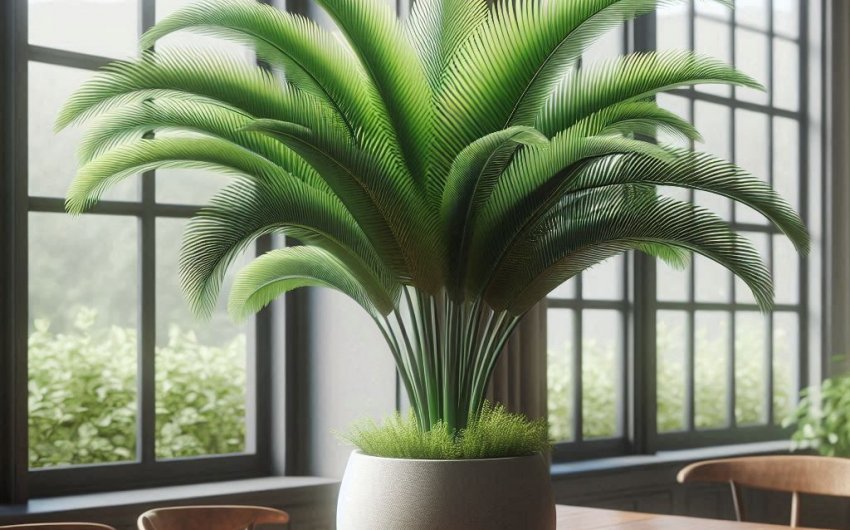
The parlor palm (Chamaedorea elegans) is truly an elegant indoor palm and a staple in homes and offices, renowned for its delicate, feathery foliage and remarkably easy care requirements. Often recommended for beginners, this graceful plant brings a touch of tropical lushness to any interior space without demanding constant attention. Despite its refined appearance, the parlor palm is surprisingly tolerant of less-than-ideal conditions, making it an excellent choice for adding natural beauty and a calming presence to your home. Let's delve into everything you need to know to ensure your parlor palm thrives, maintaining its vibrant green fronds year-round.
What Makes the Parlor Palm Such a Popular Houseplant?
The parlor palm has enjoyed immense popularity for generations, and for good reason. Its inherent beauty, adaptability, and relatively low maintenance needs make it a standout choice for indoor gardeners of all experience levels.
Elegant and Graceful Appearance
- Feathery Fronds: Its most striking feature is its delicate, arching, dark green fronds, which are composed of many small, slender leaflets. This creates a soft, airy, and feathery appearance that instantly adds a touch of tropical elegance to any room.
- Compact Growth: Unlike many other palms that can grow very tall or wide, the parlor palm maintains a relatively compact and upright growth habit indoors, typically reaching 2-6 feet in height. This makes it suitable for various spaces, from tabletops to floor displays.
- Architectural Element: Its symmetrical growth pattern and slender stems give it an appealing architectural quality, making it a natural focal point or a subtle backdrop.
Adaptability to Indoor Conditions
One of the greatest strengths of the parlor palm is its remarkable tolerance for typical indoor environments, which often fall short of tropical ideal.
- Low Light Tolerance: While it thrives in bright, indirect light, the parlor palm is one of the few palms that can genuinely tolerate and even do well in low-light conditions. This makes it perfect for rooms with limited natural light or as an office plant.
- Humidity Tolerance: While it appreciates humidity, it's not as finicky as some other tropical plants and can handle average household humidity levels, though dry air can sometimes lead to brown tips.
- Temperature Flexibility: It's comfortable in standard room temperatures, avoiding extremes.
Low Maintenance and Beginner-Friendly
The "easy care" reputation of the parlor palm is well-earned.
- Forgiving: It's quite forgiving of occasional neglect or less-than-perfect conditions, making it an excellent choice for busy individuals or those new to plant care.
- Minimal Pruning: Requires very little pruning, usually just the removal of old, yellowed fronds.
- Pest Resistance: Generally less prone to severe pest infestations compared to some other houseplants.
Air-Purifying Qualities
Like many houseplants, the parlor palm contributes to a healthier indoor environment by helping to filter common airborne toxins, improving indoor air quality. This combination of aesthetic appeal, adaptability, and easy care solidifies the parlor palm's status as a perennial favorite among indoor plant enthusiasts.
What Kind of Light Does a Parlor Palm Need Indoors?
Light is a crucial factor for the health of any houseplant, and while the parlor palm is known for its tolerance, providing the right amount of light will ensure its vibrant green color and robust growth.
Ideal Light Conditions: Bright, Indirect Light
The parlor palm's natural habitat is the understory of rainforests in Mexico and Guatemala, where it grows beneath the canopy of larger trees. This means it's accustomed to filtered, dappled sunlight, not direct, harsh sun.
- Optimum Placement: The best indoor location for a parlor palm is in a spot that receives bright, indirect light. This could be:
- Near a north-facing window.
- A few feet back from an east or west-facing window, where it receives gentle morning or late afternoon sun, but avoids intense midday rays.
- Behind a sheer curtain on a south-facing window.
- Consistent Light: Rotate your palm every few weeks to ensure all sides receive even light exposure, promoting symmetrical growth.
Tolerance for Low Light
The parlor palm is one of the most shade-tolerant palms available, making it an excellent choice for less-than-ideal lighting conditions.
- Benefits: It can survive and even maintain its health in moderately low light areas, such as a corner of a room with ambient light or a well-lit office.
- Trade-offs: In very low light, its growth will be slower, and the fronds might appear a darker green. It won't produce as many new fronds, and overall vigor might be reduced. However, it typically won't decline rapidly like some other plants.
Avoiding Common Lighting Mistakes
- Direct Sunlight: This is the most common mistake. Direct, unfiltered sunlight, especially through a south or west-facing window, will scorch the delicate fronds, leading to yellowing, crispy brown spots, and overall decline. Always protect it from intense sun.
- Too Much Shade: While tolerant of low light, extremely dim conditions (e.g., a dark corner far from any window) will cause the plant to weaken over time, become leggy, and potentially turn pale or yellow due to lack of energy for photosynthesis.
- Sudden Changes: Avoid moving your parlor palm suddenly from a low-light area to a very bright one, or vice-versa. Acclimate it gradually to prevent shock.
By understanding its light preferences and avoiding harsh direct sun, you'll ensure your parlor palm retains its lush, green appearance and remains a healthy, elegant addition to your indoor space.
What Kind of Water and Humidity Does a Parlor Palm Need?
Proper watering and attention to humidity are crucial for the long-term health of your parlor palm. While they are forgiving, consistently getting these elements right will prevent common problems like brown tips and yellowing fronds.
Watering Your Parlor Palm
Parlor palms prefer consistently moist soil, but they are highly susceptible to overwatering and root rot.
- The "Feel Test" is Key: The best way to know when to water is to feel the soil. Water thoroughly when the top 1-2 inches of soil feel dry to the touch. Stick your finger into the soil or use a moisture meter.
- Watering Technique:
- Thorough Soak: Water slowly and deeply until you see water draining from the bottom of the pot.
- Drain Excess: Always ensure the pot has drainage holes and empty any standing water from the saucer after about 30 minutes. Sitting in soggy soil is a death sentence for parlor palms.
- Water Quality: While not as sensitive as some carnivorous plants, parlor palms can develop brown tips if consistently watered with water high in fluoride or chlorine. If you notice brown tips despite good humidity, consider using filtered water, rainwater, or allowing tap water to sit out for 24 hours to let chlorine dissipate.
- Seasonal Adjustments: Reduce watering frequency in winter when growth slows down and the plant uses less water.
Humidity Requirements
Parlor palms are native to tropical rainforests, so they naturally thrive in high humidity. Dry indoor air, especially during winter with heating systems on, can be a common cause of brown leaf tips.
- Signs of Low Humidity: Brown, crispy leaf tips or edges are a tell-tale sign of insufficient humidity.
- Ways to Increase Humidity:
- Pebble Tray: Place the potted palm on a tray filled with pebbles and water. Ensure the bottom of the pot is above the waterline to prevent the soil from drawing up excess moisture.
- Humidifier: For consistently dry indoor environments, running a room humidifier nearby will significantly benefit your palm and other houseplants.
- Grouping Plants: Cluster your parlor palm with other humidity-loving plants. As plants release moisture through transpiration, they create a slightly more humid microclimate around each other.
- Misting (Limited Effectiveness): While misting can provide a temporary boost of humidity and help clean leaves, its effect is short-lived. It's not a substitute for other methods, and excessive misting in poor air circulation can sometimes encourage fungal issues. If you do mist, use distilled or filtered water to avoid mineral deposits on leaves.
By carefully managing water levels to avoid both dryness and sogginess, and by providing a moderately humid environment, you'll keep your parlor palm's beautiful green fronds looking their best.
What is the Best Potting Mix and Container for a Parlor Palm?
Choosing the right potting mix and container is fundamental to the health of your parlor palm, directly impacting drainage, aeration, and root health.
Potting Mix Essentials
Parlor palms need a well-draining yet moisture-retentive potting mix. This balances their need for consistent moisture with their susceptibility to root rot.
- Standard Potting Mix Base: Start with a high-quality all-purpose potting mix as your base. Look for mixes that are labeled for indoor plants.
- Enhance Drainage: The key is to amend the standard mix to ensure it's sufficiently well-draining. Add ingredients that improve aeration and prevent compaction.
- Perlite: A lightweight, porous volcanic glass that creates air pockets and improves drainage. Add a generous amount, about 20-30% of the total mix. Hoffman Perlite is a good choice.
- Coarse Sand: Horticultural sand (not play sand) can also improve drainage, adding some weight.
- Orchid Bark/Pine Bark Fines: Small pieces of bark improve drainage and aeration, mimicking the organic matter found in their natural forest floor environment.
- Avoid Heavy Soil: Steer clear of heavy, clay-rich garden soil, as it compacts easily and retains too much water, suffocating the roots.
- Nutrient-Free Amendments: Ensure any amendments you add (like perlite or bark) are free of added fertilizers, as the main potting mix should provide sufficient initial nutrients.
Choosing the Right Pot
- Drainage Holes: This is non-negotiable. Your pot must have drainage holes at the bottom to allow excess water to escape. Without them, water will sit at the bottom, leading to root rot.
- Material:
- Plastic Pots: Excellent choice. They are lightweight, inexpensive, and retain moisture longer than terra cotta, which can be beneficial for a plant that likes consistent moisture.
- Glazed Ceramic/Porcelain Pots: Also good. Like plastic, they retain moisture well. Ensure they have good drainage holes.
- Terra Cotta Pots: While very attractive and breathable, they dry out very quickly. This means you'll need to water your parlor palm more frequently, which can be a chore. They are generally less ideal unless you're very diligent with watering.
- Size: Parlor palms prefer to be slightly root-bound, so avoid overpotting.
- Repotting: Only repot when the plant is visibly root-bound (roots circling the bottom, growing out of drainage holes) or when growth has slowed significantly.
- Size Up: When repotting, only go up one pot size (e.g., from a 6-inch to an 8-inch pot). Too large a pot means too much excess soil, which holds excess moisture and increases the risk of root rot.
Repotting Your Parlor Palm
- Timing: Repot in spring or early summer when the plant is actively growing.
- Process:
- Gently remove the palm from its current pot.
- Loosen any circling roots at the bottom.
- Add a layer of your prepared potting mix to the new pot.
- Center the palm in the new pot, ensuring its base is at the same level as it was previously.
- Fill around the root ball with fresh potting mix, gently tamping it down to remove large air pockets.
- Water thoroughly until water drains from the bottom.
- Place in its usual indirect light spot.
By providing the correct potting mix and a suitably sized pot with drainage, you'll establish a healthy foundation for your parlor palm to thrive indoors.
How and When Should I Fertilize a Parlor Palm?
Fertilizing your parlor palm provides essential nutrients for healthy growth, but doing it correctly is key. Over-fertilization can quickly harm these sensitive plants.
Why Fertilize a Parlor Palm?
While parlor palms are not heavy feeders, indoor potted plants eventually deplete the nutrients in their potting mix. Fertilization replenishes these nutrients, promoting:
- Vibrant Green Fronds: Prevents yellowing due to nutrient deficiencies.
- Stronger Growth: Supports the development of new, healthy fronds.
- Overall Vigor: Helps the plant resist stress and pests.
When to Fertilize
- Growing Season Only: Fertilize only during the active growing season, which is typically spring and summer. This is when the plant is actively producing new foliage and can effectively utilize the nutrients.
- Avoid Winter Fertilization: Do not fertilize in fall or winter, when the plant's growth naturally slows down. Fertilizing during dormancy can lead to nutrient buildup in the soil and potential root burn.
- After Repotting: Wait at least 2-3 months after repotting before fertilizing, as fresh potting mix contains enough nutrients to sustain the plant initially.
What Kind of Fertilizer to Use
- Balanced Liquid Fertilizer: Opt for a balanced liquid houseplant fertilizer with an NPK ratio (Nitrogen-Phosphorus-Potassium) like 5-5-5, 10-10-10, or a slightly higher nitrogen ratio.
- Slow-Release Granular: You can also use a slow-release granular fertilizer designed for houseplants. Follow the package directions for application rates and frequency.
- Avoid High-Phosphorus Fertilizers: High-phosphorus fertilizers are generally not needed for foliage plants like palms.
- Specialty Palm Fertilizers: Some brands offer specific palm fertilizers, which can be a good option as they contain micronutrients beneficial to palms. Jobe's Organics Palm Fertilizer Spikes are convenient.
How to Fertilize (Dilution is Key!)
- Dilute, Dilute, Dilute: This is the most important rule for parlor palms. Always dilute liquid fertilizers to half or even quarter strength of what the package recommends for other houseplants. Parlor palms are sensitive to fertilizer salts.
- Application: Water your palm first, then apply the diluted fertilizer solution to moist soil. Applying fertilizer to dry soil can burn the roots.
- Frequency: Fertilize once a month or every other month during the growing season. Err on the side of less frequent and more diluted applications.
Signs of Over-Fertilization
- Brown, Crispy Leaf Tips/Edges: Can mimic low humidity but often more severe, spreading from the edges inwards.
- White Crust on Soil Surface: A buildup of fertilizer salts.
- Stunted Growth or Sudden Decline: Severe over-fertilization can kill the plant.
If you suspect over-fertilization, flush the soil thoroughly with plain, pure water. Water slowly until water drains freely from the bottom for at least 15-20 minutes to wash out excess salts. Then, refrain from fertilizing for a few months. By using a diluted, balanced fertilizer during the active growing season and being cautious not to overdo it, you'll provide your parlor palm with the nutrients it needs to flourish without risking harm.
What Are Common Problems and How Do I Solve Them for My Parlor Palm?
Even with their easy care reputation, parlor palms can encounter a few common issues. Knowing how to identify and address these problems will keep your plant looking elegant and healthy.
Brown Leaf Tips or Edges
- Cause: This is the most common complaint and is almost always due to low humidity, underwatering, or mineral buildup (from tap water or over-fertilization).
- Solution:
- Humidity: Increase humidity with a pebble tray, humidifier, or grouping plants.
- Watering: Ensure you are watering deeply when the top 1-2 inches of soil are dry, but not letting the plant sit in soggy soil.
- Water Quality: If humidity and watering are good, switch to distilled, RO, or rainwater, or let tap water sit out to de-chlorinate.
- Fertilizer: If over-fertilizing, flush the soil and dilute future applications.
- Trim: Once the tips are brown, they won't turn green again. You can carefully trim off the brown parts with sharp scissors, following the natural curve of the leaf, but avoid cutting into the green healthy tissue.
Yellowing Fronds (Older Leaves)
- Cause: Often a sign of underwatering (whole frond yellowing and crisping), nutrient deficiency (especially lower, older fronds), or natural aging.
- Solution:
- Underwatering: Adjust watering schedule to ensure consistent moisture.
- Nutrient Deficiency: Begin a light, diluted fertilization regimen during the growing season.
- Natural Aging: It's normal for older, lower fronds to eventually yellow and die. Trim them off once they are fully yellow or brown.
Yellowing Fronds (New or All Leaves)
- Cause: This is typically a sign of overwatering (leading to root rot) or insufficient light.
- Solution:
- Overwatering: Immediately check soil moisture. Allow the soil to dry out more between waterings. Ensure good drainage. If severe, unpot, check roots for rot (mushy, black), trim any rotted parts, and repot in fresh, dry soil.
- Insufficient Light: Move the plant to a brighter spot with indirect light.
Drooping Fronds
- Cause: Most commonly underwatering. Can also be from overwatering (roots are rotting and can't take up water).
- Solution:
- Check Soil: Feel the soil. If dry, water thoroughly. If soggy, suspect overwatering and follow the steps above.
Pests (Spider Mites, Mealybugs)
- Cause: Dry air and stress can make palms more susceptible. Spider mites are very tiny and create fine webbing; mealybugs look like white cottony masses.
- Solution:
- Increase Humidity: Higher humidity can naturally deter spider mites.
- Physical Removal: For light infestations, wipe pests off with a cotton swab dipped in rubbing alcohol.
- Insecticidal Soap: Apply a horticultural insecticidal soap specifically for houseplants. Follow label directions.
- Neem Oil: A natural pesticide. Mix and spray according to directions. Neem oil spray can be effective.
- Shower: For spider mites, a strong shower in the tub can dislodge many of them.
- Quarantine: Isolate affected plants to prevent spread to other houseplants.
By consistently monitoring your parlor palm for these signs and adjusting your easy care routine accordingly, you can quickly address problems and ensure your elegant palm remains a stunning feature in your home. With its graceful appearance and remarkably easy care needs, the parlor palm truly earns its title as an elegant indoor palm and a favorite among houseplant enthusiasts. By providing consistent bright, indirect light, understanding its specific watering requirements, using a well-draining soil mix, and fertilizing judiciously, you can ensure your parlor palm flourishes, bringing a touch of lush, tropical beauty to your indoor space for many years to come.