
Dumb Cane Plant Care: Everything You Need to Know
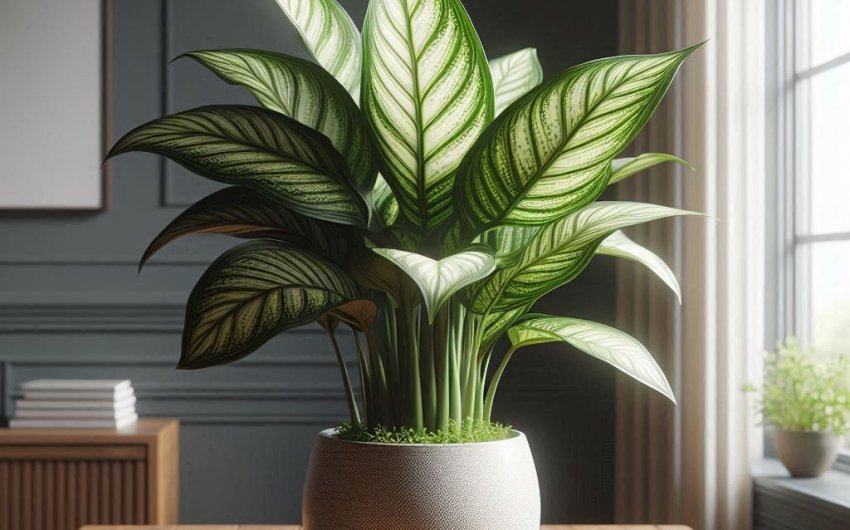
Embarking on Dumb Cane Plant Care: Everything You Need to Know is a rewarding journey for any houseplant enthusiast. Known scientifically as Dieffenbachia, this striking tropical plant is celebrated for its large, often variegated leaves that add a vibrant touch of green, white, and yellow to any indoor space. Despite its beautiful appearance, the "Dumb Cane" gets its common name from the temporary speech impediment that can occur if its sap is ingested, highlighting the importance of understanding its needs and handling it with care. With the right knowledge, you can ensure your Dieffenbachia thrives, becoming a lush focal point in your home.
What Exactly is a Dumb Cane Plant?
The Dumb Cane, or Dieffenbachia, is a popular genus of tropical plants native to the rainforests of Central and South America. They are prized as houseplants for their dramatic foliage and relatively easy care.
- Appearance: Dieffenbachia plants are characterized by their large, oval, or lance-shaped leaves that grow on sturdy, upright stems. The leaves are typically variegated with patterns of green, cream, white, or yellow, ranging from speckles and blotches to distinct veining.
- Size: Depending on the species and cultivar, they can grow from small tabletop plants to impressive floor specimens, reaching heights of 3-6 feet or more indoors.
- Common Name Origin: The name "Dumb Cane" comes from the plant's sap, which contains calcium oxalate crystals. If ingested, these crystals can cause irritation, swelling of the mouth and throat, and temporary loss of speech. This highlights the importance of keeping the plant out of reach of children and pets.
- Toxicity: Dieffenbachia is toxic if ingested. Always wear gloves when handling it, especially when pruning or repotting, as the sap can also cause skin irritation.
- Botanical Classification: It belongs to the Araceae family, which also includes other popular houseplants like Philodendron and Pothos.
What Are the Ideal Light Conditions for a Dumb Cane Plant?
Light is one of the most crucial factors in Dieffenbachia care, directly impacting its growth, leaf coloration, and overall health.
- Bright, Indirect Light is Best: Dieffenbachia thrives in bright, indirect light. This means placing it near a window where it receives plenty of ambient light but is shielded from direct, harsh sun rays.
- Ideal Spots: An east-facing window is often perfect, offering gentle morning sun. A few feet away from a south or west-facing window is also good, possibly with a sheer curtain to diffuse intense afternoon light.
- Avoid Direct Sunlight: Direct, intense sunlight can scorch Dieffenbachia leaves, leading to yellowing, browning spots, or fading of their beautiful variegation. The delicate variegation can be especially sensitive.
- Avoid Low Light: While Dieffenbachia can tolerate lower light conditions, it will not thrive.
- Symptoms in Low Light: Growth will slow significantly, new leaves will be smaller, and the variegation will become less pronounced or even disappear (reverting to mostly green). The plant may also become leggy, stretching towards any available light source.
- Signs of Good Light:
- Vibrant, distinct variegation on leaves.
- Steady production of new leaves.
- Compact, upright growth habit.
- Rotating the Plant: Rotate your Dumb Cane regularly (every week or two) to ensure all sides receive even light exposure. This prevents it from leaning towards the light source and promotes balanced, symmetrical growth.
- Supplemental Lighting: If you don't have adequate natural light, especially during winter months, a full-spectrum LED grow light can provide the necessary illumination. Place it a few feet above the plant.
How Should I Water My Dumb Cane Plant?
Proper watering is paramount for Dieffenbachia health. Overwatering is a common killer, while underwatering can also cause stress.
The "Top Inch Dry" Method
- Frequency: The golden rule for watering Dieffenbachia is to let the top 1-2 inches of soil dry out before watering again.
- How to Check: Stick your finger into the soil. If it feels dry to the first knuckle, it's time to water. You can also use a plant moisture meter.
- Thorough Watering: When you do water, water deeply and thoroughly. Pour water slowly and evenly over the entire soil surface until you see it draining from the bottom of the pot.
- Drainage: Ensure your pot has drainage holes! Never let your Dieffenbachia sit in standing water. Always empty any excess water from the saucer immediately after watering.
- Water Type: If your tap water is heavily chlorinated or very hard, consider letting it sit out for 24 hours to allow chlorine to dissipate, or use filtered water.
Factors Affecting Watering Frequency
- Light Levels: Plants in brighter light will dry out faster and need more frequent watering.
- Temperature: Warmer temperatures increase evaporation from the soil, so you'll water more often.
- Humidity: Higher humidity means less evaporation, so you'll water less often.
- Pot Size & Material: Smaller pots dry faster. Terracotta pots (unglazed clay) are porous and dry out quicker than plastic or glazed ceramic pots.
- Season: Dieffenbachia's growth slows significantly in winter. Reduce watering frequency during cooler, darker months. The soil will dry out much more slowly.
Signs of Underwatering
- Drooping or Wilting Leaves: Leaves will look limp and may even curl slightly.
- Crispy Edges: Leaf edges may turn brown and crispy.
- Yellowing Lower Leaves: While normal for older leaves, rapid yellowing and dropping of many lower leaves can indicate persistent underwatering.
- Solution: Water thoroughly immediately. The plant should perk up within a few hours.
Signs of Overwatering
- Yellowing Leaves (often starting from the bottom): Unlike underwatering, these leaves often feel soft or mushy.
- Brown, Mushy Stems: A clear sign of root rot spreading upwards.
- Blackened Roots: If you check the roots, they will be soft and black, not firm and white.
- Foul Odor: A musty or rotting smell from the soil.
- Stunted Growth: Overall growth will cease.
- Solution: Stop watering immediately. If symptoms are severe, carefully remove the plant from its pot. Inspect roots and trim away any black, mushy, or unhealthy roots with clean, disinfected shears. Repot into fresh, dry potting mix. Do not water for several days to a week after repotting.
What Kind of Soil and Pot Does a Dumb Cane Plant Need?
Choosing the right soil and pot is fundamental to good Dieffenbachia care, directly impacting drainage and root health.
Potting Mix
- Well-Draining is Essential: Dieffenbachia needs a well-draining potting mix that retains some moisture but never stays soggy.
- Ideal Mix: A good quality, general-purpose houseplant potting mix as a base, amended for extra drainage.
- Amendments to Consider:
- Perlite: Add a generous amount of perlite (about 1 part perlite to 3-4 parts potting mix) to improve drainage and aeration.
- Coarse Sand: A small amount of horticultural coarse sand can also aid drainage.
- Orchid Bark: A small amount of orchid bark can help with aeration and moisture retention.
- Avoid: Heavy, dense soils that compact easily and retain too much water.
Pot Type and Drainage
- Drainage Holes are Non-Negotiable: A pot without drainage holes is a death sentence for most Dieffenbachia plants. Always choose a pot with at least one functional drainage hole at the bottom.
- Material:
- Terracotta Pots: Good choice as they are porous and allow air to roots and moisture to evaporate through the sides, reducing the risk of overwatering. You might need to water slightly more often.
- Plastic or Glazed Ceramic Pots: Fine as long as they have drainage holes. They retain moisture longer, so adjust your watering frequency accordingly.
- Size:
- Don't Oversize: Choose a pot that is only slightly larger than the current root ball. If you repot into a pot that is too large, the excess soil will hold too much moisture, increasing the risk of root rot.
- Ideal: Repot into a pot that is only 1-2 inches wider in diameter than the previous one.
- No Drainage Layer: Do NOT add a layer of gravel, pebbles, or broken pot shards at the bottom of the pot. This does not improve drainage; instead, it creates a "perched water table" that keeps the soil above it soggy and contributes to root rot.
What Are the Humidity and Temperature Needs of a Dumb Cane?
As tropical plants, Dieffenbachia plants thrive in warm, humid conditions that mimic their native rainforest environment.
Temperature
- Warmth is Key: Dieffenbachia prefers warm, stable temperatures.
- Ideal Range: Between 65-80°F (18-27°C) during the day.
- Nighttime: Can tolerate a slight drop at night, but consistently cold temperatures (below 60°F or 15°C) will stress the plant.
- Avoid Cold Drafts: Keep your Dumb Cane away from cold windows, air conditioning vents, or exterior doors, as sudden temperature drops or cold drafts can cause leaf damage or leaf drop.
- Avoid Heat Sources: Also keep away from hot radiators, heating vents, or fireplaces, as these can dry out the air too much.
Humidity
- High Humidity Preferred: Dieffenbachia loves high humidity, ideally 60% or higher. Dry indoor air, especially common in winter with central heating, is often a cause of problems.
- Signs of Low Humidity:
- Brown, Crispy Leaf Tips or Edges: This is a very common symptom.
- Slowed Growth: Overall vigor may decrease.
- Increased Pest Susceptibility: Dry air can make Dieffenbachia more vulnerable to spider mites.
- How to Increase Humidity:
- Humidifier: The most effective method for consistent humidity. Place a cool mist humidifier for houseplants near your plant.
- Pebble Tray: Place the potted plant on a shallow tray filled with pebbles and water, ensuring the bottom of the pot doesn't sit in the water. As the water evaporates, it increases humidity around the plant. A plant pebble tray is an easy solution.
- Grouping Plants: Grouping several houseplants together creates a microclimate of higher humidity as plants release moisture through transpiration.
- Misting (Limited Benefit): While misting provides a temporary humidity boost, its effects are very short-lived and can sometimes encourage fungal issues if water sits on leaves. It's not a primary solution for consistently dry air. If you do mist, use distilled water to prevent mineral spots.
How and When Should I Fertilize My Dumb Cane Plant?
Dumb Canes are moderate feeders during their active growing season.
- When to Fertilize: Only fertilize during the active growing season, which is typically spring and summer. Do not fertilize in fall or winter when the plant's growth naturally slows down.
- Type of Fertilizer: Use a balanced liquid houseplant fertilizer (e.g., 10-10-10 or 20-20-20 N-P-K ratio). An all-purpose liquid houseplant fertilizer works well.
- Dilution: Always dilute the fertilizer to half or even quarter strength of what is recommended on the label. Dieffenbachia is sensitive to over-fertilization.
- Frequency: Fertilize once every 2-4 weeks during the growing season.
- Application: Apply to moist soil, never to dry soil, to prevent root burn.
- Signs of Under-fertilization: Slowed growth, smaller new leaves, general paleness, or nutrient deficiencies (e.g., yellowing between veins, though this can also be watering issue).
- Signs of Over-fertilization: Crispy, brown leaf edges or tips, stunted growth, white crust on the soil surface (salt buildup). If over-fertilization occurs, flush the soil thoroughly with plain water to wash out excess salts.
How and When Should I Prune and Repot My Dumb Cane?
Pruning and repotting are important aspects of maintaining your Dieffenbachia's health and appearance.
Pruning
- Why Prune?
- Size Control: To keep large plants manageable.
- Bushier Growth: To encourage branching and a fuller appearance.
- Rejuvenation (Airlayering/Cutting): If the plant becomes leggy (loses lower leaves, exposing a bare stem), pruning can rejuvenate it.
- Removing Damaged/Yellowing Leaves: To maintain aesthetic appeal and prevent disease.
- When to Prune: Best done in spring or early summer during the active growing season.
- How to Prune:
- Wear Gloves: Always wear protective gloves to protect against the irritating sap.
- Clean Tools: Use sharp, clean pruning shears to prevent disease transmission.
- To encourage bushiness: Cut the main stem just above a node (where a leaf grows or used to grow). New growth will typically emerge from nodes below the cut.
- To rejuvenate a leggy plant: Cut the bare stem down to a desired height (even just a few inches from the soil). The plant will resprout from the base. You can often root the cut-off top section.
- Remove yellow/brown leaves: Simply cut them off at the base of the stem.
Repotting
- When to Repot: Dieffenbachia generally needs repotting every 1-2 years, or when it becomes root-bound.
- Signs of Root-Bound: Roots growing out of drainage holes, water running straight through the pot, stunted growth, plant tipping over easily.
- When to Repot: Best done in spring or early summer, allowing the plant to recover quickly.
- How to Repot:
- New Pot Size: Choose a new pot that is only 1-2 inches wider in diameter than the current one.
- Prepare Soil: Have fresh, well-draining potting mix ready.
- Remove Plant: Gently ease the Dieffenbachia out of its current pot. Loosen any circling roots.
- Inspect Roots: Trim away any black, mushy, or unhealthy roots.
- Plant: Place a layer of fresh soil in the new pot, center the plant, and backfill with more soil, gently tamping it down. Ensure the plant is at the same depth as it was in the old pot.
- Water: Water thoroughly after repotting.
- Recovery: Place the plant in a slightly shadier spot for a few days to help it recover from repotting shock before returning it to its usual location.
How Do I Deal with Common Pests and Problems in Dumb Cane?
While generally resilient, Dieffenbachia can occasionally encounter pests or specific issues that need attention.
Common Pests
Spider Mites:
- Symptoms: Tiny red or brown mites, fine webbing on the undersides of leaves or in leaf axils, yellow stippling on leaves. Thrive in dry, low-humidity conditions.
- Control: Increase humidity, wipe leaves with a damp cloth, use a strong spray of water (especially undersides of leaves), or apply neem oil spray or insecticidal soap. Repeat applications are usually needed.
Mealybugs:
- Symptoms: Small, white, cottony masses in leaf axils, on stems, or under leaves. Sticky honeydew residue may be present.
- Control: Isolate infected plants. Dab mealybugs directly with a cotton swab dipped in rubbing alcohol. For heavier infestations, use neem oil or insecticidal soap.
Scale:
- Symptoms: Small, motionless, brown or black bumps (shelled insects) on stems and leaves. Also produces sticky honeydew.
- Control: Scrape off individual scales with a fingernail or credit card. Treat with rubbing alcohol on a cotton swab or neem oil.
Common Problems & Solutions
Yellowing Lower Leaves:
- Cause: Often normal aging (one or two at a time). Could also be overwatering (mushy yellow), underwatering (crispy yellow), or nutrient deficiency.
- Solution: Assess watering habits, check soil moisture, consider fertilizing if in growing season. Remove old leaves.
Brown Tips/Edges on Leaves:
- Cause: Most commonly low humidity, but can also be underwatering (crispy brown), fluoride sensitivity in tap water, or fertilizer burn.
- Solution: Increase humidity, adjust watering, try using distilled/filtered water, flush soil if suspecting fertilizer burn.
Drooping Leaves:
- Cause: Often underwatering (leaves will perk up after watering). Can also be severe overwatering (leaves soft and droopy).
- Solution: Check soil moisture to differentiate and adjust watering.
Leggy Growth (Long stems, sparse leaves):
- Cause: Insufficient light.
- Solution: Move to a brighter location. Prune back to encourage bushier growth.
Loss of Variegation:
- Cause: Insufficient light.
- Solution: Move to a brighter spot. New leaves should show better variegation.
General Pest and Disease Prevention
- Quarantine New Plants: Always isolate new houseplants for a few weeks before introducing them to your existing collection to prevent pest spread.
- Regular Inspection: Routinely check your Dieffenbachia (especially undersides of leaves and leaf axils) for any signs of pests or disease. Early detection makes control much easier.
- Cleanliness: Keep leaves clean by gently wiping them with a damp cloth. This also improves photosynthesis.
- Optimal Care: A healthy, thriving plant is much more resistant to pests and diseases than a stressed one.
By understanding these detailed aspects of Dumb Cane Plant Care, you'll be well-equipped to nurture your Dieffenbachia into a stunning and long-lived addition to your indoor plant collection. Remember to prioritize light and careful watering, and always handle with caution due to its sap.