
Calathea Care: How to Grow Vibrant and Unique Indoor Plants
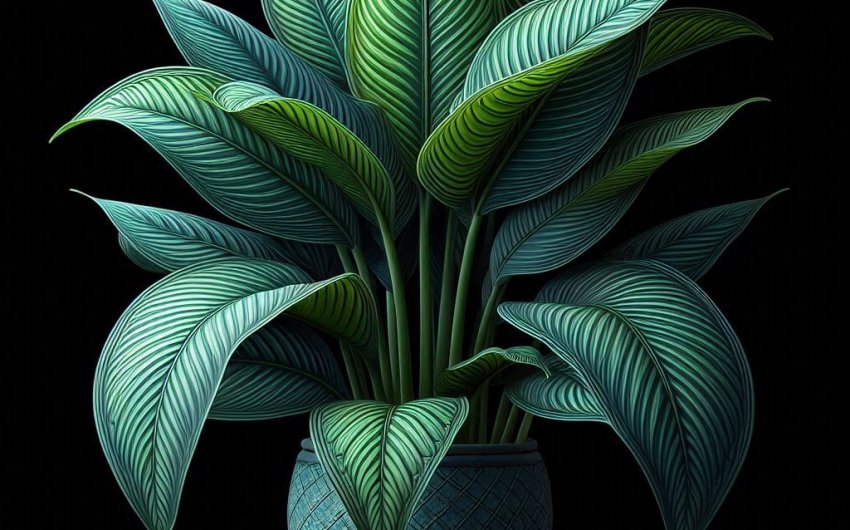
Growing Calathea plants can truly transform your indoor space with their striking foliage and unique patterns. These remarkable plants, often called prayer plants due to their leaves folding up at night, offer a vibrant splash of color and texture, making them a popular choice for houseplant enthusiasts. While they are known for being a bit particular, understanding their specific needs is key to cultivating robust and visually stunning specimens. This comprehensive guide will walk you through everything you need to know to ensure your Calathea thrives, from light and watering to pest control and propagation.
What type of lighting does a Calathea need?
Providing the correct illumination is crucial for a Calathea's health and the vibrancy of its leaves. These tropical beauties naturally grow on the forest floor, accustomed to filtered light rather than direct sun.
How much light is ideal?
Indirect bright light is the sweet spot for Calathea care. Imagine a spot where the plant can see the sky but never directly feel the sun's rays on its leaves.
- Too much light: Direct sunlight will scorch their delicate leaves, leading to faded colors, brown spots, and crispy edges. You'll notice the distinct patterns on the leaves becoming less pronounced.
- Too little light: Insufficient light can cause the plant's growth to slow down significantly, and the vibrant leaf patterns may become dull or disappear entirely. The plant might also appear leggy as it stretches for more light.
What are some good placement options?
Placing your Calathea in the right spot can make all the difference.
- North-facing window: Often ideal as it provides consistent indirect light throughout the day without the intensity of direct sun.
- East-facing window: Good for morning sun, which is less harsh. Ensure the plant is not in direct sun for too long.
- A few feet back from a south or west-facing window: This allows the plant to receive bright light that has been diffused by the distance from the window.
- Sheer curtains: Using sheer curtains can help diffuse strong light from any window, protecting your Calathea.
How often should you water a Calathea?
Watering is perhaps the most critical aspect of Calathea plant care. These plants are sensitive to both overwatering and underwatering, and they are particularly fussy about the quality of the water.
What kind of water should you use?
Filtered water or distilled water is highly recommended for Calatheas. They are very sensitive to chemicals commonly found in tap water, such as chlorine and fluoride, which can lead to browning leaf tips and edges.
- Rainwater: If you have access to clean rainwater, it's an excellent choice.
- Tap water: If you must use tap water, let it sit out for at least 24 hours to allow chlorine to dissipate. However, this won't remove fluoride.
How do you know when to water?
The key is to keep the soil consistently moist but never soggy. Overwatering can lead to root rot, a common killer of Calatheas. Underwatering will cause the leaves to curl, wilt, and eventually turn crispy.
- Feel the soil: Stick your finger about an inch or two into the soil. If it feels dry, it's time to water.
- Lift the pot: A dry pot will feel significantly lighter than a wet one.
- Moisture meter: A plant moisture meter can be a helpful tool, especially for beginners. Aim for the "moist" range, not "wet" or "dry."
What is the proper watering technique?
Water thoroughly until water drains from the bottom of the pot. Ensure the pot has drainage holes to prevent water from sitting around the roots.
- Bottom watering: This method can be very effective for Calatheas. Place the pot in a saucer or tray filled with filtered water and allow the plant to soak up water from the bottom for 20-30 minutes, or until the top of the soil feels moist. This encourages stronger root growth.
- Pouring slowly: When watering from the top, pour slowly and evenly across the surface of the soil.
What humidity levels do Calatheas need?
High humidity is non-negotiable for Calathea plants. Coming from tropical rainforests, they thrive in environments with ample moisture in the air. Low humidity is one of the most common reasons for brown, crispy leaf edges.
What are ideal humidity levels?
Aim for 50-70% humidity for optimal Calathea care. Anything below 40% will likely cause problems.
How can you increase humidity?
There are several ways to provide the high humidity your Calathea craves.
- Pebble tray: Place the plant pot on a pebble tray filled with water. As the water evaporates, it creates a more humid microclimate around the plant. Ensure the bottom of the pot is not sitting directly in the water.
- Humidifier: A room humidifier is the most effective way to maintain consistent humidity levels, especially during dry winter months or if you live in an arid climate. Consider a plant humidifier specifically designed for houseplants.
- Misting: While misting can provide a temporary boost, it's not a long-term solution. The water evaporates quickly, and if water sits on the leaves for too long, it can encourage fungal issues. If you do mist, use filtered water and ensure good air circulation.
- Grouping plants: Placing several plants together can create a localized humid environment as they release moisture through transpiration.
- Terrariums or plant cabinets: For the most humidity-loving varieties, a closed environment like a terrarium or a plant cabinet can provide consistently high humidity.
What kind of soil is best for Calatheas?
The right potting mix is essential for healthy root development and proper moisture retention. Calatheas need a soil that is well-draining but also retains some moisture.
What are the characteristics of ideal soil?
- Well-draining: Prevents waterlogging and root rot.
- Moisture-retentive: Holds enough moisture to keep the roots hydrated.
- Aerated: Allows for good air circulation around the roots.
What ingredients make a good Calathea soil mix?
A common and effective mix for Calathea plants includes a combination of ingredients to achieve the desired balance.
- Potting soil: A good quality, peat-based indoor potting soil forms the base.
- Perlite: Adds drainage and aeration. Use horticultural perlite.
- Orchid bark: Provides excellent aeration and prevents compaction. Orchid bark pieces help create air pockets.
- Peat moss or coco coir: Enhances moisture retention. Peat moss or coco coir are both good options.
Here's a common ratio for a DIY Calathea soil mix:
- 2 parts potting mix
- 1 part perlite
- 1 part orchid bark (small to medium size)
What is the best temperature range for Calatheas?
Calatheas are tropical plants and prefer warm, consistent temperatures. Sudden drops or extreme fluctuations can stress them out.
What is the ideal temperature range?
Maintain temperatures between 65°F and 80°F (18°C - 27°C). Avoid exposing them to temperatures below 60°F (15°C).
What temperature factors should you avoid?
- Cold drafts: Keep your Calathea away from drafty windows, doors, or air conditioning vents, especially during colder months.
- Heating vents: Avoid placing them directly above or near heating vents, as the dry, hot air can quickly dry out their leaves and reduce humidity.
- Sudden changes: Try to keep the temperature as stable as possible throughout the day and night.
How and when should you fertilize a Calathea?
Fertilizing provides essential nutrients for your Calathea's growth and vibrant foliage. However, these plants are not heavy feeders and can be sensitive to over-fertilization.
What type of fertilizer should you use?
Use a balanced liquid fertilizer formulated for houseplants, diluted to half strength or even a quarter strength. Look for a fertilizer with a balanced NPK ratio (e.g., 5-5-5 or 10-10-10). A slow-release fertilizer can also be an option but follow the instructions carefully. Consider a houseplant fertilizer specifically designed for foliage plants.
When should you fertilize?
Fertilize only during the growing season, which is typically spring and summer.
- Frequency: Once a month or every other month is usually sufficient.
- Dormancy: Do not fertilize during fall and winter when the plant's growth naturally slows down. Fertilizing during dormancy can lead to a build-up of salts in the soil, which can harm the roots.
What are signs of over-fertilization?
- Brown leaf tips or edges: Similar to signs of low humidity or poor water quality, but can also indicate too much fertilizer.
- Stunted growth: Paradoxically, too much fertilizer can inhibit growth.
- White crust on soil surface: A sign of salt buildup from fertilizers. If you see this, flush the soil with plenty of filtered water.
When should you repot a Calathea?
Repotting is necessary as your Calathea grows to provide fresh nutrients and adequate space for its root system.
How often should you repot?
Calatheas generally don't need frequent repotting. They can sometimes be sensitive to root disturbance.
- Every 1-2 years: This is a good general guideline, or when the plant shows signs of being root-bound.
- Signs of root-bound: Roots growing out of the drainage holes, water sitting on top of the soil for too long, or the plant drying out very quickly.
What size pot should you choose?
When repotting, choose a pot that is only one size larger (about 1-2 inches wider in diameter) than the current pot. Going too large can lead to excess moisture retention and root rot. Ensure the new pot has drainage holes. A terracotta pot can help with aeration, but remember they dry out faster. A plastic pot or a glazed ceramic pot will retain moisture longer.
What is the repotting process?
- Gather materials: New pot, fresh Calathea soil mix, pruning shears (cleaned), and a watering can.
- Gently remove the plant: Carefully tip the plant on its side and slide it out of its current pot. Avoid pulling the stem.
- Inspect roots: Check for any rotten or damaged roots (they will be soft and mushy). Trim them with clean shears.
- Add new soil: Place a layer of fresh soil at the bottom of the new pot.
- Position the plant: Center the plant in the new pot, ensuring the top of the root ball is at the same level as in the old pot.
- Fill with soil: Backfill with fresh soil, gently tamping it down to remove large air pockets. Leave about an inch of space from the rim of the pot.
- Water thoroughly: Water the plant thoroughly after repotting to help settle the soil.
How do you prune a Calathea?
Pruning your Calathea is mainly for aesthetic reasons and to remove old, damaged, or yellowing leaves. It's generally not required for growth stimulation as with some other plants.
Why prune?
- Aesthetics: To keep the plant looking tidy and healthy.
- Plant health: Removing dead or dying leaves redirects the plant's energy to new, healthy growth.
- Pest prevention: Dead leaves can be hiding places for pests or encourage fungal growth.
How to prune?
- Tools: Use sharp, clean pruning shears or scissors.
- Cut at the base: Trim yellow, brown, or leggy leaves off at their base, where they emerge from the soil.
- Avoid cutting healthy leaves: Only remove leaves that are clearly dying or diseased.
What are common Calathea problems and how do you fix them?
Calatheas are known for being a bit finicky, and they are quite communicative when something is wrong. Understanding their signals is crucial for successful Calathea care.
Brown and crispy leaf edges/tips
This is arguably the most common issue with Calatheas.
- Cause: Most often, low humidity or tap water toxicity (chlorine/fluoride). Could also be underwatering or over-fertilization.
- Solution: Increase humidity with a humidifier or pebble tray. Use filtered, distilled, or rainwater. Ensure consistent watering and avoid over-fertilizing.
Yellowing leaves
Yellowing leaves can indicate a variety of issues.
- Cause: Overwatering (most common, leads to root rot), underwatering, nutrient deficiency, or old age of the leaf.
- Solution: Check soil moisture. If soggy, reduce watering frequency. If dry, increase. Ensure good drainage. Fertilize appropriately during the growing season. Remove older yellow leaves if they are at the base of the plant.
Curling leaves
When a Calathea's leaves curl inward, it's a clear sign of distress.
- Cause: Underwatering (plant trying to conserve moisture), low humidity, or temperature stress (too cold or too hot).
- Solution: Check soil moisture and water if dry. Increase humidity. Ensure consistent, warm temperatures.
Drooping leaves
Drooping leaves can look alarming, but often, the plant can recover quickly.
- Cause: Underwatering (leaves lack turgor pressure), shock from repotting or temperature change, or sometimes root rot.
- Solution: Check soil moisture. If dry, water thoroughly. If soggy and drooping, it might be root rot – inspect roots and repot if necessary. Ensure stable environment.
Fading leaf colors or patterns
Your Calathea's vibrant patterns are a key attraction, so fading is a concern.
- Cause: Too much direct light.
- Solution: Move the plant to a spot with less intense, indirect light.
Pests
While generally resistant, Calatheas can still fall victim to common houseplant pests, especially if stressed.
- Common pests: Spider mites, mealybugs, and sometimes aphids. Spider mites are particularly fond of dry, low-humidity environments.
- Signs: Tiny webs (spider mites), sticky residue (honeydew from mealybugs/aphids), tiny white cottony masses (mealybugs), or small insects on leaves.
- Solution:
- Isolation: Isolate the affected plant to prevent spread.
- Wipe leaves: Gently wipe leaves with a damp cloth or neem oil solution to physically remove pests.
- Insecticidal soap: Apply a horticultural insecticidal soap according to product instructions.
- Increase humidity: For spider mites, increasing humidity can help deter them.
How do you propagate a Calathea?
Propagating Calatheas is typically done through division during repotting. It's a great way to create new plants from a mature specimen.
When is the best time to propagate?
The best time to propagate is during repotting in the spring or early summer when the plant is actively growing.
What is the division method?
- Remove plant from pot: Gently take the entire plant out of its pot.
- Examine the root ball: Look for natural separations or clumps of rhizomes (underground stems) that have their own root systems and a few leaves.
- Gently separate: Carefully tease apart the root ball with your fingers. If necessary, use a clean, sharp knife to cut through very tangled roots, ensuring each division has a good amount of roots and at least 3-4 leaves.
- Pot divisions: Pot each new division into a small pot with fresh Calathea soil mix.
- Water and care: Water the newly potted divisions thoroughly. Place them in a warm, humid environment with indirect light, just like the parent plant. It's common for them to show a little stress (drooping) after division, but they should recover.
What are some popular Calathea varieties?
There are many stunning varieties of Calathea, each with its unique leaf patterns and colors. Exploring different types adds to the joy of Calathea plant care.
Here's a table of some popular and beloved Calathea varieties:
| Variety Name | Distinctive Features | Care Notes |
|---|---|---|
| Calathea Ornata | Dark green leaves with striking pink pinstripes (fading to white with age). Burgundy undersides. | Can be more demanding regarding humidity and water quality. |
| Calathea Medallion | Large, round leaves with intricate patterns of green, cream, and pink on top, deep purple underneath. | One of the more forgiving varieties, but still needs consistent moisture and high humidity. |
| Calathea Makoyana | Often called "Peacock Plant." Oval, light green leaves with dark green blotches and feathery patterns. | Very beautiful, but like most Calatheas, sensitive to dry air. |
| Calathea Zebrina | Vibrant green leaves with bold, dark stripes resembling zebra stripes. Purple undersides. | Relatively common and a good choice for those starting with Calatheas. |
| Calathea Orbifolia | Large, round, silvery-green leaves with pronounced dark green stripes. Very elegant. | A favorite due to its striking appearance. Needs consistent watering and very high humidity. |
| Calathea Rattlesnake | Lance-shaped leaves with wavy edges, featuring dark green blotches on a lighter green background. Purple undersides. | A more common and relatively robust Calathea, good for beginners. |
| Calathea Lancifolia | Long, narrow, wavy leaves with dark green patterns resembling a snake skin. Deep red undersides. | Also known as "Rattlesnake Plant." Tolerates slightly lower humidity than some other types. |
| Calathea Roseopicta | Includes several cultivars (e.g., 'Dottie', 'Rosy', 'Crimson'). Wide variety of patterns and colors. | Varies by cultivar, but generally shares the common Calathea needs for high humidity. |
| Calathea White Fusion | Irregular white and green variegation on elongated leaves. Considered one of the more challenging. | Extremely sensitive to water quality and humidity. Best for experienced plant parents. |
| Calathea Warscewiczii | Dark green velvety leaves with a lighter green fishbone pattern along the midrib. Dark red undersides. | Requires very high humidity to prevent browning and maintain its velvety texture. |
Cultivating Calathea plants can be a truly rewarding experience, transforming your indoor environment with their intricate leaf patterns and rich colors. By focusing on their fundamental requirements—providing ample indirect light, using filtered water, ensuring high humidity, and selecting the right soil—you can overcome their reputation for being challenging.