
Bird of Paradise Care: How to Grow This Exotic Plant Indoors
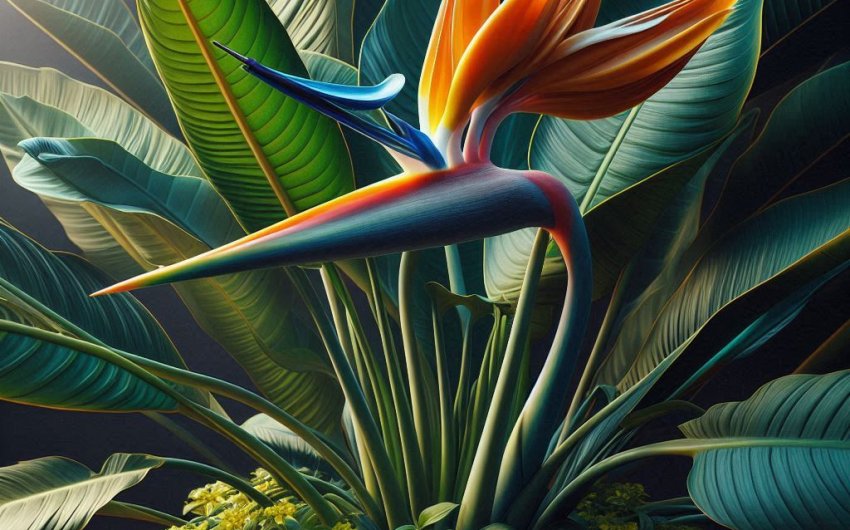
Mastering Bird of Paradise care indoors involves understanding its tropical origins and translating those needs into a home environment. While often grown for their striking, architectural foliage, many enthusiasts dream of witnessing their iconic, crane-like blooms. Achieving this requires attention to specific conditions, from abundant light to proper watering, ensuring this exotic plant thrives and potentially flowers within your home.
What Kind of Light Does a Bird of Paradise Need?
Light is arguably the most critical factor for successful Bird of Paradise care indoors. These plants are sun-worshippers in their native habitat, and mimicking that intensity indoors is key to their vigorous growth and potential for blooming.
How Much Direct Sunlight is Ideal?
For an indoor Bird of Paradise, the more direct sunlight it receives, the better, especially if you hope for blooms.
- Optimal Location: Place your plant in the brightest spot possible in your home, ideally directly in a south-facing window. A west-facing window can also work, but be vigilant for signs of scorching if the afternoon sun is too intense in your climate.
- Minimum Requirement: Aim for at least 4-6 hours of direct sunlight per day. Anything less will result in slow growth and almost certainly no flowers.
- Leaf Orientation: You might notice the plant's leaves orienting themselves towards the strongest light source; rotate the pot occasionally to encourage even growth.
Can It Tolerate Low Light?
While a Bird of Paradise plant might survive in low light, it will not thrive or bloom.
- Survival vs. Thriving: In insufficient light (e.g., a north-facing window or a dim corner), the plant will simply subsist. Its growth will be stunted, new leaves will be smaller and weaker, and the overall plant will appear leggy and unhealthy.
- No Blooms: Without ample sunlight, the plant lacks the energy reserves required to produce its large, complex flowers. You'll simply have a foliage plant.
- Increased Watering Risk: In low light, the soil will dry out much slower, increasing the risk of overwatering and root rot.
How Can I Supplement Natural Light?
If you don't have enough natural light in your home, supplementing with artificial grow lights is highly recommended for optimal Bird of Paradise care.
- LED Grow Lights: Full-spectrum LED grow lights are the most energy-efficient and effective option. Look for lights specifically designed for plants, not just regular LEDs. A full-spectrum LED grow light can make a significant difference.
- Duration: Provide light for 12-16 hours per day using a timer.
- Distance: Place the light a foot or two above the plant, adjusting the distance based on the light's intensity and the plant's response. Watch for any signs of scorch (bleached or burnt leaves) if the light is too close or too strong.
- Winter Benefit: Grow lights are particularly useful during winter months when natural light levels are significantly lower and days are shorter.
Providing intense, consistent light is foundational to successful Bird of Paradise care and encouraging this exotic plant to reach its full potential indoors.
How Do I Water My Bird of Paradise Plant?
Proper watering is a crucial component of Bird of Paradise care, balancing the plant's need for consistent moisture with its susceptibility to root rot. Mimicking its natural tropical rainfall patterns, followed by a slight drying period, is key to success for this exotic plant.
How Often Should I Water?
The frequency of watering your Bird of Paradise plant depends on several factors: the season, temperature, humidity, and the pot material.
- Active Growing Season (Spring/Summer): During this period of active growth, the plant will need more frequent watering. Water thoroughly when the top 2-3 inches of soil feel dry to the touch. Ensure water drains from the bottom of the pot.
- Dormant Season (Fall/Winter): As light levels decrease and temperatures drop (if applicable), the plant's growth slows down. Reduce watering frequency, allowing the top half of the soil to dry out between waterings. The goal is to keep the soil slightly moist, not completely dry or soggy.
- Finger Test: Always use the "finger test" – stick your finger into the soil to assess moisture before watering. Don't rely on a fixed schedule.
What is the Importance of Drainage?
Excellent drainage is paramount for Bird of Paradise care. These plants are highly susceptible to root rot if their roots sit in stagnant, waterlogged soil.
- Drainage Holes: Always use a pot with adequate drainage holes at the bottom. Never let the pot sit in standing water.
- Well-Draining Potting Mix: Use a potting mix that drains quickly. A good quality potting mix for tropical plants or a general houseplant mix amended with extra perlite or orchid bark will ensure good aeration and drainage.
What Kind of Water Should I Use?
While not as sensitive as some plants, the quality of water can still matter for long-term Bird of Paradise care.
- Tap Water: Most tap water is acceptable if it's not excessively hard or softened with salts. If your tap water contains high levels of chlorine, let it sit out for 24 hours to allow the chlorine to dissipate.
- Distilled or Rainwater: If your tap water causes mineral buildup or leaf spots, using distilled water or collected rainwater can be beneficial.
What are the Signs of Overwatering vs. Underwatering?
- Overwatering Signs: The most common problem. Symptoms include yellowing leaves (especially lower leaves), blackening stems, mushy roots (if you unpot), and a general decline. The soil will remain soggy for too long.
- Underwatering Signs: Less common with these plants, but can occur. Symptoms include wilting or drooping leaves, brown and crispy leaf edges/tips, and stunted growth. The soil will be bone dry.
By paying close attention to these watering guidelines, you significantly reduce the risk of common problems and help your exotic plant thrive indoors.
What is the Best Potting Mix and Repotting Strategy?
Selecting the right potting mix and understanding when and how to repot are critical elements of optimal Bird of Paradise care. These factors directly impact root health, nutrient availability, and even the plant's ability to produce those sought-after exotic blooms.
What Kind of Potting Mix is Ideal?
An ideal potting mix for a Bird of Paradise plant should be well-draining, airy, and rich in organic matter.
- Key Components: A good base is a high-quality all-purpose potting mix. To ensure excellent drainage and aeration, amend it with additional components:
- Perlite (20-30%): Lightweight volcanic rock that significantly improves drainage and aeration.
- Orchid Bark (10-20%): Provides coarse material for drainage and mimics the organic matter found in their native habitat.
- Coarse Sand (optional, 10%): Can be added to further enhance drainage, especially if your base mix is very moisture-retentive.
- Avoid Heavy Soil: Do not use dense, heavy garden soil, as it will compact and lead to waterlogged conditions and root rot.
When is the Best Time to Repot?
The best time to repot your Bird of Paradise plant is in spring or early summer, just as active growth begins.
- Signs of Needing Repotting:
- Roots Circling: Roots are visibly circling the inside of the pot or growing out of the drainage holes.
- Water Drains Quickly: Water runs straight through the pot without being absorbed, indicating a compacted root ball.
- Stunted Growth: The plant's growth has slowed significantly despite adequate care.
- Plant is Top-Heavy: The plant becomes unstable in its current pot.
How Should I Repot My Plant?
Repotting a large Bird of Paradise plant can be a bit of a challenge, but follow these steps:
- Choose the Right Pot Size: They generally prefer to be slightly root-bound to encourage blooming. Only go up one pot size (e.g., from an 8-inch to a 10-inch diameter pot). Avoid dramatically upsizing the pot, as the plant will focus energy on root growth rather than foliage or flowers.
- Prepare the Pot: Ensure the new pot has ample drainage holes. Place a layer of your prepared potting mix at the bottom.
- Remove the Plant: Gently remove the plant from its old pot. If it's stuck, you may need to tap the sides or gently slide a knife around the inner edge.
- Inspect Roots: Loosen any tightly circling roots at the bottom and sides. If the root ball is extremely dense, you can gently tease apart some roots, but avoid aggressive disruption.
- Position and Fill: Center the plant in the new pot. The top of the root ball should be at the same level as, or slightly below, the rim of the new pot. Fill around the root ball with fresh potting mix, gently patting down to remove large air pockets.
- Water In: Water thoroughly until water drains from the bottom.
Proper potting mix and timely repotting are fundamental aspects of Bird of Paradise care, ensuring healthy roots for a vibrant exotic plant.
What About Humidity, Temperature, and Fertilization?
Beyond light and water, maintaining appropriate humidity, temperature, and fertilization schedules are crucial components of comprehensive Bird of Paradise care. These factors collectively create the ideal tropical environment that encourages an exotic plant to flourish indoors.
How Important is Humidity?
Humidity is a vital, yet often overlooked, aspect of Bird of Paradise care. As tropical plants, they thrive in environments with higher moisture in the air.
- Mimic Tropics: Their native South African habitat has naturally high humidity. Indoor environments, especially with heating or air conditioning, can be very dry.
- Signs of Low Humidity: Dry, crispy leaf edges or tips, or leaves that fray prematurely, can be indicators of insufficient humidity.
- Increasing Humidity:
- Humidifier: The most effective method is to use a room humidifier near your plant, especially during dry winter months.
- Pebble Tray: Place the pot on a tray filled with pebbles and water. Ensure the bottom of the pot does not sit in the water. As the water evaporates, it increases humidity around the plant.
- Grouping Plants: Grouping several plants together can create a localized microclimate with higher humidity.
- Misting: While temporary, daily misting (using distilled or filtered water) can offer some benefit, especially for younger plants. Ensure good air circulation to prevent fungal issues if misting frequently.
What are the Ideal Temperature Ranges?
Bird of Paradise plants are truly tropical and require consistent warmth for optimal growth and flowering.
- Daytime Temperatures: Ideally, daytime temperatures should range from 65-80°F (18-27°C).
- Nighttime Temperatures: They can tolerate slight drops at night but prefer nighttime temperatures no lower than 50-55°F (10-13°C). Prolonged exposure below 50°F (10°C) can cause chilling injury, browning of leaves, and stunt growth.
- Avoid Drafts: Keep them away from cold drafts from windows or doors, especially in winter.
How Should I Fertilize My Plant?
Fertilization provides the essential nutrients for vigorous growth and flower production.
- Active Growing Season: Fertilize regularly during the active growing season (spring through early fall) when the plant is actively putting out new leaves.
- Type of Fertilizer: Use a balanced liquid houseplant fertilizer (e.g., 5-5-5 or 10-10-10 NPK) or one slightly higher in phosphorus (the middle number) to encourage flowering. A balanced liquid plant food works well.
- Dilution: Dilute the fertilizer to half or quarter strength (as per package instructions) to avoid over-fertilization, which can burn roots.
- Frequency: Apply every 2-4 weeks.
- Winter: Reduce or stop fertilizing during the fall and winter months when the plant's growth naturally slows.
By diligently managing humidity, temperature, and nutrients, you complete the holistic approach to Bird of Paradise care, paving the way for a flourishing exotic plant indoors.
What Are Common Problems and How Do I Solve Them?
Even with diligent Bird of Paradise care, indoor plants can sometimes encounter common problems. Recognizing these issues early and knowing how to solve them is crucial for maintaining the health and vibrancy of your exotic plant.
Why Are My Leaves Browning or Crispy?
Browning or crispy leaves are common symptoms with several potential causes.
- Low Humidity: The most frequent culprit, especially in dry indoor environments. The air is too dry, causing moisture to evaporate too quickly from the leaves.
- Solution: Increase ambient humidity around the plant using a humidifier, pebble tray, or by grouping plants.
- Underwatering: If the soil consistently dries out too much between waterings, the leaves will start to brown from the tips inwards.
- Solution: Check soil moisture regularly and water thoroughly when the top few inches are dry.
- Fluoride/Chlorine in Water: Some tap water contains high levels of fluoride or chlorine, which can accumulate in leaf tips and cause browning.
- Solution: Use filtered, distilled, or rainwater, or let tap water sit out for 24 hours before use.
- Too Much Direct Sun: While they love bright light, sudden exposure to intense, unfiltered direct afternoon sun can scorch leaves, causing crispy brown patches or bleaching.
- Solution: Gradually acclimate the plant to brighter light or provide some afternoon shade.
What Causes Yellowing Leaves?
Yellowing leaves can indicate a few different problems, most commonly related to water or nutrients.
- Overwatering/Root Rot: The most common cause. If the soil stays constantly soggy, roots suffocate and rot, leading to yellowing, often mushy, leaves. This is frequently followed by blackening stems.
- Solution: Allow the soil to dry out more between waterings. Ensure excellent drainage. If severe, unpot, inspect roots (trim mushy ones), and repot into fresh, well-draining soil.
- Nutrient Deficiency: Particularly nitrogen deficiency (lower leaves yellowing first).
- Solution: Fertilize regularly during the growing season with a balanced fertilizer.
- Natural Aging: Older, lower leaves will naturally yellow and die off as the plant puts out new growth. This is normal if it's just a few older leaves.
- Solution: Remove aged yellow leaves once they are fully yellow.
Why is My Plant Not Blooming?
The desire for blooms is common, and lack of flowering is often due to specific unmet needs.
- Immaturity: The plant is likely too young. It typically needs 3-5 years from seed and at least 10-12 mature leaves.
- Solution: Patience and consistent optimal care.
- Insufficient Light: The most common reason. Not enough light means not enough energy for flowers.
- Solution: Move to the absolute brightest spot (south-facing window) or add a powerful LED grow light.
- Pot Too Large: If the pot is too big, the plant will focus its energy on filling the pot with roots rather than blooming.
- Solution: Allow the plant to become somewhat root-bound. Only repot to one size larger when necessary.
- Lack of Nutrient Phosphorus: Nitrogen-heavy fertilizer promotes foliage, not flowers.
- Solution: Use a balanced fertilizer or one higher in phosphorus during the growing season.
What Pests Should I Watch For?
While generally resilient, Bird of Paradise plants can occasionally attract common houseplant pests.
- Spider Mites: Tiny pests that cause stippling (tiny dots) on leaves and can create fine webbing. They thrive in dry conditions.
- Solution: Increase humidity. Wipe leaves regularly with a damp cloth. Use insecticidal soap or neem oil.
- Mealybugs: Small, white, cottony insects found in leaf axils or on stems.
- Solution: Wipe with a cotton swab dipped in rubbing alcohol. For heavier infestations, use insecticidal soap.
- Scale: Small, immobile, brown or black bumps on stems and leaves.
- Solution: Scrape off manually with a fingernail or credit card. Use rubbing alcohol or insecticidal soap.
Regular inspection and addressing problems promptly are key to successful Bird of Paradise care and keeping your exotic plant healthy and beautiful.