
Jade Plant: A Guide to Growing This Lucky Succulent Indoors
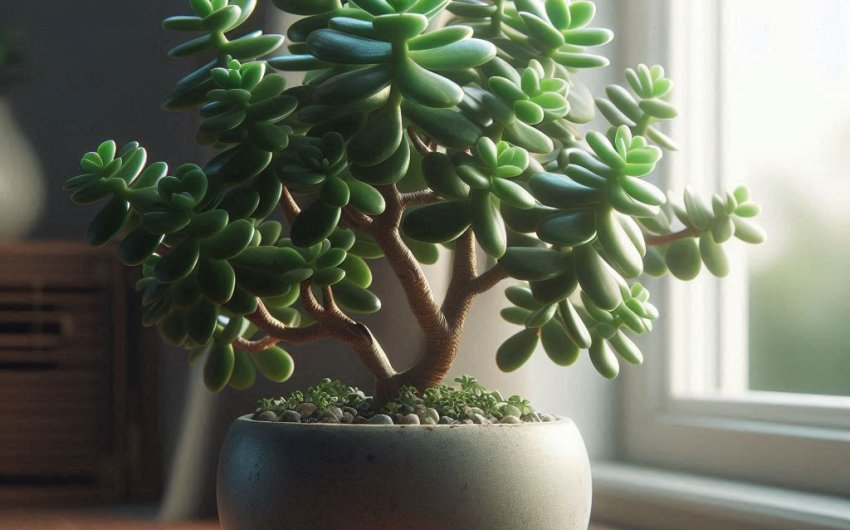
Often cherished as a symbol of good luck and prosperity, the jade plant (Crassula ovata) is a beloved succulent that brings a touch of vibrant green and unique form to any indoor space. For aspiring plant parents or seasoned enthusiasts, mastering the art of nurturing these beautiful succulents is incredibly rewarding. This guide to growing this lucky succulent indoors will cover everything you need to know, from ideal light conditions to proper watering techniques and propagation tips, ensuring your jade plant thrives and potentially becomes a cherished heirloom for generations.
What kind of light does a jade plant need?
Light is the single most important factor for a healthy and thriving jade plant. As succulents, they naturally grow in bright, sunny environments, and replicating this indoors is crucial for their compact growth, vibrant leaf color, and overall vigor. Proper lighting is fundamental to successfully growing this lucky succulent indoors.
How much sunlight is ideal for a jade plant?
Jade plants absolutely love and need bright, direct sunlight for at least a portion of the day.
- Minimum Requirement: Aim for at least 4-6 hours of direct sunlight per day. Without sufficient light, jade plants will become leggy (stretched out with widely spaced leaves), their leaves may be smaller and paler, and they will be more susceptible to rot due to staying wet for too long.
- Ideal Placement:
- South-facing Window: This is often the best spot for a jade plant, providing the most intense and prolonged direct sunlight indoors.
- West-facing Window: Also a good option, offering strong afternoon sun. Be cautious in very hot climates during peak summer, as extreme heat combined with intense direct sun through glass can sometimes scorch leaves if the plant isn't gradually accustomed to it.
- East-facing Window: Can work, providing gentler morning sun, but might not be enough direct light in dimmer climates, potentially leading to some legginess over time.
- North-facing Window: Generally not enough direct light for a jade plant, leading to very leggy growth.
How do I identify signs of insufficient light?
Your jade plant will tell you if it's not getting enough light:
- Leggy Growth: Stems will stretch excessively towards the light, and the leaves will be spaced far apart rather than growing compactly.
- Pale or Dull Leaves: The normally vibrant green leaves might appear a lighter, duller green or even yellowish. Some varieties (like 'Red Edge' or 'Sunset') that develop red or yellow leaf margins in bright light will lose this coloration.
- Reduced Vigor: Overall slower growth and a weaker appearance.
- Lack of Bloom (for mature plants): While rare indoors, jade plants can bloom, but they require very bright light, cool night temperatures, and often a period of drought stress to do so. Insufficient light will prevent any chance of flowering.
How do I identify signs of too much direct light (sunburn)?
While rare for jade plants which love sun, sometimes very sudden exposure to intense direct sun (e.g., moving a plant directly from a dim spot to full sun outdoors) or extreme heat through a window can cause sunburn.
- Scorched Spots: Leaves develop crispy, brown, or black patches.
Bleaching: Leaves may appear bleached or faded.
AdvertisementFix: If you see signs of sunburn, move the plant slightly away from the window or provide some temporary sheer curtain to diffuse the light. When moving a jade plant to a brighter spot (especially outdoors for the summer), do so gradually over a week or two, increasing exposure daily to allow it to acclimate.
Providing ample bright, direct sunlight is the most fundamental aspect of jade plant care, directly impacting its growth habit, leaf color, and overall health, ensuring you successfully grow this lucky succulent indoors.
How much water does a jade plant need?
Proper watering is crucial for a jade plant's health, and it's where most new owners go wrong. As succulents, jade plants store water in their thick leaves and stems, meaning they are highly susceptible to overwatering, which can quickly lead to root rot. Learning the correct watering technique is essential for successfully growing this lucky succulent indoors.
What are the signs of a thirsty jade plant?
It's always better to underwater a jade plant than to overwater it. Your plant will give you clear signals when it needs a drink:
- Wrinkled or Shriveled Leaves: The normally plump, firm leaves will start to look a bit deflated, wrinkled, or even shriveled. They might feel soft and pliable rather than firm.
- Drooping Leaves: Leaves might appear to droop downwards, losing their rigidity.
- Overall Loss of Luster: The plant might look less vibrant and healthy.
These signs appear before permanent damage occurs, giving you time to water.
How do I know when to water my jade plant?
The most common mistake is watering on a schedule. Instead, always check the soil moisture before watering.
- Feel the Soil: Stick your finger about 2-3 inches deep into the potting mix.
- Wait for Dryness: Only water when the soil feels completely dry at that depth. For larger pots, you might even wait for the soil to dry out completely throughout the pot.
- Seasonal Variation: Your watering frequency will change significantly with the seasons:
- Summer (Growing Season): You'll likely water more frequently, perhaps every 2-4 weeks, depending on heat and light.
- Winter (Dormant Season): Jade plants go into a semi-dormant state in winter when light levels are lower. Water much less frequently, perhaps once a month or even less, letting the soil stay dry for longer periods. Overwatering in winter is a leading cause of rot.
- Pot Material: Terracotta pots are porous and dry out faster, so you might need to water more often than with glazed ceramic or plastic pots.
What is the proper way to water a jade plant?
When it's time to water, do it thoroughly.
- Saturate the Soil: Pour water slowly and evenly over the entire soil surface until you see it draining freely from the bottom of the pot.
- Drainage Holes are Crucial: Your pot must have drainage holes. If your decorative pot doesn't have them, use a smaller nursery pot with drainage inside the decorative one.
- Empty Saucer: Do not let your jade plant sit in standing water. Always empty any excess water from the saucer underneath the pot after about 15-30 minutes. This prevents the roots from sitting in soggy conditions, which quickly leads to root rot.
- Avoid Wetting Leaves: While not as sensitive as some succulents, try to avoid getting water on the leaves, especially if it's going to sit there, as this can sometimes lead to fungal spots.
By adhering to this "soak and dry" method and adjusting for seasonal changes, you provide your jade plant with the perfect hydration, ensuring its longevity and vibrant health.
What kind of soil and pot are best for a jade plant?
Choosing the right soil and pot is just as crucial as light and watering for a thriving jade plant. These elements provide the necessary drainage and aeration that succulents absolutely need, preventing the dreaded root rot that is their biggest enemy. Selecting appropriate components is fundamental to growing this lucky succulent indoors.
What is the ideal soil mix for a jade plant?
Jade plants require a fast-draining soil mix that prevents water from lingering around the roots. Standard potting soil is typically too heavy and retains too much moisture.
- Cactus and Succulent Mix: The easiest and safest option is to use a commercially available cactus and succulent potting mix. These mixes are specially formulated with ingredients like perlite, pumice, or sand to ensure excellent drainage.
- DIY Mix: You can create your own well-draining mix by amending a regular indoor potting soil. A good ratio is:
- 2 parts regular indoor potting mix: Provides some nutrients and moisture retention.
- 1 part perlite or pumice: These lightweight, inorganic materials improve drainage and aeration dramatically.
- 1 part coarse sand or fine gravel: (Optional, but can further improve drainage). Use horticultural sand, not play sand, which can compact.
- Avoid Heavy Soil: Never use garden soil, as it compacts easily in pots, becomes waterlogged, and can introduce pests or diseases.
The goal is a gritty, airy mix that allows water to flow through quickly, mimicking the arid, well-drained conditions of their native habitat.
What kind of pot is best for a jade plant?
The choice of pot material and size significantly impacts how well your jade plant thrives.
- Drainage Holes (Absolutely Essential): This is non-negotiable. Any pot you choose for a jade plant must have drainage holes at the bottom. Without them, even the best soil mix will lead to standing water and root rot. If you have a decorative pot without holes, simply use a slightly smaller nursery pot with drainage inside the decorative one, lifting it out to water and drain.
- Pot Material:
- Terracotta (Clay) Pots: Terracotta pots are highly recommended for jade plants. Their porous nature allows air and moisture to pass through the pot walls, promoting evaporation and helping the soil dry out faster. This significantly reduces the risk of overwatering.
- Unglazed Ceramic: Similar benefits to terracotta.
- Glazed Ceramic or Plastic Pots: These materials are non-porous and retain moisture longer. While you can grow jade plants in them, you must be much more vigilant about your watering frequency to avoid overwatering, especially in cooler, darker months.
- Pot Size:
- Don't Overpot: Choose a pot that is only slightly larger than the plant's current root ball when repotting, usually 1-2 inches wider in diameter. Jade plants prefer to be a bit "snug" in their pots.
- Why Not Too Big?: An oversized pot holds too much soil for the plant's root system. This excess soil stays wet for too long, leading to root rot.
- Stability: As jade plants grow, their woody stems and thick leaves can become top-heavy. Choose a pot with a wide base to prevent tipping, or consider a heavier material like terracotta for larger plants.
- Repotting Frequency: Repot your jade plant every 2-3 years, or when you see roots growing out of the drainage holes or the plant becomes noticeably top-heavy. The best time to repot is in spring or early summer.
By providing your jade plant with the right gritty, fast-draining soil and a properly sized pot with excellent drainage, you lay the essential groundwork for its long-term health and prosperity, ensuring it thrives as you grow this lucky succulent indoors.
When and how should I fertilize and prune a jade plant?
While jade plants are low-maintenance, a little thoughtful fertilization and strategic pruning can significantly boost their health, encourage bushier growth, and help them maintain their desired shape. These practices are important elements of a complete guide to growing this lucky succulent indoors.
When and how should I fertilize my jade plant?
Jade plants are not heavy feeders, and over-fertilizing is a common mistake that can lead to root burn or leggy growth.
- Growing Season Only: Only fertilize during the active growing season, which is typically spring and summer. Jade plants are semi-dormant in fall and winter, and fertilizing during this period can lead to salt buildup and root damage.
- Frequency: Fertilize sparingly, usually once every 2-4 months during the growing season.
- Fertilizer Type:
- Use a balanced liquid houseplant fertilizer specifically formulated for succulents or cacti. Look for an N-P-K ratio where the numbers are equal or similar, like 5-10-10 or 10-10-10, or even lower nitrogen.
- Always dilute the fertilizer to half or quarter strength of the recommended amount on the package. This is crucial to prevent burning the sensitive roots.
- Application:
- Water First: Always water your jade plant thoroughly a day before fertilizing. Applying fertilizer to dry soil can cause root burn.
- Pour the diluted liquid fertilizer evenly around the soil surface.
- Signs of Over-fertilization: Look for white crusty deposits on the soil surface or pot rim (salt buildup), or browning leaf tips/edges, which can sometimes be fertilizer burn. If you see these, stop fertilizing and flush the soil with plain water.
Why is pruning important for jade plants?
Pruning your jade plant serves several key purposes:
- Encourages Bushier Growth: When you prune or pinch off the growing tips, the plant responds by sending out new branches from the nodes below the cut. This creates a denser, more branched, and bushier plant instead of a single tall stem.
- Maintains Shape and Size: You can sculpt your jade plant into a desired form (like a mini-tree) or keep it compact for smaller spaces.
- Promotes Air Circulation: Removing crowded inner branches can improve airflow, reducing the risk of fungal issues.
- Removes Leggy Growth: Pruning back leggy stems forces the plant to produce new, more compact growth.
- Promotes Stronger Structure: By encouraging lateral branching, you create a stronger, more balanced plant that is less prone to breaking under its own weight.
How do I prune a jade plant?
- When to Prune: The best time to prune is during the active growing season (spring and summer), as the plant can quickly recover and produce new growth.
- Tools: Use clean, sharp pruning shears or scissors. For smaller branches, your fingers might be enough to pinch off tips.
- Where to Cut:
- To Encourage Branching: Locate a node (where leaves emerge from the stem, or where old leaves were) and make your cut just above it. New growth will typically emerge from that node.
- To Remove Leggy Stems: Cut back the leggy stem to a point where you want new, compact growth to begin. You can cut a stem back by a few inches or even by half its length if it's very stretched.
- To Shape: Step back and look at the overall shape. Remove branches that are growing inwards, crossing, or are too long and out of proportion. Aim for an open, balanced shape.
- What to do with Cuttings: The good news is that jade plant cuttings root very easily! You can use your pruned pieces to propagate new plants.
By implementing careful fertilization and strategic pruning, you provide your jade plant with the nourishment and shaping it needs to grow into a beautiful, healthy, and compact specimen, truly mastering the art of growing this lucky succulent indoors.
How do I propagate and troubleshoot common problems with a jade plant?
Propagating a jade plant is remarkably easy and one of the most rewarding aspects of owning this succulent. Furthermore, knowing how to troubleshoot common problems ensures your plant remains healthy and continues to thrive for years to come. These final tips solidify your expertise in growing this lucky succulent indoors.
How do I propagate a jade plant from cuttings?
Jade plants are one of the easiest succulents to propagate, and you can use either stem or leaf cuttings. This means you can quickly multiply your collection or share with friends!
- Stem Cuttings (Easiest & Fastest):
- Take a Cutting: Using clean, sharp pruning shears or scissors, take a healthy stem cutting that is at least 3-6 inches long. Ensure it has a few sets of leaves.
- Remove Lower Leaves: Remove the leaves from the bottom 1-2 inches of the cutting. This exposes the nodes from which roots will emerge.
- Callus (Crucial Step): This is vital for all succulent propagation. Place the cutting in a dry, airy spot out of direct sunlight for 2-7 days (or even longer for thicker stems). This allows the cut end to form a dry, protective "callus." Planting an uncallused cutting directly into soil can lead to rot.
- Planting: Once the cutting has callused, insert the callused end into a pot filled with well-draining cactus and succulent potting mix. You can optionally dip the end in rooting hormone powder first.
- Watering: Do not water immediately. Wait about a week after planting to give it time to settle. Then, water sparingly (a small splash) only when the soil is completely dry. Overwatering at this stage can cause rot.
- Patience: Roots usually form within a few weeks to a month. You can gently tug on the cutting; if there's resistance, it has rooted. Once rooted, treat it like a mature jade plant.
- Leaf Cuttings: You can also propagate from individual leaves. Gently twist a healthy, plump leaf off the main stem. Allow it to callus for several days, then place it on top of well-draining soil. Tiny roots and a new plantlet will emerge from the base of the leaf. This method takes longer than stem cuttings.
What are common problems and how do I fix them?
- Wrinkled, Shriveled Leaves:
- Cause: Almost always underwatering. The plant is using its stored water and needs a drink.
- Fix: Water thoroughly until water drains from the bottom. The leaves should plump up within a day or two. Increase watering frequency (but still allow soil to dry between waterings).
- Yellow, Soft, or Mushy Leaves/Stems:
- Cause: The most common and serious problem: overwatering leading to root rot. The plant's cells are bursting or decaying from too much water.
- Fix: Stop watering immediately. Allow the soil to dry out completely. If the rot is severe, you may need to unpot the plant, trim away any black, mushy roots, and repot in fresh, dry, well-draining soil. For very severe cases where the stem is mushy, you may need to cut above the rot, callus the healthy section, and try to re-root it. Ensure proper drainage.
- Leggy, Stretched Growth:
- Cause: Insufficient light. The plant is stretching towards a light source to try and get more energy.
- Fix: Move your jade plant to a location with more direct, bright sunlight. Prune back the leggy growth to encourage bushier, more compact development.
- Brown or Black Spots/Patches on Leaves:
- Cause:
- Sunburn: Crispy, bleached, or dark scorched patches from too much direct, intense sun, especially if moved too quickly from a dim spot.
- Cold Damage: Black, water-soaked spots if exposed to freezing temperatures.
- Fungal Spots: Less common, but can occur if leaves stay wet in poor air circulation.
- Fix: For sunburn, move to slightly less intense light. For cold damage, ensure the plant is protected from frost. Improve air circulation and avoid wetting leaves for fungal issues.
- Cause:
- Root Mealies/Fungus Gnats: While not as common as surface pests, root mealies can attack roots, and fungus gnats thrive in overly wet soil.
- Fix: For root mealies, unpot, clean off affected roots, and repot in fresh, dry soil. For fungus gnats, let the soil dry out thoroughly between waterings, use sticky traps, or consider BTi dunks in the watering can.
Regularly inspecting your jade plant and understanding its distress signals are crucial for its long-term health. With careful observation and appropriate adjustments to its care, your jade plant will thrive and bring good fortune for many years to come, truly making it a delightful addition to your indoor plant collection.