
Chinese Evergreen: The Low Light Champion for Your Home
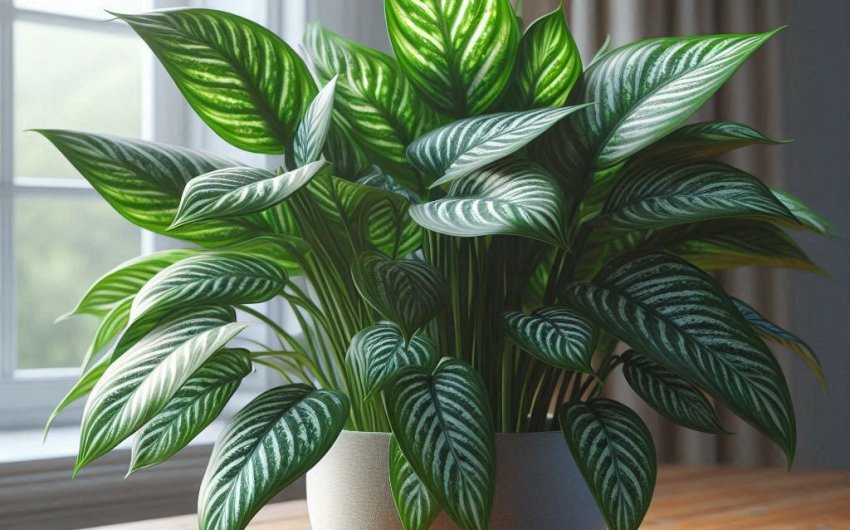
Bringing lush greenery into spaces with limited natural light can be a real challenge for many plant enthusiasts. However, the Chinese Evergreen (Aglaonema) stands out as a true superstar, rightfully earning its title as a low light champion for your home or office. With its stunning variety of patterned foliage and remarkable adaptability, this plant proves that you don't need a sun-drenched room to enjoy vibrant, living decor. Let's dive into why the Chinese Evergreen is such a fantastic choice and how to ensure it thrives in your space.
Why Is the Chinese Evergreen So Popular?
The Chinese Evergreen has been a beloved houseplant for generations, and for good reason. Its enduring popularity stems from a perfect blend of beauty, resilience, and unique benefits.
What Makes Chinese Evergreens So Easy to Care For?
One of the top reasons for the Chinese Evergreen's widespread appeal is its remarkable ease of care. It's truly a plant that forgives occasional neglect, making it ideal for busy individuals or beginner plant parents.
- Tolerance to Low Light: This is its defining superpower. Unlike many other houseplants that stretch and fade in dim conditions, the Chinese Evergreen not only tolerates but often thrives in areas with less natural light. This means you can place it in hallways, bathrooms, or offices where other plants might struggle.
- Drought Tolerance: While it appreciates consistent moisture, the Chinese Evergreen can handle periods of dryness better than many other tropical plants. Forgetting to water for a few extra days won't usually spell disaster. Its thick stems and root system store water, allowing it to bounce back.
- Pest Resistance: Generally, Chinese Evergreens are not highly susceptible to common houseplant pests. While no plant is entirely immune, they tend to be less bothered by spider mites, mealybugs, and aphids compared to more delicate species.
- Adaptability: These plants are quite adaptable to various indoor conditions, as long as extreme fluctuations are avoided. They can handle average household humidity and temperatures without much fuss.
- Visual Cues: Like the Peace Lily, the Chinese Evergreen will often show slight signs of thirst (a subtle droop) before truly suffering, giving you a chance to water before major issues arise. A self-watering pot can further simplify care.
What Are the Benefits of Its Diverse Foliage?
While many plants are grown for their flowers, the Chinese Evergreen is celebrated for its incredibly diverse and striking foliage, offering a wide palette of colors and patterns.
- Vibrant Colors: Beyond basic green, Chinese Evergreens come in an astonishing array of colors. You can find varieties with shades of pink, red, silver, cream, yellow, and even deep purple. This makes them incredibly versatile for matching different decor styles. For example, the 'Red Aglaonema' offers a dramatic splash of color.
- Stunning Patterns: The leaves often feature intricate patterns, variegation, speckles, stripes, and blotches. Some varieties look like they've been hand-painted, adding a sophisticated touch to any room.
- Textural Interest: The leaves are generally broad and somewhat glossy, adding a lush, tropical texture to your indoor space.
- Year-Round Appeal: Unlike flowering plants that have seasonal blooms, the beautiful foliage of the Chinese Evergreen provides consistent visual interest throughout the entire year, regardless of the season. It's always "on display."
- Popular Varieties:
- 'Silver Bay': Classic silvery-green leaves with dark green edges.
- 'Maria': Dark green leaves with lighter green chevron patterns.
- 'Red Siam' / 'Siam Aurora': Vibrant red or pink margins with green centers.
- 'Pink Dalmatian': Green leaves heavily speckled with bright pink.
- 'Emerald Bay': Silvery green leaves with darker green veins.
Can Chinese Evergreens Improve Air Quality?
Like many popular houseplants, the Chinese Evergreen isn't just a pretty face; it contributes to a healthier indoor environment by helping to purify the air.
- Toxin Absorption: Studies, notably early research by NASA, indicated that certain houseplants can help remove common indoor air pollutants, also known as volatile organic compounds (VOCs). The Chinese Evergreen is on the list of plants that can help filter out toxins like formaldehyde and benzene, which can be released by common household items like furniture, carpets, and cleaning products.
- Oxygen Production: Through the natural process of photosynthesis, the plant absorbs carbon dioxide and releases oxygen, contributing to fresher air in your home.
- Natural Air Filter: While a single plant won't purify an entire house, a collection of Chinese Evergreens (and other houseplants) can contribute to a noticeable improvement in indoor air quality, making your living space feel fresher and more vibrant. A bamboo charcoal air purifier bag can supplement the plant's efforts.
What Are the Ideal Growing Conditions for Chinese Evergreen?
While incredibly adaptable, providing your Chinese Evergreen with its preferred conditions will unlock its full potential, allowing its vibrant colors to pop and its foliage to thrive.
How Much Light Does a Chinese Evergreen Need?
This is where the Chinese Evergreen truly shines, living up to its "low light champion" title.
- Low to Bright Indirect Light: Chinese Evergreens are highly tolerant of low light conditions, which is why they are so popular for offices, apartments, and rooms with limited windows. They can grow quite happily in a room with only indirect light.
- Best for Color: While they tolerate low light, the varieties with vibrant colors (pink, red, silver) will display their best hues in bright, indirect light. Placing them near an east-facing window or a few feet away from a south or west-facing window is ideal. A sheer curtain can diffuse intense light.
- Avoid Direct Sun: Never place a Chinese Evergreen in direct, harsh sunlight. The intense rays will quickly scorch their leaves, leading to brown, crispy patches. This is a common mistake that can easily damage the plant.
- Signs of Too Little Light: Leaves may lose some of their vibrant coloration and become more uniformly green. Growth will be very slow, and stems might become leggy.
- Signs of Too Much Light: Scorch marks, faded colors, and yellowing on the parts of the leaves exposed to direct sun.
- Artificial Light: If your space truly lacks natural light, a grow light can provide the necessary illumination for the plant to thrive. A full spectrum LED grow light can work wonders.
What Are the Best Temperatures and Humidity Levels?
As tropical plants, Chinese Evergreens appreciate warmth and some humidity, though they are quite forgiving of average household conditions.
- Temperature: They prefer warm, consistent temperatures, ideally between 65-80°F (18-27°C).
- Avoid Cold Drafts: They are sensitive to cold. Keep them away from drafty windows, air conditioning vents, or exterior doors, especially during winter months. Temperatures below 50°F (10°C) can cause significant damage.
- Sudden Changes: Avoid sudden drops or spikes in temperature, as this can stress the plant.
- Humidity: While not as demanding as some true jungle plants (like ferns), Chinese Evergreens appreciate average to above-average household humidity (around 50-60%).
- Signs of Low Humidity: Dry, crispy leaf edges or tips.
- Boosting Humidity:
- Pebble Tray: Place the pot on a tray filled with pebbles and a little water, ensuring the bottom of the pot doesn't sit in the water. As the water evaporates, it creates a humid microclimate. A plant pebble tray can help.
- Misting: Regularly misting the leaves with a fine mist spray bottle can provide a temporary boost.
- Humidifier: In very dry climates, a room humidifier is the most effective way to provide consistent humidity.
- Grouping Plants: Placing Chinese Evergreens near other plants can create a small pocket of increased humidity.
What Kind of Soil and Pot is Best?
The right potting mix and pot are crucial for healthy roots and proper drainage.
- Soil Mix: Chinese Evergreens need a well-draining, aerated potting mix that also retains some moisture.
- An ideal mix would be a good quality, all-purpose indoor potting mix amended with extra perlite (to improve drainage and aeration) and perhaps some orchid bark or coco coir for added lightness and moisture retention.
- Avoid heavy, dense soils that compact easily and hold too much water, as this can lead to root rot.
- Pot Type:
- Drainage Holes are Non-Negotiable: Like almost all houseplants, Chinese Evergreens must be in a pot with drainage holes. Sitting in soggy soil is the quickest way to kill them. A plant pot with drainage is essential. Use a plant saucer to catch excess water.
- Material: The choice between terracotta, plastic, or glazed ceramic depends on your watering habits.
- Terracotta: Porous, allows soil to dry out faster, good if you tend to overwater.
- Plastic/Glazed Ceramic: Retains moisture longer, so you might water less frequently.
- Size: Don't put a small plant in a huge pot. They prefer to be a bit root-bound. Choose a pot that is only 1-2 inches larger in diameter than the current pot when repotting.
How Do I Water, Fertilize, and Prune My Chinese Evergreen?
Establishing a routine for these core care tasks will ensure your Chinese Evergreen remains healthy and vibrant for years.
What is the Best Watering Strategy for Chinese Evergreen?
Watering is the most common pitfall for houseplants, but the Chinese Evergreen is fairly forgiving if you follow one simple rule.
- The "Finger Test": This is the most reliable method. Stick your finger 1-2 inches deep into the potting mix.
- If it feels dry, it's time to water.
- If it still feels moist, wait a few more days and check again.
- Water Thoroughly: When you do water, water deeply until you see water draining out of the bottom of the pot. This ensures all the roots get a good drink.
- Drain Away Excess Water: Crucially, never let your Chinese Evergreen sit in standing water. Empty any water collected in the saucer within 15-30 minutes. Prolonged wet feet will lead to root rot.
- Frequency Varies: Watering frequency will depend on factors like light, temperature, humidity, pot size, and pot material. You'll likely water more often in spring/summer (growing season) and less in fall/winter (dormancy).
- Signs of Underwatering: Leaves may slightly droop, look a bit dull, or feel less firm. They typically perk up quickly after watering.
- Signs of Overwatering: Yellowing leaves (especially lower ones), mushy stems, blackening roots, and general plant collapse. This is the more dangerous problem.
How Often Should I Fertilize My Chinese Evergreen?
Chinese Evergreens are not heavy feeders, but they do appreciate a boost of nutrients during their active growth period.
- Growing Season Only: Fertilize only during the active growing season, which is typically spring and summer. Reduce or stop fertilizing in fall and winter when growth naturally slows down.
- Diluted Fertilizer: Use a balanced liquid houseplant fertilizer (e.g., 5-5-5 or 10-10-10 NPK ratio) diluted to half or even quarter strength. Over-fertilizing can burn the plant's roots and damage its foliage.
- Frequency: Fertilize every 4-6 weeks during the growing season.
- Avoid Fertilizing Dry Soil: Always water your plant thoroughly before fertilizing to prevent fertilizer burn.
- Signs of Nutrient Deficiency: Very slow growth, pale leaves, or loss of vibrant coloration.
- Signs of Over-Fertilization: Crispy, brown leaf tips or edges, stunted growth, or a white crust on the soil surface. If you suspect over-fertilization, flush the soil with plain water.
When and How Do I Repot My Chinese Evergreen?
Repotting provides fresh soil and more room for roots, but Chinese Evergreens prefer to be a bit root-bound, so you won't need to do it frequently.
- Signs It's Time:
- Roots Circling: Roots are growing out of the drainage holes or circling tightly around the inside of the pot.
- Stunted Growth: The plant isn't growing much, even during its active season.
- Soil Dries Out Very Quickly: You're watering much more often because the soil has been replaced by roots.
- Salt Buildup: A white crust visible on the soil surface or pot edges.
- Frequency: Typically, a Chinese Evergreen only needs repotting every 2-3 years, or even less for slow-growing, older plants.
- Choosing a New Pot: Go up only one pot size (e.g., from a 6-inch to an 8-inch pot). A pot that's too large can hold too much moisture, increasing the risk of root rot. Ensure it has drainage holes.
- How to Repot:
- Gently remove the plant from its old pot.
- Carefully loosen any tightly circling roots at the bottom.
- Add a layer of fresh, well-draining potting mix to the new pot.
- Center the plant, ensuring the top of the root ball is at the same level as it was previously.
- Fill in around the root ball with more potting mix, gently patting down.
- Water thoroughly to settle the soil.
- Best Time: Repot during the active growing season (spring or early summer) to allow the plant to recover quickly.
What About Pruning and Cleaning Leaves?
Pruning and cleaning contribute to the plant's health and aesthetic appeal.
- Pruning:
- Remove Old/Damaged Leaves: Snip off any yellow, brown, or damaged leaves at the base of the stem using clean, sharp pruning shears. This improves appearance and helps the plant put energy into new growth.
- Shape and Bushiness: If your plant is getting leggy or you want a bushier appearance, you can prune off longer stems. This encourages new growth from the base or along the stem.
- Timing: Prune anytime you see unhealthy leaves, or for shaping in spring/summer.
- Cleaning Leaves:
- Why: Dust can build up on the broad leaves, blocking light and hindering photosynthesis.
- How: Gently wipe the leaves with a soft, damp cloth. You can also give the plant a gentle shower with room-temperature water periodically. A microfiber plant cleaning cloth is effective.
- Avoid Leaf Shine Products: Chemical leaf shine products can clog leaf pores and harm the plant.
How Do I Propagate My Chinese Evergreen?
Propagating your Chinese Evergreen is a satisfying way to create new plants for free or share them with friends. It's relatively easy to do!
What is Stem Cutting Propagation?
This is the most common and easiest method for propagating Chinese Evergreens.
- When to Propagate: Best done during the active growing season (spring or summer) when the plant is putting out new growth.
- How to Take a Cutting:
- Choose a Healthy Stem: Select a healthy stem that is at least 4-6 inches long and has several leaves.
- Make a Clean Cut: Using clean, sharp pruning shears or a knife, make a cut just below a node (the bump on the stem where a leaf or root grows from).
- Remove Lower Leaves: Remove any leaves from the bottom 1-2 inches of the stem to expose the nodes. These will be submerged in water or soil.
- Rooting in Water:
- Place the cutting in a clean glass or jar of room-temperature water, ensuring at least one node is submerged.
- Place the jar in a spot with bright, indirect light.
- Change the water every few days to keep it fresh.
- Roots should start to appear within a few weeks to a couple of months.
- Once the roots are a few inches long, plant the cutting into a small pot with your preferred potting mix. A glass propagation station can hold multiple cuttings.
- Rooting in Soil:
- (Optional) Dip the cut end in rooting hormone powder to encourage faster root development.
- Plant the cutting directly into a small pot filled with a well-draining, moist (but not soggy) potting mix. Ensure at least one node is buried.
- Place the pot in a warm spot with bright, indirect light.
- To increase humidity and encourage rooting, you can cover the pot loosely with a plastic bag or place it in a mini-greenhouse.
- Keep the soil consistently moist until new growth indicates rooting has occurred.
Can I Propagate by Division?
Yes, division is another easy method, especially for larger, clump-forming Chinese Evergreens that have multiple stems growing from the base.
- When to Divide: Best done during repotting in spring or early summer.
- How to Divide:
- Carefully remove the entire plant from its pot.
- Gently loosen the soil around the root ball.
- Look for natural divisions or clusters of stems with their own root systems.
- Carefully separate these clusters by gently pulling them apart or using a clean, sharp knife to cut through the root ball. Aim for each division to have a good amount of roots and at least 3-4 stems.
- Pot each new division into its own pot with fresh potting mix.
- Water thoroughly and place in a spot with bright, indirect light.
What About Air Layering?
While less common for standard Chinese Evergreens, air layering can be used for very tall or leggy plants where you want to create a new, shorter plant from the top section while leaving the original base to sprout new growth.
- When to Air Layer: During the active growing season.
- How to Air Layer:
- Choose a healthy stem segment where you want new roots to form. This should be below some leaves and have a node.
- Make a small upward-slanting cut about halfway through the stem, or scrape away a ring of bark about 1 inch wide.
- (Optional) Apply rooting hormone to the cut area.
- Wrap the cut area with moist sphagnum moss, ensuring it's completely covered.
- Secure the moss tightly around the stem with plastic wrap and seal the ends to keep moisture in.
- Check the moss periodically and re-moisten if needed.
- Once a healthy root system has developed within the moss (which can take several weeks or months), cut the stem below the roots and pot the new plant. The original plant may then sprout new growth from below the cut.