
Orchid Care Guide: How to Grow Stunning Phalaenopsis Indoors
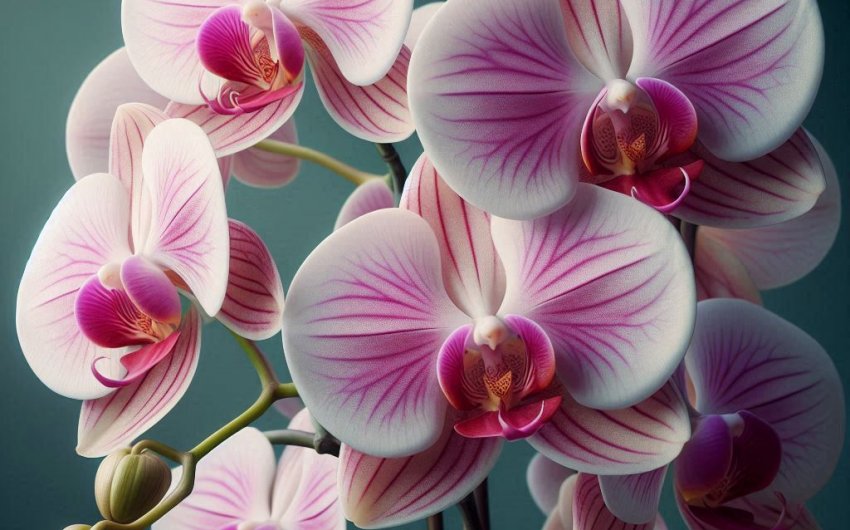
Unlocking the secrets to vibrant blooms and healthy foliage is the aim of this comprehensive orchid care guide, specifically designed to teach you how to grow stunning Phalaenopsis indoors. Often perceived as finicky, these elegant "moth orchids" are surprisingly adaptable once their specific needs for light, water, and humidity are understood. With the right approach, even beginner plant enthusiasts can enjoy their long-lasting and exotic flowers, transforming their homes into a showcase of natural beauty.
What makes Phalaenopsis orchids so popular for indoor growing?
Phalaenopsis orchids, often simply called "moth orchids" due to their flower shape, have become incredibly popular houseplants, making them a central focus of any good orchid care guide. Their widespread appeal stems from a combination of stunning beauty, surprising resilience, and a relatively straightforward care routine compared to many other orchid species.
Here's what makes Phalaenopsis orchids so popular for indoor growing:
- Striking Beauty and Diverse Blooms: The most obvious reason for their popularity is their breathtaking flowers. Phalaenopsis orchids produce long-lasting, often large, and uniquely shaped blooms that resemble moths in flight. They come in an incredible array of colors – from pure white, soft pinks, and vibrant purples to intricate patterns, spots, and stripes. This diversity allows them to complement any interior decor, adding an immediate touch of elegance and exotic flair.
- Long-Lasting Flowers: Unlike many cut flowers or other blooming plants whose flowers fade quickly, Phalaenopsis orchid blooms can last for an exceptionally long time, often for several weeks to a few months under optimal conditions. This extended display provides incredible value and continuous beauty.
- Adaptability to Indoor Environments: While they are tropical plants, Phalaenopsis orchids are surprisingly well-suited to typical household conditions. They thrive in average room temperatures and don't require extreme humidity like some other orchids. This makes them much easier to accommodate in a standard home setting without needing specialized equipment.
- Relatively Low Maintenance: Despite their exotic appearance, Phalaenopsis orchids are quite forgiving, especially with their watering needs. They prefer to dry out slightly between waterings, reducing the risk of overwatering (a common killer of houseplants). Once their basic needs for light and water are met, they are relatively hands-off.
- Easy to Rebloom (with proper care): One of the biggest fears for beginners is that their orchid won't rebloom. However, Phalaenopsis orchids are among the easiest orchids to coax into reblooming once you understand their cycle, particularly their need for a temperature drop. This provides immense satisfaction and encourages continued interest in orchid care.
- Availability and Affordability: Phalaenopsis orchids are widely available in grocery stores, garden centers, and nurseries, making them easy to acquire. Their mass production has also made them quite affordable, allowing more people to enjoy their beauty.
- Air Plants (Epiphytes): Most Phalaenopsis are epiphytic, meaning they grow on trees in their natural habitat, not in soil. Their exposed roots, often visible in clear pots, are a unique feature and a visual cue to their watering needs, which can be less intimidating than trying to judge soil moisture.
In essence, Phalaenopsis orchids offer a winning combination of stunning, long-lasting beauty and a surprisingly accessible care routine. They provide big rewards for relatively low effort, making them the perfect entry point for anyone learning how to grow stunning Phalaenopsis indoors.
What kind of light do Phalaenopsis orchids need?
Providing the correct light is a fundamental aspect of successful orchid care, particularly for Phalaenopsis indoors. It directly impacts the plant's ability to photosynthesize, grow healthy foliage, and ultimately produce those stunning blooms. Too much or too little light can lead to various problems.
Here's what kind of light Phalaenopsis orchids need:
1. Bright, Indirect Light
- Ideal Condition: Phalaenopsis orchids thrive in bright, indirect light. This means a location where they receive plenty of ambient light but are protected from direct, harsh sunbeams, especially during the hottest parts of the day.
- Why it's important: In their natural habitat, Phalaenopsis grow under the canopy of trees, receiving dappled sunlight rather than intense, direct rays. Replicating this diffused light is key.
2. Identifying Ideal Locations Indoors
- East-Facing Window: This is often considered the perfect spot. East-facing windows provide gentle morning sun, which is ideal for orchids as it's not too intense. They get several hours of light before the sun becomes too strong.
- North-Facing Window: A north-facing window typically provides adequate indirect light for Phalaenopsis, especially for darker-leafed varieties. If it's the only option, ensure it's a very bright north-facing window, as sometimes the light can be too low for optimal blooming.
- South or West-Facing Window (with caution): These windows receive the most intense direct sunlight, especially in the afternoon. If you must place your orchid here, it's crucial to provide a barrier:
- Sheer Curtains: A thin, sheer curtain can diffuse the light effectively.
- Set Back from Window: Place the orchid a few feet back from the window, allowing the light to spread and soften.
- Nearby Obstruction: Use a larger plant or furniture to cast some indirect shade.
3. Reading the Leaves for Light Cues
Your orchid's leaves are excellent indicators of whether it's getting too much or too little light:
- Light Green with a Hint of Red/Purple: This is the ideal leaf color, indicating the plant is receiving perfect light levels. It suggests the plant is healthy and actively photosynthesizing, setting it up for blooming.
- Dark Green Leaves: If the leaves are a very deep, almost dull green, it usually means the orchid is getting too little light. The plant is stretching to absorb more light, but it won't produce many (if any) blooms. Growth will be slow.
- Yellowing Leaves or Red/Brown Sunburn Spots: If leaves turn yellow (especially uniformly yellow) or develop bleached, red, or brown scorched patches, it's a clear sign of too much direct sunlight. Move the plant to a shadier spot immediately. Sunburn cannot be reversed, but new healthy leaves will grow.
4. Supplemental Lighting (If Necessary)
- Why use it? If you don't have enough natural bright, indirect light, especially in darker homes or during winter, a grow light can be beneficial.
- Type: LED grow lights designed for plants, or fluorescent grow lights (like T5 or T8 bulbs), work well.
- Placement: Position the light 6-12 inches above the orchid, ensuring it provides soft, diffused light, not intense direct light.
- Duration: Provide 12-16 hours of light per day.
By carefully monitoring your Phalaenopsis orchid's leaf color and adjusting its position, you'll master this crucial aspect of orchid care and provide the ideal light needed to grow stunning Phalaenopsis indoors.
How often should I water my Phalaenopsis orchid?
Watering is perhaps the most critical and often misunderstood aspect of orchid care, especially for Phalaenopsis indoors. Unlike typical houseplants that grow in soil, Phalaenopsis are epiphytes, meaning they grow on trees in their natural habitat, and their roots need excellent air circulation as well as moisture. Overwatering is the most common cause of orchid death.
Here’s how often to water your Phalaenopsis orchid:
1. The "Dry-ish" Rule: Allow to Dry Out Slightly
- Key Principle: The golden rule for Phalaenopsis watering is to allow the potting media to dry out almost completely before watering again. Do not water on a strict schedule (e.g., "every 7 days"), as the plant's water needs fluctuate based on environmental factors.
- Why it's important: Phalaenopsis roots need air as much as they need water. If the potting media stays soggy, the roots suffocate and rot, leading to bacterial and fungal infections. This is "root rot."
2. How to Determine When to Water (The Best Methods):
- The Weight Test (Most Reliable):
- Immediately after watering, lift your orchid pot and note how heavy it feels.
- As days pass and the moisture evaporates, the pot will become significantly lighter.
- When the pot feels very light (almost surprisingly light), it's usually time to water. This method gets easier with practice.
- The Potting Media Test (Visual & Touch):
- For bark mixes: Look at the color of the bark pieces. When dry, they will look light and often gray-white. When wet, they will be dark and rich brown.
- For sphagnum moss: Stick your finger about an inch into the moss. If it feels barely damp or nearly dry, it's time to water. If it still feels noticeably moist, wait.
- Observing the Roots (in clear pots): Many Phalaenopsis orchids are sold in clear plastic nursery pots, which is a huge advantage for watering.
- Healthy, Dry Roots: Appear silvery-gray or whitish-green. This is when it's time to water.
- Healthy, Wet Roots: Appear vibrant green and plump. Do not water if they look like this.
- Unhealthy Roots: Yellow, brown, or mushy roots indicate root rot. Crispy, shriveled roots indicate severe underwatering.
- The Skewer Test (for non-clear pots): Insert a wooden skewer or chopstick deep into the potting media. Pull it out after 10-15 minutes. If it feels damp or looks dark/wet, do not water. If it comes out dry, water.
3. Factors Influencing Watering Frequency:
- Potting Media:
- Orchid Bark Mix: Dries out relatively quickly, typically every 7-10 days, but can be as often as 4-5 days in warm, dry conditions.
- Sphagnum Moss: Retains water for much longer, sometimes needing water only every 2-3 weeks, or even longer. It's easy to overwater in moss.
- Temperature: Warmer temperatures increase evaporation, requiring more frequent watering.
- Humidity: Lower humidity means faster evaporation, so more frequent watering.
- Light Level: Orchids in brighter light will use more water.
- Pot Size: Smaller pots dry faster than larger ones.
- Season: Orchids generally need more water during their active growth and blooming phases (spring and summer) and less during dormancy or cooler winter months.
4. Best Watering Technique: The Soak Method
- Remove from Cachepot: Take the orchid out of its decorative outer pot (cachepot).
- Soak: Place the clear plastic nursery pot in a sink or basin. Pour water slowly over the potting media until it drains freely from the bottom. Let the pot sit in the drained water for 5-10 minutes to allow the roots and media to fully absorb moisture.
- Drain Thoroughly: Lift the pot and allow ALL excess water to drain out. This is critical. You can gently jiggle the pot or tilt it to ensure no standing water remains.
- Return to Cachepot: Once dripping has stopped, return the orchid to its decorative cachepot. Never let the orchid sit in standing water within the cachepot.
By mastering the art of checking moisture and using the soak method, you will learn how to grow stunning Phalaenopsis indoors by providing them with the perfectly balanced hydration they crave.
What is the right potting mix and pot for Phalaenopsis orchids?
Choosing the correct potting mix and pot is foundational to successful orchid care for Phalaenopsis indoors. Unlike typical plants, these epiphytic orchids do not grow in soil, and placing them in regular potting soil is a common mistake that leads to root rot and plant death. Their unique aerial roots require specialized conditions.
Here's a breakdown of the right potting mix and pot for Phalaenopsis orchids:
1. The Right Potting Mix (Substrate)
Phalaenopsis orchids require a coarse, fast-draining, and airy potting mix that allows for excellent air circulation around their roots. This mimics their natural environment where they cling to tree bark.
- Key Characteristics:
- Excellent Drainage: Prevents waterlogging and root rot.
- Good Airflow: Essential for healthy root respiration.
- Slow to Decompose: Should break down slowly to avoid smothering roots.
- Common Components (often used in blends):
- Orchid Bark: The most common and widely recommended component. It's typically made from fir bark (e.g., Douglas fir bark). Comes in different grades (fine, medium, coarse). Medium or coarse bark is generally good for Phalaenopsis, providing good aeration and allowing for proper drying between waterings.
- Sphagnum Moss: High-quality, long-fiber sphagnum moss is excellent for moisture retention. It's often used alone for smaller orchids, or in a blend with bark. If using alone, be extra careful not to overwater, as it holds a lot of moisture.
- Charcoal: Horticultural charcoal helps keep the mix "sweet" by absorbing impurities and odors.
- Perlite: Adds aeration and can help with drainage.
- Coconut Coir/Chips: Can retain moisture well while providing good air circulation, depending on the form.
- Avoid: Never use regular potting soil, garden soil, or any mix that is dense and retains too much water. This will quickly lead to root rot.
Recommendation: For beginners, a pre-mixed Phalaenopsis orchid potting mix containing primarily bark with some charcoal and perlite is an excellent starting point.
2. The Right Pot
The pot's material and design significantly influence how your Phalaenopsis orchid dries out and receives air.
- Drainage Holes (Non-Negotiable): Every orchid pot absolutely must have drainage holes at the bottom to allow excess water to escape freely. Standing water is lethal to orchid roots.
- Clear Plastic Pots (Highly Recommended for Beginners):
- Visibility: Allows you to visually inspect the roots, which are key indicators of watering needs. You can easily see if the roots are green (wet), silvery-gray (dry), or unhealthy (yellow/brown/mushy).
- Light: Orchid roots contain chlorophyll and can photosynthesize, so light reaching them is beneficial.
- Airflow: Many clear plastic orchid pots come with additional drainage holes or slits on the sides for extra air circulation.
- Terra Cotta Pots (Use with Caution):
- Pros: Porous nature promotes excellent airflow and allows water to evaporate quickly, reducing the risk of overwatering.
- Cons: Can dry out too quickly, requiring more frequent watering. Minerals from hard water can build up on the outside. May stick to the roots, making repotting difficult.
- Best for: Experienced growers who can commit to more frequent watering, or in very humid environments.
- Ceramic/Glazed Pots (Use as Cachepots):
- Pros: Aesthetic appeal.
- Cons: Non-porous, retain a lot of moisture, and usually have limited drainage holes. Not suitable as primary orchid pots.
- Solution: Use these as cachepots (decorative outer pots). Keep your orchid in its clear plastic nursery pot inside the cachepot. Always remove the inner pot for watering and ensure no standing water collects in the cachepot after draining.
3. Repotting
- Frequency: Phalaenopsis orchids generally need to be repotted every 1-2 years.
- Why: The potting mix (especially bark) breaks down over time, becoming dense and suffocating the roots.
- When: The best time to repot is after the orchid has finished blooming and new root growth is just beginning.
By selecting the right potting mix and pot, you create the ideal airy, fast-draining environment that Phalaenopsis orchids need to thrive, ensuring your efforts to grow stunning Phalaenopsis indoors are successful.
How do I provide the right humidity and temperature for Phalaenopsis orchids?
Beyond light and water, consistent humidity and temperature are critical environmental factors for successful orchid care, especially when learning how to grow stunning Phalaenopsis indoors. These elements directly impact the plant's overall health, its ability to thrive, and its readiness to rebloom.
1. Humidity (The Air Moisture)
Phalaenopsis orchids originate from tropical regions where humidity is consistently high. While they are more tolerant than some other orchid species, dry indoor air can cause issues.
- Ideal Range: Aim for 50-70% humidity. Typical household humidity (especially in winter with heating/AC) is often much lower (20-40%).
- Signs of Low Humidity:
- Crispy, brown frond tips or edges (even if soil watering is correct).
- Shriveled aerial roots (roots that grow outside the pot).
- Bud blast (flower buds drying up and falling off before opening).
- How to Increase Humidity:
- Pebble Tray: This is one of the easiest and most effective methods. Place your orchid's pot on a tray filled with pebbles and water, ensuring the bottom of the pot does not sit in the water. As the water evaporates, it creates a more humid microclimate around the plant.
- Humidifier: For multiple orchids or generally dry homes, a room humidifier can significantly raise ambient humidity.
- Group Plants: Grouping several plants together can create a localized area of higher humidity as they collectively release moisture through transpiration.
- Avoid Misting: While often recommended, misting provides only a very temporary increase in humidity and can promote bacterial or fungal spots on leaves if done improperly or without good air circulation. It's generally not an effective long-term solution for humidity.
2. Temperature (The Air Warmth)
Phalaenopsis orchids are "warm-growing" orchids, meaning they prefer temperatures consistent with average household environments.
- Ideal Day Temperatures: Between 70-80°F (21-27°C).
- Ideal Night Temperatures: Between 60-70°F (16-21°C).
- No Drafts: Avoid placing orchids near open windows, air conditioning vents, or heating vents, as sudden temperature fluctuations or cold drafts can stress the plant and cause bud blast or leaf damage.
- Crucial for Reblooming: The Temperature Drop
- While consistent warmth is good for vegetative growth, a nighttime temperature drop is essential for initiating blooming in Phalaenopsis orchids.
- How: In late fall or early winter (after flowering has finished for the season), expose your orchid to temperatures around 55-65°F (13-18°C) for 3-4 weeks at night, while maintaining daytime temperatures slightly warmer.
- Where: This can often be achieved by placing the orchid near a slightly cooler window, or in a room that naturally cools down at night, away from heat registers. This temperature differential triggers the development of a new flower spike. Once the spike starts to develop, you can return the plant to its warmer, regular growing spot.
By actively managing both humidity and temperature, especially understanding the role of the nighttime temperature drop, you will unlock the secret to continuous reblooming and successful orchid care, helping you to grow stunning Phalaenopsis indoors year after year.
How do I fertilize and prune Phalaenopsis orchids for continuous blooms?
Proper fertilizing and pruning are advanced but essential steps in orchid care that directly influence the health, vigor, and especially the reblooming potential of your Phalaenopsis indoors. Getting these right can mean the difference between a one-time bloomer and a plant that consistently produces stunning flowers.
1. Fertilizing Phalaenopsis Orchids
Orchids are not heavy feeders; they need dilute fertilizer applied regularly, often referred to as "weakly, weekly" or "weakly, bi-weekly."
- Type of Fertilizer:
- Use a balanced orchid-specific fertilizer (e.g., 20-20-20 or 10-10-10 ratio) or one specifically formulated for blooming (e.g., a "bloom booster" with a higher phosphorus number like 10-30-20). Orchid fertilizer liquid concentrate is easiest for beginners.
- If using a bark-based mix, some growers use a "urea-free" or "calcium-based" nitrogen fertilizer to prevent salt buildup, but a balanced soluble fertilizer is generally fine for most home growers.
- Dilution: This is critical. Always dilute the fertilizer to half or even quarter strength of what the label recommends for other plants, or what it recommends for orchids (some labels are for stronger feeds than Phalaenopsis need).
- Frequency:
- During Active Growth (Spring/Summer): Fertilize every 1-2 weeks.
- During Blooming: Continue fertilizing at the same frequency.
- During Dormancy/Cooler Months (Fall/Winter, if not blooming): Reduce frequency to every 2-4 weeks, or stop entirely if growth slows significantly.
- "Weakly, Weekly" Method: This involves using a very dilute solution (e.g., 1/4 strength) every time you water, once a week. Every fourth watering, use plain water to flush out any accumulated salts.
- "Flush Method": Regardless of frequency, always water thoroughly with plain water once a month or every few waterings. This helps flush out excess fertilizer salts that can accumulate in the potting mix and burn roots.
- Apply to Moist Roots: Never apply fertilizer to dry roots, as this can cause fertilizer burn. Always water the orchid first, then apply the diluted fertilizer solution.
2. Pruning Phalaenopsis Orchid Flower Spikes
Once your orchid's stunning blooms fade, you have a few options for pruning the flower spike to encourage reblooming.
- Option 1: Cut Above a Node (for potential rebloom on old spike):
- When: When all flowers on a spike have faded.
- How: Locate a dormant node (a small, triangular bump) on the flower spike below where the last flower bloomed. Using clean, sterile pruning snips (sterilized with rubbing alcohol), cut the spike about 1 inch above this node.
- Result: The plant may (or may not) produce a new branch and flowers from this node within a few months. This saves energy from growing a whole new spike.
- Option 2: Cut the Entire Spike at the Base (for stronger new spike):
- When: If the spike turns completely yellow or brown, or if you prefer the plant to put all its energy into growing a new, stronger spike from the base.
- How: Cut the entire flower spike as close to the base of the plant as possible, again with clean, sterile snips.
- Result: This encourages the plant to put energy into growing new leaves and roots, and eventually a brand new flower spike from the base, which often produces more vigorous blooms. This can take longer to rebloom, but the result is often more robust.
- Never Cut Healthy Green Spikes: Do not cut a green spike if the flowers haven't all faded, or if it appears to be actively growing (e.g., extending, or has green nodes). It may still produce more flowers.
3. Pruning Leaves and Roots
- Leaves: Only prune yellowing, brown, or mushy leaves. If a leaf is partly damaged, you can trim the damaged portion with sterile scissors. Healthy green leaves are essential for photosynthesis and should not be removed.
- Roots: During repotting, use sterile snips to remove any dead, black, mushy, or completely dried-out, papery roots. Healthy roots should be firm.
By applying these thoughtful fertilizing and pruning techniques, you empower your Phalaenopsis orchid to consistently produce the stunning blooms that make them such beloved indoor plants, solidifying your knowledge of orchid care.
What are common problems with Phalaenopsis orchids and how to fix them?
Even with diligent orchid care, Phalaenopsis indoors can sometimes encounter problems. Recognizing the symptoms and knowing how to fix them is crucial for keeping your stunning orchids healthy and vibrant. Most issues are related to environmental factors and are highly treatable.
Here are common problems with Phalaenopsis orchids and how to fix them:
1. Bud Blast (Flower Buds Drying Up and Falling Off)
- Symptoms: Flower buds shrivel, turn yellow or brown, and drop off before opening.
- Causes: Often a sign of stress or sudden environmental changes.
- Low Humidity: Very dry air.
- Sudden Temperature Fluctuations: Cold drafts, proximity to heating/AC vents, sudden drops or spikes in temperature.
- Underwatering: Plant not getting enough moisture to sustain new growth.
- Overwatering/Root Rot: Roots can't absorb enough water even if soil is wet.
- Lack of Light: Insufficient energy for bud development.
- Chemical Exposure: Fumes from paint, cleaning products, ripening fruit (ethylene gas).
- Repotting/Moving during Bud Development: Stress from disturbance.
- Fix:
- Identify and correct the underlying cause.
- Increase humidity (pebble tray, humidifier).
- Move the plant away from drafts or vents.
- Check watering routine and roots (see root rot below).
- Ensure adequate bright, indirect light.
- Avoid placing ripening fruit near orchids.
- Unfortunately, once buds blast, they won't recover, but correcting conditions prevents future issues.
2. Yellowing Leaves
- Symptoms: Leaves turn yellow, sometimes uniformly, sometimes starting from the base.
- Causes:
- Overwatering/Root Rot (Most Common): Roots can't take up water, leading to yellowing, often mushy leaves, sometimes from the bottom up.
- Too Much Direct Light/Sunburn: Leaves turn yellow and can develop scorched patches (yellow/red/brown).
- Nutrient Deficiency: (Less common if regularly fertilized).
- Natural Aging: Older bottom leaves naturally yellow and drop as new ones grow.
- Fix:
- Root Rot: Unpot, inspect roots, trim rotten parts, repot in fresh, well-draining media. Adjust watering frequency.
- Sunburn: Move to a spot with bright, indirect light immediately.
- Nutrient: Ensure regular, dilute fertilization.
- Aging: If it's just the lowest, oldest leaf, it's normal.
3. Wrinkled/Shriveled Leaves or Roots (Aerial Roots)
- Symptoms: Leaves appear thin, soft, and wrinkled. Aerial roots look shriveled and dry.
- Causes:
- Underwatering (Most Common): The plant isn't getting enough water.
- Root Rot (Ironically): Damaged roots can't absorb water, even if the potting mix is moist, leading to dehydration symptoms.
- Fix:
- Underwatering: Water thoroughly using the soak method. Plant should plump up within a day or two. Adjust watering frequency.
- Root Rot: If soil is wet but leaves are shriveled, unpot and inspect roots (see overwatering fix). The shriveling is a symptom of thirst caused by rotting roots unable to function.
4. Root Rot
- Symptoms: Roots turn black, brown, or become mushy. May have a foul odor. Leaves yellow and wilt even with wet potting mix.
- Cause: Prolonged exposure to overly wet, oxygen-deprived conditions, usually from overwatering or too dense potting media.
- Fix:
- Immediate Repotting: This is an emergency. Gently remove the plant from its pot.
- Inspect and Trim: Carefully remove all old potting mix. With clean, sterile scissors, cut away all black, brown, or mushy roots. Healthy roots are firm and greenish-white or tan. If no healthy roots remain, the plant may not survive.
- Sterilize: If using the same pot, sterilize it. Use fresh, sterile orchid bark potting mix.
- Replant: Place the orchid in the clean pot with new media. Do not water immediately; wait a few days to a week to allow any cuts on the roots to heal.
- Adjust Watering: Drastically change your watering frequency; only water when the media is almost completely dry.
5. No Rebloom
- Symptoms: Plant grows healthy leaves and roots but no new flower spikes.
- Causes:
- Insufficient Light: Most common reason. Not enough energy to produce flowers.
- Lack of Temperature Drop: Failure to provide the cool nighttime temperatures needed to trigger a flower spike.
- Over-Fertilizing Nitrogen: Too much nitrogen can promote lush leafy growth at the expense of flowers.
- Too Frequent Repotting: Disturbance can delay blooming.
- Too Small Pot/Too Old Plant: If the plant is severely root-bound, it may need repotting.
- Fix:
- Adjust Light: Move to a brighter spot with indirect light.
- Provide Temperature Drop: Introduce cool nighttime temps (55-65°F) for 3-4 weeks in fall/early winter.
- Adjust Fertilization: Use a balanced orchid fertilizer diluted properly.
- Patience: Reblooming can take time.
By understanding these common problems and diligently applying the fixes, you can rescue your orchids from distress and truly learn how to grow stunning Phalaenopsis indoors, ensuring they continue to bring beauty and joy to your home.