
Cactus Care: How to Grow and Maintain Indoor Cacti
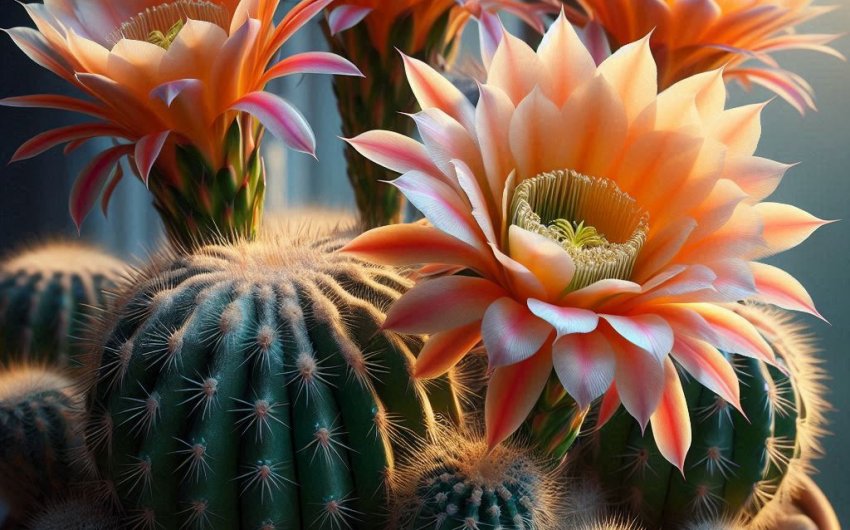
Mastering cactus care allows you to bring a piece of the desert's unique beauty indoors, transforming your living space with these fascinating and remarkably resilient plants. Contrary to popular belief, cacti are not entirely maintenance-free; rather, they thrive with a very specific set of conditions that mimic their natural arid environments. Understanding precisely how to grow and maintain indoor cacti involves meticulous attention to light, drainage, and infrequent watering, ensuring these striking succulents flourish and, in many cases, even produce stunning blooms.
What makes cacti unique and how does it influence their care?
Cacti are a diverse group of plants belonging to the Cactaceae family, almost all of which are native to the Americas. Their unique adaptations to arid environments are what make them fascinating and dictate their specific care requirements. Understanding these characteristics is the first step in successful cactus care.
What are the defining characteristics of cacti?
- Areoles: This is the most defining feature of a cactus. An areole is a small, cushion-like structure, typically white or yellow, from which spines, glochids (tiny, barbed bristles), flowers, and new branches emerge. If a plant has spines but no areoles, it's a succulent, but not a true cactus (e.g., euphorbias).
- Spines/Glochids: While not all cacti have large, obvious spines (e.g., some Christmas cacti), most do. Spines are modified leaves.
- Purpose: They provide protection from herbivores, help shade the plant body, reduce water loss by breaking up air currents, and collect dew. Glochids are tiny, easily detachable, and irritating.
- Succulent Stems: Cacti have thick, fleshy stems designed to store water. Their leaves have largely been reduced to spines to minimize water loss through transpiration. This is why their bodies are often round, columnar, or flattened pads.
- Waxy Cuticle: Most cacti have a thick, waxy coating on their stems that further reduces water evaporation.
- Shallow, Spreading Root Systems: Many desert cacti have extensive, shallow root systems that quickly absorb any rainfall, allowing them to rapidly store water before it evaporates.
- CAM Photosynthesis: Cacti use a specialized type of photosynthesis called Crassulacean Acid Metabolism (CAM). This allows them to open their stomata (pores) at night to take in carbon dioxide, greatly reducing water loss during the hot, dry daytime.
How do these adaptations influence indoor cactus care?
These unique features directly translate into the specific conditions you need to provide for indoor cacti to thrive:
- Light: Their desert origins mean most cacti require abundant bright light, ideally direct sunlight, to grow healthily and flower. Without enough light, they become etiolated (stretched and pale).
- Watering: Their water-storing stems and shallow roots mean they are extremely susceptible to overwatering and require periods of drought between waterings to prevent root rot. "When in doubt, don't water" is a good mantra.
- Soil/Drainage: Their roots rot easily in consistently wet soil. They demand exceptionally well-draining potting mix that doesn't retain too much moisture.
- Humidity: Cacti are adapted to low humidity environments, so they generally don't require or benefit from high humidity indoors.
- Fertilization: They are not heavy feeders and require very dilute fertilizer, primarily during their active growing season.
- Dormancy: Many cacti have distinct dormant periods (often in winter) when their growth slows significantly, and they require reduced water and cooler temperatures. This dormancy is often essential for them to flower.
Understanding these inherent characteristics and mimicking their natural conditions is the foundation of successful cactus care and enjoying indoor cacti in your home.
What kind of light do indoor cacti need?
Light is arguably the most critical factor for the health and vitality of indoor cacti. Mimicking their native desert environments means providing ample, intense illumination.
How much direct sunlight is ideal for cacti?
Most desert cacti absolutely thrive in bright, direct sunlight.
- Optimal Placement: The best location for most indoor cacti is a south-facing window (in the Northern Hemisphere) that receives 6-8 hours or more of direct sun per day. An unobstructed west-facing window can also work, but watch for scorching if the afternoon sun is too intense in summer.
- Signs of Enough Light: Healthy, compact growth, strong spine development, and eventually, blooming (for mature cacti).
- Acclimation: If you move a cactus from a lower-light environment to intense direct sun, do so gradually over a week or two to prevent sunburn.
What are the signs of not enough light?
Lack of sufficient light is one of the most common problems for indoor cacti, leading to unhealthy, unattractive growth.
- Etiolation (Stretching): This is the most tell-tale sign. The cactus will stretch towards the light source, producing thin, pale, weak, and often strangely shaped growth. For columnar cacti, the top will narrow significantly. For globular cacti, they might become elongated or misshapen. This new growth will be much paler green than the healthy growth.
- Pale Color: The overall color of the cactus may become dull, faded, or distinctly lighter than it should be.
- Weak Spines: Spines may be sparse, thin, and brittle instead of robust.
- No Flowering: A cactus that doesn't receive enough light will rarely, if ever, produce flowers.
- Overall Stunted Growth: Beyond stretching, the plant's growth might simply stop or be very slow and weak.
How can I provide supplemental lighting?
If you don't have a suitable south-facing window, or if your natural light is insufficient, supplemental lighting is essential for indoor cacti.
- LED Grow Lights: These are the most energy-efficient and effective option. Look for "full-spectrum" LEDs designed for plants.
- Intensity: Cacti need higher intensity lights than many other houseplants.
- Duration: Provide 12-16 hours of light per day, especially during the active growing season. Use a timer for consistency.
- Distance: Follow the light manufacturer's recommendations for hanging height. Typically, cacti can tolerate lights closer than other plants, but monitor for signs of scorching (bleaching or redness).
- Light Rotation: If you have multiple cacti and limited prime window space, rotate them every few days so each plant gets a turn in the best light.
Providing the right amount and intensity of light is the cornerstone of successful cactus care, ensuring your indoor cacti remain compact, healthy, and capable of producing their often spectacular blooms.
How often should I water my indoor cacti?
Watering is the trickiest and most critical aspect of cactus care, as overwatering is the number one cause of death for indoor cacti. Their adaptations mean they thrive on periods of dryness.
What is the "soak and dry" method?
The best way to water most indoor cacti is using the "soak and dry" method.
- Check the Soil: Before watering, always check the soil moisture.
- Finger Test: Stick your finger 2-3 inches deep into the potting mix. For larger pots, you might need to go even deeper. If the soil feels completely dry, it's time to water.
- Pot Weight: Over time, you'll learn to judge the weight of your potted cactus. A dry pot will feel significantly lighter than a recently watered one. This is especially helpful for small pots.
- Moisture Meter: A plant moisture meter can give a precise reading. You want the meter to read "dry" before watering.
- Water Thoroughly: When you do water, water deeply.
- Pour water slowly and evenly over the entire surface of the potting mix until you see a steady stream of water draining from the bottom of the pot.
- For very dry soil, you might need to water in stages, allowing the first bit of water to soak in before adding more.
- Drain Completely: This is crucial. Do NOT let your cactus sit in standing water in its saucer or decorative outer pot. After about 15-30 minutes, empty any collected water. Standing water is a direct cause of root rot.
How often do cacti typically need water?
There is no fixed schedule for watering cacti. Frequency depends entirely on several factors:
- Season/Growth Cycle:
- Active Growing Season (Spring & Summer): When temperatures are warm and the cactus is actively growing (putting out new growth, budding), it will need more frequent watering, perhaps every 2-4 weeks, depending on other factors.
- Dormancy (Fall & Winter): Most desert cacti enter a dormant period in cooler, darker winter months. During dormancy, they need significantly less water, often only once a month or even every 6-8 weeks, or no water at all if kept very cool. This dry dormancy is often crucial for encouraging flowering in spring.
- Light Levels: Cacti in brighter light will use water more quickly and need more frequent watering than those in low light.
- Temperature: Warmer temperatures increase evaporation from the soil and water usage by the plant. Cooler temperatures decrease it.
- Pot Size & Material:
- Smaller Pots: Dry out faster than larger pots.
- Terra Cotta Pots: Porous terra cotta allows moisture to evaporate through its sides, causing the soil to dry out faster than plastic or glazed ceramic pots. This is highly beneficial for cacti as it promotes quicker drying and reduces root rot risk.
- Plastic/Glazed Pots: Retain moisture longer. If using these, be extra vigilant with checking soil moisture.
- Potting Mix: A very well-draining, gritty mix will dry out faster than a mix with more organic matter.
The Golden Rule: When in doubt, underwater your cactus. It's far easier for a cactus to recover from being too dry than from rotting due to overwatering.
What kind of water should I use?
Most cacti tolerate regular tap water. If your tap water is very hard or has high chlorine, you can let it sit out for 24 hours to allow chlorine to dissipate, or use filtered water, but this is rarely a critical factor for cactus health.
By meticulously following the "soak and dry" method and considering the influencing factors, you will master the art of watering your indoor cacti and ensure their longevity and vibrant health. This knowledge is central to successful cactus care.
What kind of soil and pots do indoor cacti need?
The right soil and pot combination is fundamental for the survival of indoor cacti. Their roots are extremely susceptible to rotting in consistently wet conditions, making exceptional drainage the paramount requirement.
What is the ideal potting mix for cacti?
Do NOT use standard all-purpose potting mix or garden soil for cacti. These are too dense and retain too much moisture, leading to root rot. You need a specialized cactus and succulent potting mix.
- Key Characteristics:
- Extremely Well-Draining: This is non-negotiable. The mix must allow water to flow through very quickly.
- Aerated: It needs plenty of air pockets to allow oxygen to reach the roots.
- Low Organic Matter: Compared to other plants, cacti prefer a mix with a lower percentage of organic material (like peat or compost) that retains water.
- Components of a Good Cactus Mix:
- Base (Minimal): A small amount of peat moss or coco coir (about 10-20% of the mix).
- Drainage/Aeration (Major Components):
- Perlite: Lightweight, volcanic glass that improves drainage and aeration.
- Pumice: Similar to perlite but heavier, which can add stability to tall cacti.
- Coarse Sand: Not play sand or builders' sand. Horticultural or sharp sand is grittier and improves drainage.
- Small Gravel/Crushed Granite: Can also be added for drainage and weight.
- DIY Cactus Mix Recipe:
- 1 part potting soil (well-draining houseplant mix) (ensure it has some perlite in it already)
- 1 part coarse sand or perlite or pumice
- (Optional) 1/2 part small gravel or fine bonsai aggregate for added grit. Pre-made cactus and succulent mixes are also readily available and a good starting point.
What is the best pot type for cacti?
The choice of pot material directly influences how quickly the soil dries out.
- Terra Cotta (Unglazed Ceramic):
- Highly Recommended: Unglazed terra cotta pots are the best choice for most cacti.
- Why: Their porous nature allows excess moisture to evaporate through the sides of the pot, promoting faster drying of the soil. This is a huge advantage in preventing overwatering and root rot.
- Consideration: You will need to water slightly more frequently than in plastic pots.
- Plastic or Glazed Ceramic:
- Less Ideal, but Possible: These materials are non-porous and retain moisture longer.
- Consideration: If using plastic or glazed pots, be extra vigilant with your watering schedule and ensure the soil is truly dry before watering again. This makes them riskier for beginners.
- Size:
- Small & Snug: Cacti generally prefer to be a bit root-bound and thrive in pots that are relatively small for their size. A pot that is too large will hold too much moisture, increasing the risk of root rot.
- Rule of Thumb: Choose a pot that is only slightly larger than the cactus's root ball, typically with just 1-2 inches of space between the cactus and the pot rim.
The Most Important Rule: Drainage Holes!
Regardless of the pot material, your cactus pot absolutely MUST have drainage holes. A pot without drainage holes is a guarantee for root rot in a cactus. Never put a layer of gravel or rocks at the bottom of the pot, as this actually hinders drainage.
By providing your indoor cacti with a super well-draining potting mix and a breathable pot (like terra cotta), you are mimicking their natural arid environment and setting them up for long-term success in your home. This foundational step is critical for successful cactus care.
How do I fertilize and prune indoor cacti?
While cacti are renowned for being low-maintenance, they still benefit from occasional fertilization during their active growing season and judicious pruning for health and aesthetics. These tasks contribute to robust growth and the potential for beautiful blooms.
How do I fertilize indoor cacti?
Cacti are not heavy feeders. Over-fertilizing can be more detrimental than under-fertilizing, leading to fertilizer burn or weak, leggy growth.
- When to Fertilize:
- Active Growing Season: Fertilize only during the active growing season, which is typically spring and summer (April to September in the Northern Hemisphere).
- Dormancy: Do NOT fertilize during fall and winter when the cactus is dormant or growth has slowed significantly. Fertilizing dormant cacti can lead to fertilizer burn or root damage.
- What Kind of Fertilizer:
- Low Nitrogen (Balanced): Look for a cactus and succulent fertilizer with a low nitrogen (N) content, and slightly higher phosphorus (P) and potassium (K) numbers (e.g., an NPK ratio like 1-7-6 or 2-7-7). High nitrogen promotes lush, soft growth that is more susceptible to disease and rot, and less likely to flower.
- Liquid Form: Liquid fertilizers are generally preferred as they are easy to dilute.
- Dilution is Key: Always dilute the fertilizer to half-strength or even quarter-strength of the manufacturer's recommendations. Cacti are very sensitive to concentrated fertilizers.
- How Often: Fertilize infrequently, perhaps once a month or every other month during the active growing season. Very mature cacti in stable conditions may only need it once or twice a year.
- Water Before Fertilizing: Always water your cactus with plain water a day or two before fertilizing. Applying fertilizer to dry soil can cause root burn.
How do I prune indoor cacti?
Pruning cacti is generally done for health, shape, or propagation, rather than extensive shaping like other plants.
- Reasons for Pruning:
- Etiolation (Stretching): If your cactus has stretched due to insufficient light, the stretched part will never return to its normal shape. You can cut off the etiolated section to encourage healthy, compact growth from below the cut.
- Damage/Disease: Remove any rotting, mushy, or severely damaged sections of the cactus. This is crucial to prevent the spread of disease.
- Pups/Offsets: Many cacti produce "pups" or offsets (small baby cacti) that grow from the main plant. You can gently remove these to propagate new plants or to encourage the main plant to grow larger.
- Shaping: Occasionally, you might prune to maintain a desired shape or size, or to thin out an overly dense clump.
- Tools: Use sharp, sterilized tools (e.g., a sharp knife for clean cuts, or sturdy gloves for spiny varieties). Sterilize with rubbing alcohol before and after each cut.
- How to Prune:
- For etiolated or diseased sections, make a clean cut below the affected area, into healthy tissue.
- For pups, gently twist or cut them away from the mother plant at the point of attachment.
- Callus (Important!): After making a cut, the wound needs to callus over (dry out and form a protective layer) before it comes into contact with moisture or soil. Place the pruned cactus or removed pup in a dry, warm place with good air circulation for several days to a few weeks, depending on the size of the cut. This prevents rot.
- Gloves: Always wear thick thorn-proof gloves when handling spiny cacti!
By providing infrequent, dilute fertilizer and performing judicious pruning when necessary, you contribute to the long-term health and vitality of your indoor cacti, ensuring they remain striking specimens in your collection. This attention to detail is essential for effective cactus care.
How do I repot and propagate indoor cacti?
Repotting and propagation are natural parts of cactus care, allowing your plants to grow, thrive, and multiply. While some caution is needed due to spines, the processes are generally straightforward.
When should I repot my cactus?
Cacti generally prefer to be a bit root-bound, so they don't need frequent repotting.
- Signs It's Time to Repot:
- Roots growing out of drainage holes: This is the most common indicator.
- Stunted growth: If the cactus has stopped growing despite good care, it might be outgrowing its pot.
- Potting mix no longer draining well: Over time, potting mix can break down and become compacted, affecting drainage.
- Cactus becomes top-heavy: Taller cacti can become unstable in too-small pots.
- Every 2-3 years (general rule): Even if not showing obvious signs, refreshing the potting mix every few years is beneficial.
- Best Time: Repot during the active growing season (spring or early summer) when the plant is most vigorous and can quickly recover from the stress.
How do I repot a cactus?
Handle with care due to spines!
- Gather Supplies:
- New pot (only 1-2 inches larger in diameter than the current one).
- Fresh, well-draining cactus and succulent potting mix.
- Thick gloves or layers of newspaper/tongs for handling spiny cacti.
- A piece of mesh or screen to cover the drainage hole (prevents soil loss).
- Prepare the Pot: Place a small amount of fresh potting mix at the bottom of the new pot.
- Remove Cactus:
- Do not water the cactus for a week or so before repotting; dry soil makes it easier to remove.
- Gently tip the current pot on its side.
- Using gloves, carefully pull the cactus out of the pot. If it's stuck, you may need to gently tap the pot or carefully slide a knife along the inside edge.
- Inspect Roots: Gently shake off excess old soil. Inspect the roots. Healthy roots are firm and light-colored. Trim off any mushy, dark, or rotten roots with sterilized pruners.
- Plant in New Pot: Place the cactus in the center of the new pot, ensuring the base of the cactus is at the same soil level as it was in the old pot. (Don't bury the stem too deep, as this can encourage rot.)
- Backfill: Fill around the root ball with fresh potting mix, gently tamping it down to remove large air pockets. Leave about 1/2 to 1 inch of space from the rim for watering.
- Do NOT Water Immediately: This is crucial. Wait at least 1 week (or up to 2 weeks for very fragile cacti) after repotting before watering. This allows any disturbed roots or small wounds to heal, significantly reducing the risk of root rot.
- Resume Normal Care: After the waiting period, resume your normal "soak and dry" watering routine.
How do I propagate indoor cacti?
Many cacti are easy to propagate from offsets (pups) or stem cuttings.
- From Offsets/Pups:
- Remove: Many cacti naturally produce small "pups" or offsets at their base or along the stem. Carefully remove these by gently twisting them off or cutting them cleanly with a sterilized knife close to the mother plant.
- Callus: Allow the offset to callus over for several days to a week in a dry, warm place. This prevents rot when planting.
- Plant: Plant the callused offset in a small pot filled with cactus and succulent potting mix.
- No Water: Do not water immediately. Wait 1-2 weeks for roots to begin forming.
- Watering: After the waiting period, begin lightly watering (just enough to slightly moisten the soil) until you feel the plant has established roots (it will offer resistance when gently tugged). Then, transition to normal "soak and dry."
- From Stem Cuttings:
- Take a Cutting: For columnar or branching cacti, cut a healthy stem section with a sharp, sterilized knife. Make a clean cut.
- Callus: Allow the cutting to callus over for 1-4 weeks, depending on the size of the cutting. This forms a dry, protective scab. This is crucial for preventing rot.
- Plant: Insert the callused end of the cutting about 1-2 inches deep into a pot filled with cactus and succulent potting mix.
- No Water (Initial): Do not water for the first 2-4 weeks.
- Watering: After roots begin to form (you might feel resistance when gently tugging, or see new growth), you can begin light watering. Once well-rooted, transition to normal watering.
Propagation is a rewarding way to expand your collection and share your love of indoor cacti. With careful attention to detail, especially regarding callusing and initial watering, your efforts in cactus care will yield many new healthy plants.