
Succulent Care 101: Tips for Thriving Indoor Succulents
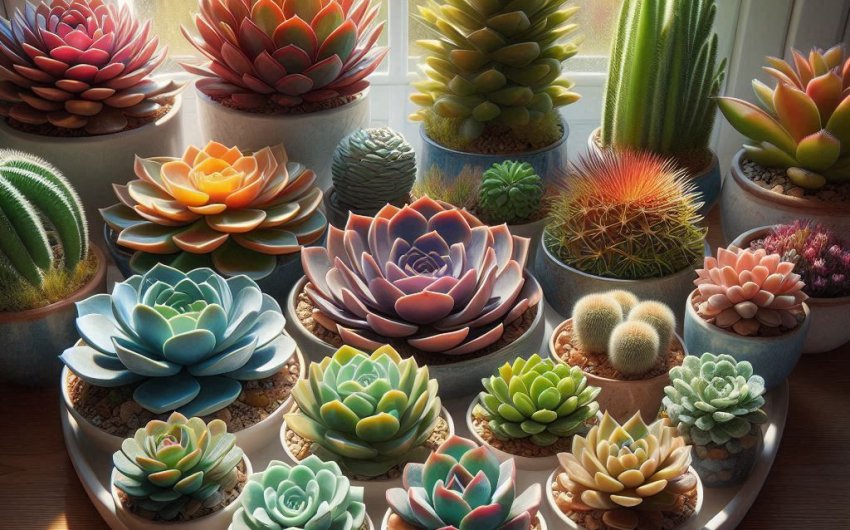
Embarking on succulent care 101: tips for thriving indoor succulents can transform your living space with these resilient and captivating plants. Known for their unique shapes, vibrant colors, and drought-tolerant nature, succulents are a popular choice for both seasoned plant enthusiasts and beginners alike. Despite their reputation for being low-maintenance, providing the right conditions is essential to ensure your indoor succulents don't just survive, but truly flourish, adding a touch of natural beauty to your home.
What Makes Succulents So Special and Popular for Indoors?
Succulents have captured the hearts of plant lovers worldwide, especially for indoor cultivation. Their unique characteristics make them stand out.
Water-Storing Adaptations:
- Fleshy Leaves/Stems: The most defining feature. Succulents have evolved to store water in their thick, fleshy leaves, stems, or roots. This allows them to endure long periods without rain in their native arid environments.
- Waxy Cuticle: Many succulents have a waxy coating on their leaves, which further reduces water loss through evaporation.
- Shallow Roots: Often have shallow, fibrous root systems that can quickly absorb any rainfall.
- Benefit: This adaptation makes them incredibly forgiving if you forget to water them, perfect for busy individuals or those new to plants.
Diverse Aesthetics:
- Shapes and Forms: Succulents come in an astonishing variety of shapes – rosettes, spheres, columns, trailing vines, and more. From the classic Echeveria to the architectural Sansevieria (Snake Plant) or quirky Haworthia.
- Colors: Their colors range from vibrant greens, blues, and purples to fiery reds, oranges, and even nearly black. Many change color depending on light exposure or stress.
- Textures: Smooth, velvety, fuzzy, bumpy, spiky – succulents offer a tactile experience as varied as their visual one.
- Benefit: Their unique appearances make them living art pieces, perfect for modern decor or creating stunning arrangements.
Low Maintenance (Relatively):
- Drought Tolerance: As water hoarders, they don't need frequent watering, making them forgiving for forgetful gardeners.
- Resilience: They are generally tough plants that can bounce back from minor neglect.
- Benefit: Ideal for beginners or those who want to enjoy plants without a demanding care routine. (However, "low maintenance" doesn't mean "no maintenance" – consistency is still key!).
Air Purification (Some Varieties):
Advertisement- Limited Impact: While not as potent as some traditional houseplants, certain succulents like Snake Plants (Sansevieria) and Aloe Vera can help filter toxins from the air.
- Benefit: A small added bonus for indoor air quality.
Propagation Ease:
- Simple Propagation: Many succulents are incredibly easy to propagate from leaf or stem cuttings. You can often grow new plants from just a single fallen leaf!
- Benefit: Allows you to expand your collection for free, share with friends, or easily replace struggling plants.
What is the Most Important Factor for Thriving Indoor Succulents? (Hint: It's Light!)
If there's one golden rule in succulent care 101, it's providing ample light. This is the single most critical factor for their health and vibrant coloration.
Why Light is Paramount
- Native Habitat: Succulents originate from arid, sunny regions of the world where they receive intense, direct sunlight for most of the day.
- Photosynthesis: Like all plants, succulents need light for photosynthesis, the process by which they convert light energy into chemical energy (food).
- Preventing Etiolation (Stretching): Insufficient light causes succulents to "stretch" or become etiolated.
- Symptoms: Stems become long and spindly, leaves are spaced far apart, and the plant reaches desperately towards any light source.
- Impact: This makes the plant weak, unattractive, and more susceptible to disease. It's often irreversible and requires propagation to fix.
- Coloration: The vibrant reds, purples, and oranges that make succulents so appealing are often "stress colors" induced by bright light, cool temperatures, or slight drought. Without enough light, most succulents will revert to a muted green.
How Much Light Do They Need?
- Bright, Direct Light is Best: Aim for at least 6 hours of direct sunlight per day. More is almost always better.
- Window Placement:
- South-facing windows: Ideal for most succulents, providing the most intense and prolonged direct light.
- East-facing windows: Good for morning sun, which is gentler but still bright.
- West-facing windows: Can be too intense afternoon sun in hot climates, potentially scorching leaves. Provide some sheer curtain protection if plants show signs of burn.
- North-facing windows: Rarely provide enough light for succulents, often leading to etiolation.
- Signs of Too Little Light:
- Stretching or etiolation (main sign).
- Leaves becoming paler or losing their vibrant stress colors.
- Lower leaves dropping prematurely.
- No new growth.
- Signs of Too Much Light/Sunburn:
- White, brown, or black scorched spots on leaves.
- Colors becoming dull or faded.
- Sudden browning or crisping of entire leaves.
- This is rare indoors unless placed directly against a very hot window, especially for plants not acclimated to strong sun.
- Rotating Plants: Rotate your succulents regularly (weekly or bi-weekly) to ensure all sides get even light exposure and prevent them from leaning too much towards the window.
Supplemental Grow Lights
If you don't have enough natural light indoors, grow lights are a fantastic solution for thriving succulents.
- Type: Look for full-spectrum LED grow lights. LED lights are energy-efficient and don't produce much heat. A full-spectrum LED grow light is perfect.
- Placement: Position the grow light 6-12 inches above the plants, depending on the light's intensity. Too far away, it's ineffective; too close, it can scorch.
- Duration: Provide 10-14 hours of artificial light per day, mimicking natural daylight cycles. Use a grow light timer for consistency.
- Pros: Guarantees adequate light, prevents etiolation, promotes vibrant stress colors, allows you to grow succulents anywhere.
- Cons: Initial cost, uses electricity.
How Do I Water My Indoor Succulents Correctly? (Overwatering is the Enemy!)
More succulents die from overwatering than from underwatering. Understanding their unique watering needs is vital for succulent care.
The "Soak and Dry" Method
This is the golden rule for watering succulents.
- Wait for Dry Soil: Wait until the soil is completely dry (all the way through the pot) before watering again. You can use a moisture meter for plants, or simply stick your finger into the soil. For smaller pots, you can lift the pot; it will feel significantly lighter when dry.
- Soak Thoroughly: When you do water, water deeply and thoroughly until water drains freely from the bottom of the pot. Ensure all the soil gets wet.
- Discard Excess: Never let your succulent sit in standing water. Empty any excess water from the saucer immediately.
- Why this works: It mimics their natural environment where they get heavy rainfall followed by long dry periods. This encourages roots to grow deeper in search of water.
Frequency and Factors Affecting It
There's no fixed watering schedule. Frequency depends on several factors:
- Light: More light = faster drying soil = more frequent watering.
- Temperature: Warmer temperatures = faster evaporation = more frequent watering.
- Humidity: Lower humidity = faster evaporation = more frequent watering.
- Pot Size/Material: Smaller pots and terracotta pots dry out faster than larger pots or plastic/glazed ceramic.
- Season: Succulents need less water in their dormant season (often winter for most common varieties, but can vary by species).
Signs of Underwatering
- Wrinkled or Shriveled Leaves: The most common sign. Leaves may look deflated or thinner than usual.
- Dull Color: Colors may fade or become less vibrant.
- Crispy Lower Leaves: Older, lower leaves may dry up and become crispy (this is natural to a degree, but excessive crisping can signal thirst).
- Solution: Water thoroughly using the soak and dry method.
Signs of Overwatering (The Danger Zone)
- Mushy, Soft, or Translucent Leaves: Leaves become soft, squishy, and may turn yellow or brown. They might feel like they're rotting.
- Blackened Stems or Leaves: This is a sign of rot spreading, often starting from the stem or base.
- Foul Odor: A decaying, musty smell from the soil or plant.
- Leaf Drop: Leaves may fall off at the slightest touch.
- Solution: Stop watering immediately. Remove the plant from the pot. Check for root rot (black, mushy roots). Trim away all affected roots and plant parts. Repot in fresh, dry succulent potting mix. In severe cases, you may need to take cuttings from healthy parts to propagate.
What is the Best Soil and Pot for Indoor Succulents?
The right soil and pot are crucial for proper drainage, preventing the dreaded overwatering issue.
Potting Mix (Soil)
- Fast-Draining is Essential: Standard potting soil holds too much moisture for succulents. You need a mix that drains quickly and completely.
- Options:
- Commercial Succulent & Cactus Mix: The easiest option. Look for succulent and cactus potting mix at your local garden center or online.
- DIY Mix: You can create your own by mixing:
- 2 parts regular potting soil (or coco coir)
- 1 part perlite (improves drainage and aeration) OR pumice (adds drainage and aeration, often preferred as it doesn't float)
- 1 part coarse sand (horticultural grade, not play sand, which is too fine and compacts).
- Components of a Good Mix: Should contain elements like perlite, pumice, coarse sand, gravel, or even small bark pieces to ensure quick drainage and good aeration.
Pot Type and Drainage Holes
- Drainage Holes are Non-Negotiable: Every pot for a succulent must have at least one drainage hole at the bottom. Without it, water will pool, leading to root rot.
- Terracotta Pots (Unglazed Clay):
- Pros: Excellent choice. The porous nature of unglazed clay allows excess moisture to evaporate through the sides of the pot, helping the soil dry out faster. They also provide good airflow to the roots.
- Cons: Can dry out soil quicker, so you might need to water slightly more often.
- Glazed Ceramic or Plastic Pots:
- Pros: Can be aesthetically pleasing, retain moisture longer (which can be a con if you overwater).
- Cons: Hold moisture longer, increasing the risk of overwatering if your watering habits don't adjust. Ensure ample drainage holes.
- Size: Choose a pot that is only slightly larger than the succulent's root ball. Too large a pot means more soil, which retains more moisture than the plant can use, increasing the risk of rot. Repot only when necessary, typically when the plant becomes root-bound.
- No Drainage Layer: Do NOT put gravel or pebbles at the bottom of a pot without drainage holes, or even with drainage holes. This actually creates a "perched water table" where water accumulates just above the gravel, leading to soggy soil and rot. It does not improve drainage.
What Are Other Essential Care Tips for Thriving Indoor Succulents?
Beyond light, water, and soil, a few other factors contribute to the long-term health and vitality of your indoor succulents.
Air Circulation
- Importance: Good airflow helps dry out the soil faster and reduces the risk of fungal diseases, especially in humid environments.
- Placement: Avoid placing succulents in stagnant corners. A gentle breeze from an open window (if temperatures are right) or a small fan nearby can be beneficial.
- Overcrowding: Don't overcrowd your succulents in arrangements; leave space for air to circulate around each plant.
Temperature
- Average Room Temperature: Most indoor succulents are happy in average room temperatures, between 65-80°F (18-27°C) during the day.
- Cooler Nights (Optional): Many succulents actually prefer cooler night temperatures (around 50-55°F or 10-13°C) and a slight temperature drop at night can encourage healthier growth and more vibrant stress colors.
- Avoid Extremes: Protect succulents from sudden drops below 40°F (4°C) or exposure to very hot or cold drafts from vents.
Humidity
- Low Humidity is Best: Succulents thrive in low-humidity environments, mimicking their native deserts.
- Avoid Misting: Do not mist your succulents. Misting creates temporary surface moisture that can lead to fungal issues or rot, especially in the crevices of rosettes. Their leaves are designed to repel water, not absorb it this way.
Fertilizing
- Less is More: Succulents are not heavy feeders. They generally do well with minimal or no fertilizer.
- When to Fertilize: If your succulent isn't growing well or looks like it needs a boost, fertilize sparingly only during its active growing season (usually spring and summer).
- Type: Use a balanced, water-soluble succulent fertilizer at half or quarter strength.
- Frequency: Once or twice during the entire growing season is usually sufficient. Over-fertilizing can lead to leggy, weak growth.
Pruning and Maintenance
- Removing Dead Leaves: Regularly remove any dead, dried, or decaying lower leaves. This improves air circulation, prevents pests, and keeps the plant tidy. Use clean hands or small pruning snips.
- Addressing Etiolation: If a succulent stretches, you can't reverse the stretching. The best solution is to behead it:
- Cut the top part of the rosette or stem (including some healthy stem).
- Allow the cut end to callus (dry out and form a scab) for a few days to a week.
- Plant the callused cutting in dry succulent soil. Do not water for about 1-2 weeks, then begin very light watering. It will root and grow into a compact plant.
- The remaining bare stem in the original pot may sprout new baby succulents from the nodes.
- Pest Watch: Succulents are relatively pest-resistant, but they can occasionally get mealybugs (fuzzy white spots, often in crevices) or spider mites (fine webbing, tiny red/brown specks, usually in dry conditions).
- Control: Isolate infected plants. Use cotton swabs dipped in rubbing alcohol to remove mealybugs. For spider mites, use a strong spray of water or neem oil spray.
Repotting
- When: Repot succulents only when they are root-bound (roots growing out of drainage holes, plant becoming unstable) or if the soil has become compacted and needs refreshing. This is typically every 1-3 years.
- Soil Refresh: Even if the pot size is fine, replacing the old, depleted soil with fresh succulent mix can rejuvenate the plant.
- Pot Size: Choose a pot only slightly larger than the old one (about 1 inch wider in diameter).
By following these fundamental principles of succulent care 101, your indoor succulents will not only survive but will thrive, rewarding you with their unique beauty and resilient charm for years to come.