
Boston Fern: How to Keep This Lush Indoor Fern Happy
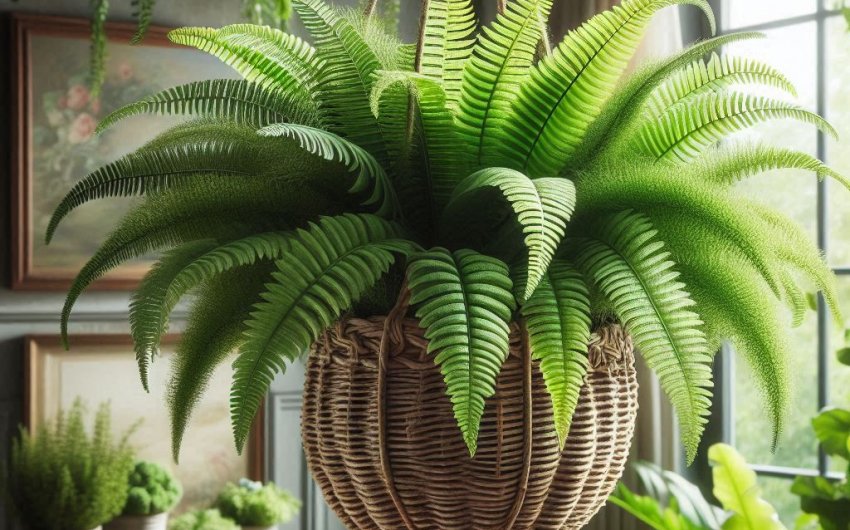
The Boston fern (Nephrolepis exaltata 'Bostoniensis') is a classic and beloved houseplant, cherished for its graceful, arching fronds and lush, vibrant green foliage that brings a touch of natural elegance to any indoor space. While famously beautiful, these ferns also have a reputation for being a bit particular, often leading new plant parents to wonder how to keep this lush indoor fern happy. The secret lies in understanding and consistently providing the high humidity and consistent moisture they crave, mimicking their tropical native habitat.
What is the Ideal Light for a Boston Fern?
Light is one of the most critical factors for keeping your Boston fern happy. These ferns are native to tropical and subtropical regions where they often grow on forest floors, receiving filtered or dappled sunlight rather than intense, direct sun.
1. Bright, Indirect Light (Ideal)
- Definition: This means the fern receives plenty of light, but it's not directly exposed to the sun's rays. The light is diffused by a sheer curtain, a building, or tree canopy outside.
- Best Placement:
- North or East-facing window: These windows typically provide ideal bright, indirect light throughout the day.
- South or West-facing window (with precautions): If placing near a south or west-facing window, ensure the fern is several feet away from the window, or that the light is filtered by a sheer curtain to prevent scorching.
- Benefits: Promotes lush, vibrant green fronds and steady growth without burning the delicate foliage.
2. Low Light (Tolerated, but Not Ideal)
- Definition: Less than 3 hours of direct sun, or very dim ambient light.
- Effects: While a Boston fern can tolerate lower light conditions for a short period, it will not thrive.
- Leggy Growth: Fronds may become stretched and sparse as the plant reaches for more light.
- Pale Color: The vibrant green may fade to a dull, paler shade.
- Stunted Growth: Overall growth will slow or cease.
- Increased Susceptibility: Weakened plants are more prone to pests and diseases.
- Recommendation: If your home only offers low light, consider supplementing with a LED Grow Light or choose a different, truly low-light tolerant houseplant.
3. Direct Sun (Harmful)
- Definition: Unfiltered sunlight directly hitting the fronds for more than a few hours.
- Effects: Boston ferns are very sensitive to direct sun.
- Scorched/Burned Fronds: Direct sun, especially hot afternoon sun, will quickly cause fronds to turn yellow, then brown and crispy, as if they've been scorched.
- Dehydration: Direct sun also rapidly dries out the potting mix, leading to constant water stress.
- Recommendation: Absolutely avoid placing your Boston fern in direct, unfiltered sunlight.
Tips for Optimizing Light:
- Rotate Regularly: Rotate your fern every week or two to ensure all sides receive even light exposure, promoting symmetrical growth.
- Observe Your Fern: Your fern will tell you if the light is wrong. If fronds are yellowing and crispy (but soil is moist), it might be too much sun. If it's leggy and pale, it needs more light.
- Dust Leaves: Regularly wipe dust off the fronds with a soft, damp cloth. Dust can block light absorption, hindering photosynthesis.
Providing the right light environment is foundational to how to keep this lush indoor fern happy, ensuring its characteristic vibrant green and full form.
How Often Should I Water My Boston Fern?
Watering is perhaps the most critical factor in keeping your Boston fern happy. These tropical plants demand consistent moisture, but also good drainage to prevent root rot. Getting the balance right is essential.
1. Consistent Moisture is Key (Not Soggy, Not Dry)
- Native Habitat: Boston ferns naturally grow in humid, often damp, environments. They are not drought-tolerant.
- Avoid Drying Out: The soil should never be allowed to dry out completely. If it does, fronds will quickly turn yellow, then brown and crispy, and may even drop.
- Avoid Soggy Soil: While they love moisture, constantly waterlogged or soggy soil will suffocate the roots, leading to root rot. Root rot manifests as yellowing, mushy fronds, wilting, and a foul smell from the soil, despite the soil being wet.
2. The "Feel Test" for Watering Frequency
There's no strict watering schedule (e.g., "every 3 days") because frequency depends on several factors: pot size and material, environmental humidity, temperature, and light levels.
- Method: Stick your finger about 1 inch (2.5 cm) deep into the potting mix.
- If it feels just barely damp or slightly dry: It's time to water.
- If it feels wet or soggy: Wait.
- Alternative: Use a Plant Moisture Meter for more precise readings. Aim for the "moist" but not "wet" range.
3. Watering Technique: Deep and Evenly
- Pour Slowly: Use a watering can with a rose (sprinkler head) or a gentle stream. Pour water slowly and evenly over the entire surface of the potting mix.
- Water Until Drainage: Continue watering until water begins to drain freely from the drainage holes at the bottom of the pot. This ensures the entire root ball is saturated.
- Empty Saucer: Do NOT let the pot sit in standing water in its saucer. Discard any excess water within 15-30 minutes. This prevents root rot.
- Bottom Watering (Occasional): If the potting mix has become very dry and seems to repel water, you can try bottom watering. Place the potted fern in a basin of water (about 1/4 to 1/2 the height of the pot) and let it soak for 20-30 minutes until the top of the soil feels moist. Then remove and let it drain completely.
4. Factors Affecting Watering Frequency:
- Pot Material: Terracotta pots are porous and allow water to evaporate through their sides, so ferns in terracotta will need more frequent watering than those in plastic or glazed ceramic pots.
- Pot Size: Smaller pots dry out faster.
- Temperature: Warmer temperatures increase water evaporation, requiring more frequent watering.
- Humidity: Higher humidity reduces evaporation from the soil and transpiration from the leaves, meaning less frequent watering.
- Light: More light (even indirect) encourages faster growth and more water usage.
- Season: Ferns will generally need more water during their active growing season (spring and summer) and less during fall and winter when growth slows.
Consistent and thoughtful watering is paramount to how to keep this lush indoor fern happy and prevent the common browning and crisping of fronds.
What is the Ideal Humidity for a Boston Fern?
Humidity is a non-negotiable requirement for keeping your Boston fern happy and vibrant. Originating from tropical rainforests, these ferns thrive in high atmospheric moisture, which is often sorely lacking in average indoor environments, especially during dry winter months with heating systems running.
1. Why High Humidity is Crucial
- Prevents Frond Browning: The most common symptom of insufficient humidity is crispy, brown frond tips and edges, or entire fronds drying up, even when the soil moisture is adequate. The plant loses water faster than its roots can absorb it from the dry air.
- Mimics Natural Habitat: In their native environment, Boston ferns benefit from nearly constant high humidity, allowing them to absorb some moisture directly from the air and preventing rapid water loss through their delicate fronds.
- Supports Lush Growth: Adequate humidity ensures fronds remain soft, pliable, and maintain their characteristic lush appearance.
- Pest Deterrent: Higher humidity can deter certain pests like spider mites, which thrive in hot, dry conditions.
2. Ideal Humidity Levels
- Boston ferns ideally prefer humidity levels above 50%, and even higher (60-70%) is often welcomed.
- Typical indoor humidity can drop to 20-30% in winter, which is far too low for these ferns.
3. Methods to Increase Humidity
Since most homes don't naturally meet a Boston fern's humidity needs, you'll need to employ some strategies.
- Pebble Tray (Highly Recommended):
- Place a layer of pebbles in a wide saucer or tray.
- Add water to the tray, ensuring the water level is below the bottom of the pot. The pot should sit on the pebbles, not directly in the water.
- As the water evaporates from the tray, it creates a small, localized zone of increased humidity around the plant.
- Humidifier:
- Dedicated Room Humidifier: This is the most effective way to consistently raise the overall humidity in a room, benefiting not just your fern but often other plants and even human occupants. A Small Room Humidifier can make a big difference.
- Benefits: Provides broad, consistent humidity without wetting foliage (which can lead to issues if air circulation is poor).
- Grouping Plants:
- Placing several plants together creates a microclimate where moisture released by each plant's transpiration contributes to a slightly higher overall humidity around the group.
- Ensure good air circulation within the group to prevent disease.
- Misting (Use with Caution):
- While misting provides a temporary boost of humidity, its effects are often very short-lived (minutes).
- Risks: If air circulation is poor, misting can leave water sitting on fronds for too long, encouraging fungal diseases (like powdery mildew) or bacterial leaf spots.
- Recommendation: Misting is generally less effective than pebble trays or humidifiers for long-term humidity. If you do mist, use distilled or filtered water to prevent mineral spots on fronds, and ensure good air circulation.
4. Avoid Harsh Drying Conditions
- Keep Away from Vents/Radiators: Heating and air conditioning vents or radiators blow very dry air directly onto plants, rapidly dehydrating them.
- Avoid Drafty Windows: Cold, dry drafts from leaky windows can also be detrimental.
By consistently maintaining high humidity levels, you address a primary need of your Boston fern, ensuring it remains lush, green, and a happy focal point in your home.
What is the Best Potting Mix and Pot for a Boston Fern?
Choosing the right potting mix and pot is fundamental to how to keep this lush indoor fern happy, as both directly impact the crucial balance of moisture and aeration that ferns require.
1. Potting Mix: Well-Draining and Moisture-Retentive
Boston ferns need a mix that holds consistent moisture but doesn't become waterlogged or compacted.
- Ideal Characteristics:
- Excellent Drainage: Prevents root rot by allowing excess water to flow out quickly.
- Moisture Retention: Holds enough water to keep roots consistently damp.
- Good Aeration: Allows oxygen to reach the roots.
- Recommended Components: A high-quality, general-purpose indoor potting mix is a good starting point. You can enhance it by adding:
- Peat Moss or Coco Coir: Increases moisture retention and aeration.
- Perlite or Vermiculite: Improves drainage and aeration, preventing compaction.
- Compost or Worm Castings: Adds gentle, slow-release nutrients and beneficial microbes.
- DIY Mix Example:
- 2 parts good quality indoor potting mix
- 1 part peat moss or coco coir
- 1 part perlite
- Avoid: Heavy garden soil or mixes designed for succulents/cacti (which drain too quickly).
- A good starting point for your mix is FoxFarm Ocean Forest Potting Soil.
2. Pot Material: Porous vs. Non-Porous
The material of your pot affects how quickly the potting mix dries out.
- Terracotta/Unglazed Ceramic Pots:
- Pros: Porous material allows water to evaporate through the sides, promoting excellent aeration and helping to prevent overwatering. Many fern enthusiasts prefer terracotta for this reason.
- Cons: Dries out faster, meaning you'll need to water more frequently. Can lead to crispy fronds if watering isn't consistent.
- Plastic or Glazed Ceramic Pots:
- Pros: Retain moisture longer, which can be beneficial for ferns that like consistent dampness. Less frequent watering.
- Cons: Can be more prone to overwatering and root rot if drainage is poor or you water too often.
- Hanging Baskets (often lined):
- Boston ferns are popular in hanging baskets due to their cascading fronds. Many baskets are lined with coco coir or sphagnum moss.
- Tip: These liners can dry out very quickly, especially in warmer or windier conditions. Monitor carefully and water frequently. You might need to water until excess drains, then water again a few minutes later, or even submerge the entire basket in a bucket of water to fully rehydrate the liner.
3. Pot Size and Drainage Holes
- Drainage Holes (Absolutely Essential!): Regardless of material, your pot MUST have at least one large drainage hole at the bottom. Without it, water will accumulate, suffocating roots and leading to root rot.
- Appropriate Size:
- Not Too Big: A pot that is too large holds excess soil, which retains more moisture than the roots can absorb, increasing the risk of overwatering and root rot.
- Not Too Small: A pot that is too small (root-bound) will dry out too quickly, requiring constant watering and stressing the plant.
- Guideline: When repotting, go up only 1-2 inches (2.5-5 cm) in pot diameter from the current pot.
By carefully selecting your potting mix and pot, you create the ideal environment for your Boston fern's roots, setting the stage for thriving, lush foliage.
How and When Should I Fertilize a Boston Fern?
Fertilizing plays a role in keeping your Boston fern happy, but it's important to approach it with caution. Ferns are generally not heavy feeders, and over-fertilization can quickly lead to more harm than good.
1. Less is More (Especially for Ferns)
- Sensitivity to Salts: Boston ferns are sensitive to the buildup of salts from fertilizers. Too much fertilizer can lead to leaf tip burn, yellowing, or even root damage (similar to "fertilizer burn" on lawns).
- Moderate Needs: They prefer a consistent, gentle supply of nutrients rather than large, infrequent doses.
2. Best Type of Fertilizer
- Balanced Liquid Fertilizer: Use a balanced liquid houseplant fertilizer (e.g., 10-10-10 or 20-20-20 NPK, or one formulated for foliage plants).
- Diluted Strength: This is the most crucial aspect. Always dilute the liquid fertilizer to 1/2 or even 1/4 strength of the recommended dosage on the label. A weaker solution applied more gently is much safer.
- Organic Options: Many fern enthusiasts prefer organic options like fish emulsion or compost tea, which provide nutrients in a gentler, more natural form and contribute to soil health. Always dilute these too.
- Consider a Miracle-Gro Indoor Plant Food applied at reduced strength.
3. When to Fertilize
- Growing Season Only: Fertilize only during the Boston fern's active growing season, which is typically spring and summer (March to September in most regions).
- No Fall/Winter Fertilization: Do not fertilize in fall or winter when the fern's growth naturally slows down. The plant won't be actively utilizing the nutrients, and they can build up in the soil, leading to salt burn.
- Avoid Stressed Plants: Never fertilize a plant that is already stressed (e.g., underwatered, overwatered, suffering from root rot, or infested with pests). Address the primary problem first and allow the plant to recover before reintroducing fertilizer.
4. How to Fertilize
- Water First: Always water your Boston fern thoroughly with plain water before applying diluted fertilizer. Never fertilize dry soil, as this can cause severe root burn.
- Apply Evenly: Pour the diluted fertilizer solution evenly around the base of the plant.
- Monitor Response: Observe your fern's response. If you see any signs of yellowing tips or burning, reduce the frequency or strength of future applications.
5. Managing Salt Buildup
Even with careful fertilization, salts can accumulate in the potting mix over time.
- Periodic Leaching: Every few months, thoroughly flush the potting mix with plain water. Water heavily until water drains freely for several minutes. This helps wash away excess mineral salts. Do this for 15-20 minutes under a faucet or in a shower.
- Repotting: Repotting every 1-2 years into fresh potting mix also helps eliminate accumulated salts and refreshes the growing medium.
By adopting a cautious and gentle approach to fertilization, you provide your Boston fern with the necessary nutrients without causing harm, contributing significantly to how to keep this lush indoor fern happy.
How and When Should I Prune and Repot a Boston Fern?
Pruning and repotting are essential maintenance tasks that contribute to how to keep this lush indoor fern happy, promoting healthy growth and preventing issues as the plant matures.
Pruning Your Boston Fern
Boston ferns don't require extensive pruning, but occasional trimming helps maintain their appearance and health.
- When to Prune:
- Anytime for Dead/Damaged Fronds: Remove yellow, brown, crispy, or otherwise damaged fronds as soon as you notice them. This is the most common reason to prune.
- To Tidy Up/Shape: If your fern is becoming unruly, too large, or has sparse areas, you can prune to improve its shape and encourage fuller growth.
- Before/After Dormancy (Optional): Some gardeners do a more substantial trim in late winter/early spring before new growth, or after a period of dormancy (if your fern naturally goes through one).
- How to Prune:
- Clean, Sharp Tools: Always use clean, sharp scissors or pruning shears to make clean cuts. This prevents damage and reduces the risk of disease.
- Cut at the Base: Follow the frond down to its base, where it emerges from the main crown of the plant. Cut as close to the crown as possible.
- Don't Over-Prune: Never remove more than 20-30% of the plant's foliage at one time, as this can shock the fern. Focus on the clearly unhealthy parts.
- Benefits:
- Improves Appearance: Removes unsightly dead or damaged fronds, making the plant look cleaner and healthier.
- Redirects Energy: The plant redirects energy from struggling fronds to new, healthy growth.
- Prevents Disease: Removes decaying plant material that could harbor fungal diseases or pests.
- Improves Air Circulation: Thinning out very dense areas can improve airflow, which is beneficial for ferns.
Repotting Your Boston Fern
Repotting provides fresh potting mix and more space for root growth, which is essential for a thriving fern.
- When to Repot:
- Root-Bound: The most common indicator. You'll see roots growing out of the drainage holes, circling tightly at the top of the soil, or the plant dries out very quickly despite consistent watering.
- Stunted Growth: If the plant's growth has significantly slowed or stopped, it might be due to depleted nutrients or lack of space in the current pot.
- Depleted Soil: After 1-2 years, potting mix naturally breaks down and loses its structure and nutrients. Repotting refreshes the growing medium.
- Spring/Early Summer: The best time to repot is during the active growing season (spring or early summer), allowing the plant to quickly establish new roots in its new home.
- How to Repot:
- Choose New Pot: Select a new pot that is only 1-2 inches (2.5-5 cm) larger in diameter than the current one. Ensure it has drainage holes.
- Prepare Potting Mix: Use fresh, well-draining, moisture-retentive potting mix suitable for ferns (as discussed in "What is the Best Potting Mix and Pot for a Boston Fern?").
- Gently Remove Fern: Carefully slide the fern out of its current pot. If it's stuck, gently squeeze the sides of a plastic pot or use a knife around the inner rim.
- Inspect and Loosen Roots: Gently loosen any circling or matted roots at the bottom and sides of the root ball. Trim off any soft, black, or mushy (rotted) roots with clean shears.
- Add New Soil: Place a layer of fresh potting mix at the bottom of the new pot.
- Position Fern: Center the fern in the new pot. The top of the root ball should be at the same level as it was in the old pot, with about 1 inch (2.5 cm) of space below the rim for watering.
- Fill with Soil: Fill around the root ball with more fresh potting mix, gently tamping it down to remove large air pockets.
- Water Thoroughly: Water the newly repotted fern deeply until water drains from the bottom. Discard excess water.
- Post-Repotting Care: Place the fern in its usual bright, indirect light spot. Avoid fertilizing for at least 4-6 weeks to allow it to recover from transplant shock.
By properly pruning and repotting, you actively support the long-term health and vitality of your Boston fern, ensuring it remains a lush, happy presence in your home.
What are Common Problems and How to Solve Them to Keep My Boston Fern Happy?
Even with the best intentions, Boston ferns can sometimes present challenges. Understanding common issues and their solutions is crucial for how to keep this lush indoor fern happy and resilient.
1. Brown, Crispy Frond Tips and Edges
This is the most frequent complaint from Boston fern owners.
- Causes:
- Low Humidity (Most Common!): Dry indoor air causes the fronds to lose moisture faster than the roots can supply it.
- Underwatering: Soil is allowed to dry out completely between waterings, leading to dehydration.
- Direct Sun: Scorching from intense, direct sunlight.
- Salt Buildup: Accumulation of mineral salts from tap water or over-fertilization.
- Drafts/Vents: Exposure to dry air from heating/AC vents.
- Solutions:
- Increase Humidity: Place on a pebble tray, use a humidifier, or group with other plants.
- Consistent Watering: Ensure the soil stays consistently moist, never bone dry. Water when the top inch of soil feels barely damp.
- Correct Light: Move away from direct sun.
- Flush Soil: Periodically flush the potting mix thoroughly with plain water to remove salt buildup.
- Relocate: Move away from drafts or vents.
- Recovery: Trim off the brown tips/fronds. They won't turn green again, but new healthy growth should emerge once conditions improve.
2. Yellowing Fronds
Yellowing can indicate several issues.
- Causes:
- Overwatering/Root Rot: Soil is constantly soggy, suffocating roots. Often accompanied by mushy stems.
- Underwatering (Severe): If left dry for too long, entire fronds can yellow before browning.
- Nutrient Deficiency: Especially if the fern hasn't been repotted or fertilized for a long time.
- Aging Fronds: Lower, older fronds naturally yellow and die off as the plant matures.
- Too Little Light: Overall pale yellowing with leggy growth.
- Solutions:
- Overwatering: Immediately stop watering. Check for root rot, prune diseased roots, and repot in fresh, well-draining soil if severe.
- Underwatering: Resume consistent, deep watering.
- Fertilize (Gently): If nutrient deficiency is suspected and other issues are ruled out, apply a diluted liquid fertilizer during the growing season.
- Prune: Remove naturally yellowing old fronds.
- Increase Light: Move to a brighter, indirect light location.
3. Wilting or Drooping Fronds
- Causes:
- Underwatering (Most Common): The plant is dehydrated and limp.
- Overwatering/Root Rot (Paradoxical Wilting): Roots are too damaged to absorb water, even in wet soil.
- Temperature Shock: Sudden cold drafts or extreme heat.
- Solutions:
- Underwatering: Water thoroughly and deeply. It should perk up within hours.
- Overwatering: Unpot, inspect for root rot, prune, and repot.
- Stable Temperatures: Move away from drafts and extreme temperature sources.
4. Sparse or Leggy Growth
- Causes:
- Too Little Light: Plant is stretching to reach light.
- Lack of Nutrients: Not enough energy for dense growth.
- Underwatering: Consistent dehydration inhibits robust growth.
- Solutions:
- Increase Light: Move to brighter, indirect light or add a grow light.
- Fertilize: Apply diluted liquid fertilizer during the growing season.
- Consistent Watering: Maintain proper moisture.
- Prune: Cut back leggy fronds to encourage bushier growth from the crown.
5. Pests (Scale, Mealybugs, Spider Mites)
While generally resistant, Boston ferns can get pests, especially if stressed.
- Causes: Often introduced from new plants or outdoor exposure. Dry conditions favor spider mites.
- Signs:
- Scale: Small, immobile, brown/black bumps on stems.
- Mealybugs: White, cottony masses in leaf axils.
- Spider Mites: Tiny specs, stippling on fronds, fine webbing.
- Solutions:
- Isolate: Immediately isolate the infested fern.
- Physical Removal: Wipe off visible pests with a cotton swab dipped in rubbing alcohol.
- Insecticidal Soap/Neem Oil: Spray thoroughly, covering all surfaces. Repeat every 7-10 days until resolved.
- Increase Humidity: For spider mites, increasing humidity can help deter them.
By actively monitoring your Boston fern and addressing these common problems with targeted solutions, you can keep your lush indoor fern happy and healthy for years to come.