
Brick Garden Edging Designs You Can DIY
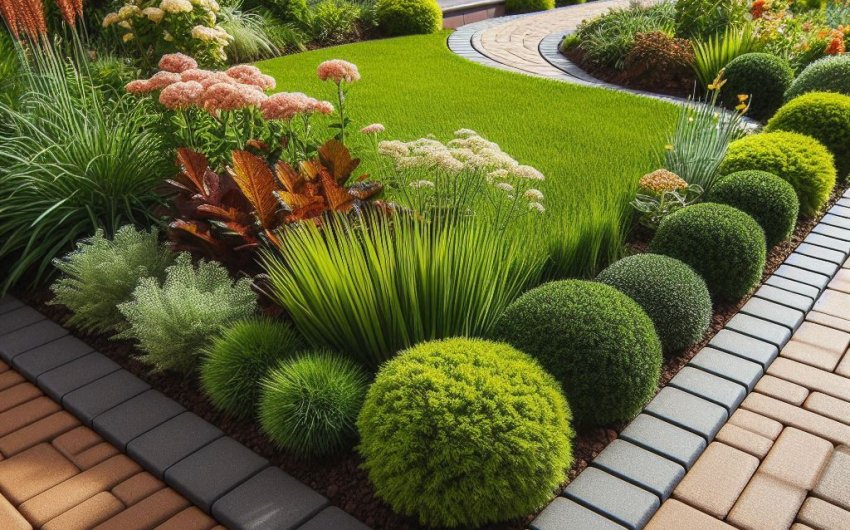
A well-defined garden bed can completely transform your outdoor space. It makes your lawn look neater, keeps mulch and soil in place, and prevents grass from creeping into your flowerbeds. While there are many materials you can use for garden edging, brick stands out as a classic, durable, and surprisingly versatile choice. The best part? Many brick garden edging designs are perfect for the DIY enthusiast!
This guide will walk you through various brick garden edging designs that you can tackle yourself. We'll explore different styles, offer practical tips for installation, and help you choose the right materials to create beautiful, long-lasting borders for your garden. Get ready to add some charming structure and curb appeal to your yard with these hands-on DIY brick edging projects!
Why Choose Brick for Your Garden Edging?
Before we dive into the specific designs, let's look at why brick is such a popular and excellent choice for garden edging.
Is Brick Edging Durable?
Absolutely! Brick is known for its incredible durability. It's a natural material that can withstand all kinds of weather, from freezing winters to scorching summers. Unlike some plastic or metal edgings that can crack, warp, or rust over time, brick will maintain its shape and integrity for many years. This means less worry about replacements and repairs, making it a great long-term investment for your garden.
Does Brick Look Good?
One of the biggest appeals of brick edging is its timeless and classic look. It adds a touch of elegance and old-world charm to any garden style, from rustic country gardens to formal landscapes. Bricks come in a variety of colors, from traditional reds and browns to more muted tones, allowing you to match your home's exterior or existing hardscaping. The rich texture and natural variations of brick add visual interest that plastic or other materials just can't replicate.
Is Brick Easy to Install for DIY?
Many brick garden edging designs are very DIY-friendly. While some more complex designs might require a bit more effort or specialized tools, basic installations can be done with simple hand tools and a bit of elbow grease. Unlike pouring concrete or laying large stone, bricks are manageable in size and weight, making them easier to handle for the average homeowner. You don't necessarily need a ton of experience to get a professional-looking result.
Can Brick Help with Weed Control?
Yes, a properly installed brick edge acts as a physical barrier that helps keep grass roots from invading your garden beds. This significantly reduces the amount of time you'll spend weeding. It also helps to contain mulch, soil, and decorative gravel within your garden beds, preventing them from spilling onto your lawn or pathways. This means cleaner lines and less maintenance overall.
What Are the Basic Types of Bricks for Edging?
Before you start designing, it's good to know the common types of bricks you might use for your garden edging.
Should I Use Standard Clay Bricks?
Standard clay bricks are what most people think of when they hear "brick." They're made from fired clay and are typically red, orange, or brown.
- Pros: Widely available, relatively inexpensive, classic look, and durable.
- Cons: Can chip or break if dropped. Might require sealing if you want to prevent moss or mildew buildup in very damp areas.
- Tip: Look for "hard-fired" or "paver bricks" for outdoor use, as they are more dense and less prone to crumbling from freeze-thaw cycles than softer, building-grade bricks.
What About Concrete Bricks or Pavers?
While not technically "clay bricks," many companies make concrete bricks or pavers that are brick-sized and mimic the look.
- Pros: Often more uniform in size and shape than clay bricks, which can make installation easier. Come in a wider range of colors and textures. Very durable. Can be very cost-effective.
- Cons: May not have the same natural charm as clay bricks.
- Tip: These are excellent for consistent lines and if you want a specific color that natural clay doesn't offer. You can find many styles of concrete pavers that mimic brick.
Can I Use Reclaimed Bricks?
Reclaimed bricks are old bricks that have been salvaged from demolition sites.
- Pros: Environmentally friendly (repurposing!), unique aged look with character, can be very affordable or even free if you find a good source.
- Cons: Can be inconsistent in size and shape, making installation trickier. May have mortar residue that needs cleaning.
- Tip: If you're going for a rustic or cottage garden style, reclaimed bricks are perfect. Just be prepared for a bit more effort in sorting and leveling.
Which Brick Edging Designs Can I DIY?
Now for the fun part – exploring different brick garden edging designs! These are listed from easiest to more involved, but all are generally DIY-friendly.
The Simple Single-Row Border (Easiest)
This is the most basic and arguably the quickest way to install brick edging. It’s perfect for a clean, subtle line.
- How it looks: Bricks are laid side-by-side in a single row, either flat or upright.
- Flat (Soldier Course): Lay bricks flat on their widest side. This creates a very low, unobtrusive edge. It's great for keeping mulch in place.
- Upright (Header Course): Stand bricks on their narrow edge, with the shortest side facing up. This creates a slightly taller, more visible border.
- DIY Steps:
- Dig a shallow trench: Roughly the width of your brick and deep enough so about half to two-thirds of the brick is buried, depending on your desired height.
- Level the trench: Use a spirit level and sand or gravel to create a level base.
- Lay bricks: Place bricks tightly together in the trench. Tap them gently with a rubber mallet to ensure they are level and snug.
- Backfill: Fill in around the bricks with soil or gravel to hold them firmly in place.
The Sawtooth or Serrated Edge (Charming)
This design adds a decorative, zigzag pattern that is both functional and visually appealing.
- How it looks: Bricks are placed upright and angled so they interlock, creating a "sawtooth" or "serrated" effect.
- DIY Steps:
- Dig a trench: Similar to the single-row border, but ensure it's wide enough for the angled bricks.
- Angle bricks: Begin by burying the end of one brick and angling it. Then, butt the next brick's end against the first and angle it the opposite way, creating the zigzag.
- Secure: Backfill tightly with soil or gravel to ensure the bricks are stable. This design is great for keeping grass out due to the depth of the angled bricks.
The Stacked Double Row (More Visual Impact)
This design uses two rows of bricks to create a more substantial and defined border.
- How it looks: One row of bricks is laid flat (like the soldier course), and a second row is laid directly on top, either flat or upright.
- DIY Steps:
- Install the first row: Follow the steps for the single-row flat border, ensuring it's very level and stable.
- Add a base (optional but recommended): For extra stability, especially for the second row, you can add a thin layer of paver sand or even a thin bead of landscape adhesive on top of the first row before placing the second.
- Lay the second row: Carefully place the second row of bricks directly on top of the first, making sure to align them well. You can offset them for a stronger bond (like bricks in a wall) or align them directly.
- Backfill: Fill around the base to secure.
The Mortared Edge (Most Permanent)
For the most durable and permanent brick garden edging, you can lay your bricks in mortar. This creates a solid, almost wall-like border.
- How it looks: Bricks are set in a bed of wet mortar and then mortared together, just like building a small wall.
- DIY Steps (more involved):
- Prepare a deep trench: Dig a trench about 6-8 inches deep and slightly wider than your bricks.
- Add a gravel base: Fill the bottom 2-3 inches with crushed gravel for drainage and compaction. Tamp it down firmly with a hand tamper.
- Lay a mortar bed: Mix mortar mix according to package directions and spread a 1-inch layer over your gravel base.
- Lay bricks in mortar: Set your bricks into the wet mortar, tapping them with a rubber mallet to level. Apply mortar between the bricks as you go. Use a masonry trowel for this.
- Finish joints: Once the mortar is slightly set, you can smooth the joints with a jointer tool for a clean look.
- Cure: Allow the mortar to cure fully before disturbing. This usually takes at least 24-48 hours.
- Tip: Mortaring is more complex. Watch some DIY masonry videos online before you start, and practice mixing mortar to get the right consistency.
Essential Tools and Materials for DIY Brick Edging
Having the right tools makes any DIY project smoother and more successful.
What Tools Will I Need?
- Shovel or Spade: For digging the trench.
- Trowel or Hoe: For fine-tuning the trench base and spreading sand/mortar.
- Rubber Mallet: To gently tap bricks into place and ensure they're level.
- Spirit Level (long and short): Crucial for ensuring your bricks are level both horizontally and along the line. A long level (2-4 feet) is great for checking multiple bricks at once.
- String Line and Stakes: To create a straight guide for your trench and bricks. You can get garden string and stakes.
- Tape Measure: For accurate measurements.
- Wheelbarrow or Bucket: For mixing sand/mortar and transporting materials.
- Garden Gloves: Protect your hands.
- Safety Glasses: If you're cutting bricks (though often not necessary for simple edging).
- Optional (for curves): A garden hose or flexible rope to lay out curves.
- Optional (for cutting bricks): A brick hammer or angle grinder with a masonry blade. For simple edging, you can often avoid cutting if you plan your lengths well.
What Materials Will I Need?
- Bricks: Count how many you need! Measure the total linear feet of your edging and divide by the length of one brick. Add about 10-15% extra for cuts or breakage.
- Sand or Gravel: For the base layer to create a level and stable foundation. Play sand or coarse sand works.
- Optional: Landscape Fabric: To place under the base layer to help prevent weeds from growing up through the bricks. You can find heavy duty landscape fabric.
- Optional (for mortared designs): Mortar mix and a jointer tool.
- Optional (for added stability): Landscape adhesive for stacking bricks without mortar.
Step-by-Step Guide for a Basic DIY Brick Edge (Soldier Course)
This is a great starting point for beginners and provides a clean, effective border.
Step 1: Plan and Mark Your Edging Line
- Draw it out: Sketch your garden bed shape.
- Mark the line: Use the string line and stakes to mark straight lines. For curves, lay out a garden hose or flexible rope to get the desired shape. This is your guide for digging.
- Clear the area: Remove any grass, weeds, or debris from where your trench will be.
Step 2: Dig the Trench
- Depth and Width: For a single-row soldier course (bricks laid flat), dig a trench that’s about 4-6 inches deep and slightly wider than your brick (around 5 inches for a standard brick).
- Consistency: Try to maintain a consistent depth throughout the trench.
- Check Level: Use your short spirit level to check the bottom of the trench periodically.
Step 3: Create a Stable Base
- Add Material: Spread a 1-2 inch layer of paver sand or fine gravel into the trench.
- Level and Compact: Use your trowel or a piece of wood to level the sand. Then, compact it firmly. A hand tamper works best, but you can also use a heavy piece of lumber.
- Re-check Level: Place your bricks on the sand to see how they sit. Adjust the sand depth as needed to ensure the top of the bricks will be at your desired height (usually just above ground level for easy mowing, or flush). Use your long spirit level to check for consistency along the entire line.
Step 4: Lay the Bricks
- Start at an End or Corner: Begin laying your bricks tightly together, end to end, in the trench.
- Tap into Place: Gently tap each brick with your rubber mallet to embed it firmly into the sand base and ensure it's level with its neighbors.
- Check Level Regularly: Use your spirit level frequently to check that each brick is level individually and that the entire line is straight and consistent. Make small adjustments to the sand underneath as needed.
- Curves: For curves, you may need to leave very small gaps between bricks or use smaller brick pieces to create the bend smoothly.
Step 5: Backfill and Finish
- Fill In: Once all bricks are laid, carefully backfill the trench on both sides of the bricks with soil, gravel, or extra sand.
- Compact: Lightly compact the backfill around the bricks to hold them firmly in place. You can use your feet or the side of your shovel.
- Clean Up: Brush away any excess dirt or sand from the top of the bricks.
- Water (optional): A light spray of water can help settle the sand and soil around the bricks.
Tips for Success and Common Challenges
Even the simplest DIY projects can present challenges. Here are some tips to help you succeed.
How Do I Make Curves Look Smooth?
- Flexible Guide: Use a garden hose or flexible rope to lay out your curve before digging.
- Small Gaps: For gentle curves, you can often lay bricks with very slight gaps between them. The backfill will secure them.
- Half Bricks: For tighter curves, you might need to use half bricks or smaller pieces to create a smoother radius. This will involve cutting bricks.
- Wedge Shape: Consider laying bricks with a slightly wedge-shaped gap on the inside of the curve to help them fan out smoothly.
What if My Ground Isn't Level?
- Adjust Trench Depth: This is where the sand base becomes crucial. If your ground slopes, you'll need to dig the trench deeper on the high side and shallower on the low side to ensure your bricks remain level.
- Step Downs: For significant slopes, you might need to create small "steps" in your brick edging, rather than trying to make a continuous level line. This means stopping one section, stepping down the trench, and starting the next section at a lower level.
How Do I Keep Grass from Growing Through?
- Deep Edging: Ensure your bricks are buried deep enough to block grass runners (at least 2-3 inches below the surface).
- Landscape Fabric: As mentioned, laying landscape fabric beneath your base layer can provide an extra barrier against tenacious weeds and grass.
- Overlap: If using overlapping designs, make sure there are no large gaps for grass to sneak through.
Should I Consider Drainage?
- Good Drainage is Key: If your garden bed tends to get waterlogged, ensure your brick edging doesn't create a dam. The sand/gravel base usually helps with this.
- Weep Holes (Mortared): If you're doing a mortared edge and anticipate heavy rainfall, you can create small weep holes (gaps in the mortar) at intervals along the base to allow water to drain out.
How Do I Maintain My Brick Edging?
- Clean Regularly: Brush off any dirt or debris from the bricks.
- Weed Around Edges: While brick edging helps, some weeds may still pop up right at the edge. Pull them by hand.
- Re-level as Needed: Over time, ground settling or heavy rain might cause a brick or two to shift. Simply remove the brick, re-level the sand underneath, and place it back. This is easy with non-mortared designs.
By following these tips and choosing a design that matches your DIY skill level, you can create stunning brick garden edging that adds beauty and function to your outdoor space for years to come. Enjoy your beautifully defined garden!