
Baking Soda Tricks to Boost Hydrangea Blooms
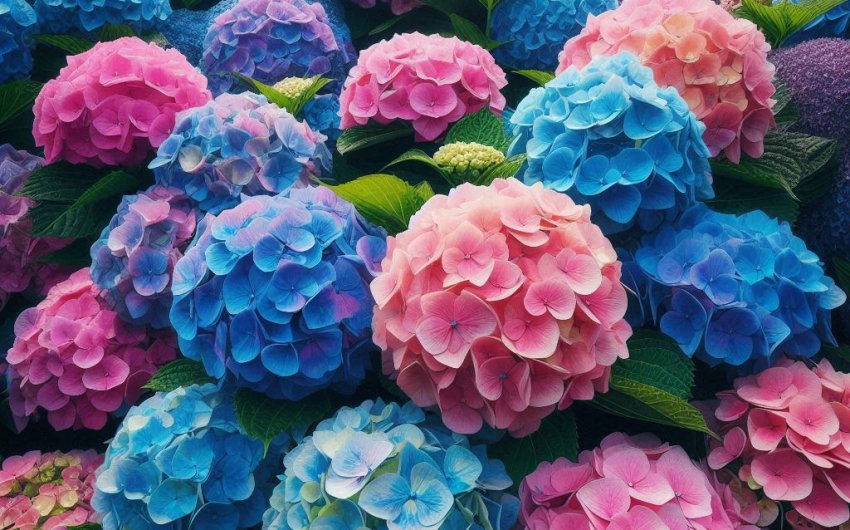
Few flowers bring as much joy and color to a garden as hydrangeas. Their big, beautiful blooms can transform any space into a vibrant wonderland. But sometimes, despite your best efforts, your hydrangeas might not be blooming as much as you'd like, or their colors aren't as brilliant. What if we told you a common kitchen staple – baking soda – might hold some secrets to unlocking more spectacular blooms?
Yes, baking soda! It's not just for baking cookies or cleaning. In the gardening world, it's becoming a buzzy topic, especially for hydrangea enthusiasts. This guide will dive deep into the fascinating ways baking soda can potentially boost your hydrangea blooms. We’ll cover how it works, how to use it safely, and what to expect. Get ready to experiment and hopefully see your hydrangeas burst into even more glorious color!
Can Baking Soda Really Affect Hydrangea Blooms?
It might sound surprising, but baking soda can indeed play a role in influencing your hydrangea blooms. The key lies in its chemical properties and how it interacts with soil pH.
What is Soil pH and Why Does it Matter for Hydrangeas?
Soil pH is a measure of how acidic or alkaline (basic) your soil is. The scale goes from 0 to 14:
- Below 7.0: Acidic
- 7.0: Neutral
- Above 7.0: Alkaline (or basic)
For hydrangeas, soil pH is incredibly important because it directly affects the color of certain varieties, especially Bigleaf Hydrangeas (Hydrangea macrophylla).
- Acidic Soil (pH 5.5-6.0): Encourages blue hydrangea blooms.
- Alkaline Soil (pH 6.0-7.0): Promotes pink hydrangea blooms.
- Neutral Soil: Often results in purplish or mixed colors.
Beyond color, the right soil pH helps hydrangeas absorb nutrients properly from the soil, which is vital for strong growth and abundant blooms. If the pH is too far off, the plant can't get what it needs, leading to weaker growth and fewer flowers.
How Does Baking Soda Influence Soil pH?
Baking soda, scientifically known as sodium bicarbonate, is naturally alkaline. When you introduce baking soda to your soil, it works to increase the soil pH, making it more alkaline. This is where the magic happens for those who want to encourage pink hydrangea blooms. By slightly raising the pH, baking soda can help shift the color balance.
It’s important to note that this method is most effective for Bigleaf Hydrangeas (also called Mophead or Lacecap hydrangeas) because their color is directly tied to aluminum availability in the soil, which is controlled by pH. Other types, like Oakleaf, Smooth (Annabelle), or Panicle (PeeGee) hydrangeas, typically do not change color with pH shifts.
Can Baking Soda Help with Other Hydrangea Problems?
Beyond color, some gardeners suggest baking soda can offer other benefits.
- Fungal Issues: Some believe a very dilute baking soda solution can act as a mild fungicide against powdery mildew, a common issue for many plants, including hydrangeas. However, this is more of a preventative measure or very early treatment and should be used with caution, as too much can harm the plant.
- General Health: By helping to balance pH, baking soda can indirectly contribute to healthier roots and better nutrient uptake, leading to a stronger plant overall, which in turn supports more vigorous blooming.
How to Use Baking Soda for Pink Hydrangea Blooms
If your goal is to achieve beautiful pink hydrangea blooms, baking soda can be a part of your strategy. Remember, patience and observation are key!
What’s the Right Ratio for Soil Application?
The most common way to use baking soda for color change is by applying it to the soil to raise the pH.
- The Recipe: Mix 1 tablespoon of baking soda with 1 gallon of water.
- How to Apply: Water your hydrangea with this solution around the base of the plant.
- Frequency: Apply once every 2-4 weeks, starting in early spring before blooms fully develop.
- Caution: Always start with a small amount and observe your plant. Too much baking soda can rapidly increase salinity in the soil (too much salt), which can be harmful to your plant. Avoid applying directly to foliage.
When is the Best Time to Apply Baking Soda?
Timing is important for color manipulation.
- Early Spring: Begin applications in early spring, as your hydrangeas are just starting to put on new growth and before the buds have fully formed. The soil pH needs to change before the plant sets its bloom color.
- During Bloom: Once your hydrangeas are in full bloom, changing the pH will not change the color of the current blooms. It will only affect the blooms of the next season.
How Long Does It Take to See Results?
Changing soil pH is not an instant process.
- Gradual Change: Expect the change to be gradual. It might take a few weeks or even months for the plant to absorb the altered minerals.
- Next Season's Blooms: For significant color changes, you might not see the full effect until the following blooming season, as the plant needs time to take up the aluminum (or lack thereof) from the soil at the new pH.
What Other Factors Affect Pink Hydrangea Color?
While baking soda helps, it's part of a larger picture for vibrant pinks.
- Lime: For a stronger effect on increasing soil alkalinity and promoting pinks, many gardeners use garden lime (calcium carbonate). This is a more traditional and often more effective method than baking soda alone, but it also needs careful application according to soil test results.
- Phosphorus-Rich Fertilizer: Fertilizers high in phosphorus (the middle number in N-P-K, e.g., 10-30-10) can help encourage pinks by making aluminum less available to the plant, even in acidic soils. Look for a high phosphorus fertilizer.
- Potting Soil: If your hydrangea is in a pot, it’s easier to control the soil pH. Use a potting mix with a neutral or slightly alkaline pH.
- Genetics: Always remember, not all hydrangeas can change color. Some white varieties will always stay white, and some cultivars are bred to be consistently pink or blue regardless of pH. Know your hydrangea variety!
How to Use Baking Soda for Blue Hydrangea Blooms (Indirectly)
This might sound like a contradiction since baking soda is alkaline and makes soil less acidic (which promotes pinks). However, understanding its role in soil pH helps clarify its indirect use.
Why Do Blue Hydrangeas Need Acidic Soil?
Blue hydrangea blooms are formed when the plant can absorb aluminum from the soil. Aluminum is more readily available to hydrangeas in acidic soil (pH 5.5-6.0). If your soil is too alkaline, the aluminum gets "tied up" and the plant can't take it in, resulting in pink or purple blooms instead of blue.
How Can Baking Soda Help Maintain Acidity?
This is where it gets a bit nuanced. If you accidentally apply too much alkaline material (like too much compost or if your water is naturally high in alkalinity) and your traditionally blue hydrangeas start turning pinkish, a tiny amount of baking soda (very diluted, perhaps 1/2 tablespoon per gallon, or even less) could be used to test the water or soil's existing alkalinity if you don't have a pH test kit. However, this is largely impractical.
The more practical way baking soda relates to blue hydrangeas is to avoid using it on them if you want blue blooms! Since it raises pH, applying baking soda to a plant you want to keep blue would work against your goal.
What are the Best Ways to Get Blue Hydrangea Blooms?
Instead of baking soda, focus on these proven methods for blue hydrangeas:
- Lower Soil pH: Add soil acidifiers like garden sulfur or aluminum sulfate to your soil. Be careful with aluminum sulfate as too much can burn roots; follow package directions precisely. You can find aluminum sulfate at garden centers.
- Acid-Loving Fertilizer: Use a fertilizer specifically designed for acid-loving plants, often labeled for rhododendrons or azaleas. These fertilizers are formulated to help maintain lower pH levels.
- Add Organic Matter: Incorporate pine needles, coffee grounds, or peat moss into the soil. These materials decompose and release acids, slowly lowering the pH over time.
- Rainwater: If your tap water is alkaline (often the case in areas with hard water), using rainwater harvesting barrels can help maintain a lower soil pH for your blue hydrangeas.
Important Safety and Application Tips for Using Baking Soda
While baking soda is generally safe around the house, using it in the garden requires care and moderation. Too much of a good thing can quickly become harmful.
Is Baking Soda Safe for All Plants?
No! Baking soda is not a universal garden remedy. Its alkaline nature means it can alter soil pH and, if used incorrectly or in excess, can lead to sodium buildup (salt toxicity) in the soil.
- Sodium Buildup: High levels of sodium can burn plant roots, cause leaves to yellow or brown at the edges, and stunt growth. It can also make it difficult for plants to absorb water, even if the soil is moist.
- Caution with Other Plants: Avoid applying baking soda solutions to plants that prefer acidic soil (like azaleas, rhododendrons, blueberries, camellias).
How Do I Test My Soil pH?
Before trying any method to change your soil pH, it’s always best to know your starting point.
- DIY Kits: You can buy simple soil pH test kits online or at garden centers. These are usually easy to use and give you a general idea.
- Professional Test: For the most accurate results, send a soil sample to your local agricultural extension office. They provide detailed reports, including pH and nutrient levels, often for a small fee. This is especially recommended before making significant soil amendments.
What’s the Importance of Dilution?
Dilution is critical when using baking soda for plants.
- Concentration: Never apply dry baking soda directly to the soil or foliage. It is far too concentrated and will cause damage.
- Proper Mixing: Always dissolve it thoroughly in water to ensure even distribution and reduce the risk of concentrated pockets that could harm roots.
- Less is More: When in doubt, use less baking soda than recommended. You can always add more, but you can't easily remove it once applied.
How Can I Avoid Damaging My Hydrangeas?
Follow these guidelines to protect your precious blooms:
- Water First: Always water your hydrangea thoroughly with plain water before applying any baking soda solution. This helps to dilute the solution further and reduces the risk of root burn.
- Apply to Soil, Not Leaves: Avoid spraying baking soda solution directly onto the leaves or flowers, especially in strong sunlight. This can cause leaf burn. Focus the application on the soil around the plant’s drip line (the outer edge of its branches).
- Monitor Your Plant: After each application, carefully observe your hydrangea for any signs of stress, such as yellowing leaves, drooping, or browning edges. If you see these signs, stop using baking soda immediately and flush the soil with plenty of plain water to leach out any excess sodium.
- Don't Overdo It: Do not apply baking soda solution more frequently than recommended. Frequent applications can quickly lead to harmful levels of alkalinity and salinity.
Other Essential Tips for Boosting Hydrangea Blooms
While baking soda can play a supporting role, remember that overall hydrangea care is the most important factor for abundant and beautiful blooms.
What Are Hydrangeas' Basic Needs?
Meeting these fundamental needs ensures a healthy plant that can produce plenty of flowers.
- Sunlight: Most hydrangeas prefer morning sun and afternoon shade, especially in hotter climates. Too much direct sun can scorch leaves and reduce blooms. Too much shade can lead to leggy growth and fewer flowers.
- Water: Hydrangeas are notoriously thirsty plants. They need consistent moisture, especially during dry spells and when they are blooming. Water deeply, encouraging roots to grow deeper. A soaker hose can be very effective.
- Soil: They thrive in well-draining, rich soil with plenty of organic matter. Heavy clay soil can hold too much water, leading to root rot. Sandy soil can drain too quickly, requiring more frequent watering. Amending your soil with compost can improve its structure.
How Important is Fertilizing Hydrangeas?
Proper fertilization provides the nutrients your hydrangeas need to grow strong and produce vibrant blooms.
- Balanced Fertilizer: Use a balanced slow-release fertilizer in early spring. Avoid too much nitrogen (the first number in N-P-K), as this promotes leafy growth at the expense of flowers.
- Bloom Boosters: Once the plant starts to bud, you can switch to a bloom booster fertilizer which is higher in phosphorus.
- Follow Directions: Always follow the fertilizer package instructions carefully. Over-fertilizing can damage your plants.
When Should I Prune My Hydrangeas?
Pruning is crucial, but the timing depends on the hydrangea variety.
- Old Wood Bloomers (Bigleaf, Oakleaf): These bloom on last year's wood. Prune immediately after they finish blooming in summer. Pruning too late in the season (fall or spring) will remove next year's flower buds.
- New Wood Bloomers (Smooth 'Annabelle', Panicle 'PeeGee'): These bloom on the current year's wood. Prune in late winter or early spring before new growth begins. You can prune these more aggressively.
- Reblooming Hydrangeas ('Endless Summer', 'BloomStruck'): These varieties bloom on both old and new wood. They are more forgiving with pruning, but it's still best to do major pruning in late winter/early spring and light deadheading throughout the season.
- Deadheading: Remove spent blooms (deadheading) to encourage the plant to put energy into new flower production rather than seed production.
Why is Mulching Important?
Mulching helps maintain consistent soil moisture and temperature, which hydrangeas love.
- Moisture Retention: A 2-3 inch layer of organic mulch (like shredded bark, pine needles, or compost) around the base of the plant helps the soil retain water, reducing the need for frequent watering.
- Temperature Regulation: Mulch insulates the soil, keeping it cooler in summer and warmer in winter.
- Weed Suppression: It also helps suppress weeds, which compete with your hydrangeas for water and nutrients.
- Nutrient Release: As organic mulch breaks down, it slowly releases nutrients into the soil.
By understanding your hydrangeas' needs and using baking soda as a careful tool for specific color adjustments, you'll be well on your way to enjoying a season full of truly breathtaking blooms. Happy gardening!