
Cheap Fence Ideas That Look Amazing
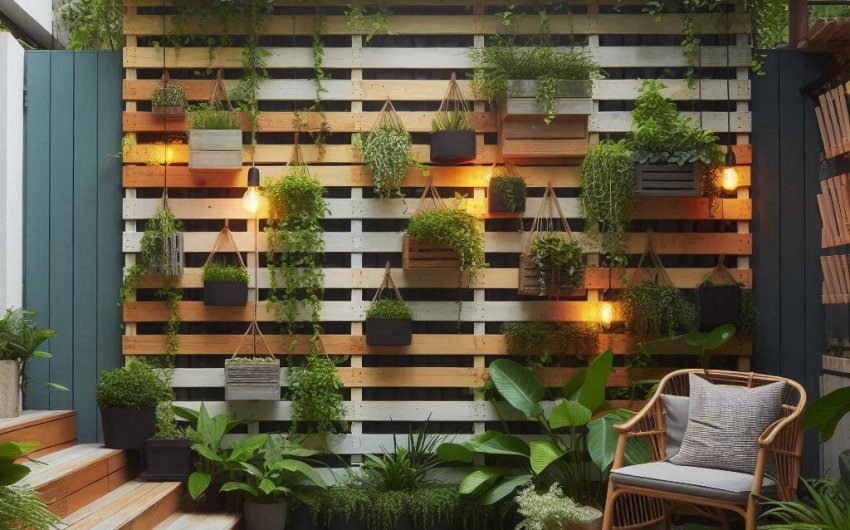
A fence does so much for your yard: it adds privacy, boosts security, defines your property lines, and can even become a beautiful backdrop for your garden. But let's be honest, getting a new fence can be super expensive. Professional fence installation, especially for long stretches, can quickly eat into your home improvement budget.
The good news is, you don't have to spend a fortune to get a fence that looks fantastic. With a little creativity, some smart material choices, and a willingness to DIY, you can find many cheap fence ideas that look amazing. This guide will explore various budget-friendly fencing options, from clever repurposed materials to simple, stylish designs you can build yourself. Get ready to transform your outdoor space without breaking the bank!
Why Opt for Cheap Fence Ideas?
Choosing a cheap fence idea isn't just about saving money; it's about smart solutions and often, unique aesthetics.
Can a Cheap Fence Still Be Durable?
Absolutely! "Cheap" doesn't have to mean flimsy or short-lived. Many budget-friendly fence materials, when installed correctly and maintained, can be surprisingly durable. For example, pressure-treated wood, while inexpensive, is designed to resist rot and insects for many years. Repurposed materials like pallets, if properly treated and cared for, can also have a long life. The key is in the preparation and installation, not necessarily the initial cost of the material.
Do Budget Fences Limit Design Options?
Not at all! In fact, going the budget-friendly route often opens up a world of creative possibilities. You're not tied to standard, expensive fencing panels. Instead, you can experiment with different patterns, colors, and combinations of materials. This allows you to create a truly unique fence that reflects your personal style, whether you're aiming for a rustic, modern, eclectic, or traditional look. Often, the most interesting fences are those born from ingenuity and resourcefulness.
Is DIY Fencing Manageable for Beginners?
Many cheap fence ideas are perfect for DIY enthusiasts, even those with limited experience. Simpler designs, such as basic post-and-rail or horizontal slat fences, require only fundamental carpentry skills and common tools. Building these types of fences can be a rewarding project, allowing you to learn new skills and gain a sense of accomplishment. Plus, doing it yourself is one of the biggest ways to cut down on costs, as labor is often a significant portion of fencing expenses.
Can a Cheap Fence Still Provide Good Privacy?
Yes, a budget-friendly fence can definitely provide the privacy you need. While picket fences are charming, they don't offer much seclusion. However, many inexpensive materials can be installed in a way that creates a solid barrier. Think about closely spaced vertical slats, horizontal boards with minimal gaps, or even creative screens that block views without feeling too closed in. We'll explore these options in the design section.
What Are the Best Budget-Friendly Fence Materials?
The foundation of any cheap fence idea is choosing the right materials. Here are some of the most cost-effective options that can still deliver amazing results.
Is Pallet Wood a Good Option for Fencing?
Pallet wood is often free or very low-cost, making it one of the most budget-friendly fence materials available. You can find pallets from local businesses, construction sites, or even through online classifieds.
- Pros: Extremely cheap or free, eco-friendly (repurposing waste), offers a rustic or industrial look.
- Cons: Requires effort to dismantle pallets (which can be hard work and needs specific tools like a pallet buster). Wood quality varies, some pieces might be damaged or splintered. Needs cleaning and often sanding. You must ensure the pallets are safe (look for "HT" for heat-treated; avoid "MB" for methyl bromide).
- Design Tip: Pallets can be used whole, stacked, or dismantled for individual planks.
What About Pressure-Treated Lumber?
Pressure-treated lumber is a common and relatively cheap fence material. It's wood that has been infused with chemicals to prevent rot, decay, and insect infestation, making it ideal for outdoor use.
- Pros: Affordable, widely available at home improvement stores, durable against weather and pests, easy to work with.
- Cons: Can be heavy. May have a greenish tint when new. Needs sealing or staining periodically to maintain its appearance and further extend its life.
- Design Tip: Great for building traditional picket fences, horizontal slat fences, or simple privacy fences. You can find pressure-treated fence posts and boards.
Can I Use Chain Link Fence and Decorate It?
A basic chain link fence is one of the most inexpensive and quick-to-install fencing options. While not the most aesthetically pleasing on its own, it offers a fantastic base for budget-friendly fence ideas that look amazing.
- Pros: Very affordable, easy to install for DIYers, provides security without blocking views.
- Cons: Not aesthetically appealing by itself. Offers no privacy.
- Design Tip: This is where the creativity comes in! You can weave privacy slats through it, grow climbing plants on it, or even attach repurposed materials to create a unique screen.
Are Old Doors or Shutters a Good Fencing Material?
Salvaged materials like old doors or shutters can be surprisingly effective and stylish for creating unique fence panels or privacy screens.
- Pros: Often free or very cheap from salvage yards, antique stores, or online classifieds. Adds incredible character and a vintage or eclectic look. Environmentally friendly.
- Cons: Might need cleaning, stripping, or painting. Inconsistent sizes might require careful planning. Limited availability.
- Design Tip: Best for shorter fence sections or as decorative elements within a larger fence structure.
What About Living Fences (Hedges)?
A living fence, or hedge, is a row of plants grown closely together to form a barrier. While it takes time to grow, the initial cost of plants can be very budget-friendly compared to traditional fencing.
- Pros: Eco-friendly, beautiful, provides natural privacy and habitat for wildlife, no painting or staining needed.
- Cons: Takes time to grow to desired height/density. Requires regular trimming and maintenance. Some plants are deciduous and lose leaves in winter, reducing privacy.
- Design Tip: Choose fast-growing, dense shrubs or trees. Good options include privet, arborvitae, boxwood (for lower fences), or certain types of bamboo (use clumping varieties like Fargesia to prevent spreading).
Amazing Cheap Fence Designs You Can DIY
Now that you know your materials, let's look at some cheap fence ideas that can truly elevate your yard's aesthetic.
1. The Simple Horizontal Slat Fence (Modern & Clean)
This is one of the most popular DIY fence ideas because it's relatively easy to build and offers a clean, modern look.
- Materials: Pressure-treated 2x4s for posts and horizontal fence pickets or 1x4/1x6 lumber for slats.
- How it looks: Horizontal boards are attached to vertical posts. You can leave small gaps between the boards for a semi-private look, or place them tightly together for full privacy.
- Why it's cheap: Uses standard lumber sizes, minimal cuts, and simple construction.
- Styling Tip: Paint it a bold color (like black or dark gray) for a sleek, contemporary vibe, or stain it for a natural, rustic feel.
2. Pallet Fence (Rustic & Repurposed)
If you're willing to put in the effort to source and dismantle pallets, you can create a truly unique and cheap fence.
- Materials: Disassembled pallet wood planks, pressure-treated posts for support.
- How it looks: You can arrange the planks vertically, horizontally, or even in a staggered pattern. The varied wood tones and imperfections add character.
- Why it's cheap: Materials are often free!
- Styling Tip: Sand the wood to remove splinters, then stain it for a cohesive look, or paint it bright colors for a fun, eclectic feel. Attach vertical gardens or string lights to enhance the aesthetic.
3. Wire Mesh or Trellis with Climbing Plants (Natural & Green)
Combine an inexpensive wire base with the beauty of a living fence for an enchanting and cheap fence idea.
- Materials: Galvanized wire mesh, simple wood posts, and fast-growing climbing plants.
- How it looks: The wire acts as a trellis, allowing vines like clematis, honeysuckle, climbing roses, or ivy to grow and cover the fence, creating a lush green wall.
- Why it's cheap: Wire mesh is less expensive than solid panels, and plants, while needing time, are generally affordable.
- Styling Tip: Choose flowering vines for seasonal color, or evergreen vines for year-round privacy. Add solar string lights for a magical evening glow.
4. Recycled Wood Panels (Unique & Eclectic)
Scour salvage yards, demolition sites, or even Facebook Marketplace for discarded wood pieces that can be repurposed.
- Materials: Old fence panels, deck boards, broken furniture pieces, or reclaimed lumber.
- How it looks: Each piece tells a story, creating a unique, patchwork effect. You can arrange them randomly or in a more structured design.
- Why it's cheap: Materials are often free or very low cost.
- Styling Tip: Clean and treat the wood. You can paint all the pieces one uniform color for a modern look, or leave them natural for rustic charm. This is excellent for creating a focal point or a short privacy screen.
5. Bamboo Fence (Exotic & Eco-Friendly)
If you live in an area where bamboo thrives, you can grow your own, or purchase bundles of bamboo poles.
- Materials: Bamboo poles (check local garden centers or online), wire, and sturdy posts.
- How it looks: Creates an instant exotic, tropical, or minimalist look. The natural texture and color of bamboo are very appealing.
- Why it's cheap: If you can harvest your own (ensure it's clumping, not running bamboo!), it's free. Purchased poles are still relatively affordable.
- Styling Tip: Bundle bamboo vertically or weave it horizontally. Consider varying pole sizes for added interest.
6. Picket Fence from Repurposed Materials (Charming & Classic)
A classic picket fence doesn't have to be expensive.
- Materials: Repurposed wood (like pallet planks cut to size), old pieces of furniture, or even long branches.
- How it looks: The charming, open design is iconic. You can vary the height of the "pickets" for a whimsical look.
- Why it's cheap: Uses salvaged materials and requires minimal shaping.
- Styling Tip: Paint it crisp white for a traditional look, or bright pastels for a playful cottage garden feel. This is perfect for defining garden areas or front yard borders.
Key Steps for DIY Fence Installation on a Budget
No matter which cheap fence idea you choose, some basic steps are universal for a successful DIY fence project.
1. Plan Your Fence
- Measure: Accurately measure the length of your desired fence. This helps you calculate material needs.
- Check Regulations: Before digging or building, check local zoning laws and homeowner association rules regarding fence height, setbacks, and materials.
- Call 811: Call 811 (the national call-before-you-dig number) a few days before you start to have underground utility lines marked. This is crucial for safety.
- Sketch Design: Draw a simple sketch of your fence plan, including post locations and gate placement.
2. Gather Your Tools
- Digging Tools: Post-hole digger or shovel.
- Measuring Tools: Tape measure, string line, level.
- Cutting Tools: Circular saw or hand saw.
- Fastening Tools: Cordless drill with appropriate bits, hammer, galvanized screws or nails.
- Safety Gear: Gloves, safety glasses.
3. Set the Posts
- Dig Holes: Dig holes for your fence posts, typically 2-3 feet deep, and about 8-12 inches wide. The depth should be at least 1/3 of the post's above-ground height.
- Add Gravel: Put a few inches of gravel at the bottom of each hole for drainage.
- Place Posts: Set each post in its hole. Use the string line to ensure they are aligned, and a level to make sure they are perfectly plumb (straight up and down).
- Concrete or Dirt: For maximum stability, fill the holes with quick-setting concrete mix (follow package directions). If a very sturdy fence isn't critical, you can backfill with compacted dirt and gravel. Allow concrete to cure before adding fence panels.
4. Attach Fence Sections or Slats
- Rails/Framework: For most slat or panel fences, you'll first attach horizontal "rails" between your posts. These provide the framework for your fence material. Use galvanized deck screws for durability.
- Attach Material: Now, attach your chosen fence material (pallets, slats, wire mesh) to these rails or directly to the posts. Use appropriate fasteners and ensure consistent spacing if applicable.
- Check Level & Plumb: Periodically step back and check that your fence sections are level and plumb as you go.
5. Finish and Maintain
- Clean Up: Remove any debris from the construction.
- Seal/Stain/Paint: Protect your wood fence from the elements. Apply a good quality wood sealer, deck stain, or exterior paint. This step is crucial for longevity and aesthetics, especially for cheap wood fences.
- Regular Maintenance: Periodically inspect your fence for loose boards, damaged sections, or signs of rot/pests. Address any issues promptly to extend its life.
With these cheap fence ideas that look amazing and a willingness to DIY, you can create a beautiful, functional, and budget-friendly fence that enhances your outdoor living space. Get creative, stay safe, and enjoy your new, fantastic fence!