
Bring the Tropics Indoors: How to Care for Tropical Plants Indoors
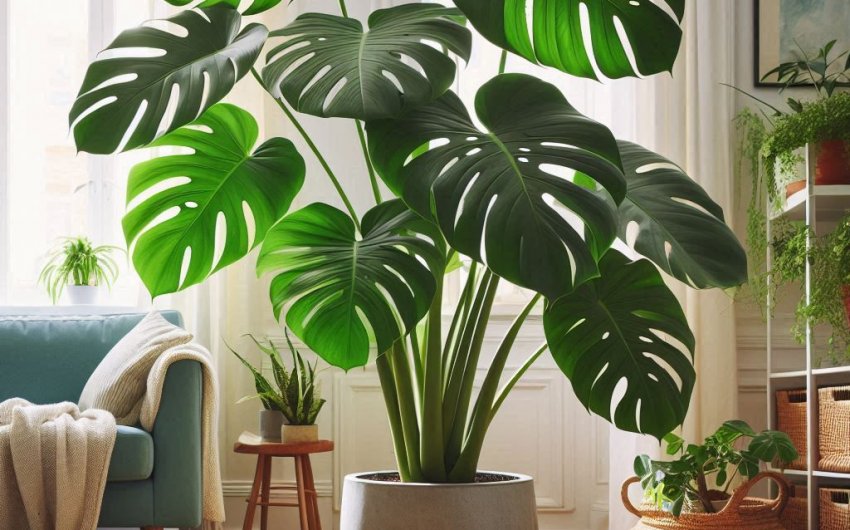
Learning how to care for tropical plants indoors can transform your living space into a lush, vibrant oasis. These beautiful green companions, hailing from warm, humid climates, bring unique foliage, sometimes stunning flowers, and a calming presence to any room. While their needs might seem specific, understanding their native environments will guide you in providing the ideal conditions for them to flourish within your home.
What Are Tropical Plants and Why Grow Them Indoors?
Tropical plants are diverse species that naturally grow in regions near the Earth's equator, characterized by warm temperatures, high humidity, and consistent rainfall. When you're learning how to care for tropical plants indoors, you're essentially trying to mimic these native conditions within your home.
Characteristics of Tropical Climates:
- Warm Temperatures: Generally, temperatures stay above 60°F (15°C) year-round.
- High Humidity: Often 60% or higher.
- Consistent Moisture: Regular rainfall, leading to consistently moist but well-draining soil.
- Varying Light: From bright, filtered light under a dense canopy to direct sun in open clearings.
Why Grow Them Indoors?
- Aesthetic Appeal: Tropical plants boast incredible diversity in foliage shape, size, color, and texture. They can add a bold, dramatic statement or a subtle touch of green, instantly enhancing home decor.
- Air Purification: Many tropical plants are excellent at filtering indoor air, removing common toxins like formaldehyde, benzene, and trichloroethylene.
- Boost Mood and Well-being: Studies suggest that being around plants can reduce stress, improve focus, and boost overall mood. Their vibrant green can create a calming atmosphere.
- Natural Humidity Boost: Grouping tropical plants together can slightly raise the humidity in a localized area, which is beneficial for both the plants and sometimes for people, especially in dry winter months.
- Connection to Nature: For those living in urban areas or colder climates, indoor tropical plants provide a constant connection to the natural world.
- Year-Round Enjoyment: Unlike outdoor gardens, tropical plants offer lush greenery and beauty no matter the season outside.
By understanding their origins, you'll be better equipped to provide the specific care they need to thrive in an indoor environment.
What are the Light Requirements for Tropical Plants Indoors?
Light is arguably the most crucial factor when learning how to care for tropical plants indoors. Replicating the light conditions of their native habitat, where they grow beneath or within a dense canopy, is essential for their growth and health.
Understanding Indoor Light:
Indoor light is vastly different from outdoor light. Even a bright window is significantly less intense than outdoor shade.
- Direct Sun: Unfiltered sun rays hitting the plant for several hours a day. Usually from south or west-facing windows.
- Bright Indirect Light: Bright, consistent light without direct sun rays hitting the leaves. Often found near east-facing windows, or a few feet away from south/west-facing windows. This is the ideal for most tropical houseplants.
- Medium Light: Noticeably less bright than indirect light. Found in the middle of a room with bright windows, or near north-facing windows.
- Low Light: Dim areas, far from windows. Few tropical plants truly "thrive" in low light; most merely "survive."
General Guidelines for Most Tropical Plants:
The vast majority of common tropical houseplants (like Monstera, Pothos, Philodendron, Fiddle Leaf Fig, Prayer Plant, most ferns) prefer bright, indirect light.
- Too Little Light:
- Symptoms: Leggy growth (stems stretching out with sparse leaves), smaller leaves, lack of variegation (if applicable), stunted growth, yellowing lower leaves, no new growth.
- Solution: Move the plant closer to a brighter window.
- Too Much Direct Light (Sunburn):
- Symptoms: Brown, crispy spots or patches on leaves, bleached-out or faded foliage, overall stress. This is common if a plant accustomed to indirect light is suddenly placed in direct sun.
- Solution: Move the plant further away from the window, or use sheer curtains to diffuse the light.
Specific Light Needs:
- High Light (Bright Direct or Very Bright Indirect):
- Examples: Succulents, cacti, Bird of Paradise, Croton, some Ficus varieties.
- Placement: South or west-facing window, possibly with a sheer curtain to prevent scorching during peak afternoon sun.
- Medium Light (Bright Indirect to Medium Indirect):
- Examples: Monstera, Philodendron, Pothos, ZZ Plant, Snake Plant, Prayer Plant, Dracaena, Peace Lily. This covers the majority of common houseplants.
- Placement: East-facing window, or a few feet away from a south or west-facing window.
- Low Light (Medium Indirect to Low Indirect):
- Examples: ZZ Plant, Snake Plant (though they prefer brighter light, they tolerate low), Cast Iron Plant, Pothos, and Philodendron (will survive, but not thrive).
- Placement: North-facing window, or deeper into a brightly lit room.
Seasonal Adjustments:
- Winter: Days are shorter and light intensity is lower. You might need to move plants closer to windows or supplement with a grow light to compensate.
- Summer: Days are longer and light is more intense. You might need to move plants further from south/west windows to prevent scorching.
By carefully observing your plants and understanding their light preferences, you can provide the optimal environment that is key to how to care for tropical plants indoors.
How to Water Tropical Plants Indoors Correctly?
Proper watering is a frequent challenge for indoor gardeners, yet it's fundamental to how to care for tropical plants indoors. Overwatering is the most common killer of houseplants, but underwatering can also cause stress. The key is to understand each plant's specific needs and the signals it gives you.
General Principles:
- Don't Water on a Schedule: Don't water every Monday, for example. Instead, water based on the plant's needs and the soil's moisture level. This varies depending on the plant type, pot size, light, temperature, and humidity.
- Check the Soil: The best way to know if your plant needs water is to feel the soil.
- Stick your finger about 1-2 inches deep into the soil.
- Most tropical plants prefer the top inch or two of soil to dry out before watering again. Some (like succulents) need to dry out completely, while others (like ferns or Peace Lilies) prefer to stay consistently moist.
- A moisture meter can also be a helpful tool, especially for beginners.
- Water Thoroughly: When you do water, water deeply until water drains out of the bottom of the pot. This ensures all the roots get moisture. Discard any excess water that collects in the saucer after about 15-30 minutes to prevent root rot.
- Temperature of Water: Use room-temperature water. Cold water can shock the roots.
- Drainage is Crucial: Ensure your pot has drainage holes, and your potting mix is well-draining. This allows excess water to escape, preventing soggy conditions.
Signs of Incorrect Watering:
| Symptom | Possible Cause | Solution |
|---|---|---|
| Yellowing lower leaves | Overwatering or underwatering | Check soil moisture; adjust schedule |
| Wilting leaves (not crispy) | Underwatering | Water thoroughly; check drainage |
| Brown, crispy leaf tips | Underwatering or low humidity | Water thoroughly; increase humidity |
| Mushy stem or base | Severe overwatering | Repot in dry soil, check for root rot |
| Stunted growth | Underwatering or insufficient nutrients | Adjust watering; consider fertilizer |
| Leaves curling inward | Underwatering | Water thoroughly |
Specific Plant Preferences:
- Consistently Moist (but not soggy):
- Examples: Ferns (Maidenhair, Boston), Prayer Plants (Marantas, Calatheas), Peace Lilies.
- Approach: Water when the top half-inch of soil feels slightly dry.
- Allow Top 1-2 Inches to Dry Out:
- Examples: Most Aroids (Monstera, Philodendron, Pothos, ZZ Plant, Snake Plant, Fiddle Leaf Fig), Dracaena, Spider Plant.
- Approach: This is the most common watering approach for tropical houseplants.
- Allow to Dry Out Completely (or almost):
- Examples: Succulents, Cacti, ZZ Plant, Snake Plant (very drought tolerant).
- Approach: Water thoroughly, then wait until the soil is completely dry before watering again. Often longer periods between watering.
By learning to "read" your plants and their soil, you'll master the art of watering, a critical aspect of how to care for tropical plants indoors.
What Potting Mix and Fertilizing Do Tropical Plants Need?
The right potting mix provides the foundation for healthy roots, and proper fertilization supplies the nutrients tropical plants need to thrive. These two elements are central to understanding how to care for tropical plants indoors.
Potting Mix:
Most tropical plants require a potting mix that is both well-draining and holds some moisture and nutrients. Standard garden soil is too heavy and compacts in containers, leading to poor aeration and root rot.
- Key Components of a Good Potting Mix:
- Peat Moss or Coir: Provides a light, airy base that retains moisture and nutrients.
- Perlite or Pumice: Essential for drainage and aeration. It keeps the mix from compacting.
- Compost or Worm Castings: Adds beneficial microbes and slow-release nutrients.
- Pine Bark Fines or Orchid Bark: Especially important for epiphytic aroids (like Monstera, Philodendron, Pothos) as it provides aeration and mimics their natural growing environment.
- DIY All-Purpose Tropical Mix (Good for most plants):
- 2 parts Peat Moss or Coir
- 1 part Perlite
- 1 part Compost or Worm Castings
- Specialized Mixes (for specific needs):
- Aroid Mix: For Monstera, Philodendron, Pothos, ZZ Plant, etc. Increase bark content: 1 part peat/coir, 1 part perlite, 1 part orchid bark. This provides excellent drainage and chunky aeration for their aerial roots.
- Succulent/Cactus Mix: For desert cacti and succulents. Even faster draining: 1 part potting mix, 1 part perlite or coarse sand.
- Fern Mix: For ferns that like consistent moisture. Can add more peat/coir and compost to an all-purpose mix for better moisture retention.
Fertilizing:
Tropical plants need nutrients, especially during their active growing season.
- When to Fertilize:
- Active Growing Season: Fertilize typically every 2-4 weeks during spring and summer when the plant is actively putting out new growth.
- Dormant Season: Reduce or stop fertilizing in fall and winter when light levels are lower and growth slows. Over-fertilizing during dormancy can harm the plant.
- Type of Fertilizer:
- Balanced Liquid Fertilizer: A common choice, easy to dilute and apply. Look for an N-P-K ratio like 2-2-2, 5-5-5, or 10-10-10.
- Organic Fertilizers: Fish emulsion, seaweed extract, or worm casting tea are good organic options that gently nourish.
- Slow-Release Granular: Can be mixed into the topsoil or potting mix, releasing nutrients over several months.
- How to Fertilize:
- Dilute: Always dilute liquid fertilizers to half or quarter strength, especially for indoor plants. It's better to under-fertilize than over-fertilize.
- Water First: Water your plant before fertilizing to prevent root burn. Never apply fertilizer to dry soil.
- Signs of Nutrient Deficiency:
- Yellowing leaves: Can be general (nitrogen deficiency) or specific (e.g., yellow between veins, green veins often indicates iron deficiency).
- Stunted growth: Plant not growing as quickly as expected.
- Lack of new leaves or smaller leaves.
- Signs of Over-Fertilization:
- Crispy, brown leaf tips or edges.
- White crust on the soil surface or pot rim.
- Sudden wilting or collapse of the plant.
- If suspected, flush the soil by watering thoroughly until water drains heavily for several minutes, then empty the saucer.
By providing the right potting mix and a consistent, balanced feeding regimen, you'll give your tropical plants the best chance to flourish.
How to Manage Humidity and Temperature for Tropical Plants?
Replicating the warm, humid conditions of their native rainforests is vital for tropical plants indoors. Humidity and temperature play a huge role in their overall health and thriving, and understanding their importance is key to how to care for tropical plants indoors.
Humidity:
Many tropical plants come from environments with 60-90% humidity. Our homes, especially in winter with heating systems running, can drop to 20-40% humidity, which is a shock for these plants.
- Symptoms of Low Humidity:
- Brown, crispy leaf tips or edges (especially common on Fiddle Leaf Figs, Calatheas, Prayer Plants).
- Leaves curling inward or downward.
- Slower growth or stunted new leaves.
- Increased susceptibility to pests like spider mites.
- Ways to Increase Humidity:
- Grouping Plants: Plants release moisture through their leaves (transpiration). Grouping them together creates a localized microclimate with higher humidity.
- Pebble Trays: Fill a shallow tray with pebbles and add water just below the top of the pebbles. Place your potted plants on top of the pebbles. As the water evaporates, it increases humidity around the plants without making the soil soggy.
- Humidifier: The most effective way to consistently raise humidity, especially in dry homes. A room humidifier near your plant collection can make a huge difference.
- Misting (Limited Effectiveness): Misting plants with a fine spray of water offers a very temporary humidity boost. It can provide some short-term relief and help clean leaves, but it's not a long-term solution for dry air. Over-misting can sometimes encourage fungal issues on leaves.
- Bathroom Placement: If you have a bright bathroom, it's often the most humid room in the house and can be a great spot for humidity-loving plants.
Temperature:
Most tropical plants prefer consistent warm temperatures and do not tolerate sudden drops or cold drafts.
- Ideal Range: Generally, aim for daytime temperatures between 65-80°F (18-27°C) and nighttime temperatures no lower than 60°F (15°C).
- Avoid Extremes:
- Cold Drafts: Keep plants away from cold windows during winter, exterior doors that open frequently, or air conditioning vents.
- Heat Vents: Avoid placing plants directly above or near heating vents, as the dry, hot air can rapidly dehydrate them.
- Fluctuations: Tropical plants prefer stable temperatures. Avoid dramatic temperature swings.
- Signs of Temperature Stress:
- Cold Damage: Drooping, discolored (black or brown) leaves, especially after exposure to low temperatures.
- Heat Stress: Wilting, crispy leaves, sometimes combined with signs of underwatering.
By actively managing the humidity and temperature in your home, you create a much more hospitable environment for your tropical plant collection, which is fundamental to successful how to care for tropical plants indoors.
How to Prune and Clean Tropical Plants Indoors?
Regular pruning and cleaning are not just for aesthetics; they are vital for the health and vigor of your tropical plants indoors. These simple practices promote new growth, prevent disease, and help your plants look their best, contributing significantly to successful how to care for tropical plants indoors.
Pruning:
Pruning involves selectively removing parts of the plant.
- When to Prune:
- Active Growing Season: The best time to prune most tropical plants is during their active growing season (spring and summer) when they can recover quickly.
- As Needed: You can always remove dead, yellowing, or diseased leaves at any time of year.
Why Prune?
- Health:
- Remove Dead/Diseased Parts: Cut away any yellow, brown, or mushy leaves and stems. This prevents the spread of disease and allows the plant to direct energy to healthy growth.
- Pest Control: Pruning can help remove areas heavily infested with pests.
- Shape and Size:
- Maintain Desired Size: Trim back leggy stems to keep the plant compact and prevent it from outgrowing its space.
- Improve Bushiness: Pinching or cutting just above a leaf node (where a leaf attaches to the stem) encourages new growth to branch out, making the plant fuller.
- Direct Growth: Guide the plant's shape to fit your aesthetic.
- Encourage New Growth/Blooms: Removing old or spent growth stimulates the plant to put out fresh, vigorous shoots or more flowers (for flowering plants like Peace Lilies or Orchids).
- Propagation: Many tropical plants can be propagated from stem cuttings taken during pruning.
- Health:
How to Prune:
- Use Clean, Sharp Tools: Always use clean, sharp pruning shears or scissors. This prevents jagged cuts that can invite disease and ensures a quick, clean healing for the plant.
- Cut Above a Node: For most tropical plants, make your cut just above a leaf node or a branch junction. This is where new growth will typically emerge.
- Consider Sap: Some plants (like Ficus varieties) produce sticky white sap when cut. Have a damp cloth ready to wipe it away.
Cleaning:
Dust accumulation on leaves can hinder photosynthesis and make your plants look dull.
- Why Clean?
- Photosynthesis: Dust blocks light, reducing the plant's ability to make food.
- Pest Detection: Clean leaves make it easier to spot tiny pests.
- Aesthetics: Shiny, clean leaves look much healthier and more vibrant.
- How to Clean:
- Wipe Leaves: Gently wipe large, smooth leaves with a soft, damp cloth. You can use plain water or a very diluted solution of mild dish soap. Support the leaf with one hand while wiping with the other.
- Shower/Spray: For smaller-leaved plants or those with many leaves, place the plant in a shower or sink and gently rinse the foliage with lukewarm water. This also helps dislodge pests.
- Dusting Brush: For fuzzy-leaved plants (like African Violets), use a soft brush (like a makeup brush) to gently brush away dust. Avoid getting water on fuzzy leaves, as it can cause spots.
- Frequency: Clean leaves every few weeks or whenever you notice a dust layer.
By making pruning and cleaning a regular part of your tropical plant care routine, you'll maintain their vitality and beauty, truly understanding how to care for tropical plants indoors.
When and How to Repot Tropical Plants Indoors?
Knowing when and how to repot your tropical plants indoors is a vital skill for their long-term health and growth. Plants eventually outgrow their containers, and providing fresh soil is essential for continued vigor. This is a key component of learning how to care for tropical plants indoors.
Why Repot?
- Root Bound: As plants grow, their roots fill the pot, circling around and becoming "root bound." This restricts nutrient and water uptake.
- Nutrient Depletion: Over time, the potting mix breaks down and its nutrients are used up, becoming less effective.
- Compacted Soil: Old potting mix can become compacted, leading to poor aeration and drainage.
Signs Your Plant Needs Repotting:
- Roots Growing Out of Drainage Holes: This is the clearest sign.
- Roots Circling the Pot: If you gently lift the plant from its pot, you'll see a dense mass of roots forming the shape of the pot.
- Water Runs Straight Through: If water seems to pass quickly through the soil without soaking in, it means the mix has broken down, or there's more root than soil.
- Stunted Growth: The plant isn't putting out new leaves or growing as quickly as it should, despite adequate watering and light.
- Plant Looks Top-Heavy: The plant is visibly too large for its current pot and risks tipping over.
When to Repot:
- Spring or Early Summer: The best time to repot is during the plant's active growing season (spring or early summer). This allows the plant to recover quickly from any transplant shock and establish in its new home.
- Frequency: Most tropical plants need repotting every 1-2 years, or when they show signs of being root-bound. Fast-growing plants might need it more frequently, slow growers less.
How to Repot:
- Choose the Right Pot:
- Select a new pot that is only 1-2 inches larger in diameter than the current pot. Going too much larger can lead to overwatering and root rot, as the large volume of soil holds too much moisture for the roots to absorb.
- Ensure the new pot has ample drainage holes.
- Prepare Potting Mix:
- Have a fresh batch of your preferred well-draining potting mix ready.
- Remove the Plant:
- Gently tip the old pot on its side and carefully slide the plant out. You might need to gently tap the rim or use a dull knife to loosen the edges.
- If the plant is severely root-bound, you may need to cut some circling roots with clean pruning shears to encourage outward growth. Gently tease apart some of the outer roots.
- Add Soil to New Pot:
- Add a layer of fresh potting mix to the bottom of the new, larger pot. The depth of this layer should allow the top of the plant's root ball to sit about 1 inch below the rim of the new pot when placed inside.
- Position the Plant:
- Place the plant in the center of the new pot. Ensure it's straight and at the correct height.
- Fill with Soil:
- Carefully fill the rest of the pot with fresh potting mix, gently tamping it down to remove large air pockets. Leave about 1 inch of space from the rim for watering.
- Water Thoroughly:
- Water the repotted plant deeply until water drains from the bottom. This helps settle the soil around the roots. Discard excess water from the saucer.
- Post-Repotting Care:
- Place the repotted plant back in its usual spot with good light.
- Avoid fertilizing for about 4-6 weeks after repotting, as the fresh potting mix will contain sufficient nutrients, and the plant needs to focus on recovering from the move.
By repotting at the right time and using proper techniques, you provide your tropical plants with the fresh space and nutrients they need for continued healthy growth, an essential element in how to care for tropical plants indoors.
How to Deal with Pests and Diseases on Tropical Plants Indoors?
Even with the best care, tropical plants indoors can sometimes fall victim to pests or diseases. Early detection and consistent treatment are key to resolving these issues and maintaining healthy foliage. Knowing how to care for tropical plants indoors includes learning how to combat these challenges.
Common Pests:
- Spider Mites:
- Look For: Tiny, reddish-brown or yellowish mites (hard to see with the naked eye), fine webbing (especially on undersides of leaves or where stems meet leaves), yellow stippling or bronzing on leaves. Thrive in dry conditions.
- Solution: Isolate the plant. Increase humidity. Wipe leaves thoroughly with a damp cloth or spray with a strong stream of water. For persistent issues, use insecticidal soap or neem oil spray, applying every 5-7 days for several weeks to break the life cycle.
- Aphids:
- Look For: Small, soft-bodied insects (green, black, yellow, pink) clustered on new growth, sticky residue (honeydew), distorted leaves.
- Solution: Wipe them off with a damp cloth, spray with a strong stream of water, or use insecticidal soap or neem oil. Repeat applications are usually necessary.
- Mealybugs:
- Look For: Small, white, cottony masses in leaf axils (where leaves meet stem), along stems, or on leaf undersides. Sticky honeydew.
- Solution: Dip a cotton swab in rubbing alcohol and dab directly onto mealybugs to kill them. Repeat regularly. For severe infestations, use insecticidal soap or neem oil.
- Scale:
- Look For: Small, immobile, brown or black bumps (like tiny limpet shells) on stems and leaf undersides. Sticky honeydew.
- Solution: Scrape off individual scales with your fingernail or a dull knife. Treat with rubbing alcohol on a cotton swab for smaller infestations. Heavy infestations may require neem oil or a systemic insecticide (use with caution around pets/children).
- Fungus Gnats:
- Look For: Tiny, black, mosquito-like flies hovering around the soil surface, especially after watering. Their larvae feed on organic matter in the soil, sometimes roots.
- Solution: They are a sign of overwatering. Allow the top inch or two of soil to dry out completely between waterings. Use yellow sticky traps to catch adults. For larvae, consider using mosquito dunks (Bacillus thuringiensis israelensis) dissolved in water, or a layer of horticultural sand on the soil surface.
Common Diseases (Less frequent indoors if care is good):
- Root Rot:
- Look For: Mushy, black, foul-smelling roots; wilting leaves despite moist soil; stunted growth; plant collapse.
- Cause: Almost always overwatering or poor drainage.
- Solution: Immediately repot the plant into fresh, well-draining soil. Trim off all affected roots with sterile shears. Ensure proper watering and drainage going forward.
- Powdery Mildew:
- Look For: White, powdery patches on leaves and stems.
- Cause: High humidity with poor air circulation.
- Solution: Improve air circulation by spacing plants. Reduce humidity if possible. For minor cases, wipe affected leaves. For severe cases, use a fungicide labeled for houseplants.
General Pest and Disease Management Tips:
- Isolate New Plants: Always isolate new plants for a few weeks to ensure they don't bring in pests.
- Regular Inspection: Routinely check your plants (top and bottom of leaves, stems) for signs of pests or disease. Early detection is crucial.
- Quarantine Affected Plants: Isolate any plant showing signs of pests or disease to prevent spread.
- Cleanliness: Keep your plants and their surroundings clean. Wipe down surfaces.
- Don't Overwater: This is the best prevention against many problems.
- Natural Remedies First: Try less harsh methods (wiping, water sprays) before resorting to stronger treatments.
- Read Labels: If using any commercial product, always read and follow the instructions carefully.
By adopting these proactive and reactive strategies, you'll be well-equipped to tackle common pest and disease challenges, keeping your tropical plants healthy and vibrant.
Troubleshooting Common Issues with Tropical Plants Indoors
Even with diligent care, your tropical plants indoors might occasionally show signs of distress. Learning to "read" these symptoms and effectively troubleshoot them is a crucial part of mastering how to care for tropical plants indoors.
Here's a table summarizing common symptoms, their probable causes, and solutions:
| Symptom | Probable Cause(s) | Solution(s) |
|---|---|---|
| Yellowing Leaves | Overwatering (most common), Underwatering, Nutrient Deficiency, Pests, Natural Aging | Check soil moisture; Adjust watering. Fertilize if needed. Inspect for pests. Remove old leaves. |
| Brown & Crispy Leaf Tips/Edges | Low Humidity (most common), Underwatering, Over-fertilization, Fluoride/Chlorine in water, Heat stress | Increase humidity. Water thoroughly. Flush soil. Use filtered water. Move from vents. |
| Wilting or Drooping Leaves | Underwatering (most common), Root Rot (overwatering), Temperature Shock, Over-fertilization | Check soil moisture; Water thoroughly (if dry). Repot/check roots (if wet). Stable temps. Flush soil. |
| Stunted or Slow Growth | Insufficient Light, Lack of Nutrients, Too Small Pot/Rootbound, Too Cold, Pests | Move to brighter spot. Fertilize during growing season. Repot. Ensure warm temps. Inspect for pests. |
| Dropping Leaves | Sudden Change in Environment (light/temp), Underwatering, Overwatering, Pests, Root Rot | Identify and resolve environmental stress. Adjust watering. Inspect for pests. Check roots. |
| Faded or Pale Leaves | Too Much Direct Sun (sunburn), Nutrient Deficiency | Move to bright indirect light. Fertilize. |
| Leggy Growth (sparse leaves) | Insufficient Light | Move to brighter spot. Prune to encourage bushiness. |
| Brown Spots on Leaves | Fungal/Bacterial Disease, Water Spots, Sunburn, Pest Damage | Improve air circulation, avoid wetting leaves. Wipe leaves. Move from sun. Inspect for pests. |
| No New Growth | Dormancy, Insufficient Light, Lack of Nutrients, Too Cold, Rootbound | Wait for spring. Provide brighter light. Fertilize. Repot. Ensure warm temps. |
| Mushy Stem or Base | Severe Overwatering, Root Rot, Stem Rot | Immediately remove from pot, inspect roots, prune affected parts, repot in dry soil. Very difficult to recover. |
| White Crust on Soil Surface | Mineral buildup from hard water, Over-fertilization | Leaching/flushing soil. Use filtered water. Reduce fertilizer strength. |
General Troubleshooting Approach:
- Don't Panic: Plants often show symptoms as a warning, giving you time to react.
- Examine Closely: Look at the entire plant – top and bottom of leaves, stems, soil surface, drainage holes.
- Review Care Routine: Think about recent changes: When did you last water? Has light changed? Any new drafts? Did you fertilize recently?
- Isolate: If you suspect pests or disease, isolate the plant immediately to prevent spread to others.
- Adjust One Variable at a Time: If you make too many changes at once, you won't know what solved the problem. Adjust watering, then light, then consider fertilizer, etc.
- Patience: Plants take time to recover. Don't expect instant results. Continue monitoring and providing consistent care.
By diligently observing your plants and systematically troubleshooting issues, you'll become a more confident and successful caretaker, further refining your expertise in how to care for tropical plants indoors.