
Fungus Among Us: How to Grow Mushrooms Indoors
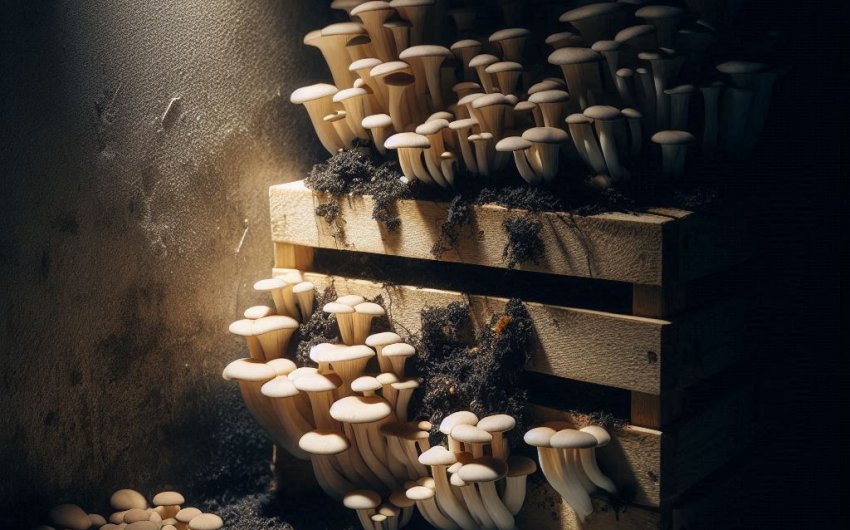
Learning how to grow mushrooms indoors is a fascinating and rewarding endeavor, offering a fresh supply of delicious fungi right in your home. Unlike plants that rely on photosynthesis, mushrooms are decomposers, thriving on organic matter in a dark, humid environment. This unique cultivation process makes them an ideal crop for small spaces, urban dwellers, or anyone looking for a fun and educational gardening project.
Why Grow Mushrooms Indoors?
Cultivating mushrooms in your home offers a unique set of benefits, making the effort of learning how to grow mushrooms indoors quite appealing.
- Fresh and Convenient: Enjoy fresh, gourmet mushrooms whenever you want, without a trip to the grocery store. They are ready to harvest quickly, often within weeks.
- Cost-Effective: Once you have a setup, growing your own can be significantly cheaper than buying specialty mushrooms.
- Space-Efficient: Mushrooms don't need sunlight and can be grown in relatively small, dark spaces like closets, basements, or even under a sink. This makes them perfect for urban living.
- Nutritional Value: Mushrooms are low in calories and fat, rich in vitamins (especially B vitamins and Vitamin D when exposed to UV light), minerals, and antioxidants.
- Unique Gardening Experience: It's a fascinating departure from traditional plant cultivation. You're observing the life cycle of fungi, which is quite different from growing leafy greens or flowers.
- Educational for All Ages: A mushroom grow kit can be a fantastic science project for children, teaching them about biology and sustainable food production.
- Reduce Food Waste: You can even use certain organic waste products (like coffee grounds or sawdust) as substrate for some mushroom types.
- No Pests (Mostly): Indoor mushroom growing generally faces fewer pest issues than outdoor gardening.
- Year-Round Harvest: Since conditions are controlled indoors, you can grow mushrooms any time of year, regardless of outdoor weather.
What Do Mushrooms Need to Grow? The Essentials.
Before diving into how to grow mushrooms indoors, it's crucial to understand the fundamental requirements that fungi need to thrive. Unlike plants, they don't use sunlight for energy; instead, they rely on breaking down organic matter.
1. Spores or Mycelium (The "Seed")
- Spores: Like seeds for plants, spores are microscopic reproductive units. Starting from spores (often in a liquid spore syringe or on a spore print) is an advanced method requiring sterile conditions.
- Mycelium: This is the vegetative part of the fungus, a network of thread-like cells (hyphae) that grows through the substrate. Think of it as the "root system" of the mushroom. For beginners, it's easiest to start with established mycelium, usually in the form of:
- Mushroom Grow Kit: A block of colonized substrate ready to fruit. The simplest option.
- Spawn: Mycelium grown on a sterile medium like grain, sawdust, or plugs. This is used to inoculate a larger bulk substrate. Mushroom spawn can be purchased online.
2. Substrate (The "Soil")
- What it is: The nutrient-rich material that the mycelium colonizes and breaks down for food. Different mushrooms prefer different substrates.
- Sterilization/Pasteurization: Substrates must be treated (sterilized or pasteurized) to kill competing molds and bacteria, giving the mushroom mycelium a head start.
- Common Substrates:
- Sawdust: Hardwood sawdust (oak, maple, etc.) is popular for many gourmet mushrooms like Oyster and Shiitake. Hardwood sawdust pellets are often used.
- Straw: Chopped straw is great for Oyster mushrooms.
- Grain: Rye, wheat, or millet grains are often used for making mushroom spawn.
- Coffee Grounds: Used coffee grounds are an excellent, readily available substrate for Oyster mushrooms.
- Cardboard/Paper: Can be used, often mixed with other materials.
- Manure: For some dung-loving species (often not gourmet edible types for beginners).
3. Temperature
- Two Phases: Mushrooms have specific temperature requirements for different stages:
- Colonization (Mycelial Growth): Usually warmer (70-75°F or 21-24°C) to encourage the mycelium to grow quickly through the substrate.
- Fruiting (Mushroom Formation): Often cooler (50-70°F or 10-21°C), simulating the change in season that triggers mushroom production. This varies significantly by species.
- Consistency: Avoid drastic temperature fluctuations.
4. Humidity
- Crucial for Fruiting: High humidity (85-95%) is essential during the fruiting stage to prevent the young mushrooms (pinheads) from drying out and to encourage healthy cap development.
- Misting: Regular misting with a fine spray bottle is typically required.
- Humidity Tent/Chamber: Creating an enclosed space helps maintain high humidity.
5. Fresh Air Exchange (FAE) / Ventilation
- Often Overlooked: While high humidity is critical, mushrooms also need oxygen and to off-gas carbon dioxide. Stale, CO2-rich air will lead to leggy, deformed mushrooms.
- Regular Fanning: Daily fanning or active ventilation is necessary during fruiting.
6. Light (Minimal)
- Indirect Light: Mushrooms don't photosynthesize, but they do need a small amount of indirect light during the fruiting phase to orient their growth and develop proper coloration. A dim room or ambient light is sufficient. Avoid direct sunlight.
- No Light for Colonization: The colonization phase (mycelial growth) is best done in complete darkness.
By providing these six key elements, you set the stage for a successful indoor mushroom cultivation project.
How Do You Choose Which Mushrooms to Grow Indoors?
Deciding which mushroom species to cultivate is a crucial first step in learning how to grow mushrooms indoors. Different mushrooms have varying requirements, so choosing beginner-friendly options is highly recommended.
Best Beginner-Friendly Mushrooms:
These species are relatively forgiving, grow quickly, and don't require highly specialized equipment or advanced sterile techniques.
- Oyster Mushrooms (Pleurotus species):
- Why they're great: Extremely easy to grow, fast-fruiting, tolerate a range of conditions, and yield abundantly. Many varieties (Pearl, Pink, Blue, Yellow).
- Substrates: Straw, hardwood sawdust, coffee grounds, even cardboard.
- Ideal for: First-time growers, mushroom grow kits are widely available.
- Shiitake Mushrooms (Lentinula edodes):
- Why they're great: Popular for culinary use, grow well on hardwood.
- Substrates: Hardwood sawdust (often in compressed blocks), logs (for outdoor cultivation).
- Ideal for: Slightly more involved than Oyster but still beginner-friendly, especially with pre-inoculated blocks.
- Lion's Mane Mushrooms (Hericium erinaceus):
- Why they're great: Unique appearance and texture, highly prized for culinary and medicinal uses.
- Substrates: Hardwood sawdust.
- Ideal for: A good next step after Oyster, often available in grow kits.
- Button/Cremini/Portobello Mushrooms (Agaricus bisporus):
- Why they're great: Very common and versatile.
- Substrates: Compost (specifically formulated for them, often involving horse manure), casing layer.
- Ideal for: While common, these are surprisingly tricky to grow successfully at home due to their specific substrate and temperature needs. Often considered intermediate to advanced. A button mushroom grow kit simplifies it significantly.
Factors to Consider When Choosing:
- Ease of Cultivation: Start with easy ones like Oyster.
- Substrate Availability: Do you have access to hardwood sawdust, straw, or coffee grounds?
- Temperature Requirements: Can you consistently maintain the ideal fruiting temperature for your chosen species in your home?
- Yield Expectations: Some mushrooms yield more per flush than others.
- Culinary Preference: What types of mushrooms do you enjoy eating?
Where to Buy Mushroom Growing Supplies:
- Mushroom Grow Kits: Widely available online from retailers like Amazon, specialized mushroom suppliers, and even some garden centers. Mushroom grow kits are the easiest starting point.
- Mushroom Spawn: For more advanced growers wanting to prepare their own bulk substrate. Purchase from reputable online mushroom cultivation suppliers.
- Substrate Materials: Often available at feed stores (straw), pet stores (wood pellets), or local coffee shops (free grounds).
By choosing a suitable species, you set yourself up for a greater chance of success, making your journey into how to grow mushrooms indoors a rewarding one.
How to Grow Mushrooms Indoors Using a Grow Kit (Beginner Method)
For anyone new to the world of fungi, starting with a mushroom grow kit is by far the easiest and most reliable way to learn how to grow mushrooms indoors. These kits come pre-inoculated and colonized, taking much of the guesswork and sterility requirements out of the equation.
What is a Mushroom Grow Kit?
A typical mushroom grow kit is a block of sterilized substrate (usually sawdust or straw) that has already been fully colonized by mushroom mycelium. It's essentially a "plug and play" system for growing mushrooms.
Steps to Grow Mushrooms Using a Kit:
- Read the Instructions: Every kit is slightly different. ALWAYS read the specific instructions provided with your kit first. This guide provides general steps, but your kit's instructions are paramount.
- Choose Your Location:
- Temperature: Find a spot that matches the fruiting temperature range for your mushroom type (often room temperature for Oyster kits, 50-70°F or 10-21°C).
- Light: A dimly lit room is perfect. Ambient light is enough; avoid direct sunlight.
- Avoid Drafts: Keep away from open windows, vents, or direct drafts.
- Prepare the Kit:
- Cut Opening: Most kits require you to cut an "X" or a slit into the plastic bag covering the substrate block. This is where the mushrooms will emerge. Some kits might have pre-cut holes.
- Soak (Optional): Some kits recommend a brief (e.g., 8-24 hour) soak of the entire block in cold water before opening to rehydrate the mycelium and trigger fruiting. Follow your kit's instructions for this.
- Create a Humid Environment (Fruiting Chamber): This is the most crucial step for success.
- Humidity Tent: Place the prepared mushroom block inside a larger, clear plastic bag (like a clean garbage bag or humidity dome).
- Air Holes: Cut a few small holes (e.g., 1-2 inch slits) in the plastic bag for some fresh air exchange. You want high humidity, but not completely stagnant air.
- Placement: Place the covered block in your chosen low-light, temperature-controlled location.
- Mist and Provide Fresh Air Exchange (FAE):
- Misting: Using a fine spray bottle filled with clean, non-chlorinated water, mist the inside walls of the plastic bag and directly onto the cut opening (where the mushrooms will grow) 2-4 times a day. You want to see condensation, but not pooling water.
- Fanning: Each time you mist, open the bag slightly or fan fresh air into the bag for 30-60 seconds. This removes stale air and replenishes oxygen, which is critical for healthy mushroom development and prevents leggy, spindly growth.
- Watch for "Pins":
- Within 1-2 weeks (sometimes faster), you'll start to see tiny bumps or clusters forming at the cut opening. These are "pins" or "primordia" – the baby mushrooms! This is an exciting stage.
- Harvesting:
- Mushrooms grow quickly once they start "pinning." They can double in size daily.
- Harvest when the caps are fully formed and before they start to flatten out too much or release a lot of spores. For Oyster mushrooms, they are ready when the edges of the caps are still slightly curled down.
- How to Harvest: Twist the cluster gently off the block at its base, or cut the cluster with a sharp, clean knife. Try to get as much of the base as possible without leaving too much old stem material on the block.
- Cleanliness: Always use clean hands or gloves when handling the block and mushrooms.
- Second and Subsequent "Flushes":
- After the first harvest (called a "flush"), your block can often produce more mushrooms.
- Rehydration: Many kits recommend rehydrating the block after a flush by soaking it in cold water for several hours (e.g., 12-24 hours) or even overnight. Follow your kit's specific instructions.
- Rest Period: After rehydration, place the block back in its humidity chamber. There will be a rest period (often 1-3 weeks) before the next flush emerges.
- You can typically get 2-4 flushes from a single kit, with each subsequent flush being smaller than the last.
By carefully following these steps, you'll successfully learn how to grow mushrooms indoors using a convenient grow kit, enjoying multiple harvests of fresh mushrooms.
How to Grow Mushrooms Indoors Using Spawn and Substrate (Intermediate Method)
For those who want more control or a larger yield than a simple grow kit, learning how to grow mushrooms indoors using spawn and bulk substrate is the next step. This method requires a bit more preparation and attention to sterility but offers greater flexibility.
What is Mushroom Spawn?
Mushroom spawn is a living culture of mushroom mycelium that has fully colonized a sterile carrier medium, such as grain (e.g., rye, millet), sawdust pellets, or wooden plugs. It acts as the "seed" for inoculating a larger, bulk substrate.
Choosing Your Substrate:
As mentioned previously, different mushrooms prefer different substrates. Always match your mushroom species to the appropriate substrate.
- Oyster Mushrooms: Chopped straw, hardwood sawdust (pellets or shavings), coffee grounds, even cardboard.
- Shiitake/Lion's Mane: Hardwood sawdust (oak, maple, etc.).
Steps for Growing with Spawn and Substrate:
- Prepare Your Substrate (Crucial for Success):
- Sterilization or Pasteurization: This is the most critical step to prevent contamination by competing molds and bacteria.
- Pasteurization (for straw, coffee grounds): Heating the substrate to 140-160°F (60-70°C) for several hours to kill most contaminants but leave beneficial microbes. Often done in a large pot or barrel with hot water, or in an oven.
- Sterilization (for sawdust, grain): Heating the substrate to higher temperatures (250°F or 121°C) under pressure (using a pressure cooker or autoclave) to kill virtually all microorganisms. This is essential for grain spawn production and highly recommended for sawdust.
- Cooling: Allow the treated substrate to cool completely to room temperature before inoculation.
- Sterilization or Pasteurization: This is the most critical step to prevent contamination by competing molds and bacteria.
- Inoculation (Adding Spawn to Substrate):
- Sterile Environment: Work in as clean an environment as possible. Use gloves, wipe surfaces with rubbing alcohol, and minimize air movement.
- Mix: Break up the spawn (if it's a block or grain spawn) and thoroughly mix it into your prepared, cooled substrate. Aim for an even distribution of spawn throughout the substrate.
- Container: Place the inoculated substrate into grow bags with filter patches (for controlled air exchange) or clean plastic buckets (with drilled holes for later fruiting).
- Colonization (Incubation Phase):
- Temperature: Place the inoculated bags/containers in a dark, warm spot (typically 70-75°F or 21-24°C, depending on species).
- Darkness: Mycelium prefers to colonize in darkness.
- Time: This phase can take 2-4 weeks or longer, depending on the mushroom species and spawn-to-substrate ratio. You will see white mycelium gradually grow and spread throughout the substrate. The substrate should eventually be fully white and dense with mycelium.
- Initiating Fruiting (Fruiting Conditions):
- Once the substrate is fully colonized, it's time to "shock" the mycelium into producing mushrooms.
- Cold Shock (for some species): Some mushrooms (like Shiitake) benefit from a brief cold shock (e.g., placing the block in a refrigerator for 24-48 hours) to simulate winter conditions.
- Light: Introduce indirect light.
- Fresh Air Exchange (FAE): Crucial. Increase ventilation significantly.
- Humidity: Maintain very high humidity (85-95%).
- Temperature Drop: Often, a slight drop in temperature (e.g., 50-70°F or 10-21°C) triggers fruiting.
- Create Openings: If using grow bags, cut "X" or slit openings in the plastic where you want mushrooms to emerge.
- Fruiting and Harvesting:
- Humidity Tent/Fruiting Chamber: Continue to mist the exposed substrate/mushroom pins multiple times a day and fan regularly. A humidity tent is highly recommended.
- Watch for Pins: Tiny mushroom "pins" will start to form.
- Growth and Harvest: Mushrooms will grow quickly. Harvest when mature, typically by twisting off clusters.
- Subsequent Flushes:
- After a flush, rehydrate the substrate block/container (e.g., soak in cold water) and provide a rest period before the next flush.
- You can get several flushes from a well-prepared block.
This intermediate method of how to grow mushrooms indoors offers greater control and yield, but requires more attention to sterility and environmental conditions.
What Are Common Problems When Growing Mushrooms Indoors?
Even with careful planning and execution, growing mushrooms indoors can present challenges. Understanding common problems and how to troubleshoot them is crucial for success when learning how to grow mushrooms indoors.
1. Contamination
- Symptoms: Green (Trichoderma), black (Aspergillus), pink, or orange fuzzy molds growing on your substrate. Unpleasant sour or sweet smells (bacterial contamination). Areas of the mycelium that stop growing or turn discolored.
- Causes:
- Improper Sterilization/Pasteurization: The substrate wasn't treated effectively, leaving competing organisms alive.
- Dirty Environment: Unclean workspace, tools, or hands during inoculation.
- Contaminated Spawn: Starting with spawn that already contains mold.
- Too Much Moisture/Lack of FAE: Creates an environment favorable for molds.
- Solutions:
- Prevention is Key: Sterilize/pasteurize thoroughly. Work in a clean environment (still air box or flow hood for advanced users). Use gloves and disinfect tools.
- Isolation & Disposal: Once contaminated, it's very difficult to save the batch. Immediately isolate the contaminated substrate from other healthy projects. Do not open contaminated bags indoors (especially if mold is sporulating, i.e., visible spores), as this can release spores into your growing area. Dispose of it outdoors (e.g., bury in the garden where it might still produce a mushroom or two, or throw it away).
- Start Fresh: Learn from the experience and try again with stricter sterile techniques.
2. No Fruiting / No Pins Formed
- Symptoms: Mycelium has fully colonized the substrate, but no mushrooms are growing.
- Causes:
- Incorrect Fruiting Conditions: The most common reason. Lack of light, insufficient fresh air exchange (FAE), wrong temperature, or too low humidity.
- Too Young/Old Substrate: Substrate isn't fully colonized, or it's past its prime.
- Nutrient Deficiency: Substrate is depleted.
- Solutions:
- Optimize Conditions:
- Light: Ensure dim, indirect light.
- FAE: Increase fanning or ventilation. Stale air inhibits pinning. This is very common.
- Humidity: Ensure 85-95% humidity by misting heavily or using a humidity tent/chamber.
- Temperature: Verify the temperature matches the fruiting range for your specific mushroom species.
- Cold Shock: For species that require it (like Shiitake), a brief cold shock (refrigeration) can initiate pinning.
- Patience: Sometimes they just need a little more time.
- Optimize Conditions:
3. Deformed / Leggy / Spindly Mushrooms
- Symptoms: Mushrooms with very long stems and tiny caps, or misshapen, fuzzy, or otherwise abnormal growth.
- Causes:
- Insufficient Fresh Air Exchange (FAE): The most common reason for leggy growth. Mushrooms need oxygen and to off-gas CO2; too much CO2 leads to stretching.
- Too Low Humidity: Mushrooms dry out before fully developing.
- Temperature Fluctuations: Sudden changes can stress the mushrooms.
- Solutions:
- Increase FAE: Fan more frequently and vigorously. Ensure adequate ventilation in your fruiting chamber.
- Increase Humidity: Mist more often or use a more effective humidity tent/humidifier.
- Maintain Stable Temperature: Avoid placing mushrooms near drafts or heat sources.
4. Drying Out / Cracking Caps
- Symptoms: Mushrooms stop growing and dry out, often with cracked caps, before reaching full size.
- Cause:
- Too Low Humidity: The environment is too dry for the mushrooms to maintain turgor.
- Too Much FAE: Excessive air movement without enough humidity can also dry them out.
- Solutions:
- Increase Humidity: Mist more often, ensure your humidity tent is effective, consider a humidifier.
- Balance FAE: Reduce direct fanning slightly if humidity is the issue, but don't eliminate it.
5. Mycelium Stalling or Not Colonizing
- Symptoms: Mycelium grows initially then stops spreading, or doesn't start growing at all after inoculation.
- Causes:
- Contamination: Often a sign that a competitor (mold or bacteria) is growing faster.
- Incorrect Temperature: Too cold or too hot for mycelial growth.
- Too Wet/Dry Substrate: Substrate moisture content is not ideal.
- Non-Viable Spawn: Spawn was old, damaged, or not healthy.
- Solutions:
- Check for Contamination: Look for off-colors or smells. Dispose if contaminated.
- Temperature: Adjust incubation temperature to the species' optimal range.
- Moisture: Ensure substrate has correct moisture (like a squeezed sponge).
- Source: Purchase fresh, reputable spawn.
By methodically troubleshooting these common issues, you can navigate the fascinating world of indoor mushroom cultivation, improving your skills with each attempt at how to grow mushrooms indoors.