
Green Future: How to Plant a Tree Successfully
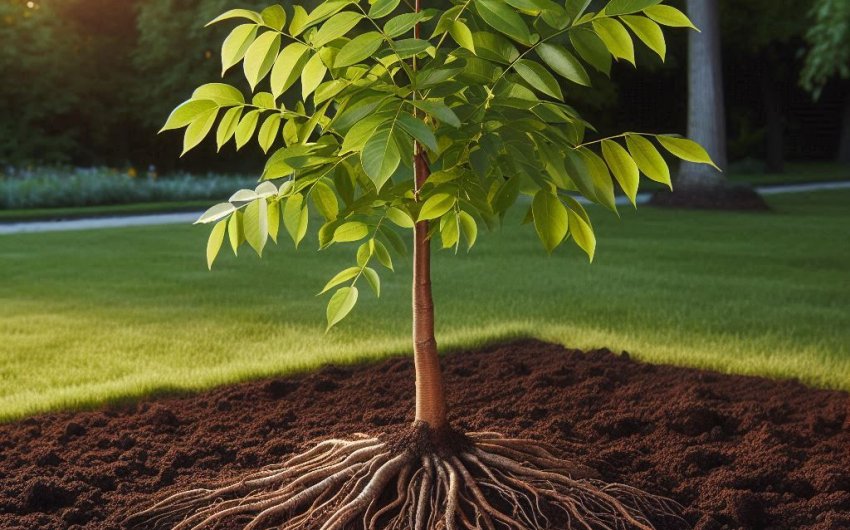
Learning how to plant a tree successfully is one of the most impactful and long-lasting contributions you can make to your landscape and the environment. A properly planted tree will grow stronger, live longer, and provide decades of beauty, shade, and ecological benefits. While it might seem like a simple task, following key steps ensures your new tree establishes well and avoids common pitfalls that can stunt its growth or lead to early demise.
Why is it Important to Plant a Tree Successfully?
The act of planting a tree is more than just putting roots in the ground. Knowing how to plant a tree successfully ensures that your effort yields maximum benefits and avoids future problems for both the tree and your property.
- Longevity and Health: A tree planted correctly establishes a robust root system, which is crucial for its long-term health and ability to withstand droughts, winds, and other environmental stresses. Poor planting can lead to a weakened tree that struggles to thrive.
- Faster Establishment: When done right, the tree experiences less transplant shock, meaning it recovers faster from being moved and starts putting on new growth sooner.
- Optimal Growth: Proper planting encourages strong growth, allowing the tree to reach its full potential in terms of size, shade production, and aesthetic appeal.
- Reduced Future Problems: Many common tree problems, such as girdling roots, trunk decay, and increased susceptibility to pests and diseases, stem from incorrect planting techniques. A successful planting minimizes these risks.
- Environmental Benefits: Healthy, thriving trees provide significant benefits:
- Shade and Cooling: Reduces energy costs by shading homes.
- Air Quality: Absorbs carbon dioxide and produces oxygen.
- Water Management: Reduces stormwater runoff.
- Wildlife Habitat: Provides food and shelter for birds and other animals.
- Economic Value: A well-planted and maintained tree can significantly increase property value over time.
- Safety: A tree with a strong, well-anchored root system is less likely to fall in a storm, reducing safety hazards.
Investing the time and effort into understanding the proper methods for how to plant a tree successfully is an investment in a greener, healthier future.
When is the Best Time to Plant a Tree?
Choosing the optimal time to plant is a critical factor in understanding how to plant a tree successfully. While trees can be planted throughout the year in some climates, specific seasons offer the best conditions for establishment.
- Early Fall (Most Recommended for Many Climates):
- Why: The soil is still warm from summer, encouraging root growth. Air temperatures are cooler, reducing stress on the tree's foliage. Consistent autumn rains often help keep the soil moist. This allows the roots to establish well before the ground freezes (in colder climates) or before the next stressful summer heat.
- Ideal for: Most deciduous and evergreen trees in temperate climates.
- Early Spring:
- Why: As the ground thaws and temperatures begin to rise, roots can start growing before the tree puts on a lot of new leaves. Spring planting allows the tree to benefit from spring rains.
- Ideal for: Trees that are slightly less cold-hardy or if you missed the fall planting window. Bare-root trees are often best planted in early spring.
- Summer (Least Recommended, with Exceptions):
- Why: High temperatures and intense sun cause significant stress on a newly planted tree. It requires much more frequent and diligent watering to survive.
- Exceptions: In regions with mild summers, or if planting container-grown trees that are well-hydrated, it's possible. However, it's generally best to avoid summer planting if possible.
- Winter (Possible in Mild Climates):
- Why: In areas with very mild winters where the ground doesn't freeze, trees can be planted. The cool temperatures and increased rainfall are beneficial for root establishment with minimal top growth stress.
- Ideal for: Southern regions (USDA Zone 8 and above).
Types of Trees and Their Preferred Planting Time:
- Bare-Root Trees: Should be planted in early spring while still dormant, before they break bud. They have no soil around their roots and must be planted quickly.
- Balled and Burlapped (B&B) Trees: Can be planted in early fall or early spring. Their root ball provides some protection.
- Container-Grown Trees: Offer the most flexibility and can be planted almost any time the ground is not frozen, but early fall and early spring are still ideal for best results and less demanding care.
By aligning your planting schedule with the tree's natural dormancy and growth cycles, you significantly increase its chances of long-term success.
How Do You Choose the Right Tree and Location?
The success of your new tree begins long before digging a hole. Thoughtful selection of the right tree for the right place is paramount when learning how to plant a tree successfully.
1. Choosing the Right Tree:
- Hardiness Zone: Select a tree that is hardy in your specific USDA Plant Hardiness Zone. This ensures it can survive your local winter temperatures.
- Mature Size: This is perhaps the most overlooked factor.
- Height and Spread: Research the tree's mature height and canopy spread. Will it eventually interfere with power lines, buildings, driveways, sidewalks, or other plants?
- Root System: Understand if the tree has an aggressive or shallow root system that could impact foundations, septic lines, or pavement.
- Sunlight Requirements: Does the tree prefer full sun (6+ hours direct sun), partial sun, or shade? Match this to your chosen planting spot.
- Soil Type: What kind of soil does your tree prefer (sandy, clay, loam)? Is it tolerant of your existing soil pH and drainage? A soil test can be helpful.
- Water Needs: Does the tree need consistently moist soil, or is it drought-tolerant once established?
- Purpose: What do you want the tree to do?
- Shade? (e.g., Oak, Maple)
- Flowering? (e.g., Dogwood, Cherry)
- Wildlife food/habitat? (e.g., Serviceberry, Hawthorn)
- Privacy screen? (e.g., Evergreen Conifers)
- Fall color? (e.g., Maples, Ginkgo)
- Pest and Disease Resistance: Choose varieties known to be resistant to common problems in your area.
- Deciduous vs. Evergreen: Do you want shade in summer and winter sun (deciduous), or year-round screening/color (evergreen)?
- Native vs. Non-Native: Prioritize native trees whenever possible. They are best adapted to local conditions and provide optimal support for local wildlife. Check for any invasive species warnings for non-native options.
2. Choosing the Right Location:
- Sunlight Availability: Observe the chosen spot throughout the day to ensure it gets the required amount of sun for your selected tree.
- Underground Utilities: ALWAYS call 811 (or your local "Dig Safe" number) a few days before you plan to dig. This service marks underground utility lines (gas, water, sewer, electrical, cable). Digging into these can be dangerous and costly.
- Overhead Obstructions: Look up! Are there power lines, phone lines, or building overhangs that the mature tree could interfere with?
- Distance from Structures:
- Buildings/Foundations: Plant trees far enough away so that roots don't damage foundations (often 10-20 feet, depending on tree size) and branches don't rub against siding or roofs.
- Patios/Driveways/Sidewalks: Allow enough distance for roots to expand without lifting concrete.
- Septic Systems/Drain Fields: Avoid planting over these areas.
- Drainage: Dig a test hole (about 1 foot deep) and fill it with water. If the water drains within an hour or two, drainage is good. If it sits for several hours or overnight, drainage is poor, and you might need to amend the soil significantly or choose a tree that tolerates wet feet.
- Wind Exposure: Consider prevailing winds. A very exposed site might benefit from a windbreak, or a tree species tolerant of strong winds.
- Aesthetics: Visualize the tree's mature size and how it will complement your landscape design. Consider views you want to preserve or create.
Taking the time to choose thoughtfully is the most important initial investment in ensuring how to plant a tree successfully and enjoy its beauty for decades.
How Do You Prepare the Tree and the Planting Hole?
Proper preparation of both the tree and its planting site is absolutely critical for the success of your new tree. This stage lays the foundation for root establishment and future growth, a vital part of mastering how to plant a tree successfully.
1. Preparing the Tree (Before Digging):
- Keep Roots Moist: If you pick up your tree and aren't planting it immediately, keep the root ball moist. Don't let it dry out in the sun or wind. If bare-root, keep roots in damp material or a bucket of water.
- Inspect the Root Ball (for Container and B&B Trees):
- Container Trees: Gently slide the tree out of its pot. Inspect the roots.
- If roots are circling tightly around the outside of the root ball ("root-bound"), gently tease them apart. Make 3-4 vertical cuts with a clean knife (about 1 inch deep) along the sides of the root ball, and one across the bottom in an X-pattern. This encourages outward root growth.
- Remove any dead, soft, or mushy roots.
- Balled and Burlapped (B&B) Trees: The root ball will be wrapped in burlap, often with a wire cage.
- Keep the burlap and cage on until the tree is in the planting hole.
- Inspect the trunk flare (where the trunk widens at the base). Ensure it's visible at the top of the root ball, not buried.
- Container Trees: Gently slide the tree out of its pot. Inspect the roots.
- Locate the Root Flare: This is the most crucial part of tree preparation. The root flare (also called the root collar or trunk flare) is where the tree trunk widens out as it meets the roots. This point should always be at or slightly above ground level after planting.
- Often, trees are grown too deep in their nursery pots or B&B ball. You may need to remove excess soil from the top of the root ball to expose the root flare. Use your hands or a trowel to carefully scrape away soil until you find it.
2. Preparing the Planting Hole:
- Size:
- Depth: Dig a hole that is only as deep as the root ball, so that the root flare is at or slightly above ground level. Never dig the hole deeper than the root ball.
- Width: Dig the hole 2 to 3 times wider than the root ball. This is critical! Wide holes provide loosened soil for new roots to easily spread into, encouraging rapid establishment.
- Sides of the Hole:
- Rough Up Sides: If you have heavy clay soil, the sides of your planting hole can become glazed and smooth, making it hard for roots to penetrate. Use a shovel or fork to rough up the sides of the hole.
- Do NOT Amend the Backfill Soil (Generally):
- It was once common practice to mix compost or other amendments into the soil used to backfill the hole. Modern arboriculture advises against this for most soils.
- Why Not: Amending the hole creates a "bathtub effect" where water drains poorly if the surrounding soil is heavier. It also can make roots reluctant to grow out of the comfortable amended zone, leading to a restricted root system.
- Exception: If your native soil is extremely poor (e.g., pure sand or pure clay), you might consider incorporating a small amount (no more than 10-20%) of organic matter into the entire planting area, not just the hole.
- Use the Native Soil: Plan to use the original soil you dug out to backfill the hole. Break up any large clumps.
By diligently preparing both the tree (especially finding the root flare) and the generous planting hole, you're setting your new tree on the path to long-term success.
How Do You Plant the Tree? Step-by-Step Guide.
Once your tree and planting hole are prepared, the actual planting process for how to plant a tree successfully follows a precise sequence to ensure optimal root establishment.
Step-by-Step Planting:
- Place the Tree in the Hole:
- Carefully lift the tree and center it in the prepared hole.
- Crucial: Check the root flare. The root flare (where the trunk widens just above the root ball) must be at or slightly above the finished soil grade. Adjust the amount of soil under the root ball if needed. It's better to plant slightly high than too deep.
- Remove Container, Burlap, and Wire Cage:
- Container Trees: Once positioned, remove the nursery pot.
- B&B Trees: With the tree still in the hole, cut and remove any twine or rope from the trunk. Roll the burlap down and cut away as much as possible from the top and sides of the root ball. For wire cages, use bolt cutters to remove the top two-thirds of the cage completely, or remove it entirely if feasible. Leaving burlap or wire on can girdle roots and inhibit growth.
- Backfill the Hole:
- Using the native soil you excavated, begin to backfill the hole around the root ball.
- Gently firm the soil as you go, to eliminate large air pockets. Avoid overly compacting the soil, as this restricts root growth. You can gently push down with your foot or hands.
- Do not backfill over the root flare.
- Create a Watering Berm (Optional, but Recommended):
- Around the outer edge of the planting hole, create a small berm or ridge of soil (2-4 inches high). This forms a basin that will help hold water over the root ball during initial watering, preventing runoff. This berm should be inside the wider planting hole, not on top of the root flare.
- Water Thoroughly:
- This is a critical step. Water the tree immediately and deeply. Fill the watering basin you created and let it soak in completely. Repeat this 2-3 times until the entire root ball and surrounding loosened soil are thoroughly saturated. This helps settle the soil and removes small air pockets around the roots.
- Apply Mulch:
- Spread a 2-4 inch layer of organic mulch (such as wood chips, shredded bark, or compost) over the entire planting hole area, extending out as far as the loosened soil.
- Crucially, keep the mulch 2-3 inches away from the tree trunk. Do not create a "mulch volcano" around the trunk. Mulch piled against the trunk can cause moisture buildup, encourage pests, and lead to trunk decay.
- Benefits of Mulch: Retains soil moisture, moderates soil temperature, suppresses weeds, and slowly adds organic matter as it decomposes.
- Staking (Only if Necessary):
- Most trees do not need staking. In fact, gentle swaying helps promote stronger trunk and root development.
- When to Stake: Only stake if the tree is in an extremely windy location and leans significantly, or if the root ball is very loose and the tree cannot stand upright on its own.
- How to Stake (If Needed): Use two stakes (or three for very large trees) placed outside the root ball. Attach the tree to the stakes using wide, flexible material (e.g., tree staking straps) that will not chafe the bark. Allow for some sway. Remove stakes after one growing season (6-12 months) once the tree is established.
By following these precise planting instructions, you provide your new tree with the best possible start, truly mastering how to plant a tree successfully.
How Do You Care for a Newly Planted Tree?
The first one to three years are critical for a newly planted tree's establishment. Proper aftercare is just as important as the initial planting in determining how to plant a tree successfully and ensure its long-term vitality.
1. Watering (Most Crucial Aspect)
- Consistency is Key: Newly planted trees need consistent moisture, especially during their first year. The goal is to keep the soil moist but not soggy.
- Frequency:
- Immediately After Planting: Water deeply immediately.
- First Few Weeks: Check soil moisture daily. You might need to water every 1-3 days, depending on weather and soil type.
- First Growing Season: Typically, aim for 1 inch of water per week (from rain or irrigation). Water deeply 1-3 times a week during dry periods.
- Years 2-3: Continue to water deeply during dry spells, especially hot periods.
- How to Water:
- Slowly and Deeply: Water slowly over the entire root ball and extending out to the edge of the loosened soil. This encourages roots to grow outward and downward.
- Soaker Hoses/Tree Watering Bags: Consider using a soaker hose or a tree watering bag for efficient, deep watering.
- Check Moisture: Always check the soil moisture before watering. Stick your finger 2-3 inches deep into the soil. If it feels dry, water. If it's still moist, wait.
- Avoid Overwatering: Too much water suffocates roots and leads to root rot. If leaves are yellowing, wilting, or turning brown from the tips, check for soggy soil.
2. Mulching (Continued Importance)
- Maintain 2-4 Inch Layer: Ensure a consistent 2-4 inch layer of organic mulch around the tree.
- Keep Away from Trunk: Remember the 2-3 inch gap between mulch and trunk. Periodically pull mulch away if it encroaches.
- Benefits: Continues to suppress weeds, retain moisture, regulate soil temperature, and slowly adds nutrients.
3. Weeding
- Remove Competition: Keep the area around the tree free of weeds and grass. Weeds compete with the tree for water and nutrients. Hand-pulling is best.
4. Pruning
- Minimal Pruning at Planting: Only remove broken, dead, or diseased branches at planting. Avoid heavy pruning, as the tree needs its leaves to produce energy for root growth.
- Structural Pruning (Years 2-5): Begin light structural pruning in the second or third year to establish a strong central leader and good branch structure. Remove crossing branches or those that rub. Consult resources on proper tree pruning specific to your tree type.
5. Fertilizing
- Avoid in Year 1: Do not fertilize a newly planted tree in its first year. The goal is root establishment, and excess fertilizer (especially nitrogen) can encourage leafy growth at the expense of root development.
- Years 2+: If a soil test indicates a nutrient deficiency, or if the tree shows signs of slow growth despite good watering, you can apply a balanced slow-release tree fertilizer in spring. Follow product instructions carefully.
6. Protecting the Trunk
- Weed Trimmer/Mower Damage: Be very careful when mowing or using weed trimmers around the trunk. Mechanical damage can create wounds that invite pests and diseases. Keep grass and weeds away from the trunk.
- Animal Protection: In areas with deer, rabbits, or rodents, consider using a tree guard or mesh cylinder around the trunk for the first few years to prevent browsing or gnawing.
By diligently following these aftercare steps, you ensure your newly planted tree receives the support it needs to thrive and become a valuable, long-lived asset in your landscape.
How Do You Prevent Common Tree Planting Mistakes?
Even experienced gardeners can make simple errors that undermine a tree's health. Avoiding these common mistakes is crucial for truly learning how to plant a tree successfully.
1. Planting Too Deep (The #1 Mistake)
- Mistake: The root flare (where the trunk widens at the base) is buried below the soil line.
- Problem: This causes trunk rot, girdling roots (roots that grow around the trunk, choking it), reduced oxygen to roots, and eventual decline and death of the tree. Many nursery trees are potted too deep.
- Prevention: Always locate the root flare before digging the hole. Dig the hole only as deep as needed so the root flare is at or slightly above grade. If the root flare is buried in the nursery pot, remove excess soil from the top of the root ball until it's exposed.
2. Not Digging a Wide Enough Hole
- Mistake: Digging a narrow, deep hole that barely accommodates the root ball.
- Problem: Roots struggle to grow out into the compacted native soil, leading to a restricted root system and poor establishment.
- Prevention: Dig the hole 2-3 times wider than the root ball. Rough up the sides of the hole, especially in clay soil, to encourage root penetration.
3. Amending the Backfill Soil
- Mistake: Mixing a significant amount of compost or rich topsoil into the backfill soil within the planting hole.
- Problem: Creates a "bathtub effect" where water drains poorly into the surrounding native soil, leading to root rot. Also makes roots reluctant to leave the "comfortable" amended zone.
- Prevention: For most soils, use only the native soil you excavated to backfill the hole. If your soil is extremely poor, amend a much larger area, or consider a raised bed, rather than just the planting hole.
4. Not Addressing Circling Roots
- Mistake: Planting a root-bound tree without loosening or cutting circling roots.
- Problem: These roots will continue to grow in a circle, eventually girdling (choking) the trunk or other roots, leading to instability and decline.
- Prevention: Inspect the root ball of container trees. If roots are circling, gently tease them apart. Make vertical cuts along the sides and an X-cut across the bottom of the root ball to encourage outward growth.
5. Not Removing All Burlap and Wire
- Mistake: Leaving burlap, twine, or wire cages on balled and burlapped (B&B) trees.
- Problem: Burlap can act as a wick, drawing moisture away from the root ball. Synthetic burlap won't decompose. Wire cages can girdle roots as they expand, strangling the tree.
- Prevention: Remove all twine/rope from the trunk. Roll down and cut away as much burlap as possible from the top and sides of the root ball. Remove at least the top two-thirds of any wire cage, or ideally the entire cage.
6. Over-Fertilizing at Planting
- Mistake: Applying granular fertilizer to a newly planted tree.
- Problem: Can burn delicate new roots, or promote top growth at the expense of crucial root establishment.
- Prevention: Do not fertilize in the first year. Focus on proper watering and mulching. If soil is extremely poor, a very small amount of slow-release phosphorus might be considered, but generally, wait until the second year.
7. Incorrect Staking
- Mistake: Staking a tree unnecessarily, or staking too tightly or for too long.
- Problem: Prevents the trunk from developing natural taper and strength, leading to a weak trunk once stakes are removed. Tight ties can girdle the trunk.
- Prevention: Only stake if absolutely necessary. Use flexible, wide ties. Allow for sway. Remove stakes after one year.
By proactively avoiding these common mistakes, you significantly increase the chances of your tree becoming a healthy, long-lived asset, demonstrating your mastery of how to plant a tree successfully.