
Get Digging: Best Garden Tools for Beginners
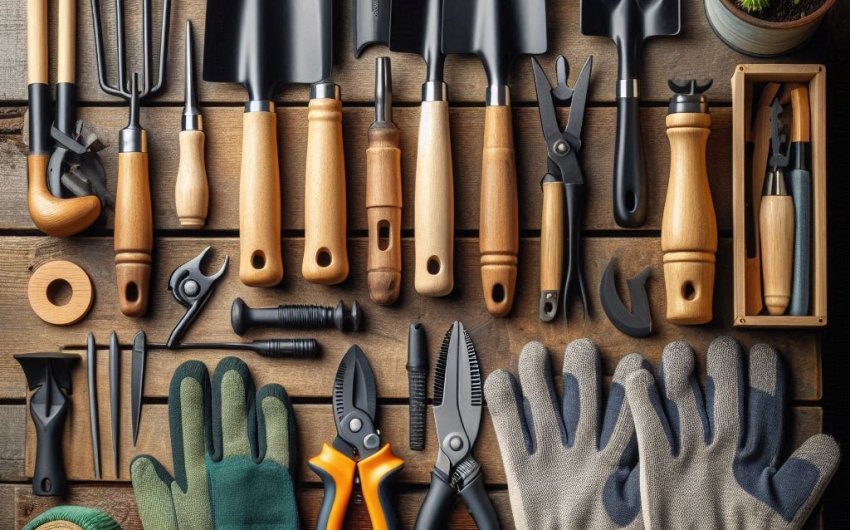
Starting a garden can feel overwhelming with the vast array of equipment available, but knowing the best garden tools for beginners can simplify the process and set you up for success. You don't need a shed full of specialized gear to cultivate a beautiful and productive space. Focusing on a few versatile, high-quality essentials will allow you to tackle most basic gardening tasks with ease and confidence.
Why Do You Need the Right Garden Tools?
Having the best garden tools for beginners isn't just about convenience; it's about making gardening more efficient, effective, and enjoyable. The right equipment can significantly impact your success and your overall experience in the garden.
- Efficiency: The proper tool makes tasks quicker and easier. Trying to dig a planting hole with a hand trowel instead of a shovel, or prune a thick branch with household scissors, is inefficient and frustrating.
- Effectiveness: Tools are designed for specific jobs. A sharp pair of pruners makes a clean cut that heals faster for the plant, compared to a dull blade that tears and damages tissue.
- Reduced Effort & Strain: Good ergonomics and design mean less strain on your back, hands, and joints. This makes gardening more comfortable, especially for longer periods, and reduces the risk of injury.
- Plant Health: Clean, sharp tools prevent the spread of diseases and make precise cuts that are better for plant health.
- Enjoyment: When tasks are easier and more effective, gardening becomes a more relaxing and rewarding hobby rather than a chore. Struggling with inadequate tools can quickly lead to frustration and burnout.
- Longevity of Tools: Investing in a few quality tools that are appropriate for beginners will mean they last longer and perform better than cheap, flimsy alternatives.
- Safety: Using the correct tool for the job, and one that is well-maintained, reduces the risk of accidents and injuries.
While it's tempting to buy a vast array of tools, understanding why you need the right ones helps you focus on the essential best garden tools for beginners that will truly support your budding green thumb.
What Hand Tools Are Essential for Beginners?
When you're just starting out, focusing on a few versatile and durable hand tools is key to success. These will be your most frequently used items and are foundational to any list of the best garden tools for beginners.
1. Hand Trowel
- Purpose: Your go-to tool for planting small plants, digging small holes, transplanting seedlings, scooping soil, and weeding in tight spaces.
- What to Look For:
- Material: Stainless steel or carbon steel blades are durable and resist rust. Avoid plastic or thin metal that can bend.
- Handle: Comfortable grip, often ergonomic. Consider a trowel with a rubberized or wooden handle.
- Construction: Look for a one-piece design (blade and handle fused) or a very securely attached handle that won't loosen.
- Recommendation: A sturdy stainless steel trowel with an ergonomic handle.
2. Hand Pruners (Bypass Pruners)
- Purpose: Essential for making clean cuts on small branches, deadheading flowers (removing spent blooms), trimming herbs, and shaping plants.
- What to Look For:
- Type: Bypass pruners (blades slide past each other like scissors) are recommended over anvil pruners (blade cuts onto a flat surface) for live green growth, as they make cleaner cuts that heal faster. Anvil pruners are better for dead, woody stems.
- Sharpness: Ensure the blades are very sharp.
- Material: High-carbon steel or stainless steel blades are durable.
- Comfort: Look for comfortable, non-slip grips and a spring mechanism that helps reduce hand fatigue.
- Safety Latch: A secure latch that keeps the blades closed when not in use.
- Recommendation: A sharp pair of bypass hand pruners from a reputable brand.
3. Weeding Tool (Hand Weeder or Hori Hori Knife)
- Purpose: To effectively remove unwanted weeds.
- What to Look For:
- Hand Weeder: Often has a forked or V-shaped tip to leverage weeds out by their taproot. Look for a sturdy metal construction.
- Hori Hori Knife: A versatile Japanese gardening knife with a sharp edge, serrated edge, and depth markings. It can weed, dig, cut, and transplant. It’s an all-in-one tool.
- Recommendation: A durable hand weeder or a versatile Hori Hori knife with a sheath.
4. Garden Gloves
- Purpose: To protect your hands from dirt, thorns, blisters, and potential skin irritants.
- What to Look For:
- Comfort and Fit: Gloves should fit snugly but allow for dexterity.
- Material:
- Knit/Breathable Back: Keeps hands cool.
- Coated Palm/Fingers: Nitrile or latex coating provides grip and water resistance.
- Thorn-Proof (Optional): For handling thorny plants like roses, look for longer gauntlet-style gloves made of leather or thick canvas.
- Recommendation: Several pairs of comfortable nitrile-coated gardening gloves for general use.
5. Hand Cultivator (or Hand Rake)
- Purpose: To loosen soil, mix in amendments, and break up small clumps. Also useful for light weeding.
- What to Look For:
- Design: Typically has three or four sturdy prongs.
- Material: Durable steel prongs and a comfortable handle.
- Recommendation: A strong three-prong hand cultivator.
These five hand tools form the core of your gardening arsenal, allowing you to confidently tackle a wide range of tasks and are truly among the best garden tools for beginners.
What Long-Handled Tools Are Essential for Beginners?
While hand tools handle close-up tasks, long-handled tools extend your reach and leverage, making larger gardening jobs much more manageable. Including these in your initial collection is key to setting up a new gardener for success.
1. Round Point Shovel
- Purpose: Your primary digging tool. Ideal for digging holes for planting shrubs or small trees, turning soil, moving piles of dirt or compost, and edging garden beds. The rounded, pointed tip helps penetrate soil easily.
- What to Look For:
- Blade Material: Tempered steel or stainless steel for durability and rust resistance.
- Handle: Fiberglass handles are strong and lightweight. Hardwood handles are traditional but can be heavier. Look for a comfortable D-grip or straight handle.
- Footpad: A wide, comfortable footpad at the top of the blade allows you to put your weight into the dig without hurting your foot.
- Recommendation: A sturdy fiberglass handle round point shovel.
2. Garden Rake (Bow Rake)
- Purpose: To level soil, break up clods of dirt, spread mulch or gravel, and clear debris from beds.
- What to Look For:
- Head: A sturdy, heavy metal head with strong, widely spaced tines (teeth).
- Handle: Fiberglass or robust hardwood.
- Attachment: Ensure the head is securely attached to the handle.
- Recommendation: A durable steel bow rake for general purpose tasks.
3. Leaf Rake (Fan Rake)
- Purpose: To gather fallen leaves, light debris, and grass clippings from lawns or large areas. The flexible tines won't damage grass.
- What to Look For:
- Tine Material: Flexible plastic or bamboo tines.
- Width: Wider heads cover more area efficiently.
- Handle: Lightweight material like aluminum or fiberglass.
- Recommendation: A wide, lightweight plastic leaf rake for autumn cleanup.
4. Hoe (Garden Hoe or Warren Hoe)
- Purpose: Primarily for weeding (cutting weeds off at the root), cultivating the soil surface, and creating furrows for planting seeds.
- What to Look For:
- Blade Material: Sharp, durable steel.
- Type:
- Garden Hoe (Draw Hoe): Has a rectangular blade that you "draw" towards you to cut weeds and move soil.
- Warren Hoe: Has a heart-shaped blade, pointed for digging furrows and weeding, and flared for hilling up soil.
- Handle: Sturdy and long enough to allow you to stand upright while working, reducing back strain.
- Recommendation: A well-made garden hoe with a sharp blade.
5. Wheelbarrow or Garden Cart
- Purpose: Indispensable for moving heavy or bulky materials like soil, compost, mulch, weeds, rocks, or tools around your garden.
- What to Look For:
- Capacity: Choose a size appropriate for your needs. A 6-8 cubic foot capacity is good for most home gardens.
- Material:
- Steel/Metal: Very durable but can be heavy.
- Poly (Plastic): Lighter, rust-proof, but can crack in extreme cold.
- Tires: Pneumatic (air-filled) tires provide a smoother ride, but flat-free tires eliminate punctures.
- Handles: Comfortable grips.
- Recommendation: A durable poly wheelbarrow for general garden use.
These long-handled implements are the heavy lifters of your garden shed, making larger scale tasks manageable and efficient, proving their worth among the best garden tools for beginners.
What Watering Tools Are Essential for Beginners?
Proper watering is fundamental to garden success, and having the right tools makes this daily (or almost daily) task much easier and more efficient. These tools are crucial for nurturing your plants from seedlings to maturity, making them indispensable additions to your collection of the best garden tools for beginners.
1. Watering Can
- Purpose: Ideal for precisely watering seedlings, small containers, delicate plants, or for applying liquid fertilizers/compost tea. Allows for gentle, targeted watering.
- What to Look For:
- Size: Choose a size that's comfortable for you to lift when full (1-2 gallons is common for indoor/patio use, 2-3 gallons for outdoor).
- Material: Plastic is lightweight and inexpensive. Galvanized steel or copper are more durable and attractive but heavier.
- Spout: A long, slender spout provides targeted watering. Look for a removable "rose" (sprinkler head) for gentle, dispersed water flow, especially for seedlings.
- Handle: Comfortable handle for carrying and pouring.
- Recommendation: A 2-gallon plastic watering can with a removable rose.
2. Garden Hose
- Purpose: For watering larger areas, garden beds, trees, and washing down tools.
- What to Look For:
- Length: Choose a length that can comfortably reach all areas of your garden without stretching. 50 or 75 feet is common.
- Diameter: 5/8-inch diameter hoses provide good water flow.
- Material: Rubber hoses are durable and flexible but heavy. PVC or hybrid materials are lighter. Look for "kink-resistant" hoses.
- Couplings: Brass couplings are more durable than plastic.
- Recommendation: A 50-75 foot kink-resistant garden hose with brass fittings.
3. Adjustable Nozzle or Watering Wand
- Purpose: Attaches to your garden hose to control water flow, spray pattern, and reach.
- What to Look For:
- Adjustable Patterns: Look for multiple spray patterns (e.g., mist for delicate plants, shower for general watering, jet for cleaning).
- Thumb Control/Lock: A lever or trigger with a lock feature for continuous flow reduces hand fatigue.
- Material: Metal construction is more durable than plastic.
- Watering Wand (Optional): A long wand extends your reach for hanging baskets or the back of large beds, reducing bending.
- Recommendation: A durable multi-pattern adjustable hose nozzle. For deeper beds, consider a watering wand.
4. Soaker Hose or Drip Irrigation System (Optional, but Recommended for Efficiency)
- Purpose: For efficient, deep watering that delivers water slowly and directly to the plant roots, minimizing evaporation and waste. Excellent for garden beds, raised beds, or row crops.
- What to Look For:
- Soaker Hose: A porous hose that "sweats" water along its entire length. Inexpensive and easy to set up.
- Drip Irrigation Kit: More customizable system with emitters that deliver water at specific points. Can be more complex to install initially but highly efficient.
- Recommendation: A soaker hose for beginners, as it's simple to deploy.
Having these watering tools will ensure your plants receive the consistent hydration they need to thrive, proving their value among the best garden tools for beginners.
What Protective Gear and Accessories Are Essential for Beginners?
Beyond the fundamental digging and pruning tools, a few key pieces of protective gear and accessories will greatly enhance your gardening comfort, safety, and overall experience. These are often overlooked but are essential for any beginner gathering the best garden tools for beginners.
1. Garden Kneeler/Kneeling Pad
- Purpose: To protect your knees and make weeding, planting, and other low-to-the-ground tasks much more comfortable.
- What to Look For:
- Cushioning: Thick, comfortable foam padding.
- Waterproof: Made from water-resistant material.
- Durability: Stands up to outdoor use.
- Convertible (Optional): Some kneelers convert into a low bench, which is great for sitting while working.
- Recommendation: A comfortable and durable garden kneeling pad.
2. Garden Hat
- Purpose: To protect your face, neck, and ears from the sun's harmful UV rays while working outdoors.
- What to Look For:
- Wide Brim: A brim that goes all the way around for maximum coverage.
- UPF Rating: Look for a hat with a UPF (Ultraviolet Protection Factor) rating of 30+ or higher.
- Breathable Material: To keep your head cool.
- Recommendation: A wide-brimmed UPF 50+ sun hat.
3. Garden Tool Tote or Bucket
- Purpose: To keep your smaller hand tools organized and easily transportable around the garden. Prevents tools from being lost.
- What to Look For:
- Material: Durable canvas or sturdy plastic.
- Pockets: Multiple pockets or compartments for easy access to tools.
- Handle: Comfortable, strong handle.
- Recommendation: A garden tool tote bag with pockets. Alternatively, a simple 5-gallon bucket with an organizer insert works great.
4. Garden Journal/Notebook and Pen
- Purpose: For tracking planting dates, harvest yields, successes, failures, pest issues, and future plans. Invaluable for learning and improving your gardening skills.
- What to Look For:
- Durability: Weather-resistant cover is a plus.
- Layout: Ruled, grid, or blank pages, depending on your preference for notes or sketches.
- Recommendation: A simple waterproof notebook and pencil or a dedicated garden journal.
5. Small Garden Scoop/Trowel (Dedicated for Potting Mix)
- Purpose: For scooping potting mix into containers without dirtying your main trowel or hands too much.
- What to Look For:
- Material: Durable plastic or metal.
- Size: Comfortable to hold and use in bags of soil.
- Recommendation: A simple plastic hand scoop.
These protective items and accessories ensure you stay comfortable, organized, and safe while enjoying your new hobby, truly rounding out the best garden tools for beginners.
How Do You Care for Your New Garden Tools?
Investing in the best garden tools for beginners is only half the battle; knowing how to care for them properly ensures their longevity and performance. Regular cleaning and maintenance will keep your tools sharp, rust-free, and ready for action, saving you money in the long run.
1. Clean Tools After Every Use:
- Remove Dirt and Debris: After each gardening session, use a stiff brush or a damp cloth to wipe off all soil, plant sap, and debris from blades, tines, and handles. Dry soil is harder to remove.
- Water Only When Necessary: For most tools, a good wiping is enough. For sticky sap or very muddy tools, rinse with water, but be sure to dry them immediately and thoroughly afterwards.
- Clean Pruners: For pruners, wipe the blades with an alcohol wipe or a rag dipped in rubbing alcohol after pruning diseased plants to prevent spreading pathogens.
2. Dry Thoroughly:
- Rust Prevention: Moisture is the enemy of metal tools. After cleaning with water, use a clean cloth to dry all metal parts completely. Pay extra attention to crevices.
- Air Dry: If possible, let them air dry in a well-ventilated area before storing.
3. Sharpen Blades Regularly:
- Pruners, Hoes, Shovels: Sharp tools work more efficiently and make cleaner cuts that are better for plant health.
- How Often: Sharpen your pruners after every few uses, or as soon as you notice them tearing instead of cutting cleanly. Hoes and shovels can be sharpened a few times a season, or when they feel dull.
- Sharpening Tools: Use a pruner sharpener for pruners, and a mill file or grinding stone for hoes and shovels. Follow the angle of the existing bevel.
- Safety: Always wear gloves and be extremely careful when sharpening.
4. Oil Metal Parts:
- Rust Protection: After cleaning and drying, apply a light coat of oil to all metal blades and moving parts (like the pivot point on pruners).
- Type of Oil: Use a lightweight oil like mineral oil, camellia oil, or even WD-40.
- Storage Tip: For shovels and hoes, you can keep a bucket of sand mixed with oil (e.g., used motor oil or mineral oil). Plunge the blades into the sand a few times after each use; this cleans and oils them simultaneously.
5. Store Properly:
- Dry Location: Store tools in a dry shed, garage, or covered area. Avoid leaving them exposed to rain, dew, or direct sunlight.
- Organize: Hang long-handled tools on hooks to keep them off the floor and prevent damage. Store hand tools in a tool tote or a dedicated drawer.
- Safety: Store sharp tools safely out of reach of children and pets.
6. Inspect Regularly:
- Periodically check handles for splinters or cracks, and tighten any loose screws or bolts. Address issues promptly to prevent accidents or further damage.
By making tool care a habit, you ensure your initial investment pays off for years to come, allowing you to enjoy a productive and frustration-free gardening experience.
What is the Budget for Beginner Garden Tools?
Starting a garden doesn't require breaking the bank. Understanding the typical costs for the best garden tools for beginners can help you budget wisely and make informed purchasing decisions.
Cost Categories:
Budget-Friendly / Starter Set ($20-$50):
- Often found at big-box stores or as bundled sets.
- Pros: Very inexpensive, allows you to get started immediately.
- Cons: Quality can be inconsistent. May be made with lighter-gauge steel or less durable plastic. Handles might be less ergonomic. May need replacement sooner.
- What you might get: A basic hand trowel, a small pair of pruners, a weeding tool, and simple gloves. You might find a lightweight plastic watering can. Shovels and rakes might be purchased separately as entry-level models.
- Good for: Trying out gardening, very small container gardens, or if budget is extremely limited.
Mid-Range / Good Quality ($50-$150):
- The sweet spot for most beginners. These tools offer a good balance of durability, performance, and ergonomics without being excessively expensive.
- Pros: Much better construction, often stainless steel or tempered carbon steel blades. More comfortable handles. Designed to last several seasons or longer with proper care.
- Cons: More upfront cost.
- What you might get: Individual, well-rated tools like a durable stainless steel trowel, a reputable pair of bypass pruners (though high-end models can be more), a solid garden shovel, a sturdy rake, and comfortable nitrile gloves. A good quality hose and nozzle.
- Good for: Most home gardeners, those who plan to garden regularly and want tools that won't fall apart quickly. This is where the true "best garden tools for beginners" usually reside.
High-End / Lifetime Quality ($150+ for a set of essentials, or $50+ per single tool):
- Often made from premium materials like forged steel, solid brass, and sustainably sourced hardwoods. Designed to be heirloom tools.
- Pros: Exceptional durability, superior ergonomics, often come with lifetime warranties. A joy to use.
- Cons: Significant upfront investment.
- What you might get: Tools from brands like Sneeboer, Japanese gardening tools (e.g., Hori Hori knife), or premium Felco pruners.
- Good for: Passionate gardeners who view tools as a long-term investment, or as special gifts. Not typically necessary for a beginner's initial setup.
Tips for Budgeting:
- Prioritize: Start with the absolute essentials first (trowel, pruners, gloves, small shovel). You can add more specialized tools later as your needs evolve.
- Buy Individually: Often, buying individual quality tools is better than a cheap bundled "starter kit" where only one or two items might be useful.
- Look for Sales: Watch for seasonal sales at garden centers or online.
- Gift Ideas: Drop hints for birthdays or holidays!
- DIY/Upcycle: Remember you can get creative with things like DIY garden markers.
By understanding these price points, you can wisely choose the best garden tools for beginners that fit your budget and commitment level, ensuring you have reliable equipment without overspending.