
Grow Smarter: How to Grow Plants in Aquaponics
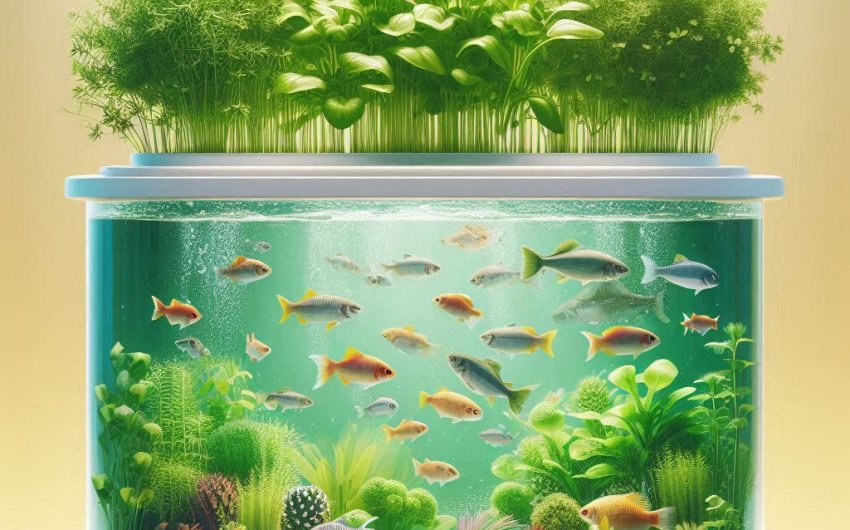
Learning how to grow plants in aquaponics unlocks a highly efficient and sustainable way to produce food. This innovative system combines aquaculture (raising fish) with hydroponics (growing plants without soil), creating a symbiotic relationship where fish waste nourishes the plants, and the plants filter the water for the fish. It's a fascinating, closed-loop ecosystem that conserves water, eliminates soil-borne diseases, and can yield impressive results in a relatively small footprint.
What is Aquaponics and How Does it Work?
Understanding the basic principles of aquaponics is fundamental to learning how to grow plants in aquaponics. It's an elegant integration of two food production methods into one self-sustaining cycle.
Defining Aquaponics:
Aquaponics is a food production system that combines conventional aquaculture (raising aquatic animals such as fish, snails, crayfish or prawns in tanks) with hydroponics (cultivating plants in water).
The Symbiotic Relationship:
The genius of aquaponics lies in its symbiotic, mutually beneficial relationship:
- Fish Waste: Fish are fed, and they produce waste, primarily ammonia, through their gills and excretions.
- Ammonia to Nitrite: Beneficial bacteria (specifically Nitrosomonas bacteria) that live in the water and on the surfaces of the system convert the toxic ammonia from fish waste into nitrite.
- Nitrite to Nitrate: Another group of beneficial bacteria (specifically Nitrobacter bacteria) then convert the nitrite (which is still harmful to fish) into nitrate.
- Plants Absorb Nitrate: Nitrate is the primary form of nitrogen that plants can readily absorb and use as a nutrient for growth. The plants "clean" the water by absorbing these nitrates.
- Clean Water Returns to Fish: The filtered, cleaned water is then recirculated back to the fish tank, providing a healthy environment for the aquatic life.
This continuous cycle creates a sustainable system where inputs (fish food) are converted into two valuable outputs: fish and plants.
Key Components of an Aquaponics System:
- Fish Tank (Rearing Tank): Where the aquatic animals are housed and fed.
- Grow Bed(s): Where the plants are grown. This can be configured in various ways (media beds, rafts, NFT channels).
- Sump Tank (Optional but Recommended): A reservoir for collecting water before it's pumped back to the fish tank, helping to stabilize water levels and allow solids to settle.
- Water Pump: Moves water from the fish tank (or sump) to the grow beds.
- Air Pump & Air Stone: Provides oxygen for the fish and, importantly, for the beneficial bacteria in the system.
- Plumbing: Pipes and fittings to connect all the components and create the recirculating flow.
Understanding this elegant closed-loop system is the first and most important step in appreciating the benefits and nuances of how to grow plants in aquaponics.
What Are the Benefits of Growing Plants in Aquaponics?
Beyond just producing food, there are numerous compelling reasons why learning how to grow plants in aquaponics can be an incredibly rewarding and sustainable choice for both personal and environmental well-being.
- Water Conservation: This is one of the biggest advantages. Aquaponics uses significantly less water than traditional soil-based gardening (up to 90% less!) because water is recirculated and not lost to runoff or evaporation from soil.
- No Weeding: Since there's no soil, there are no weeds to pull! This dramatically reduces maintenance time.
- No Soil-Borne Pests or Diseases: Eliminates issues like nematodes, fusarium wilt, and other common soil-borne problems that plague traditional gardens.
- No Fertilizers Needed (Once Established): The fish waste provides all the necessary nutrients for the plants naturally. You don't need to buy or apply chemical fertilizers, saving money and reducing environmental impact.
- Faster Plant Growth: Plants in aquaponics systems often grow much faster than in soil because nutrients are directly available to their roots in a highly oxygenated water solution.
- Higher Yields: Due to optimized growing conditions and continuous nutrient supply, aquaponics systems can produce higher yields in a smaller footprint compared to conventional gardening.
- Year-Round Production: Indoor aquaponics systems allow for continuous production regardless of external weather conditions.
- Dual Harvest (Fish & Plants): You get two food crops from one system, maximizing productivity.
- Sustainable and Eco-Friendly: Reduces waste, conserves water, eliminates chemical runoff, and operates on a natural biological cycle.
- Less Physical Labor: No digging, tilling, or heavy lifting of soil.
- Educational and Therapeutic: It's a fascinating, living ecosystem to observe and learn from, providing a calming and engaging hobby.
- Less Space Needed: Can be set up vertically or in small areas like patios, balconies, or basements.
These myriad advantages highlight why aquaponics is gaining popularity as a cutting-edge method for sustainable food production.
What are the Different Types of Aquaponics Systems?
Before you start assembling your system, understanding the main types of aquaponics setups is key to deciding which best fits your space, budget, and experience level when learning how to grow plants in aquaponics.
1. Media Beds (or Flood & Drain / Ebb & Flow)
- Description: The most popular type for beginners. Grow beds are filled with an inert growing medium (like hydroton clay pebbles, gravel, or lava rock). Water from the fish tank floods the grow bed, then drains back to the fish tank (or sump) via a bell siphon or timer.
- How it Works: The flooding and draining action provides both water and oxygen to the plant roots. The media also provides surface area for beneficial bacteria and acts as a filter for solid waste.
- Pros:
- Excellent Biofiltration: The media acts as both a mechanical filter (trapping solids) and a biological filter (housing bacteria).
- Good for Worms: Worms can be added to the media beds to break down solid fish waste, further converting it into plant-available nutrients.
- Good for Root Vegetables: Can support plants with larger root systems or even some root vegetables (though not large tubers like potatoes).
- Relatively Simple: Easy to set up and manage for beginners.
- Cons:
- Heavy: Grow beds filled with media can be very heavy, requiring sturdy support.
- Limited Plant Choice: Not ideal for very delicate or extremely thirsty plants.
2. Deep Water Culture (DWC) or Raft System
- Description: Plants are grown on rafts (e.g., styrofoam boards) that float on a deep reservoir of nutrient-rich fish water. The plant roots are continuously submerged in the oxygenated water.
- How it Works: An air stone provides oxygen to the water, preventing root rot. The plants absorb nutrients directly from the water.
- Pros:
- Excellent for Leafy Greens: Ideal for fast-growing leafy greens and herbs.
- Fast Growth: Plants often grow very quickly due to constant nutrient and water access.
- High Density: Can grow many plants in a small area.
- Cons:
- Less Biofiltration: Requires a separate filter (e.g., biofilter, swirl filter) to handle solid fish waste, as the grow bed itself doesn't filter.
- Oxygenation is Key: Requires reliable aeration.
- Not for Root Vegetables: Only suitable for plants that tolerate having their roots continuously submerged.
3. Nutrient Film Technique (NFT)
- Description: Plants are grown in long, narrow channels (pipes or gutters). A thin film of nutrient-rich water flows continuously over the roots.
- How it Works: The roots mostly grow on the bottom of the channel, allowing the top part to be exposed to air for oxygen. Water flows back to the fish tank (or sump).
- Pros:
- Efficient Water Use: Very low water consumption.
- Easy Harvesting: Plants are at a convenient height for harvesting.
- Modular: Easily expandable for commercial setups.
- Cons:
- Requires Separate Filtration: Like DWC, needs external filtration for solids and biofiltration.
- Vulnerable to Pump Failure: If the pump stops, roots can dry out quickly.
- Limited Plant Choice: Best for smaller, fast-growing, shallow-rooted plants.
Hybrid Systems:
Many aquaponics systems combine elements from these basic types, such as having both a DWC raft system and a media bed, to maximize benefits and grow a wider range of plants.
For most beginners, the media bed system is the recommended starting point due to its simplicity in filtration and management.
What Fish Species Are Best for Aquaponics?
Choosing the right fish species is a critical decision when learning how to grow plants in aquaponics. The fish are the "engine" of your system, providing the nutrients for your plants. You need hardy, fast-growing, and efficient nutrient producers.
Key Considerations for Aquaponics Fish:
- Hardiness: They should be tolerant of varying water conditions (temperature, pH) and less susceptible to stress.
- Growth Rate: Faster-growing fish convert food into waste (and thus nutrients) more quickly.
- Dietary Needs: Choose fish that readily accept commercial fish food.
- Temperature Tolerance: Match the fish to your typical ambient indoor temperature or be prepared to use a fish tank heater.
- pH Tolerance: Ensure their preferred pH range is compatible with the needs of your chosen plants.
Best Fish Species for Beginners:
- Tilapia:
- Pros: Extremely hardy, very fast-growing, tolerant of a wide range of water conditions and temperatures, and efficient at converting food into waste. Excellent for food production.
- Cons: Require warm water (70-85°F / 21-29°C), can be considered invasive if introduced to natural waterways (must be contained indoors). Some people find them less palatable than other fish.
- Ideal For: Commercial systems, larger home systems, warm climates.
- Goldfish:
- Pros: Very hardy, tolerant of a wide temperature range, and readily available. Great for a learning system where you don't necessarily want to eat the fish.
- Cons: Slower growing, produce less waste than Tilapia, so they might not support as many plants.
- Ideal For: Small-scale hobby systems, educational setups, cooler environments.
- Koi:
- Pros: Similar to goldfish in hardiness and temperature tolerance, can grow very large and be quite beautiful.
- Cons: Also slower growing and produce less nutrient-rich waste than Tilapia. Primarily ornamental.
- Ideal For: Larger, ornamental aquaponics systems.
- Trout (e.g., Rainbow Trout):
- Pros: Highly prized food fish.
- Cons: Require much cooler water (50-65°F / 10-18°C), higher oxygen levels, and are more sensitive to water quality issues. Not for beginners.
- Ideal For: Cold-weather regions, advanced growers.
- Catfish (e.g., Channel Catfish):
- Pros: Very hardy, fast-growing.
- Cons: Can be aggressive, require large tanks.
- Ideal For: Larger home systems.
Fish-to-Plant Ratio:
This is a key concept. The amount of fish food you feed daily dictates the amount of nutrients available for your plants. As a general rule for beginners:
- Lightly Stocked: 1 fish per 5-10 gallons of water (for a small system, start light).
- Moderately Stocked: 1 fish per 3-5 gallons.
- Heavily Stocked: 1 fish per 1-2 gallons (requires very robust filtration and close monitoring).
Start with a low stocking density and gradually increase as your system cycles and stabilizes.
Selecting the right fish ensures a productive and balanced ecosystem, making it a pivotal choice in your aquaponics journey.
What Plants Grow Best in Aquaponics?
Choosing the right plant species is essential for success when learning how to grow plants in aquaponics. Some plants thrive in water-based systems, while others are less suited. Generally, plants with low to medium nutrient requirements and shallow root systems perform best.
Best Plants for Beginners in Aquaponics:
These plants are typically fast-growing, have moderate nutrient needs, and are forgiving of minor fluctuations in water parameters.
- Leafy Greens:
- Why they're great: Fastest growers, low nutrient needs, high yield, excellent for DWC and NFT systems.
- Examples: Lettuce (Butterhead, Romaine, Looseleaf varieties), Spinach, Arugula, Kale, Swiss Chard, Watercress.
- Herbs:
- Why they're great: Many herbs love the consistent moisture and nutrient availability.
- Examples: Basil, Mint, Chives, Parsley, Cilantro, Dill, Oregano, Thyme.
- Fruiting Vegetables (require more nutrients/light):
- Why they're great: More challenging but rewarding. Require more established systems and typically media beds.
- Examples: Strawberries (excellent for aquaponics), Bell Peppers, Cherry Tomatoes (larger varieties might struggle), Cucumbers.
- Considerations: These need higher nutrient levels (so a more mature system and potentially more fish), and specific light and temperature conditions. They might also need support structures (stakes, trellises).
Plants to Avoid (Especially for Beginners):
- Root Vegetables: Large tubers like potatoes, carrots, or radishes don't do well directly in water or grow media. The environment isn't ideal for swelling root development, and harvesting can disrupt the system.
- High Nutrient Feeders (initially): While some can grow, very heavy feeders like corn or large pumpkins may deplete nutrients too quickly in a new or small system.
- Acid-Loving Plants: Blueberries or azaleas prefer acidic soil (low pH), which is generally outside the ideal pH range for fish in aquaponics (usually 6.0-7.0).
- Large Trees or Shrubs: Not practical for typical home aquaponics systems.
Factors to Consider When Choosing Plants:
- System Type:
- DWC/NFT: Best for leafy greens, herbs (plants that don't need significant root support).
- Media Beds: More versatile, can handle leafy greens, herbs, and most fruiting vegetables.
- Light Requirements: Match the plant's light needs to your available light source (natural or artificial). Fruiting plants generally need more intense light.
- Nutrient Needs: Start with lighter feeders, gradually moving to heavier feeders as your system matures and nitrogen levels become consistent.
- Climate/Temperature: Match plants to the temperature range of your aquaponics system.
By selecting appropriate plants, you maximize your chances of a successful and bountiful harvest, which is a core outcome of successfully understanding how to grow plants in aquaponics.
How Do You Maintain Water Quality in Aquaponics?
Maintaining optimal water quality is the single most important aspect of learning how to grow plants in aquaponics. The health of your fish, plants, and the essential beneficial bacteria all depend on stable and suitable water parameters.
Key Water Parameters to Monitor:
Regular testing is crucial, especially in a new or developing system. Use a reliable aquaponics test kit or individual test strips.
- pH (Acidity/Alkalinity):
- Ideal Range: This is a balancing act.
- Fish: Most fish prefer slightly acidic to neutral (6.5-7.5).
- Bacteria: Nitrifying bacteria prefer neutral to slightly alkaline (7.0-8.0).
- Plants: Most plants prefer slightly acidic (5.5-6.5) for optimal nutrient uptake.
- Compromise: Aim for 6.0-7.0. This allows all three components to function effectively.
- Monitoring: Test daily initially, then weekly once stable.
- Adjustments:
- To Lower pH: Use small amounts of a pH down solution (often phosphoric acid), or naturally with hydroponic pH down. Always add slowly and retest.
- To Raise pH: Use small amounts of a pH up solution (often potassium carbonate), or naturally with hydroponic pH up. Also add slowly.
- Natural Fluctuations: Fish waste naturally lowers pH over time, while tap water can raise it.
- Ideal Range: This is a balancing act.
- Ammonia (NH3/NH4+):
- Ideal Level: 0 ppm (parts per million). Ammonia is highly toxic to fish.
- Monitoring: Test daily during cycling, then weekly.
- High Ammonia: Indicates an immature bacterial colony or overstocking/overfeeding.
- Solution: Stop feeding fish immediately. Do a partial water change (20-30%). Ensure good aeration.
- Nitrite (NO2-):
- Ideal Level: 0 ppm. Also toxic to fish.
- Monitoring: Test daily during cycling, then weekly.
- High Nitrite: Indicates the first type of bacteria (Nitrosomonas) are converting ammonia, but the second type (Nitrobacter) haven't caught up yet.
- Solution: Same as ammonia: stop feeding, partial water change, ensure aeration.
- Nitrate (NO3-):
- Ideal Level: 10-40 ppm. This is the beneficial form of nitrogen that plants absorb.
- Monitoring: Test weekly.
- Low Nitrate: Plants might be nutrient-starved. Indicates under-stocking fish or not enough feeding.
- High Nitrate: Indicates healthy nitrification, but if very high, means plants aren't absorbing enough (too few plants, plants too small). A partial water change can reduce it.
- Water Temperature:
- Ideal Range: Varies significantly by fish species. Ensure it's suitable for both your fish and plants. Most common aquaponics fish prefer 65-80°F (18-27°C).
- Monitoring: Use a fish tank thermometer.
- Solution: Use a fish tank heater or chiller if needed.
- Dissolved Oxygen (DO):
- Ideal Level: >5 ppm. Essential for fish, plants, and bacteria.
- Monitoring: Less common for home systems, but healthy fish behavior is a good indicator.
- Solution: Ensure your air pump and air stone are running continuously. Ensure good water circulation and splashing (e.g., from water returning to the fish tank).
System Cycling:
- Crucial Initial Step: Before adding many fish, your system must undergo a "cycling" process. This establishes the beneficial bacterial colonies that convert ammonia to nitrate.
- Process: Add a small amount of fish food or pure ammonia to the tank. Monitor ammonia, nitrite, and nitrate daily. Ammonia will spike, then nitrite will spike, and finally, nitrate will rise as ammonia and nitrite fall to zero. This indicates a complete cycle. This can take 4-6 weeks.
- Patience: Do not rush cycling. It's the foundation of a stable system.
By diligently monitoring and adjusting these water parameters, you create a stable, healthy environment that enables your aquaponics system to thrive.
How Do You Feed Your Fish and Plants in Aquaponics?
In an aquaponics system, the fish are effectively your nutrient factory, so understanding how to feed your fish is directly linked to how to grow plants in aquaponics. The plants rely entirely on the fish waste for their nourishment.
1. Feeding Your Fish:
- High-Quality Fish Food: Use a high-quality, complete fish food specifically designed for your chosen fish species. This ensures the fish receive all necessary nutrients and produce balanced waste for the plants. Avoid cheap, filler-laden foods.
- Feeding Schedule:
- Young Fish: Feed 2-3 times a day.
- Mature Fish: Feed 1-2 times a day.
- Amount: Only feed what the fish can consume within 3-5 minutes. Never overfeed. Overfeeding leads to excess waste, ammonia spikes, and potential water quality issues.
- Observe Fish Behavior: Healthy fish are active and eager to eat. If fish are sluggish or not eating, it's often a sign of water quality problems. Stop feeding immediately if fish show signs of stress or ammonia/nitrite levels are elevated.
- Nutrient Input: The amount of food you feed is the primary driver of nutrient levels for your plants. More fish food means more nutrients (but also more waste to filter).
- Protein Content: Fish food typically contains 30-40% protein. The protein breaks down into ammonia, which is then converted by bacteria into nitrate for plants.
2. Providing Nutrients to Your Plants (Indirectly):
The beauty of aquaponics is that plants get their nutrients from the fish waste. You typically do not add external plant fertilizers once the system is fully cycled and healthy.
- Micronutrients (Occasional Need):
- While fish waste provides macro-nutrients (nitrogen, phosphorus, potassium) in abundance, some micronutrients (like iron, calcium, magnesium, and potassium) might become deficient over time, especially if your source water is very soft or your plants are heavy feeders.
- Symptoms of Deficiency: Yellowing leaves (especially younger leaves, indicating iron deficiency), stunted growth, weak stems.
- Solution: If deficiencies are identified via a plant tissue test or clear visual symptoms, you can add small amounts of chelated iron, calcium, or magnesium in a form safe for fish. Be cautious and add very slowly.
- pH Connection: Maintaining the ideal pH (6.0-7.0) also ensures that most nutrients are available for plant uptake. If pH is too high or too low, some nutrients become "locked out."
- Worm Composting (for Media Beds):
- In media bed systems, you can introduce red wiggler composting worms into the grow beds.
- These worms consume solid fish waste (and even some decaying plant matter), breaking it down and converting it into highly available nutrients that plants can easily absorb. This significantly boosts plant growth and reduces the need for external filtration of solids.
By diligently feeding your fish and understanding their role as nutrient providers, you manage the delicate balance of the aquaponics system, paving the way for successful harvests.
How Do You Harvest Plants in Aquaponics?
Harvesting plants from your aquaponics system is a continuous and rewarding process. Because plants grow quickly and nutrients are constantly available, you can often enjoy multiple harvests, a clear advantage of learning how to grow plants in aquaponics.
General Harvesting Principles:
- Continuous Harvest (for leafy greens & herbs): Unlike traditional gardening where you might harvest a whole head of lettuce at once, with aquaponics, it's often best to practice continuous harvesting.
- Outer Leaves: For plants like lettuce, spinach, kale, and most herbs, simply pick the outermost, mature leaves, leaving the inner leaves to continue growing. This allows the plant to keep producing for an extended period.
- Full Plant (Rotate): Alternatively, you can harvest the entire plant, then replace it with a new seedling. This is common in DWC systems for leafy greens to maintain production cycles.
- Timing: Harvest plants when they reach a desirable size and before they start to "bolt" (go to seed, often due to high temperatures or maturity), which can make leafy greens bitter.
- Cleanliness: Always use clean hands or pruning shears to avoid introducing pathogens into your system.
- Minimize Disturbances: When harvesting, try to minimize disturbance to the plant's roots in the grow media or water.
Specific Harvesting Tips by Plant Type:
- Leafy Greens (Lettuce, Spinach, Kale, Swiss Chard):
- Method 1 (Cut-and-Come-Again): Use scissors to snip off the outer leaves at the base, leaving the inner growth point intact. The plant will regrow new leaves. This can allow for weeks or months of continuous harvest.
- Method 2 (Whole Plant): Cut the entire head of lettuce or plant at its base, leaving behind a small stump. This stump may sometimes regrow for another small harvest.
- Herbs (Basil, Mint, Cilantro, Parsley):
- Pinch Back: Regularly pinch off the top sets of leaves or snip stems above a node. This encourages bushier growth and prevents the plant from flowering prematurely (which can change flavor).
- Avoid Over-Harvesting: Don't remove more than one-third of the plant at any one time, especially for delicate herbs like cilantro.
- Fruiting Vegetables (Strawberries, Bell Peppers, Tomatoes):
- Harvest When Ripe: Pick fruits when they reach their mature color and size. For bell peppers, they can be harvested green or allowed to ripen to red/yellow.
- Use Shears: Snip the stem just above the fruit using clean pruning shears to avoid damaging the plant.
- Support: Provide adequate support (staking, trellising) for fruiting plants as they grow to bear the weight of their produce.
Post-Harvest Considerations:
- Nutrient Levels: Increased plant growth and harvesting can mean increased nutrient uptake. Monitor your nitrate levels. If they drop significantly, you might need to slightly increase fish feeding (assuming fish are healthy and water parameters allow).
- Plant Replenishment: As you harvest whole plants or notice a plant declining in vigor, replace it with a new seedling to maintain continuous production.
- Remove Dying Leaves/Plants: Promptly remove any yellowing, dead, or diseased leaves or plants from the system. This prevents decay that can introduce undesirable organic matter into your water or spread disease.
By implementing smart harvesting techniques, you can ensure a consistent flow of fresh, homegrown produce from your aquaponics system, making the effort involved in learning how to grow plants in aquaponics truly worthwhile.