
Grow Season Extension: How to Build a DIY Greenhouse
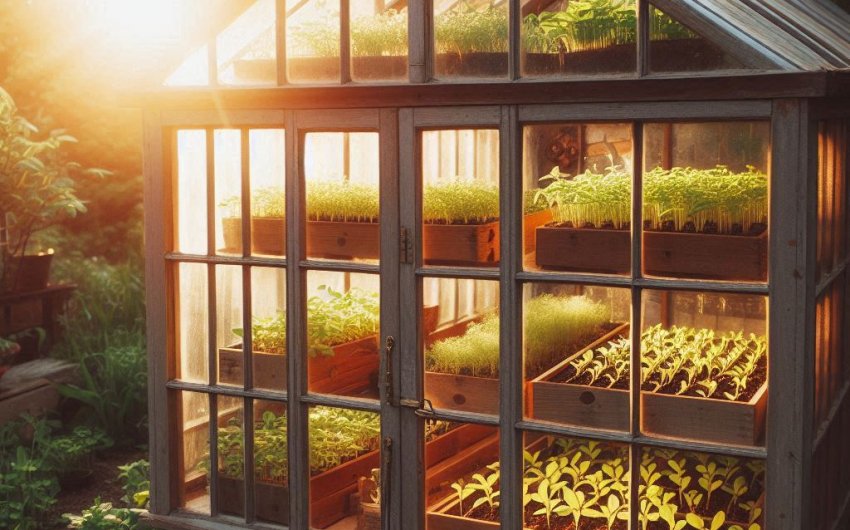
Learning how to build a DIY greenhouse is an empowering project that can significantly extend your gardening season, protect delicate plants, and open up possibilities for year-round cultivation. Creating your own controlled environment for plants doesn't have to be complicated or expensive. With careful planning, a few basic tools, and a bit of effort, you can construct a functional and rewarding structure perfectly suited to your needs and budget.
Why Should You Build a DIY Greenhouse?
Deciding to construct your own DIY greenhouse offers numerous compelling advantages over purchasing a pre-made kit or not having a greenhouse at all. The benefits extend beyond just growing plants, making the effort worthwhile.
- Cost Savings: This is often the primary motivator. Building it yourself, especially using repurposed materials, can be significantly cheaper than buying a comparable ready-made greenhouse kit or hiring someone to build one.
- Customization: You can tailor the size, shape, materials, and features of your greenhouse exactly to your specific gardening needs, available space, and aesthetic preferences. No more trying to fit a standard kit into an awkward spot.
- Extended Growing Season: A greenhouse provides a controlled environment, allowing you to:
- Start seeds much earlier in spring.
- Protect tender plants from late frosts or cold snaps.
- Grow cool-season crops further into fall or even winter.
- Cultivate warmth-loving plants (like tomatoes, peppers) for a longer period.
- Pest and Disease Control: The enclosed nature of a greenhouse offers a physical barrier against many common outdoor pests and can help manage certain diseases.
- Protection from Elements: Shields plants from harsh winds, heavy rain, hail, and excessive summer sun (with proper shading).
- Year-Round Gardening: For dedicated gardeners, a heated or well-insulated greenhouse can enable truly year-round cultivation of a wide range of plants.
- Therapeutic Hobby: The construction process itself can be a rewarding DIY project, and having a dedicated, warm space for gardening in any weather is incredibly enjoyable and relaxing.
- Upcycling and Sustainability: Using salvaged materials (old windows, lumber, plastic bottles) contributes to sustainability and adds character to your greenhouse.
- Increased Success Rate: Providing optimal and stable conditions means your seedlings will be stronger, and your plants will be more productive.
For any gardener looking to expand their capabilities and get more out of their growing efforts, learning how to build a DIY greenhouse is a fantastic investment of time and resources.
What Are the Different Types of DIY Greenhouses?
Before you grab your tools, understanding the various DIY greenhouse designs is crucial. Each type offers different levels of complexity, cost, and functionality, so choose one that best fits your needs, budget, and skills when learning how to build a DIY greenhouse.
1. Cold Frame
- Description: A simple, low-lying structure, often just a bottomless box with a transparent lid.
- Purpose: Primarily for hardening off seedlings (acclimating them to outdoor conditions), protecting cool-season crops in early spring/late fall, or overwintering very hardy plants.
- Pros: Very inexpensive, easy to build, uses minimal materials.
- Cons: Limited height, no walk-in access, doesn't provide significant winter warmth in cold climates.
- Ideal Materials: Wood, concrete blocks, old windows/storm doors for the lid.
2. Lean-to Greenhouse
- Description: A greenhouse attached to an existing structure (like a house, garage, or shed) using one of its walls as a support.
- Purpose: Extends the growing season, offers a walk-in space.
- Pros: Benefits from the heat retention of the attached building, reduces construction materials (one less wall), easier access to utilities (water, electricity).
- Cons: Limited in size by the existing structure, potential for overheating if facing south without ventilation.
- Ideal Materials: Wood framing, polycarbonate panels or glass.
3. Freestanding Greenhouse (Gable or Hoop/Polytunnel)
- Description: A standalone structure, not attached to another building.
- Gable (House-Shaped): Traditional greenhouse design with a peaked roof, offering good head room and often more robust construction.
- Hoop/Polytunnel: Made from curved hoops (PVC pipe, metal conduit) covered with greenhouse film. Less expensive and quicker to build.
- Purpose: Year-round growing, maximum flexibility in placement, larger growing space.
- Pros: Most versatile, can be oriented for optimal sun exposure, easy to expand.
- Cons: Requires more materials, can be more complex to build (especially gable type), requires its own heating/cooling.
- Ideal Materials:
- Gable: Wood or metal framing, polycarbonate panels or glass.
- Hoop: PVC pipe, metal conduit, greenhouse film.
4. Mini/Portable Greenhouse
- Description: Small, often shelved structures, typically with a metal frame and a zippered plastic cover.
- Purpose: Starting seeds on a patio, temporary plant protection, very limited space gardening.
- Pros: Very inexpensive, very easy to assemble, portable.
- Cons: Very limited growing space, not very durable, poor insulation, hard to regulate temperature/humidity, easily blown over.
- Ideal Materials: Metal poles, plastic connectors, clear plastic cover.
For this guide on how to build a DIY greenhouse, we will focus on building a sturdy, yet manageable freestanding wood-framed polytunnel-style greenhouse which offers a good balance of function, affordability, and DIY feasibility.
What Materials and Tools Do You Need to Build a DIY Greenhouse?
Gathering the right materials and tools is the first practical step in learning how to build a DIY greenhouse. While specific needs vary by design, here's a comprehensive list for a common wood-framed polytunnel-style greenhouse.
Key Materials:
- Framing Lumber:
- Pressure-Treated 2x4s: For the base frame, which will be in contact with the ground, providing rot resistance.
- Untreated 2x2s or 2x4s: For vertical studs, rafters, and horizontal supports. The quantity will depend on your desired greenhouse size.
- Examples: Pressure-treated 2x4s, untreated 2x2s.
- Hoop Material: (For a polytunnel design)
- PVC Pipes (Schedule 40): Durable and flexible. Typically 1-inch or 1.25-inch diameter.
- EMT Conduit: More robust, but requires a conduit bender.
- Examples: 1-inch Schedule 40 PVC pipe.
- Greenhouse Covering:
- Greenhouse Film/Polyethylene Sheeting: Specific UV-treated polyethylene film designed for greenhouses (4-6 mil thick). Resists degradation from sunlight and maintains clarity. Avoid regular painter's plastic.
- Polycarbonate Panels: More expensive but highly durable, better insulation, and longer lifespan.
- Examples: 6 mil greenhouse polyethylene film.
- Hardware:
- Screws: Exterior-grade deck screws (e.g., 3-inch deck screws) for framing.
- Hardware for Hoops: Metal conduit straps or PVC pipe straps to attach hoops to the base.
- Clips/Clamps: Spring clamps or specialized greenhouse film clamps to secure the film to the frame.
- Hinges and Latch: For the door.
- Staples: Heavy-duty staples for attaching film/panels.
- Foundation Material (Optional but Recommended):
- Concrete Anchors: If anchoring to concrete blocks or a concrete slab.
- Rebar: To secure PVC hoops into the ground or into wood.
- Examples: 1/2 inch rebar.
- Other:
- Door material: Plywood, salvaged wood, or a framed opening for the plastic.
- Vents: Manually openable vents or small exhaust fans.
Essential Tools:
- Measuring Tape: For accurate measurements.
- Pencil/Marker: For marking cuts.
- Saw: Circular saw for lumber cuts. Hand saw for small adjustments.
- Drill/Impact Driver: For driving screws.
- Level: To ensure framing is plumb and square.
- Utility Knife or Shears: For cutting greenhouse film.
- Staple Gun: Heavy-duty staple gun with appropriate length staples.
- Shovel/Spade: For leveling the site and digging.
- Hammer: For stakes or minor adjustments.
- Safety Gear: Safety glasses and work gloves.
Having all your materials and tools laid out before you begin construction will make the building process smoother and more efficient.
How Do You Choose the Right Location for Your DIY Greenhouse?
Selecting the optimal location is a critical first step that directly impacts the performance and efficiency of your DIY greenhouse. Careful consideration here can save you a lot of effort and expense later on.
Key Factors for Location Selection:
Sunlight Exposure:
- Primary Factor: A greenhouse's purpose is to maximize sunlight capture. Choose a spot that receives full sun (at least 6-8 hours of direct sunlight) daily, especially during the winter months when sun angles are low.
- Orientation: In the Northern Hemisphere, orient the longest side of your greenhouse (if rectangular) towards the south. This maximizes solar gain in winter.
- Shading: Be mindful of mature trees, buildings, or other structures that might cast shadows on your greenhouse, particularly in fall, winter, and early spring.
Level Ground:
- Importance: A level site is essential for stable construction and proper drainage. Building on uneven ground will complicate framing and lead to structural weaknesses.
- Preparation: If your chosen spot isn't level, you'll need to do some site leveling before laying your foundation.
Drainage:
- Good Drainage: The site must have good natural drainage to prevent water from pooling around the base of the greenhouse, which can lead to rot, dampness inside, and foundation issues.
- Avoid Low Spots: Don't build in a low-lying area where water naturally collects.
Wind Protection:
- Shelter: While sun is crucial, strong winds can cause structural damage to your greenhouse, stress plants, and lead to significant heat loss.
- Natural Barriers: Look for a location sheltered by a windbreak (e.g., a fence, evergreen hedge, or existing building) on the side of prevailing winds. Avoid placing directly in a wind tunnel.
Accessibility:
- Ease of Use: Choose a location that is easily accessible for you to work, carry plants, soil, and tools.
- Utilities: Consider proximity to water (for irrigation) and electricity (for heaters, fans, grow lights if needed). Running long hoses or extension cords can be inconvenient or costly.
Proximity to Home:
- Convenience: Being closer to your house can make daily checks, watering, and harvesting much more convenient, especially in cold or wet weather.
- Aesthetics: Consider how the greenhouse will look from your home and blend with your existing landscape.
Future Expansion:
- If you anticipate wanting a larger greenhouse down the line, choose a spot that allows for future expansion.
Local Regulations/Permits:
- Check First: Before you start digging, check with your local municipality or homeowner's association for any zoning regulations, building codes, or permit requirements for accessory structures like greenhouses. This can save you headaches later.
By carefully evaluating these factors, you'll lay the groundwork for a highly functional and successful DIY greenhouse.
How Do You Build the Base Frame for a DIY Greenhouse?
The base frame is the foundation of your DIY greenhouse, providing stability and anchoring the entire structure. Building a sturdy and level base is crucial for the longevity and integrity of your greenhouse, making it a pivotal step in learning how to build a DIY greenhouse.
Materials Needed for the Base Frame:
- Pressure-treated 2x4s (or 4x4s for a heavier duty base) – quantity depends on your desired footprint (e.g., for an 8x10 ft greenhouse, you'll need two 10 ft pieces and two 8 ft pieces for the perimeter).
- Exterior-grade deck screws (3-inch minimum)
- Drill/Impact driver
- Measuring tape
- Pencil
- Level (a long one is very helpful)
- Square (for checking corners)
- Shovel (for leveling site)
- Optional: Gravel, landscape fabric, concrete blocks/pavers for additional foundation support.
Steps for Building the Base Frame:
- Prepare the Site:
- Clear the chosen location of any debris, rocks, or vegetation.
- Level the Ground: This is paramount. Use your shovel and rake to create a perfectly flat and level area that is at least the size of your greenhouse footprint. Use your long level to check in all directions. If the ground is significantly sloped, you might need to excavate or build up one side to create a level pad.
- Lay Out the Perimeter:
- Place your pressure-treated 2x4s (or 4x4s) on the leveled ground, forming the rectangular or square perimeter of your greenhouse base.
- Ensure the dimensions are correct according to your plan (e.g., 8 ft x 10 ft).
- Square the Frame:
- Measure Diagonals: Measure the diagonal distances from corner to corner. For a perfectly square or rectangular frame, these diagonal measurements should be identical.
- Adjust: Adjust the frame until the diagonals match. Use a framing square to check each corner for a perfect 90-degree angle.
- Secure the Corners:
- Once the frame is square and level, use your drill and deck screws to securely fasten the lumber pieces together at each corner. Drive at least two screws through the end of one board into the face of the other at each corner. Pre-drilling pilot holes can prevent wood splitting, especially near ends.
- Anchor the Base (Recommended):
- To prevent shifting due to wind or ground movement, it's wise to anchor the base.
- Method 1 (Rebar Stakes): Drive pieces of rebar (1-2 feet long) down through the inside of the lumber frame into the ground, especially at the corners and along the longer sides. Leave an inch or two above the wood, then gently tap the rebar flush or just below the surface.
- Method 2 (Concrete Blocks/Pavers): For a more substantial foundation, you can lay concrete blocks or pavers underneath the pressure-treated lumber base, ensuring they are level. You can then anchor the wood to the blocks using concrete screws or anchor bolts.
- Add Interior Cross Braces (Optional):
- For larger or more complex base frames, you may want to add one or two pressure-treated 2x4s as cross braces within the frame for extra rigidity.
A solid, level, and well-anchored base frame is the backbone of your DIY greenhouse, providing the stability needed for the entire structure to withstand the elements and function effectively.
How Do You Install the Hoops and Ribs for a Polytunnel Greenhouse?
With the base frame securely in place, the next step in learning how to build a DIY greenhouse (polytunnel style) is to install the arched hoops that will form the roof and sides. This creates the essential curved structure over which the greenhouse film will be stretched.
Materials Needed for Hoops and Ribs:
- PVC pipes (Schedule 40, 1-inch or 1.25-inch diameter) – quantity based on greenhouse length and desired spacing (e.g., 2 ft or 4 ft apart).
- Rebar (1/2-inch diameter, cut into 18-24 inch lengths) – two pieces per hoop.
- Drill
- Drill bit slightly smaller than your rebar diameter (if pre-drilling)
- Hammer or sledgehammer (for driving rebar)
- Measuring tape
- Marker
Steps for Installing Hoops and Ribs:
- Mark Hoop Placement:
- Decide on your hoop spacing. Common spacing is 2 feet or 4 feet apart along the length of your base frame. Closer spacing provides a stronger structure, especially in areas with heavy snow or wind.
- Use your measuring tape and marker to mark the exact locations for each hoop on the inside of the long side pieces of your pressure-treated base frame. Ensure marks are directly opposite each other.
- Install Rebar Stakes:
- At each marked location, drive a piece of rebar halfway into the ground, just inside the wooden base frame. Leave about 8-12 inches of rebar sticking straight up. This protruding rebar will serve as the anchor for your PVC pipe hoops.
- Use a level to ensure the rebar is as vertical as possible.
- Bend and Install PVC Hoops:
- Take one PVC pipe. Carefully slide one end of the PVC pipe over a rebar stake.
- Gently bend the PVC pipe to form an arch, and slide the other end over the corresponding rebar stake on the opposite side of the base frame.
- Repeat this process for all your PVC hoops. They should form a series of even arches.
- Add Ridge Pole (Optional but Recommended for Stability):
- For extra strength and to prevent sagging, especially for longer greenhouses, install a ridge pole along the very top center of your hoops.
- Use a straight piece of wood (e.g., a 2x2) or another PVC pipe.
- Attach the ridge pole to the top of each hoop using PVC pipe straps and small screws, or with strong zip ties. This provides significant rigidity to the structure.
- Add Cross Braces / Purlins (Optional, for Extra Strength):
- For even more robust construction (recommended in windy or snowy areas), you can add horizontal braces (called purlins) along the sides of the hoops, parallel to the ridge pole.
- Attach them similarly to the ridge pole, connecting each hoop.
Tips for Hoops and Ribs:
- PVC Size: Larger diameter PVC (1.25 inch) will create a stronger, stiffer arch than 1-inch, but will be harder to bend.
- Hoop Length: The length of your PVC pipes will determine the height and width of your greenhouse. Experiment by bending a pipe and measuring the resulting arch before cutting all your pipes.
- Uniformity: Try to make all arches as uniform as possible for an even look and easier film application.
A well-constructed series of hoops forms the essential skeletal structure of your polytunnel greenhouse, making it ready for the next step of covering.
How Do You Install the End Walls and Door for a DIY Greenhouse?
The end walls and door are crucial components of your DIY greenhouse, providing access and forming the enclosure that maintains the desired climate. Crafting a sturdy and functional entrance is a key element in mastering how to build a DIY greenhouse.
Materials Needed for End Walls and Door:
- Additional framing lumber (2x2s or 2x4s) for the vertical and horizontal supports of the end walls.
- Plywood or other rigid material for the lower portion of the end walls (optional, for durability and to prevent tears in film).
- Greenhouse film/polycarbonate panels for the upper portion of the end walls.
- Lumber for the door frame (e.g., 2x2s).
- Hinges
- Latch/Handle
- Exterior-grade deck screws
- Drill
- Saw
- Measuring tape
- Level
Steps for Installing End Walls and Door:
- Frame the First End Wall (the "Back" Wall):
- This wall will typically be fully enclosed, without a door.
- Vertical Supports: Cut two vertical 2x2s or 2x4s that match the height of the arch at the sides of your first hoop. Securely screw them to the inside of the base frame and to the first hoop.
- Horizontal Braces: Cut horizontal pieces of lumber to fit between the base frame and the first hoop, connecting the vertical supports. You'll create a rectangle.
- Curved Top Piece: For the very top, you may need to cut a piece of lumber that roughly follows the curve of the hoop. You can use a flexible piece of wood or bend a thin piece of plywood to the curve, or simply leave the hoop exposed.
- Plywood/Rigid Lower Section (Optional): For durability against kicks or tools, you can attach a section of plywood to the lower part of the end wall frame. This also provides an anchor point for the film later.
- Frame the Second End Wall with a Door Opening (the "Front" Wall):
- This end will follow the same basic framing as the back wall, but with an opening framed for a door.
- Door Opening: Decide on the width and height of your door. Frame this opening with additional vertical and horizontal lumber, creating a doorway within the end wall. Ensure the doorway is tall enough for comfortable entry.
- Headroom: Make sure the door frame is securely attached to the top hoop or ridge pole.
- Construct the Door:
- Using 2x2s or thinner lumber, build a simple rectangular frame for your door that fits snugly within the framed opening you just created.
- Add a diagonal brace across the door frame for rigidity.
- Cover the door frame with the same greenhouse film or polycarbonate panels you'll use for the main structure. Secure with staples.
- Attach the Door:
- Position the door frame within the opening.
- Attach hinges to one side of the door and the corresponding side of the door frame.
- Install a latch or handle on the opposite side to keep the door securely closed.
- Cover End Walls (Before Main Film):
- Cut pieces of greenhouse film or polycarbonate panels to cover the entire framed end walls, including the areas around the door frame.
- Stretch the film taut and secure it to the wooden frame using a heavy-duty staple gun (every 4-6 inches) or screws with washers.
- Trim any excess film.
Tips for End Walls and Door:
- Plywood Base: A plywood base (about 2-3 feet high) on the end walls provides more durability against impacts than just film.
- Ventilation: Consider adding a small hinged vent window to the upper part of one or both end walls for passive ventilation, especially if you don't plan for a fan.
- Door Clearance: Ensure your door has adequate clearance to open and close without dragging on the ground or catching on the greenhouse frame.
With the end walls and door in place, your greenhouse structure is nearly complete and ready for its final covering.
How Do You Cover Your DIY Greenhouse with Film?
Applying the greenhouse film is the final step in enclosing your DIY greenhouse, transforming it into a functional growing environment. This step requires patience and a good day to minimize challenges, directly impacting the effectiveness of your efforts in how to build a DIY greenhouse.
Materials Needed:
- Greenhouse polyethylene film (UV-treated, 4-6 mil thickness) – ensure you buy a piece large enough to cover the entire structure with ample overlap for securing. Measure the length and the full circumference over the hoops.
- Heavy-duty staple gun with galvanized or stainless steel staples (1/2 inch or 3/8 inch)
- Greenhouse film clips/clamps (for securing film to hoops)
- Utility knife or very sharp shears
- Measuring tape
- Ladder or step stool (if needed for height)
- Helper (highly recommended!)
Steps for Covering with Film:
- Choose the Right Day:
- No Wind: This is crucial. A calm, windless day is ideal. Wind makes stretching the film extremely difficult and can cause tears.
- Mild Temperature: A warm (but not hot) day helps the film to be more flexible and easier to stretch taut. Avoid very cold days, as film can be brittle.
- Lay Out the Film:
- Unroll your greenhouse film near one end of the greenhouse structure.
- Carefully unfold it and drape it over the hoops, ensuring it is centered length-wise and there is enough overlap on all sides (especially the ends) to secure it.
- Anchor One End:
- Go to one end of the greenhouse. Have your helper hold the opposite end taut.
- Carefully staple the film to the outside of the base frame on this end, wrapping it underneath the frame. Start in the middle and work your way out, stretching the film as you go.
- Alternatively, you can bury the film in a trench dug around the perimeter of the base, creating an airtight seal.
- Stretch and Secure Along the Sides:
- With your helper, walk along one long side of the greenhouse, pulling the film taut over the hoops.
- Use greenhouse film clamps or spring clamps to temporarily secure the film to the hoops.
- Once taut, staple the film securely to the outside of the pressure-treated base frame along both long sides. You can also sandwich the film between two thin strips of wood (furring strips) and screw through them into the frame for a more secure and durable attachment.
- Anchor the Opposite End:
- Go to the other end of the greenhouse. This is where you will pull the film tight to remove wrinkles and slack.
- With your helper pulling from the opposite end, pull the film very taut, smoothing out any wrinkles.
- Secure this end to the base frame, again starting in the middle and working your way out, stapling or screwing into the frame.
- Seal the Ends:
- At each end of the greenhouse, you'll have excess film. Gather this excess film and pull it tightly around the wooden end wall frames (the ones you built with the door).
- Secure the film to the end wall framing using your staple gun, going every 4-6 inches. Ensure a tight seal to prevent drafts.
- Carefully cut away excess film, leaving a neat edge.
- For the door, cut the film neatly around the door frame opening.
- Add Battens (Optional but Recommended):
- For extra wind resistance and to secure the film more permanently, you can add thin strips of wood (furring strips) over the stapled film, screwing the strips into the underlying wooden frame. This protects the film from staple tears.
Tips for Covering:
- UV Protection: Make sure you use UV-treated greenhouse film. Regular plastic sheeting will degrade quickly in sunlight.
- Double Layer (Optional): For better insulation in colder climates, you can create a double layer of film with an air gap between them. This requires more precise framing.
- Avoid Punctures: Be careful not to puncture the film during installation. Remove any sharp edges or splinters from the frame.
With the film securely in place, your DIY greenhouse is now ready to protect and nurture your plants, allowing you to extend your growing season and experiment with new crops.
How Do You Add Ventilation and Heating/Cooling to a DIY Greenhouse?
Regulating the internal environment of your DIY greenhouse through ventilation, heating, and cooling is essential for plant health and successful cultivation. Without these systems, a greenhouse can quickly overheat on a sunny day or become too cold at night, making this a crucial aspect of learning how to build a DIY greenhouse.
1. Ventilation (Crucial for Preventing Overheating and Disease)
- Why it's Important:
- Temperature Control: Prevents dangerous overheating on sunny days, which can cook plants.
- Humidity Control: Reduces excessive humidity that encourages fungal diseases.
- Fresh Air: Provides carbon dioxide for photosynthesis and removes stale air.
- Methods:
- Manual Vents/Windows: Simplest method. Install hinged windows or vents high up on the end walls or side walls that you can manually open and close. A hinged vent window kit can be purchased.
- Roll-Up Sides: For polytunnels, a simple and effective method is to create roll-up sides at the base of the long walls. This allows hot air to escape low down. You can attach the film to a wooden or metal pipe that you can roll up and secure.
- Exhaust Fans: For more active and automated ventilation, install an exhaust fan (sized according to your greenhouse volume) near the top of one end wall, with passive intake vents lower down on the opposite end or sides. Connect to a thermostat for automation.
- Ridge Vents: In more complex designs, a vent along the peak of the roof allows hot air to escape naturally.
2. Cooling (Preventing Overheating in Summer)
- Why it's Important: Even with good ventilation, greenhouses can get dangerously hot.
- Methods:
- Shade Cloth: The most common and effective cooling method. Install a shade cloth over the exterior of the greenhouse during hot summer months (usually 30-50% shade factor). Remove it when temperatures cool. You can rig up a simple system with ropes and pulleys for easy deployment.
- White Wash: Painting a temporary whitewash solution on the outside of the polycarbonate or glass can reflect light.
- Swamp Coolers/Evaporative Coolers: For larger, more sophisticated setups, these draw in hot air, pass it over wet pads, and release cooler, humidified air.
3. Heating (Extending the Season in Colder Climates)
- Why it's Important: To maintain frost-free conditions or ideal growing temperatures through colder periods.
- Methods (ranging from low-tech to high-tech):
- Passive Solar Gain: Your greenhouse design already optimizes this.
- Thermal Mass: Incorporate materials that absorb heat during the day and release it at night. Examples: large water barrels (painted black), rocks, or even planting beds built with thermal mass materials.
- Compost Heat: A large, active compost pile inside a greenhouse can generate significant heat.
- Electric Heaters: Use a thermostatically controlled electric greenhouse heater with a fan to circulate warm air. This is the most common active heating method but can be costly to run.
- Propane/Natural Gas Heaters: More powerful for larger greenhouses but require venting for safety.
- Bubble Wrap Insulation: For temporary winter insulation, you can line the inside of the greenhouse walls with bubble wrap.
Key Considerations for All Systems:
- Thermometer/Hygrometer: Essential for monitoring internal temperature and humidity. A digital thermometer hygrometer is inexpensive and vital.
- Air Circulation Fan: Even without an exhaust fan, a small oscillating fan inside the greenhouse helps circulate air, prevent hot spots, and strengthen plant stems.
By thoughtfully integrating ventilation and appropriate heating/cooling solutions, you can create a stable, productive environment within your DIY greenhouse, truly mastering its functionality.