
Green Future: How to Create a Sustainable Garden
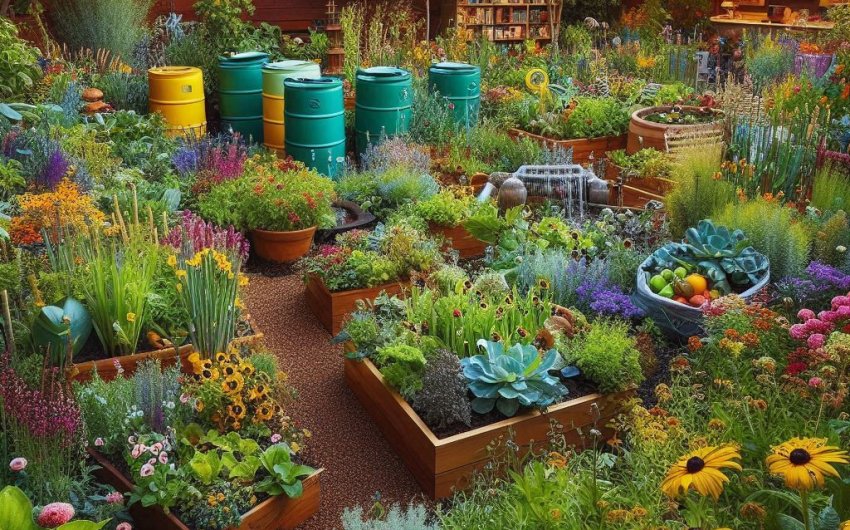
Learning how to create a sustainable garden is a rewarding journey that benefits both your landscape and the planet. This approach to gardening focuses on working with nature, conserving resources, reducing waste, and fostering biodiversity, ultimately creating a thriving ecosystem that requires less input and provides more output. By adopting sustainable practices, you build a healthier, more resilient outdoor space that supports local wildlife and enhances your enjoyment.
What is a Sustainable Garden?
A sustainable garden is more than just a plot of plants; it's an ecosystem designed to function in harmony with the environment, minimizing negative impacts while maximizing ecological benefits. Understanding this core concept is key to truly embracing how to create a sustainable garden.
- Eco-Friendly Design: It emphasizes working with existing natural conditions (soil, climate, light) rather than fighting against them.
- Resource Conservation: It aims to reduce the consumption of water, energy, and non-renewable resources.
- Waste Reduction: It minimizes waste sent to landfills by composting, reusing, and recycling.
- Biodiversity Support: It actively supports local wildlife, including pollinators, birds, and beneficial insects, by providing food, water, and shelter.
- Chemical-Free: It avoids synthetic pesticides, herbicides, and fertilizers that can harm soil health, water quality, and living organisms.
- Resilient and Self-Sufficient: Over time, a sustainable garden becomes more self-regulating, requiring less intervention and external inputs once established.
- Locally Adapted: It prioritizes plants that are well-suited to the regional climate and conditions.
In essence, a sustainable garden strives to mimic natural ecosystems, creating a living space that is beautiful, productive, and environmentally responsible.
How Do Native Plants Contribute to a Sustainable Garden?
Native plants are the backbone of any truly sustainable garden. Their integration is a fundamental principle when learning how to create a sustainable garden, offering myriad benefits that reduce resource consumption and bolster ecological health.
- Water Conservation: Native plants are adapted to your local rainfall patterns. Once established, they often require significantly less (or no) supplemental irrigation, greatly reducing your water footprint compared to non-native plants that may be thirstier.
- No Fertilizer Needed: Having evolved in your region's soil, native plants are accustomed to existing nutrient levels. They don't typically need supplemental fertilizers, eliminating chemical runoff and saving money.
- Pest and Disease Resistance: Native flora has co-evolved with local pests and diseases, developing natural resistances. This means less need for chemical pesticides, protecting beneficial insects and the environment.
- Support for Local Wildlife: This is perhaps their most vital role. Native plants provide the specific food (nectar, pollen, seeds, fruits) and habitat (shelter, nesting sites) that local pollinators, birds, and other wildlife have adapted to rely on. For example, specific native plants are often the only host plants for particular butterfly larvae.
- Soil Health Improvement: Their diverse root systems can improve soil structure, reduce erosion, and contribute organic matter as they naturally decompose, fostering a healthy soil food web.
- Sense of Place: They create a landscape that feels inherently connected to your local environment, reflecting the natural beauty of your region.
By prioritizing native plants, you're not just gardening; you're actively restoring and supporting the natural heritage of your landscape, creating a vibrant ecosystem from the ground up.
How Can You Conserve Water in a Sustainable Garden?
Water is a precious resource, and efficient water management is a cornerstone of learning how to create a sustainable garden. Reducing your garden's water consumption benefits both your wallet and the environment.
1. Choose Drought-Tolerant and Native Plants:
- Adaptation: As discussed, native plants are adapted to your local rainfall and generally require less supplemental water once established.
- Xeriscaping: Incorporate principles of xeriscaping (landscaping that reduces or eliminates the need for supplemental water) by choosing plants naturally suited to dry conditions.
2. Improve Soil Health with Organic Matter:
- Sponge Effect: Healthy soil rich in organic matter (like compost) acts like a sponge. It improves the soil's ability to absorb and retain water, making it available to plant roots for longer periods and reducing runoff.
- Compost: Regularly amend your soil with compost to enhance its water-holding capacity.
3. Use Mulch Extensively:
- Evaporation Reduction: Apply a 2-4 inch layer of organic mulch (wood chips, shredded leaves, straw) around plants. Mulch acts as a blanket, reducing water evaporation from the soil surface by up to 50%.
- Weed Suppression: Mulch also suppresses weeds, which compete with your plants for water.
4. Optimize Irrigation Methods:
- Water Deeply and Infrequently: Encourage deep root growth by watering less often but more deeply. This teaches roots to seek water further down, making plants more drought-tolerant.
- Drip Irrigation/Soaker Hoses: These systems deliver water directly to the plant's root zone, minimizing waste from evaporation and runoff compared to overhead sprinklers. They are highly efficient.
- Timing: Water in the early morning or late evening to reduce water loss to evaporation before the sun gets too strong.
5. Collect Rainwater:
- Rain Barrels: Install rain barrels connected to your downspouts to collect rainwater. This free, chemical-free water is excellent for plants.
- Rain Gardens: Design a rain garden (a shallow depression planted with water-tolerant native plants) to capture and slowly absorb stormwater runoff from impervious surfaces like roofs or driveways.
6. Reduce Lawn Area:
- High Water Use: Traditional lawns are typically very water-intensive.
- Replace: Consider reducing the size of your lawn and replacing it with native plant beds, drought-tolerant groundcovers, or permeable hardscaping.
By implementing these water-saving strategies, your garden will become a model of efficiency, showcasing a fundamental aspect of how to create a truly sustainable garden.
How Can You Improve Soil Health Naturally in a Sustainable Garden?
The soil is the living foundation of your garden, and nurturing its health naturally is paramount to learning how to create a sustainable garden. Healthy soil supports vigorous plants, reduces the need for external inputs, and fosters a thriving ecosystem.
1. Compost, Compost, Compost!
- "Black Gold": Compost is decomposed organic matter and the single best amendment for improving soil health.
- Benefits:
- Nutrient Source: Slowly releases essential nutrients to plants, reducing reliance on synthetic fertilizers.
- Soil Structure: Improves drainage in clay soils and water retention in sandy soils.
- Microbial Life: Feeds beneficial soil microorganisms (bacteria, fungi, worms), creating a healthy soil food web.
- How to Use: Incorporate finished compost into your garden beds annually, or use it as a top-dressing.
- Make Your Own: Building a DIY compost bin from kitchen scraps and yard waste is the ultimate sustainable practice.
2. Use Organic Mulch:
- Protective Layer: A layer of organic mulch (shredded leaves, wood chips, straw) protects the soil surface.
- Benefits: Suppresses weeds, moderates soil temperature, retains moisture, and, as it breaks down, adds organic matter and nutrients to the soil.
3. Minimize Tilling/Digging (No-Dig Gardening):
- Protect Soil Structure: Excessive digging and tilling disrupt the delicate soil structure and destroy the networks of beneficial microbes and fungi.
- No-Dig Approach: Adopt no-dig gardening practices where you build up soil layers with compost and mulch over existing ground, allowing soil life to do the work.
4. Incorporate Cover Crops:
- Off-Season Protection: For vegetable beds, plant cover crops (like clover, vetch, rye) during the off-season.
- Benefits:
- Erosion Control: Protects bare soil from wind and rain erosion.
- Weed Suppression: Outcompetes weeds.
- Nutrient Cycling: Adds organic matter and can fix nitrogen (legumes).
- Soil Structure: Improves soil tilth and drainage.
5. Rotate Crops:
- Nutrient Balance: In vegetable gardens, rotate the location of different plant families each season. This prevents nutrient depletion in specific areas and helps disrupt pest and disease cycles.
6. Avoid Synthetic Chemicals:
- Harmful to Soil Life: Synthetic fertilizers, pesticides, and herbicides can kill beneficial soil organisms, disrupting the natural balance and long-term health of your soil.
- Organic Alternatives: Rely on natural pest control, organic fertilizers (if needed), and healthy soil to build plant resilience.
By focusing on these natural methods, you cultivate a living, thriving soil that is the true engine of your sustainable garden.
How Can You Attract and Support Biodiversity in a Sustainable Garden?
A truly sustainable garden is a vibrant ecosystem, teeming with life. Actively attracting and supporting biodiversity is a core principle of learning how to create a sustainable garden, leading to a healthier, more resilient, and beautiful outdoor space.
1. Plant Native Species:
- Ecological Foundation: Native plants are fundamental for supporting local biodiversity. They provide the specific food sources (nectar, pollen, seeds, host plants for larvae) and shelter that local insects, birds, and other wildlife have co-evolved with and rely upon.
- Host Plants: Crucially, include host plants for butterflies and moths (e.g., milkweed for Monarchs, dill for Swallowtails).
2. Create Diverse Habitats:
- Layered Planting: Design your garden with various heights – trees, shrubs, perennials, grasses, and groundcovers. This creates different niches for a wider range of species.
- Water Source: Provide a shallow water source, like a bird bath with pebbles for bees to land on, or a small pond. Keep water sources clean.
- Brush Piles: A small, tidy brush pile in a discreet corner can provide shelter for insects, small mammals, and reptiles.
- Rock Piles: Rocks can provide basking spots for lizards or shelter for beneficial insects.
- Log Piles/Stumps: Rotting logs or stumps create habitat for fungi, insects, and provide nesting sites for some native bees.
3. Support Pollinators:
- Nectar & Pollen: Plant a diverse selection of native flowers that bloom at different times from early spring to late fall to provide a continuous food supply for bees, butterflies, and other pollinators.
- Flower Shapes & Colors: Offer a variety of flower shapes and colors to attract different types of pollinators.
- Avoid Double Flowers: Choose single-petal flowers, as they are more accessible to pollinators for nectar and pollen.
- Native Bee Nests:
- Leave small patches of bare, undisturbed soil for ground-nesting bees.
- Leave hollow plant stems (e.g., sunflower, elderberry) standing over winter for stem-nesting bees.
- Consider a native bee house.
4. Go Chemical-Free:
- Pesticides Harmful: Any pesticide, even organic ones, can harm beneficial insects (pollinators, predators) as well as pests.
- Herbicides Harmful: Herbicides destroy plant diversity and can impact soil life.
- Focus on Prevention: Promote healthy plant growth through good soil and the "right plant, right place" strategy. Let natural predators control pests.
5. Embrace a Little Messiness:
- Leave the Leaves: Don't rake up all fallen leaves in the fall. Leave them under shrubs and in garden beds where they provide critical overwintering habitat for butterflies and other insects, as well as acting as natural mulch.
- Delay Fall Cleanup: Wait until late spring to cut back dormant perennial stems. Many insects overwinter inside these stems.
By consciously designing your garden to be a welcoming haven for diverse life, you contribute immensely to local ecosystem health, embodying a true understanding of how to create a sustainable garden.
How Can You Reduce Waste and Recycle in a Sustainable Garden?
Minimizing waste and embracing recycling are practical actions that define a sustainable garden. This approach reduces your environmental footprint and often saves money, making it an essential part of learning how to create a sustainable garden.
1. Compost Everything Organic:
- Kitchen Scraps: Divert fruit and vegetable peels, coffee grounds, tea bags, and eggshells from the landfill into your compost bin.
- Yard Waste: Grass clippings, fallen leaves, small branches (shredded), spent plants, and non-diseased weeds are all valuable compost ingredients.
- Build Your Own: A DIY compost bin is a great investment for waste reduction.
2. Reuse and Repurpose Materials:
- Containers: Don't buy new plastic pots! Reuse old plastic containers, yogurt cups, milk jugs (cut for drainage), or even paper towel rolls for starting seeds. Larger items like old tires (with caution for leeching chemicals) or galvanized tubs can be repurposed as planters.
- Broken Items: Broken terra cotta pots can become garden markers or drainage crocks. Old wooden pallets can become raised beds or even a compost bin.
- Rain Barrels: An upcycled food-grade barrel can be converted into a rain barrel.
- Garden Stakes: Salvaged branches or old lumber can become functional stakes for plants.
- Tools: Don't throw away old tools! See if they can be sharpened, repaired, or repurposed before replacing them.
3. Reduce Plastic Use:
- Seed Starting: Use biodegradable seed starting pots (peat, coir, or paper), reusable plastic seed trays, or egg cartons instead of single-use plastic cells.
- Buying Plants: Look for nurseries that use compostable pots or offer a pot-return program.
- Mulch Bags: Buy mulch in bulk when possible to reduce plastic bag waste.
4. Minimize Off-Site Waste Export:
- "Chop and Drop": Instead of bagging up plant trimmings and sending them to the curb, chop them up and leave them as mulch in place. They will break down and return nutrients to the soil.
- Compost: As above, if you can compost it at home, don't send it to the landfill.
5. Choose Durable, Repairable Tools:
- Invest in Quality: Instead of buying cheap tools that break quickly, invest in durable, high-quality garden tools that can be sharpened and repaired. This reduces waste from frequent replacements.
- Tool Care: Learn how to care for your garden tools to extend their lifespan.
By implementing these waste reduction and recycling strategies, you significantly lighten your garden's environmental footprint, proving your commitment to how to create a sustainable garden.
How Can You Practice Integrated Pest Management (IPM) in a Sustainable Garden?
In a sustainable garden, managing pests and diseases isn't about eradication with chemicals; it's about prevention, fostering balance, and thoughtful intervention. Integrated Pest Management (IPM) is the core strategy, essential for learning how to create a sustainable garden that thrives without harmful inputs.
What is Integrated Pest Management (IPM)?
IPM is a holistic, common-sense approach to pest control that combines several strategies, starting with the least toxic and moving to stronger options only when necessary. Its goal is to manage pests effectively while minimizing risks to human health, beneficial organisms, and the environment.
IPM Strategies for a Sustainable Garden:
Prevention (The First Line of Defense):
- Healthy Soil & Plants: Strong, healthy plants grown in rich, well-drained soil are naturally more resistant to pests and diseases. Provide optimal light, water, and air circulation.
- Choose Resistant Varieties: Select plant varieties that are known to be resistant to common pests and diseases in your area.
- Right Plant, Right Place: Plant species where they will thrive. Stressed plants are more susceptible to problems.
- Sanitation: Remove and discard (do not compost diseased material) any diseased plant parts or heavily infested leaves. Clean up garden debris in fall to remove overwintering sites for pests.
- Crop Rotation: In vegetable gardens, rotate crops each season to break pest and disease cycles that build up in the soil.
- Quarantine New Plants: Inspect new plants carefully before introducing them to your garden to avoid bringing in pests or diseases.
Monitoring (Early Detection):
- Regular Inspection: Routinely check your plants for signs of pests (e.g., sticky residue, chewed leaves, visible insects) or disease (e.g., spots, wilting). Look on the undersides of leaves and in new growth.
- Identify Pests: Learn to identify common garden pests and diseases in your region. Knowing your enemy helps you choose the right strategy.
Cultural and Physical Controls (Least Toxic Interventions):
- Hand-Picking: For larger pests (slugs, tomato hornworms) or smaller infestations of aphids, simply pick them off and dispose of them (into a bucket of soapy water, for example).
- Strong Water Spray: A blast of water from a hose can dislodge aphids and spider mites from foliage.
- Barriers: Use physical barriers like row covers to protect young seedlings from flying insects.
- Traps: Use sticky traps for flying insects or slug traps for slugs.
- Companion Planting: Plant specific herbs or flowers near vegetables that can repel pests or attract beneficial insects.
- Improve Airflow: Proper plant spacing and occasional pruning can improve air circulation, reducing humidity and fungal diseases.
Biological Controls (Enlisting Nature's Helpers):
- Attract Beneficial Insects: Plant flowers that provide nectar and pollen for natural predators like ladybugs, lacewings, parasitic wasps, and hoverflies. These insects will naturally control aphid, whitefly, and other pest populations.
- Examples: Dill, Fennel, Yarrow, Sweet Alyssum, Marigolds.
- Purchase Beneficials: For larger gardens, you can purchase beneficial insects (e.g., ladybugs for gardens) and release them.
- Attract Beneficial Insects: Plant flowers that provide nectar and pollen for natural predators like ladybugs, lacewings, parasitic wasps, and hoverflies. These insects will naturally control aphid, whitefly, and other pest populations.
Targeted Organic/Low-Impact Sprays (Last Resort):
- If pest pressure is severe and other methods fail, use the least toxic options.
- Insecticidal Soap: Effective against soft-bodied insects like aphids, mites, and mealybugs. Requires direct contact.
- Neem Oil: Disrupts insect feeding and growth, also has some fungicidal properties.
- Bacillus thuringiensis (Bt): A naturally occurring bacterium that targets specific caterpillars.
- Always read labels carefully and apply according to instructions. Spot treat only affected areas.
By employing IPM strategies, you build a resilient garden ecosystem that manages itself largely without intervention, representing a key pillar of how to create a sustainable garden.
How Can You Design Your Sustainable Garden?
Thoughtful design is the blueprint for a functional and beautiful sustainable garden. It involves integrating all the principles discussed, ensuring your garden thrives with minimal intervention. This is a creative and strategic element in learning how to create a sustainable garden.
1. Site Analysis: Understand Your Garden's "Personality"
- Sun Mapping: Observe and map out how much sun each area of your garden receives throughout the day in different seasons. This will dictate plant placement.
- Soil Test: Understand your soil's type (clay, sand, loam) and pH. This informs plant selection and necessary amendments.
- Water Flow: Note how water moves through your property during rain. Are there wet spots, dry spots, or areas of runoff? Plan for rain gardens or efficient irrigation.
- Wind Patterns: Identify prevailing winds to site windbreaks or protect vulnerable plants.
- Existing Features: Incorporate existing trees, structures, or natural elements into your design.
2. Define Zones and Functions:
- High-Traffic/Formal Zones: Areas near your home that might be more visually refined.
- Production Zones: Dedicated areas for vegetables, herbs, and fruit trees.
- Wildlife Zones: Areas focused on native plants, water features, and habitat.
- Compost/Utility Zones: Discreet areas for your compost bin, tool storage, or rain barrels.
3. Choose the Right Plants (Prioritize Native!):
- Native First: Select plants indigenous to your specific ecoregion that are well-suited to your site's conditions (sun, soil, moisture).
- Diversity: Plant a wide variety of native plants to support a broad range of wildlife. Include different heights, textures, and bloom times (spring, summer, fall).
- Layered Planting: Design in layers: canopy trees, understory trees, large shrubs, small shrubs, perennials, grasses, and groundcovers. This creates habitat and maximizes space.
- Keystone Species: Identify and prioritize "keystone species" (native plants that support a disproportionately large number of insect species) for your area.
- Pollinator Pathway: Create continuous beds of flowers for pollinators to travel along.
4. Integrate Water Management:
- Group Plants by Water Needs (Hydrozoning): Place plants with similar water requirements together. This allows you to water efficiently, giving thirsty plants more, and drought-tolerant plants less.
- Permeable Surfaces: Use permeable materials like gravel, pavers with gaps, or wood chips for pathways and patios to allow rainwater to infiltrate the soil, rather than running off.
5. Incorporate Hardscaping and Structures:
- Sustainable Materials: Choose durable, locally sourced, or recycled materials for paths, patios, raised beds (recycled wood raised beds), and seating.
- Compost Bins and Rain Barrels: Make them accessible and integrated into the design.
- Vertical Gardening: Use trellises or arbors to grow vines, maximizing space and creating vertical interest.
6. Plan for Maintenance (Low-Input):
- Reduce Lawn: Minimize water-intensive lawn areas.
- Strategic Mulching: Plan where mulch will be used for weed suppression and moisture retention.
- Embrace Natural Cycles: Allow some areas to be "wilder" (e.g., leaving fall leaves, delaying cleanup) to provide habitat.
- Pathways: Design clear, wide pathways for easy access without compacting soil.
By taking a thoughtful, holistic approach to design, you lay the groundwork for a truly beautiful, resilient, and resource-efficient garden, a true testament to how to create a sustainable garden.