
Berry Bountiful: How to Grow Raspberries in Containers
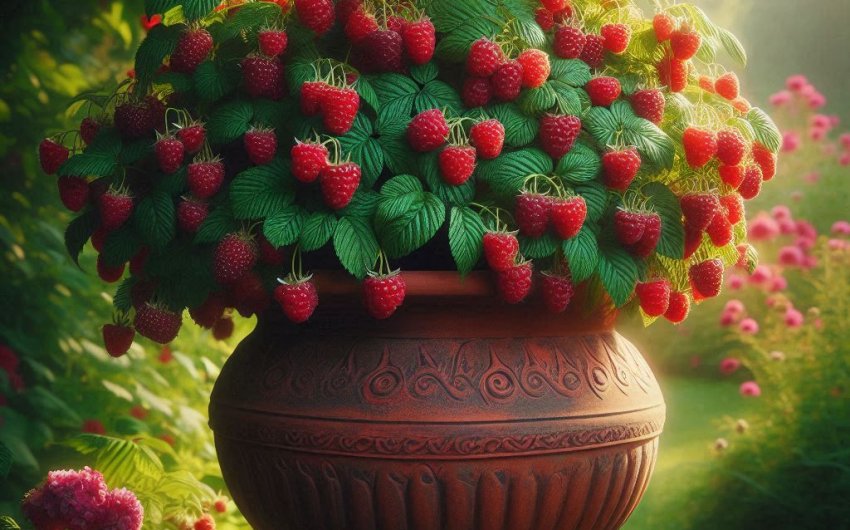
Learning how to grow raspberries in containers is a fantastic solution for gardeners with limited space, poor soil, or those who simply want to keep these vigorous growers neatly contained. While traditionally planted in sprawling rows, several raspberry varieties adapt beautifully to pot life, offering a delicious harvest of fresh berries right on your patio or balcony. With the right container, soil, and care, you can enjoy homegrown raspberries even in compact settings.
Why Grow Raspberries in Containers?
Choosing to cultivate raspberries in containers offers unique advantages that make it an attractive option for various gardeners. This method addresses common challenges associated with in-ground planting, making it a valuable skill to master when learning how to grow raspberries in containers.
- Space Saving: This is the primary benefit. Raspberries are known for spreading aggressively via underground runners. Containers completely eliminate this issue, allowing you to grow them on patios, balconies, or small yards where traditional rows aren't feasible.
- Containment: The container acts as a natural barrier, preventing raspberry canes from taking over your garden. This is a huge advantage for keeping them tidy and managing their spread.
- Soil Control: Raspberries prefer well-draining, slightly acidic soil. If your garden soil is heavy clay, too alkaline, or otherwise unsuitable, containers allow you to create the perfect growing medium from scratch.
- Mobility: Potted raspberries can be moved to optimize sun exposure, provide protection from harsh weather, or be relocated for overwintering in colder climates.
- Weed Control: Weeds are significantly easier to manage in containers, as there's less surface area for them to establish. This reduces competition for nutrients and water.
- Pest and Disease Management: While not foolproof, isolating plants in containers can sometimes help prevent the spread of soil-borne diseases or make it easier to manage localized pest infestations.
- Accessibility: Growing in raised containers or pots can make planting, care, and harvesting more comfortable for gardeners with mobility issues.
- Aesthetics: A large container overflowing with raspberry canes and ripe berries can be a beautiful and productive addition to a patio or deck.
While containers might slightly limit overall yield compared to a vast in-ground patch, the convenience, control, and space-saving benefits make how to grow raspberries in containers a highly practical and rewarding choice.
What's the Best Container for Raspberries?
The success of growing raspberries in containers hinges heavily on selecting the right pot. Raspberries are robust plants with extensive root systems, even the compact varieties, so they need ample space to thrive and produce fruit.
Key Considerations for Raspberry Containers:
- Size is Paramount: This is the most crucial factor. Raspberries need room for their roots to spread and for new canes to emerge.
- Minimum: A container that holds at least 15-20 gallons (60-75 liters) is the bare minimum for one or two raspberry canes.
- Ideal: 20-25 gallons or larger is much better for long-term health and productivity. Half whiskey barrels or large plastic grow tubs are excellent choices.
- Depth: Aim for containers that are at least 18-24 inches (45-60 cm) deep. The deeper, the better for root development.
- Drainage Holes: Non-negotiable! Raspberries absolutely hate wet feet, which can lead to root rot. The container must have sufficient drainage holes at the bottom to allow excess water to escape freely. If a container lacks holes, you must drill them yourself.
- Material:
- Plastic Pots/Tubs: Lightweight, durable, retain moisture well, and are relatively inexpensive. Choose thick-walled, dark-colored plastic for better heat absorption.
- Fabric Grow Bags: Excellent for aeration and drainage, prevent root circling, and are lightweight. Look for large 20-gallon fabric grow bags.
- Half Whiskey Barrels: Provide good depth and width, attractive, but can be heavy and may degrade over time. Ensure proper drainage.
- Terra Cotta/Ceramic Pots: Can be beautiful, but very heavy, more expensive, and terra cotta dries out quickly, requiring more frequent watering. Can also crack in freezing temperatures.
- Wooden Planter Boxes: Can be built to custom dimensions, offering good depth and width. Use rot-resistant wood like cedar or redwood, or line with pond liner.
Supporting Your Canes:
Even dwarf varieties will benefit from some support as they grow and bear fruit.
- Built-in Trellis: Some larger containers come with a built-in trellis.
- Stakes: Insert sturdy garden stakes (wood or metal) into the pot at planting time. As canes grow, gently tie them to the stakes with soft ties.
- Cage: A sturdy tomato cage can also work, especially for bushier varieties.
By selecting an appropriately sized and well-draining container, you provide the essential foundation for robust root growth and abundant berry production, making this decision a cornerstone of how to grow raspberries in containers.
What's the Best Soil for Raspberries in Containers?
The right soil mix is paramount when learning how to grow raspberries in containers. Unlike garden soil, container mixes need to be light, well-draining, yet capable of retaining moisture and nutrients for these relatively hungry plants.
Key Soil Requirements for Raspberries:
- Excellent Drainage: Raspberries are highly susceptible to root rot in soggy conditions. The mix must allow water to flow through freely, but still retain enough moisture for the roots.
- Rich in Organic Matter: Raspberries are relatively heavy feeders and need a nutrient-rich environment for optimal cane growth and fruit production.
- Slightly Acidic pH: Raspberries prefer a soil pH between 6.0 and 6.8.
- Light and Aerated: A dense, compacted soil mix will suffocate the roots. It needs to be loose enough for good air circulation.
Recommended Container Soil Mix:
Avoid using heavy garden soil, which compacts in containers and can lead to poor drainage and aeration. A good DIY mix combines components to meet these needs.
- High-Quality Potting Mix (50-60%): Start with a premium, all-purpose potting mix as your base. Look for one that explicitly mentions "good drainage."
- Compost or Well-Rotted Manure (30-40%): This is essential for providing nutrients, improving soil structure, and boosting microbial activity. Use high-quality, finished compost or aged manure. Avoid fresh manure.
- Perlite or Coarse Sand (10-20%): This is your drainage booster. Perlite is lightweight and helps with aeration. Coarse sand (horticultural grade) also improves drainage but adds weight.
- Optional pH Adjustment/Nutrients:
- Slightly Acidic Boost: If your base potting mix is neutral, you can add a small amount of sphagnum peat moss (which is acidic) to help lower the pH slightly.
- Bone Meal: A natural source of phosphorus, good for root development and flowering/fruiting. Mix in a small handful per container during planting.
- Balanced Organic Fertilizer: You can mix in a granular slow-release organic fertilizer at planting time, or rely on future liquid feedings.
Mixing Your Soil:
- In a large wheelbarrow or on a tarp, thoroughly combine all your chosen components. Ensure an even distribution of materials.
- Pre-moisten the mix slightly before filling your containers. It should feel damp, like a wrung-out sponge, but not soggy.
By carefully creating and mixing your ideal soil mix, you'll provide the perfect foundation for healthy raspberry canes and bountiful berry production, a vital component of how to grow raspberries in containers.
How Do You Choose Which Raspberry Variety to Grow in Containers?
Selecting the right raspberry variety is perhaps the most critical decision when learning how to grow raspberries in containers. Not all raspberries are suited for pot life; focusing on compact, everbearing types will significantly increase your chances of success.
Key Considerations for Container Raspberries:
- Growth Habit (Crucial):
- Dwarf or Compact Varieties: These are bred to stay smaller and produce fruit on shorter canes, making them ideal for containers. Look for names that include "dwarf," "compact," or "short."
- Thornless or Nearly Thornless: While not essential, this makes harvesting much more pleasant, especially in a confined container space.
- Fruiting Habit:
- Everbearing (Primocane-fruiting) Varieties: These produce fruit on first-year canes (primocanes) in late summer/fall and potentially a smaller crop on the same canes in spring of their second year. This is highly recommended for containers because you can often prune them back to the ground each year, simplifying care and encouraging more consistent fruiting in the limited space.
- Summer-bearing (Floricane-fruiting) Varieties: These produce one large crop in early to mid-summer on second-year canes (floricanes). While possible in containers, managing the pruning of floricanes and primocanes can be more complex in a pot.
Recommended Raspberry Varieties for Containers:
| Variety Name | Type | Fruit Color | Key Characteristics |
|---|---|---|---|
| 'Raspberry Shortcake' | Dwarf, Everbearing | Red | Specifically bred for containers (typically 2-3 ft tall/wide), thornless, highly productive. |
| 'Heritage' | Everbearing | Red | Classic, reliable, vigorous everbearing variety. Can be grown compactly. |
| 'Fallgold' | Everbearing | Yellow/Gold | Very productive, sweet, golden berries, good for containers. |
| 'Bristol' | Black Raspberry, Everbearing | Black | Black raspberries are a different species but 'Bristol' can be grown in containers. Very productive and flavorful. |
Where to Buy Raspberry Plants:
- Reputable Nurseries: Purchase bare-root canes or potted plants from reputable online nurseries or local garden centers in early spring.
- Certified Disease-Free: Always buy certified disease-free plants. Raspberries are susceptible to various viruses, and starting with clean stock is vital.
By prioritizing dwarf, everbearing varieties and sourcing healthy plants, you set yourself up for a delicious and manageable harvest, making the effort of how to grow raspberries in containers truly worthwhile.
How Do You Plant Raspberry Canes in Containers?
Proper planting technique is crucial for setting up your raspberry canes for success and ensuring a bountiful harvest when learning how to grow raspberries in containers.
Best Time to Plant:
- Early Spring: The ideal time to plant dormant, bare-root raspberry canes or potted plants is in early spring, as soon as the danger of hard frost has passed and the ground is workable. This allows the plants to establish their root systems before the heat of summer.
Planting Steps for Bare-Root Canes (Most Common for Raspberries):
- Hydrate Canes:
- Upon arrival, immediately unwrap your bare-root raspberry canes.
- Soak the roots in a bucket of room-temperature water for 2-4 hours (no more than 24 hours) before planting. This rehydrates them.
- Prepare Your Container:
- Ensure your chosen container is clean and has ample drainage holes.
- Add a layer of your prepared, well-draining soil mix to the bottom of the container, enough so that when the cane is placed, its crown (where the roots meet the stem) will be at the same level as the original soil line or slightly deeper.
- Position the Cane(s):
- Create a small mound of soil in the center of the container.
- Place one (or two, depending on container size and variety) raspberry cane on top of the mound, spreading its roots out evenly over the soil. The crown should sit directly on the mound.
- Spacing for Multiple Canes: If planting two canes in a very large container (25+ gallons), space them 12-18 inches apart. However, one strong cane per 20-gallon pot is often sufficient.
- Backfill and Firm:
- Carefully backfill the container with your prepared soil mix, covering the roots completely.
- Ensure the crown of the raspberry plant is at or just slightly below the original soil line from the nursery, or if bare-root, at the same depth it was previously growing.
- Gently firm the soil around the base of the cane to remove large air pockets, but do not compact it too tightly.
- Water Thoroughly:
- Water the container deeply and slowly until water drains freely from the bottom. This settles the soil around the roots.
- Prune Canes:
- After planting, cut the top of each cane back to about 6-8 inches above the soil line. This seemingly drastic step encourages the plant to put its energy into developing a strong root system and pushing new, vigorous primocanes from the base, rather than trying to support too much top growth too soon.
- Add Support:
- If using stakes or a cage, install them now, placing them firmly in the soil alongside the newly planted canes.
Initial Care After Planting:
- Consistent Moisture: For the first growing season, keep the soil consistently moist but never soggy. Check daily during warm weather.
- Sunlight: Place the container in a location that receives at least 6-8 hours of direct sunlight per day.
- Mulch (Optional but Recommended): A 1-2 inch layer of organic mulch (like straw or shredded bark) can help retain soil moisture and suppress weeds. Keep it a few inches away from the base of the canes.
- No Fruiting in Year 1 (for summer-bearing): If planting summer-bearing varieties, you won't get fruit in the first year. Even with everbearing, any first-year fruit will be minimal. The focus is on establishing the plant.
By meticulously following these planting steps, you give your raspberry canes the best possible foundation for healthy growth and future harvests, truly mastering the art of how to grow raspberries in containers.
How Do You Care for Raspberries in Containers?
Consistent and appropriate care is vital for maintaining healthy and productive raspberry plants in containers. Their confined environment means they rely entirely on you for their needs, making diligent care crucial for success when learning how to grow raspberries in containers.
1. Watering
- Consistent Moisture: Container plants dry out much faster than in-ground plants. Raspberries need consistent moisture, especially during flowering and fruiting.
- Avoid Soggy Soil: While moist, never let the soil become waterlogged, as this leads to root rot. Ensure excess water drains freely from the bottom.
- Check Daily (or more): During hot, sunny, or windy weather, check the soil moisture daily by sticking your finger an inch or two deep. Water when the top feels dry. You may need to water once or even twice a day during peak summer.
- Deep Watering: Water thoroughly until water drains from the bottom.
2. Fertilizing
Raspberries are moderately heavy feeders and rely on you for nutrients in containers.
- Annual Spring Feeding: In early spring, as new growth begins, apply a balanced granular organic fertilizer (e.g., 5-5-5 or a fertilizer for berries).
- Mid-Season Boost (Optional): During the peak fruiting season, you can give a light feeding with a diluted liquid organic fertilizer (like fish emulsion or seaweed extract) if plants show signs of nutrient deficiency (e.g., yellowing leaves, slowed production).
- Compost Top-Dressing: Annually, in early spring, apply a 1-2 inch layer of rich compost as a top-dressing. This slowly releases nutrients and improves soil health.
3. Sunlight
- Full Sun: Raspberries need full sun (at least 6-8 hours of direct sunlight per day) to produce well.
- Move if Needed: The advantage of containers is you can move them to the sunniest spot on your patio or deck.
4. Support and Training
- Essential: Even dwarf varieties benefit from support, especially when laden with fruit.
- Method: Install sturdy garden stakes or a tomato cage in the pot. As canes grow, gently tie them to the supports using soft ties (VELCRO Plant Ties or soft twine) to prevent them from flopping over.
5. Pruning (Crucial for Everbearing Varieties in Containers)
Pruning is vital for raspberry health and maximizing fruit production. For container-grown everbearing varieties, a simple annual prune is often best.
- Everbearing (Primocane-fruiting) Varieties (like 'Heritage', 'Fallgold', 'Raspberry Shortcake'):
- Option 1 (Single Crop): For a single, large crop in late summer/fall, prune ALL canes down to the ground in late winter or early spring before new growth begins. This encourages all energy into new primocanes that will fruit in the fall.
- Option 2 (Two Crops - less common for containers): To get a smaller spring crop and a fall crop, only cut back the tips of canes that fruited in the fall (the portion that fruited will die back). The lower portion will fruit again in spring. After the spring harvest, cut those floricanes back to the ground. This method can lead to smaller harvests and more cluttered containers. For containers, Option 1 is generally recommended for simplicity and often better fall yields.
- Summer-bearing (Floricane-fruiting) Varieties:
- After the summer harvest, cut the floricanes (canes that just fruited) back to the ground. These canes will not produce again. Leave the new green primocanes that emerged this season; they will be next year's fruiting canes.
6. Winter Care (in Colder Zones)
Container plants are more vulnerable to cold than in-ground plants.
- Prune: Prune everbearing canes to the ground in late fall/early winter (if choosing the single-crop method).
- Insulate Containers:
- Move: If possible, move the container to a sheltered, unheated location like a garage, shed, or unheated porch once temperatures consistently drop below freezing.
- Wrap: If the container must stay outdoors, insulate it. Wrap the container with burlap, bubble wrap, or even old blankets. You can also mound a thick layer of mulch around the outside of the container.
- Water Sparingly: Water very sparingly during winter, just enough to prevent the soil from completely drying out. Do not overwater, as dormant roots are highly susceptible to rot.
By diligently following these care instructions, your container-grown raspberries will remain healthy and productive for many seasons, making all your efforts in how to grow raspberries in containers truly rewarding.
When Can You Harvest Raspberries from Containers?
The joy of picking fresh, sweet berries is the ultimate reward for learning how to grow raspberries in containers. Understanding the timing and methods of harvest ensures you get the most out of your efforts.
The "Wait" Period:
- Year 1 (Planting Year): Minimal to No Harvest.
- While everbearing varieties might produce a few berries in their first fall (on new primocanes), it's generally best to focus on establishment. Any small crop in the first year will be a bonus.
- For summer-bearing varieties, there will be no harvest in the first year as they fruit on second-year canes.
- Year 2 and Beyond:
- Everbearing (Primocane-fruiting): If you pruned all canes to the ground in late winter, your main crop will be in late summer/fall (typically August through October, depending on your climate and variety). If you opted for a two-crop system, you'll get a smaller crop in spring/early summer on the overwintered floricanes, followed by the fall crop on new primocanes.
- Summer-bearing (Floricane-fruiting): You'll get one concentrated crop in early to mid-summer (typically June or July).
How to Harvest Raspberry Berries:
- Timing for Ripeness:
- Color: Raspberries are ready when they are fully colored (bright red, yellow, or black, depending on variety).
- Ease of Picking: A ripe raspberry will slip easily off the core (receptacle) with a gentle tug. If it resists, it's not quite ready.
- Taste Test: The best way to know is to taste a few!
- Method:
- Gently grasp the berry between your thumb and forefinger.
- Give a gentle twist and pull. The berry should separate easily from the white core. If the core comes off with the berry, it's not fully ripe.
- Frequency:
- During the peak harvest season, check your plants daily or every other day. Raspberries ripen quickly, and ripe berries can spoil fast if left on the cane.
- This continuous picking encourages the plant to produce more.
Post-Harvest Tips:
- Storage: Raspberries are delicate. Store them unwashed in a single layer in a shallow container in the refrigerator. Wash just before eating. They generally last only a few days.
- Preservation: For longer storage, freeze excess berries in a single layer on a baking sheet, then transfer to a freezer bag. They can also be used for jams, jellies, pies, or sauces.
- Pruning After Harvest:
- Everbearing (single crop method): After the fall crop is done and canes go dormant, cut all canes back to the ground in late winter/early spring.
- Summer-bearing: After the summer crop is finished on a floricane, cut that floricane back to the ground. New primocanes will grow for next year's crop.
By understanding the specific fruiting habits of your chosen raspberry variety and applying diligent harvesting techniques, you'll maximize your delicious yield from your container-grown raspberries, making your efforts in how to grow raspberries in containers truly fruitful.
What Are Common Problems When Growing Raspberries in Containers?
While growing raspberries in containers can be rewarding, they aren't entirely without challenges. Being aware of common problems and how to troubleshoot them will significantly increase your chances of success and help you maintain healthy plants as you learn how to grow raspberries in containers.
1. Root Rot
- Cause: The most common and serious problem for container-grown raspberries, almost always due to overwatering or poor drainage. Raspberries hate soggy roots.
- Symptoms: Wilting leaves despite moist soil, yellowing foliage, stunted growth, general decline, and potentially mushy roots if inspected.
- Solution:
- Prevention is Key: Use a container with ample drainage holes. Use a well-draining potting mix.
- Correct Watering: Only water when the top inch or two of soil is dry. Ensure excess water drains completely.
- If Suspected: If caught early, try to let the soil dry out significantly. In severe cases, carefully remove the plant, trim off any rotted, mushy roots with sterile shears, and repot in fresh, dry soil.
2. Nutrient Deficiency
- Cause: Raspberries are moderate to heavy feeders. In containers, nutrients can quickly leach out or be used up.
- Symptoms:
- Yellowing leaves (chlorosis): Often general yellowing (nitrogen deficiency) or yellowing between veins with green veins (iron deficiency).
- Stunted growth: Smaller canes or reduced vigor.
- Poor fruit production: Fewer berries, smaller berries, or berries that fail to ripen well.
- Solution:
- Regular Fertilizing: Follow recommended annual spring fertilization. Consider a mid-season liquid feed during fruiting.
- Compost Top-Dressing: Replenish nutrients with a spring application of compost.
- Check pH: Ensure your soil pH is in the ideal range (6.0-6.8) for optimal nutrient uptake. If too high, plants can't absorb iron or other micronutrients.
- Micronutrients: If iron deficiency (yellow leaves with green veins) is suspected, a foliar spray of chelated iron can provide a quick boost.
3. Pests (Aphids, Spider Mites, Japanese Beetles)
- Symptoms: Visible insects, sticky residue (honeydew), distorted new growth, stippling on leaves, chewed foliage, webbing (spider mites).
- Solution:
- Inspect Regularly: Check your plants often, especially undersides of leaves.
- Hand-Picking: For Japanese beetles or larger pests, hand-pick and drop into soapy water.
- Strong Water Spray: A blast of water can dislodge aphids and spider mites.
- Insecticidal Soap/Neem Oil: For more persistent infestations, use insecticidal soap or neem oil spray, ensuring good coverage, especially on leaf undersides. Repeat applications are often needed.
- Avoid Chemical Pesticides: Especially once flowering or fruiting, to protect pollinators and for safe consumption.
4. Diseases (Anthracnose, Cane Blight, Verticillium Wilt, Viruses)
- Symptoms: Lesions on canes, wilting, discolored leaves, stunted growth, deformed berries. Viruses often cause mottled or crinkled leaves.
- Causes: Poor air circulation, excessive moisture, contaminated stock, soil-borne fungi.
- Solution:
- Start with Certified Disease-Free Stock: This is the best prevention.
- Proper Pruning: Prune for good air circulation within the canes.
- Sanitation: Remove and destroy any diseased canes immediately. Do not compost them. Sterilize pruning shears between cuts.
- Good Drainage: Ensures soil isn't soggy.
- No Cure for Viruses: If a virus is confirmed (e.g., mottled leaves, stunted, no berries), the plant usually needs to be removed and destroyed to prevent spread.
5. Winter Kill / Cold Damage
- Cause: Container roots are more exposed to freezing temperatures than in-ground roots.
- Symptoms: Canes failing to leaf out in spring, dead or brittle canes.
- Solution:
- Insulate Containers: As described in the winter care section, move or insulate containers to protect roots from extreme cold.
- Choose Hardier Varieties: Select varieties known to be hardy in your zone.
6. Overcrowding
- Cause: Too many canes allowed to grow in a single container.
- Symptoms: Reduced air circulation, leading to disease; smaller berries; reduced overall yield.
- Solution: Follow pruning guidelines to manage cane density. For everbearing (single crop method), cut all canes to the ground in late winter. For summer-bearing, prune out old fruiting canes.
By proactively managing these common issues, you can keep your container-grown raspberries healthy and highly productive for many years, truly mastering the art of how to grow raspberries in containers.