
Green Thumbs Up: How to Care for an Indoor Fern
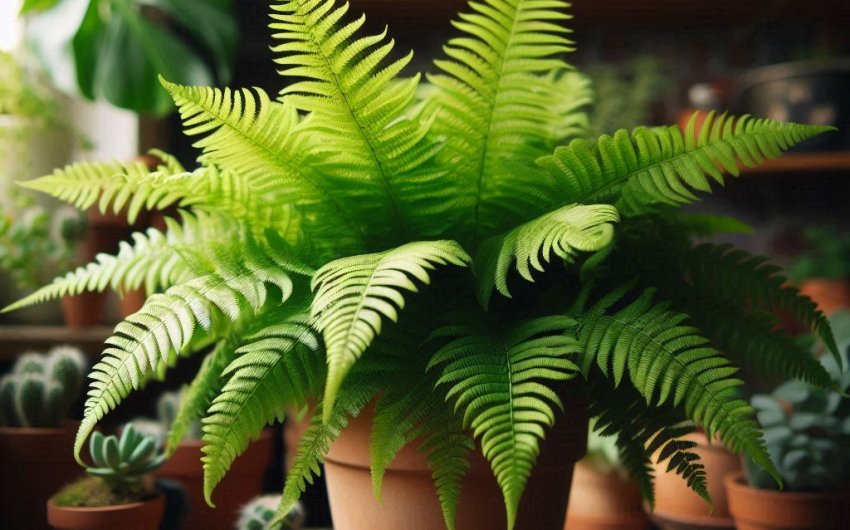
Bringing the serene beauty of nature indoors with a fern can transform any space, but these ancient plants have specific needs to truly flourish in your home. Understanding how to care for an indoor fern will ensure your leafy companion stays healthy, vibrant, and a source of natural elegance for years to come.
What Do Indoor Ferns Need to Thrive?
Indoor ferns are often admired for their delicate fronds and rich green hues, bringing a touch of the forest into our homes. To truly succeed in learning how to care for an indoor fern, it's crucial to mimic their natural habitat, which is typically a humid, shaded understory. Their well-being depends on a balance of proper light, consistent moisture, high humidity, and appropriate temperatures. Without these conditions met, a fern can quickly become stressed, leading to browning fronds or stunted growth. They are not as forgiving as some other houseplants, making attention to detail vital for their lush appearance.
The Basics of Fern Care
Ferns belong to a diverse group of plants that reproduce via spores, not seeds. They are among the oldest plant species on Earth and have adapted to various environments, though most houseplant varieties prefer consistent, stable conditions. Getting these foundational aspects right is the first step in mastering how to care for an indoor fern. Neglecting any one of these can throw off the entire balance, causing your beautiful plant to struggle.
- Light: Indirect, consistent light.
- Water: Evenly moist soil, never soggy.
- Humidity: High humidity is non-negotiable.
- Temperature: Stable, moderate temperatures.
- Soil: Well-draining, airy potting mix.
How Much Light Does an Indoor Fern Need?
Understanding the lighting requirements is paramount when figuring out how to care for an indoor fern. Ferns generally thrive in conditions that mimic the forest floor where they naturally grow—filtered, diffused light rather than harsh, direct sun. Too much direct sunlight can quickly scorch their delicate fronds, leading to brown tips and overall stress. Conversely, too little light can result in sparse growth and a dull appearance.
Ideal Light Conditions
The goal is to provide bright, indirect light for your fern. This means a spot where the plant is well-lit but never receives direct sunbeams on its fronds.
- North-Facing Window: Often ideal, as these windows provide consistent, soft light throughout the day without direct sun.
- East-Facing Window: Also a good choice, offering gentle morning sun which is less intense than afternoon sun. Just be sure to move the plant back slightly if the morning sun seems too strong.
- South or West-Facing Window: If these are your only options, place the fern several feet away from the window or use sheer curtains to diffuse the light. The aim is to filter out the intensity.
- Avoid Direct Sun: Even a few hours of direct afternoon sun can cause significant damage, browning the fronds and stressing the plant.
Signs of Incorrect Light
Learning to read your fern's signals about light is crucial for how to care for an indoor fern successfully.
- Too Much Light:
- Brown, Crispy Fronds: Especially at the edges or tips. This is often a sign of scorching.
- Faded Color: The vibrant green may look washed out or yellowish.
- Stunted Growth: The plant may not put out new fronds or grow very slowly.
- Too Little Light:
- Sparse Growth: Fewer new fronds appear, and the plant looks less dense.
- Pale Green Color: The fronds may lose their deep green hue and look sickly.
- Leggy Growth: Stems stretch out unusually long in search of light, making the plant look gangly.
Adjusting the fern's position based on these signs can make a significant difference in its health and appearance.
How Often Should You Water an Indoor Fern?
Proper watering is one of the most critical aspects of learning how to care for an indoor fern. Ferns prefer consistently moist soil, mimicking their native forest environments. However, "moist" does not mean "soggy." Overwatering is a common mistake that can lead to root rot, a fatal condition for many houseplants, including ferns. Underwatering, on the other hand, will cause fronds to dry out and turn crispy.
Watering Techniques
The key is to maintain even moisture without allowing the plant to sit in standing water.
- Feel the Soil: Before watering, stick your finger about an inch or two into the soil. If it feels slightly damp, wait. If it feels mostly dry, it's time to water. This is a much better indicator than sticking to a strict schedule.
- Water Thoroughly: When you do water, soak the soil completely until water drains from the bottom of the pot. This ensures that all the roots receive moisture.
- Drainage is Key: Always use a pot with drainage holes. If your decorative pot doesn't have holes, use a smaller nursery pot inside the decorative one and remove excess water from the outer pot or saucer after watering. Standing water will lead to root rot.
- Warm Water: Use room-temperature water. Cold water can shock the plant's roots.
- Reduce in Winter: During the cooler, darker months, ferns typically grow slower and require less water. Adjust your watering frequency accordingly.
Signs of Watering Issues
Your fern will tell you if its watering needs are not being met. These are important clues for how to care for an indoor fern.
- Underwatering:
- Crispy, Brown Fronds: Especially at the tips and edges, and the entire frond may feel brittle.
- Drooping: The plant may look wilted, but the soil will be very dry.
- Stunted Growth: No new growth, or new fronds are very small.
- Overwatering (and Root Rot):
- Yellowing Fronds: Lower fronds may turn yellow and then brown.
- Mushy Stems or Base: The base of the plant may feel soft and squishy.
- Foul Odor: A decaying smell from the soil can indicate root rot.
- Wilting, Even with Wet Soil: This is a classic sign of root rot, as the damaged roots can no longer absorb water efficiently.
If you suspect root rot, carefully remove the plant from its pot, inspect the roots (healthy roots are firm and white; rotted ones are black and mushy), trim away any rotted sections with clean pruning shears, and repot in fresh, well-draining soil.
Why is Humidity So Important for Indoor Ferns?
Humidity is perhaps the most critical factor often overlooked when learning how to care for an indoor fern. Ferns are native to humid, tropical environments, and the dry air inside most homes, especially in winter when heating systems are running, is a significant challenge for them. Low humidity will quickly lead to crispy, brown frond tips, which is a common complaint among fern owners.
Ways to Increase Humidity
There are several effective methods to provide the high humidity your fern craves.
- Misting: Regularly mist your fern's fronds with a fine-mist spray bottle. Aim for once a day or even twice in very dry conditions. Use filtered or distilled water to prevent mineral buildup on the leaves. While misting provides a temporary boost, it's not a long-term solution on its own.
- Pebble Tray: Place the fern's pot on a tray filled with pebbles and water. Ensure the bottom of the pot does not sit directly in the water, as this can lead to root rot. As the water evaporates, it creates a more humid microclimate around the plant. You can purchase a pebble tray specifically designed for plants.
- Humidifier: The most effective way to provide consistent high humidity is to use a room humidifier near your fern (and other humidity-loving plants). This is especially helpful during dry winter months.
- Grouping Plants: Plants release moisture into the air through a process called transpiration. Grouping your ferns with other houseplants can create a localized humid environment.
- Bathroom Placement: If you have a bathroom with good light, it's often an ideal spot for a fern due to the steam from showers and baths.
Signs of Low Humidity
- Brown, Crispy Frond Tips: This is the tell-tale sign. The browning often starts at the very tip and works its way inwards.
- Stunted or Twisted New Growth: New fronds may emerge looking unhealthy or deformed.
- Overall Dullness: The plant may lack its characteristic lush, vibrant appearance.
Addressing humidity levels quickly is crucial for the health and aesthetic appeal of your fern.
What is the Best Soil and Pot for an Indoor Fern?
The right soil mix and potting material are fundamental components of how to care for an indoor fern. Ferns generally prefer a light, airy, and well-draining potting mix that retains some moisture but never becomes waterlogged. Their root systems are often shallow and delicate, so heavy, compacted soil can stifle them.
Ideal Potting Mix
A good potting mix for ferns will allow for proper aeration and drainage while still holding enough moisture.
- Components:
- Peat Moss or Coco Coir: These provide excellent moisture retention and are slightly acidic, which many ferns prefer. A coco coir brick is a great base.
- Perlite or Coarse Sand: Essential for improving drainage and aeration, preventing compaction. A bag of perlite is inexpensive and goes a long way.
- Compost or Worm Castings: A small amount can provide nutrients and beneficial microbes.
- Avoid Heavy Garden Soil: Never use soil from your garden, as it's too dense, can harbor pests, and doesn't drain well in pots.
- Pre-made Mixes: Look for potting mixes specifically labeled for ferns, or for "African violets" or "humidity-loving plants," which often have the right balance.
Choosing the Right Pot
The type of pot you choose also impacts your fern's health.
- Drainage Holes are a Must: This cannot be stressed enough. Without drainage, water will sit at the bottom, leading to root rot.
- Material:
- Terracotta/Clay Pots: These are porous, allowing air to circulate and moisture to evaporate through the pot walls. This can be beneficial for preventing overwatering, but it also means the soil will dry out faster, requiring more frequent watering. A good terracotta pot can be very stylish.
- Plastic Pots: These retain moisture longer, which can be advantageous for ferns, especially in dry environments. However, it increases the risk of overwatering if you're not careful.
- Glazed Ceramic Pots: Similar to plastic in terms of moisture retention.
- Size: Choose a pot that is only slightly larger than the fern's root ball. Moving to a pot that is too large too soon can lead to excess soil staying wet for too long, again, increasing the risk of root rot.
When and How Should You Fertilize an Indoor Fern?
Fertilizing is a less frequent but still important part of how to care for an indoor fern. Ferns are not heavy feeders, and over-fertilizing can easily burn their delicate roots, causing more harm than good. The goal is to provide a gentle boost of nutrients during their active growing season.
Fertilizing Schedule
- Growing Season Only: Fertilize only during the active growing season, which is typically spring and summer.
- Reduce or Stop in Winter: Do not fertilize during the fall and winter months when the plant's growth slows down or becomes dormant.
- Diluted Strength: Always use a liquid houseplant fertilizer at half or even quarter strength of the recommended dosage. Err on the side of too little rather than too much.
- Frequency: Once a month or every other month during the growing season is usually sufficient.
Type of Fertilizer
- Balanced Fertilizer: A balanced liquid fertilizer (e.g., 20-20-20 or 10-10-10) is suitable.
- Slow-Release Option: Some prefer a slow-release granular fertilizer applied once at the beginning of the growing season, which offers a continuous, gentle feed.
Signs of Over-Fertilization
- Crispy, Brown Frond Edges/Tips: This is similar to low humidity or underwatering, but the soil may have a white crust of salt buildup.
- Stunted Growth: Despite apparent nutrient availability, the plant struggles.
- Wilting: Roots can become damaged, impairing water uptake.
- Foul Smell from Soil: Build-up of salts can lead to an odor.
If you suspect over-fertilization, flush the soil thoroughly with plain water to wash away excess salts.
How Do You Prune an Indoor Fern?
Pruning is a simple but important aspect of how to care for an indoor fern, contributing to its health, appearance, and vigor. Unlike some plants that require extensive shaping, ferns mostly need pruning to remove dead or dying fronds.
When to Prune
- As Needed: You can prune your fern at any time of year as needed.
- Spring Refresh: A more thorough pruning can be done in early spring before new growth begins, especially for a fern that has become leggy or unhealthy over winter.
How to Prune
- Identify Dead/Damaged Fronds: Look for fronds that are entirely brown, yellow, crispy, or shriveled. Also, remove any fronds that show signs of pest damage or disease.
- Use Clean, Sharp Tools: Always use clean, sharp pruning shears or scissors. This prevents tearing the plant tissue and reduces the risk of introducing diseases.
- Cut at the Base: Follow the affected frond back to its base, where it emerges from the main stem or rhizome. Cut as close to the base as possible without damaging surrounding healthy growth.
- Avoid Over-Pruning: Don't remove too many healthy fronds at once, as this can stress the plant. Only remove what's necessary.
- Remove Spindly Growth: If your fern is looking leggy (long stems with sparse foliage), you can prune back some of the spindly growth to encourage bushier development.
Benefits of Pruning
- Improved Appearance: Removes unsightly dead foliage, making the plant look tidier and more vibrant.
- Better Air Circulation: Removing dense or decaying fronds improves air movement around the plant, which can help prevent fungal issues.
- Redirects Energy: The plant will redirect energy from maintaining dying fronds to producing new, healthy growth.
- Pest and Disease Control: Removing affected fronds can help contain minor pest infestations or early signs of disease.
When and How Should You Repot an Indoor Fern?
Knowing when and how to repot an indoor fern is a crucial step in its long-term care. Ferns generally prefer to be slightly root-bound, but eventually, they will outgrow their pots or deplete the soil's nutrients, signaling it's time for a new home.
Signs It's Time to Repot
- Roots Growing Out of Drainage Holes: This is the most obvious sign that the plant has outgrown its current pot.
- Water Drains Too Quickly: If water runs straight through the pot without soaking into the soil, it means there's more root than soil, and the plant isn't getting enough moisture.
- Stunted Growth: The plant seems to have stopped growing or growth is very slow, even during the growing season.
- Salt Buildup: A white crust on the soil surface or pot rim can indicate a buildup of mineral salts, which can harm roots.
- Fern Appears Top-Heavy: The plant might constantly tip over due to its size relative to the pot.
Best Time to Repot
The ideal time to repot a fern is in spring or early summer, just as the plant enters its active growing phase. This allows the fern to quickly recover from the stress of repotting and establish itself in its new container.
Repotting Steps
- Choose the Right Pot: Select a new pot that is only one size larger (e.g., from a 6-inch to an 8-inch pot). Going too big can lead to excess moisture retention and root rot. Ensure it has drainage holes.
- Prepare the New Pot: Place a small layer of fresh, well-draining potting mix (as discussed previously) at the bottom of the new pot.
- Remove the Fern: Gently tilt the current pot on its side and carefully slide the fern out. If it's stuck, you might need to run a knife around the inner edge of the pot. Avoid pulling on the fronds.
- Inspect and Untangle Roots (Gently): Loosen any circling or tightly bound roots at the bottom. You can gently tease them apart with your fingers. Trim any mushy, black, or otherwise unhealthy roots.
- Place the Fern: Center the fern in the new pot, ensuring the top of the root ball is at the same level as it was in the old pot. The soil line should be about an inch below the rim of the new pot to allow for watering.
- Add Fresh Soil: Fill the remaining space with fresh potting mix, gently tamping it down around the roots to remove large air pockets. Do not compact the soil too tightly.
- Water Thoroughly: Water the fern immediately after repotting until water drains from the bottom.
- Provide Humidity: Place the newly repotted fern in a spot with high humidity to help it recover from the shock. Avoid direct sunlight for a week or two.
Common Problems and Solutions for Indoor Ferns
Even with the best intentions, you might encounter issues when learning how to care for an indoor fern. Being able to diagnose and address common problems quickly is key to keeping your fern healthy and vibrant.
1. Brown, Crispy Frond Tips/Edges
- Cause: This is the most frequent complaint and almost always due to low humidity. It can also be caused by underwatering or excessive direct sunlight.
- Solution: Increase humidity immediately (misting, pebble tray, humidifier). Check soil moisture and adjust watering frequency. Move the plant away from direct sun exposure.
2. Yellowing Fronds
- Cause: Often a sign of overwatering leading to root rot, or nutrient deficiency. Can also occur if the plant is very old and shedding lower fronds naturally.
- Solution: Check soil moisture and allow it to dry out slightly between waterings. Ensure proper drainage. If you suspect root rot, repot. If not, consider a light fertilization during the growing season.
3. Drooping or Wilting Fronds
- Cause: Most commonly underwatering (soil is very dry) or, paradoxically, overwatering (roots are rotting and can't absorb water). Also, can be due to extreme temperature fluctuations.
- Solution: Check soil moisture. If dry, water thoroughly. If wet and mushy, suspect root rot and investigate. Ensure stable temperatures.
4. Stunted or Sparse Growth
- Cause: Insufficient light, lack of nutrients, or the plant is root-bound and needs repotting.
- Solution: Move to a brighter (indirect) location. Fertilize lightly during the growing season. Check roots for signs of needing a larger pot.
5. Pests (Scale, Mealybugs, Spider Mites)
- Cause: These sap-sucking pests can weaken your fern. Spider mites thrive in low humidity.
- Solution:
- Isolation: Isolate the affected plant to prevent spread.
- Wipe Down: For scale or mealybugs, gently wipe them off with a cotton swab dipped in rubbing alcohol.
- Neem Oil: Apply a neem oil spray as per product instructions, ensuring good coverage.
- Increase Humidity: For spider mites, increasing humidity and rinsing fronds can help.
- Repeated Treatment: Repeat treatments weekly until pests are gone.
6. Brown Spots on Fronds
- Cause: Can be from water spots (if you use hard water for misting), fungal issues (if air circulation is poor and humidity too high with cold temperatures), or over-fertilization.
- Solution: Use filtered water for misting. Ensure good air circulation. Check your fertilization schedule.
Which Types of Indoor Ferns Are Best for Beginners?
While all ferns have similar needs, some varieties are more forgiving and adaptable to indoor conditions, making them ideal for those still mastering how to care for an an indoor fern. If you're just starting your fern journey, consider these relatively easier-to-care-for options.
1. Boston Fern (Nephrolepis exaltata)
- Why it's good for beginners: This is the quintessential indoor fern, known for its arching, feathery fronds. It's relatively robust and widely available. While it still needs humidity, it's a bit more tolerant of slight fluctuations than some other delicate ferns.
- Appearance: Lush, bright green fronds that can grow quite long, making it excellent for hanging baskets or pedestals.
- Care Tip: Consistent moisture and high humidity are key. Avoid letting the soil dry out completely.
2. Maidenhair Fern (Adiantum spp.)
- Why it's good for beginners: (Relative to other ferns!) While often considered somewhat challenging, the Maidenhair fern is a popular choice due to its incredibly delicate, airy foliage and shiny, black stems. If you can master its humidity and watering needs, it's very rewarding. It's on this list because its specific needs make it a great teacher for learning about humidity.
- Appearance: Fine, delicate, light green leaflets on wiry, dark stems.
- Care Tip: Needs very high and consistent humidity. Never let the soil dry out, even for a moment. Best for bathrooms or terrariums.
3. Asparagus Fern (Asparagus setaceus or Asparagus densiflorus)
- Why it's good for beginners: (Technically not a true fern, but a member of the lily family that looks like one). These are much more drought-tolerant and less fussy about humidity than true ferns, making them excellent choices for those who struggle with consistent watering or live in very dry climates.
- Appearance: Fine, needle-like foliage that creates a soft, airy texture. Can be upright or cascading.
- Care Tip: Much more forgiving with watering; allow the top inch of soil to dry out between waterings. Tolerates a wider range of light conditions.
4. Bird's Nest Fern (Asplenium nidus)
- Why it's good for beginners: This fern stands out with its broad, undivided, wavy-edged fronds that resemble a bird's nest. It's quite forgiving and less prone to crispy tips than many other ferns.
- Appearance: Glossy, apple-green fronds that grow out from a central rosette.
- Care Tip: Water directly into the soil, avoiding the central "nest" of the plant to prevent rot. Prefers bright, indirect light and decent humidity.
5. Kimberly Queen Fern (Nephrolepis obliterata)
- Why it's good for beginners: A close relative of the Boston fern, the Kimberly Queen fern has neater, darker green fronds that are more upright and less prone to shedding. It's known for being more tolerant of drier air than the Boston fern, making it an excellent choice for typical home environments.
- Appearance: Upright, sword-like, deep green fronds.
- Care Tip: Very robust. Still prefers consistent moisture and good humidity, but can handle slightly less than a Boston fern.
Choosing one of these varieties can help you gain confidence and experience in how to care for an indoor fern before you tackle more temperamental types. Each offers a unique aesthetic while providing a relatively easier learning curve for aspiring fern enthusiasts.