
Effortless Greenery: The Best Low-Maintenance Plants for Beginners
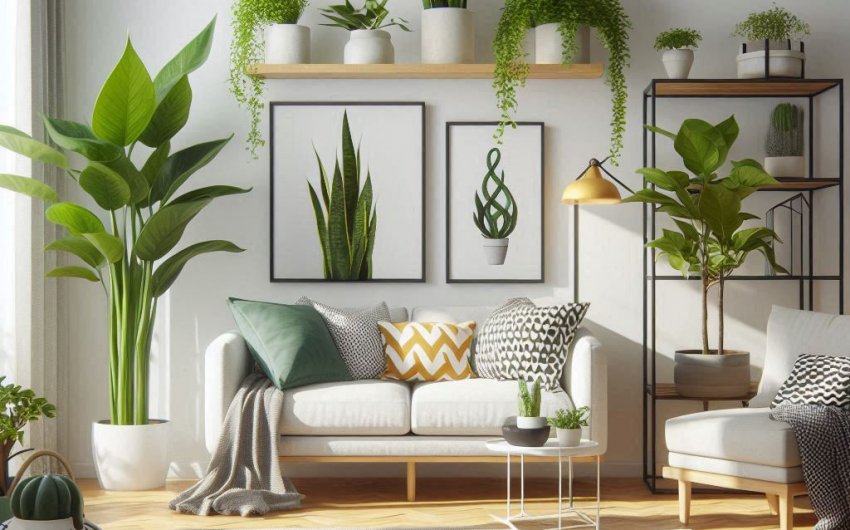
Starting your indoor plant journey doesn't have to be daunting. Discovering the best low-maintenance plants for beginners can transform your space into a lush oasis without demanding constant attention. These resilient green companions are perfect for those new to plant care, busy individuals, or anyone seeking simple beauty.
What Makes a Plant "Low-Maintenance" for Beginners?
When we talk about the best low-maintenance plants for beginners, we're referring to species that are forgiving of common beginner mistakes and can tolerate a wide range of conditions. These plants don't require daily watering, specific humidity levels, or precise light exposure to thrive. They are tough, adaptable, and bounce back easily, making them ideal for building confidence in your plant care abilities.
Key Characteristics of Easy-Care Plants
- Tolerance to Underwatering: Many low-maintenance plants can go weeks without water and even prefer to dry out between waterings. This is a huge benefit for forgetful waterers!
- Adaptability to Light Conditions: While all plants need some light, easy-care options often tolerate lower light conditions or can handle various light intensities without getting stressed.
- Pest Resistance: They are less prone to common houseplant pests, reducing the need for constant monitoring and treatment.
- Forgiving of Humidity Levels: Unlike some delicate plants that demand high humidity, low-maintenance varieties generally do fine in average home humidity.
- Slow Growth/Infrequent Repotting: They don't outgrow their pots quickly, meaning less frequent repotting.
Which Plants Are Perfect for First-Time Plant Parents?
If you're wondering which green companions to choose for your first foray into indoor gardening, these plants consistently rank among the best low-maintenance plants for beginners. They are popular for a reason: their ability to survive and even thrive with minimal intervention.
1. Snake Plant (Sansevieria trifasciata)
Often hailed as the "unkillable" plant, the Snake Plant is incredibly tough and forgiving. Its upright, sword-like leaves make a bold statement in any room.
- Light: Thrives in bright, indirect light but tolerates low light conditions very well. It's truly versatile.
- Water: Allow the soil to dry out completely between waterings. It's better to underwater than overwater. Once every 2-4 weeks is often enough.
- Humidity: Tolerates average home humidity.
- Special Features: Excellent at purifying air by removing toxins like formaldehyde and benzene. Comes in many varieties, from tall 'Laurentii' to compact 'Hahnii'.
2. ZZ Plant (Zamioculcas zamiifolia)
The ZZ Plant is another superstar in the low-maintenance category. Its waxy, dark green leaves and thick rhizomes (underground stems that store water) allow it to endure long periods of neglect.
- Light: Prefers bright to medium indirect light but can tolerate very low light conditions.
- Water: Extremely drought-tolerant. Water only when the soil is completely dry, usually every 2-4 weeks or even longer. When in doubt, wait.
- Humidity: Tolerates average home humidity.
- Special Features: Its shiny leaves look almost artificial, adding a sleek modern touch. It's slow-growing, so it won't outgrow its spot quickly. There's also a 'Raven' variety with striking black foliage.
3. Pothos (Epipremnum aureum)
The Pothos is a vining plant that comes in many beautiful varieties, from classic 'Golden Pothos' with yellow variegation to 'Marble Queen' with white splashes. It's incredibly adaptable and easy to propagate.
- Light: Prefers medium to bright indirect light, but can tolerate low light. Variegated varieties will lose some color in very low light.
- Water: Water when the top 1-2 inches of soil feel dry. It will tell you it's thirsty by drooping slightly.
- Humidity: Tolerates average home humidity.
- Special Features: Very versatile – can be kept in a hanging basket, allowed to trail, or trained to climb. Easy to propagate from cuttings, making it great for sharing. A Pothos plant is a fantastic starting point.
4. Spider Plant (Chlorophytum comosum)
The Spider Plant is famous for its arching, striped leaves and its ability to produce "plantlets" or "spiderettes" that dangle like spiders, making it ideal for hanging baskets.
- Light: Prefers bright to medium indirect light. Direct sun can scorch its leaves.
- Water: Keep the soil consistently moist but not soggy during the growing season. Allow the top inch to dry out between waterings. Less frequent watering in winter.
- Humidity: Tolerates average home humidity.
- Special Features: Very easy to propagate by simply potting up the "spiderettes." Great air purifier. Non-toxic, making it safe for homes with pets.
5. Cast Iron Plant (Aspidistra elatior)
Living up to its name, the Cast Iron Plant is extraordinarily resilient and can survive in conditions that would kill most other houseplants. It's known for its broad, dark green leaves.
- Light: Tolerates very low light conditions, making it perfect for dimly lit corners. Avoid direct sunlight.
- Water: Water sparingly, allowing the soil to dry out almost completely between waterings. It’s very drought-tolerant.
- Humidity: Not fussy about humidity.
- Special Features: Extremely hardy and long-lived. Slow-growing, so it doesn't need frequent repotting. An excellent choice for challenging spots.
How to Set Up Your Low-Maintenance Plant for Success?
Even the best low-maintenance plants for beginners will benefit from a proper start. Setting them up correctly from day one significantly reduces the chances of future problems and makes care even easier. Think of it as front-loading your effort for long-term simplicity.
1. Choose the Right Pot
- Drainage Holes are Crucial: This is the golden rule for almost all houseplants, especially for low-maintenance varieties that prefer to dry out between waterings. Without drainage, excess water collects at the bottom, leading to root rot. A pot with drainage is non-negotiable.
- Material:
- Terracotta/Clay Pots: These are porous, allowing excess moisture to evaporate through the pot walls. This is excellent for plants that prefer drier feet (like Snake Plants and ZZ Plants) as it reduces the risk of overwatering.
- Plastic/Glazed Ceramic Pots: These retain moisture longer. While fine for plants that like consistent moisture (like Pothos or Spider Plants), be extra careful with watering to avoid sogginess.
2. Use the Right Potting Mix
- Well-Draining is Key: For low-maintenance plants, a well-draining potting mix is essential. Standard all-purpose potting soil can often be too dense and retain too much water.
- Amendments:
- Perlite: Adding extra perlite (about 20-30% of the mix) improves aeration and drainage significantly.
- Coarse Sand: Similar to perlite, coarse sand can improve drainage for succulents and highly drought-tolerant plants.
- Orchid Bark: For some plants, a little orchid bark can also improve aeration.
- Avoid Garden Soil: Never use soil from your outdoor garden, as it's too heavy, compacts easily in pots, and can introduce pests or diseases.
3. Place Your Plant Correctly
- Light Observation: Even though these plants are tolerant, placing them in their preferred light conditions will make them thrive. Observe your chosen spot throughout the day.
- Bright Indirect Light: Near a window but not in direct sun. Filtered light.
- Medium Indirect Light: A few feet away from a bright window.
- Low Light: A corner away from a window where you can still read easily.
- Avoid Drafts and Extreme Temperatures: Keep plants away from heating or air conditioning vents, and consistently open doors/windows that create cold drafts. Stable, moderate temperatures are best.
What Are the Easiest Watering Rules for Beginners?
Watering is the most common pitfall for new plant parents. The key to successful care for the best low-maintenance plants for beginners is often less about how much you water and more about when you water. Overwatering kills far more houseplants than underwatering.
The Golden Rule: Check Before You Water
Do not water on a strict schedule (e.g., "every Sunday"). Instead, always check the soil moisture.
- The Finger Test: Stick your finger 1-2 inches deep into the soil.
- Snake Plants, ZZ Plants, Cast Iron Plants: Wait until the soil is completely dry, or almost completely dry, before watering again. This might mean watering every 2-4 weeks or even longer, especially in winter.
- Pothos, Spider Plants: Water when the top 1-2 inches of soil feel dry. They like consistent moisture but don't want to sit in soggy soil.
- Lifting the Pot: A dry pot will feel much lighter than a watered one. As you gain experience, you'll learn to judge moisture by weight.
- Moisture Meter: If you're really unsure, a plant moisture meter can give you a precise reading of soil moisture levels.
How to Water (The Right Way)
- Water Thoroughly: When you do water, water until it drains from the bottom of the pot. This ensures all the roots get a drink.
- Empty Saucer: Do not let the pot sit in standing water in its saucer. Dump out any excess water about 15-30 minutes after watering.
- Use Room Temperature Water: Cold water can shock plant roots.
- Reduce in Winter: Most plants enter a period of slower growth or dormancy in the fall and winter months. During this time, they need significantly less water. Adjust your frequency accordingly.
Do Low-Maintenance Plants Need Fertilizer?
Even the best low-maintenance plants for beginners will benefit from a little food, but they are not heavy feeders. Over-fertilizing can lead to nutrient burn, which is worse than under-fertilizing for these forgiving plants. The general rule is: less is more.
Fertilizing Guidelines
- When to Fertilize: Only fertilize during the active growing season, which is typically spring and summer. Do not fertilize in fall or winter.
- Type of Fertilizer: A balanced liquid houseplant fertilizer (e.g., 20-20-20 or 10-10-10) is suitable for most.
- Dilution is Key: Always dilute the fertilizer to half or even quarter strength of what the package recommends. These plants prefer a very gentle feeding. A good houseplant fertilizer should be on hand.
- Frequency: Fertilize once every 2-4 months during the growing season. Some prefer to just fertilize once a year in spring.
- Water First: Always water your plant before fertilizing. Applying fertilizer to dry soil can cause root burn.
Signs of Over-Fertilization
- Crispy Brown Leaf Tips/Edges: Similar to underwatering, but often accompanied by a white crust of salt buildup on the soil surface or pot rim.
- Stunted Growth: Paradoxically, too much fertilizer can inhibit growth.
- Wilting: Damaged roots can't absorb water properly.
If you suspect over-fertilization, thoroughly flush the soil with plain water to wash away excess salts, and then avoid fertilizing for several months.
How to Handle Common Beginner Issues?
Despite being the best low-maintenance plants for beginners, even these hardy plants can sometimes show signs of stress. Learning to interpret these signals and apply simple solutions will boost your confidence and keep your green friends thriving.
1. Brown Tips or Edges on Leaves
- Cause: Most commonly, low humidity or underwatering. Can also be from salt buildup from tap water or over-fertilization.
- Solution: Increase humidity (misting, grouping plants). Check soil moisture – if dry, water thoroughly. If soil is very wet, check for root rot. If you see white crust on the soil, flush it thoroughly with plain water next time you water.
2. Yellowing Leaves
- Cause: The most common culprit is overwatering, leading to root rot. Can also be from underwatering (especially lower leaves), or sometimes lack of nutrients if the plant hasn't been repotted or fertilized in a long time.
- Solution: Check soil moisture. If soggy, let it dry out significantly and adjust watering frequency. If roots are mushy, repot. If dry, water. If neither, consider a very light feed during the growing season.
3. Drooping Leaves
- Cause: Usually a clear sign of underwatering (soil is very dry) and the plant is thirsty. It can also be from overwatering (root rot prevents water uptake) or cold drafts/temperature shock.
- Solution: Check soil moisture. If dry, water immediately and thoroughly. If soil is wet, hold off on watering and check for root rot. Move away from drafts.
4. Sparse or Leggy Growth
- Cause: Insufficient light. The plant is stretching towards a light source.
- Solution: Move the plant to a brighter spot with indirect light. For vining plants like Pothos, you can prune back the leggy stems to encourage bushier growth.
5. Pests (Mealybugs, Spider Mites)
While low-maintenance plants are generally pest-resistant, issues can still arise, especially if new plants are introduced.
- Mealybugs: Look like small, white, cottony masses, often in leaf axils (where the leaf meets the stem).
- Spider Mites: Tiny, almost invisible mites that create fine webs, usually on the undersides of leaves.
- Solution:
- Isolation: Separate the affected plant from others immediately.
- Wipe/Spray: For mealybugs, dab them directly with a cotton swab dipped in rubbing alcohol. For spider mites, increase humidity and thoroughly spray the plant with water (especially undersides of leaves).
- Neem Oil: For more persistent issues, use a horticultural neem oil spray according to package directions. Repeat treatment weekly until the pests are gone.
By understanding these common problems and their simple fixes, you'll feel more confident about your ability to nurture the best low-maintenance plants for beginners.