
Rooting for Success: How to Grow Beets in Containers
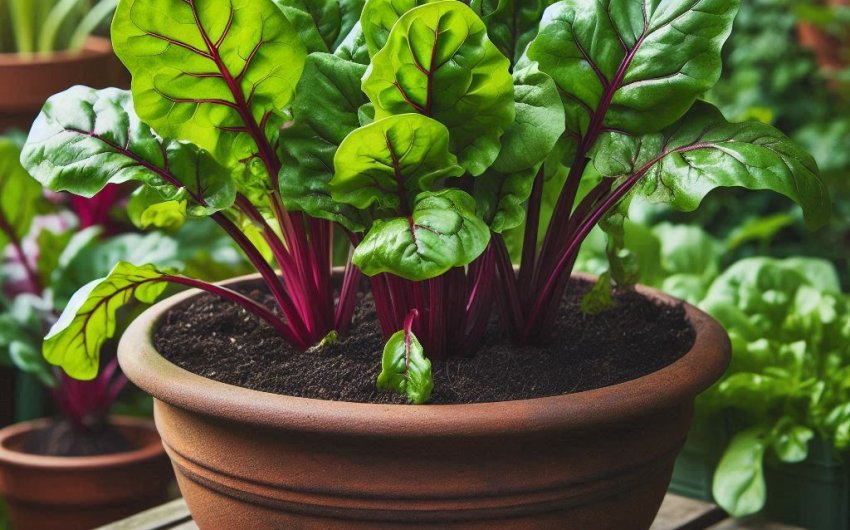
Growing your own fresh produce is incredibly rewarding, and even without a large garden plot, you can enjoy delicious root vegetables. Learning how to grow beets in containers is a fantastic solution for urban gardeners, those with small spaces, or anyone who wants the convenience of movable crops. With the right approach, you'll be harvesting earthy roots and nutritious greens from your patio or balcony in no time.
Why Grow Beets in Containers?
Growing beets in containers offers numerous advantages, making it an excellent choice for a wide range of gardeners. It provides flexibility, control, and accessibility that traditional in-ground gardening sometimes lacks. Understanding these benefits is key to appreciating the convenience of learning how to grow beets in containers.
- Space-Saving: Ideal for balconies, patios, rooftops, or small yards where ground space is limited. You can stack or arrange containers to maximize your growing area.
- Mobility: Containers can be moved to optimize sunlight exposure throughout the day or season, or to protect plants from harsh weather. If a sudden frost threatens, you can simply move your beets indoors or under cover.
- Soil Control: You have complete control over the soil quality. This is especially beneficial if your native garden soil is poor, rocky, or unsuitable for root crops. You can create the perfect growing medium.
- Reduced Pests & Diseases: Elevated containers can help deter some ground-dwelling pests. The contained environment also makes it easier to manage soil-borne diseases.
- Accessibility: Container gardening is more accessible for individuals with mobility issues, as it reduces the need for bending and kneeling.
- Aesthetic Appeal: Beets, with their vibrant greens and sometimes colorful stems, can be a beautiful addition to a decorative container garden.
What Are the Best Beet Varieties for Container Growing?
When considering how to grow beets in containers, selecting the right variety is important. While many beet types can be grown in pots, some are better suited due to their size, growth habit, or maturity time. Look for varieties described as "compact," "bush," or "mini" if space is very limited.
Recommended Beet Varieties
- Detroit Dark Red: A classic, reliable variety known for its deep red, round roots and good flavor. It's adaptable and a popular choice for all growing methods.
- Early Wonder: Lives up to its name by maturing quickly, offering an early harvest of both roots and greens. Roots are round to slightly flattened.
- Cylindra (Formanova): This unique variety produces long, cylindrical roots, which can be easier to slice evenly. Its shape might make it less prone to hitting the bottom of narrower pots if given enough depth.
- Chioggia (Candy Cane): Famous for its beautiful, concentric red and white rings when sliced. It's a slightly smaller, heirloom variety that offers a mild, sweet flavor. Visually appealing for a container garden.
- Golden Beets (e.g., Golden Detroit): These beets have vibrant yellow-orange roots and mild flavor. They don't "bleed" like red beets, making them a good culinary choice, and their greens are also delicious.
- Bull's Blood: While grown for its dark red, almost black, leaves that are excellent for salads, it also produces small, edible roots. Ideal if you prioritize beet greens.
When choosing your beet seeds, consider how much space you have and whether you prefer larger roots, quick harvests, or ornamental qualities.
What Kind of Container Should You Use for Beets?
The container you choose is critical for success when learning how to grow beets in containers. Beets are root vegetables, meaning they need adequate depth for their roots to develop properly. Drainage is also non-negotiable.
Essential Container Features
- Drainage Holes: Absolutely essential! Without them, water will accumulate at the bottom, leading to soggy soil and root rot, which is fatal for beets. Ensure your chosen container has multiple, adequately sized drainage holes.
- Depth: Beets need at least 8-12 inches of depth for optimal root development. While smaller varieties might get by with 6 inches, more depth is always better to allow for good root formation and moisture retention.
- Width: The wider the container, the more beets you can grow. A container garden pot around 10-12 inches in diameter can comfortably hold 3-4 beets, while larger containers like half-whiskey barrels or large troughs can hold many more.
Popular Container Choices
- Terracotta or Clay Pots: These are attractive and porous, which allows for good airflow and helps prevent overwatering. However, they can dry out faster, especially in hot, sunny conditions, meaning you might need to water more frequently.
- Plastic Pots: Lightweight, affordable, and retain moisture longer than clay pots. Make sure they have good drainage holes.
- Fabric Grow Bags: Excellent for root vegetables! Fabric grow bags promote air pruning of roots, which encourages a denser, healthier root system, and they offer superior drainage and aeration. They are also lightweight and easy to store when not in use.
- Whiskey Barrels or Tubs: Half-whiskey barrels, large plastic tubs, or even repurposed food-grade containers (with added drainage holes) provide ample space for multiple beet plants.
- Raised Garden Beds (Mini): Small, self-contained raised beds can also be considered large containers and are perfect for a generous beet harvest.
Avoid anything that previously held chemicals unless you can confirm it is food-safe and has been thoroughly cleaned.
What is the Best Soil for Growing Beets in Containers?
The soil is paramount when figuring out how to grow beets in containers. Since they are root vegetables, they need a loose, well-draining, and nutrient-rich medium to form those perfectly shaped roots. Heavy, compacted, or nutrient-poor soil will lead to stunted, misshapen, or tough beets.
Ideal Potting Mix Characteristics
- Loose and Friable: The soil should be light and crumbly, allowing roots to easily push through and expand.
- Well-Draining: While it needs to retain some moisture, excess water must drain away quickly to prevent root rot.
- Rich in Organic Matter: Organic matter provides essential nutrients and improves soil structure.
Recommended Potting Mix Recipe
Instead of using garden soil (which is too heavy and can introduce pests or diseases), create a specialized potting mix:
- High-Quality Potting Mix: Start with a good base. Look for a potting mix designed for vegetables or general container gardening.
- Perlite or Vermiculite: Add about 20-30% perlite or vermiculite to improve drainage and aeration. Perlite is better for drainage, while vermiculite also helps retain moisture.
- Compost or Well-Rotted Manure: Mix in 10-20% high-quality compost or well-rotted manure. This provides a slow release of nutrients and boosts microbial activity.
- Balanced Organic Fertilizer (Optional, but Recommended): A granular, slow-release organic vegetable fertilizer can be mixed in at planting time to give your beets a good start. Look for a balanced N-P-K (nitrogen, phosphorus, potassium) ratio, perhaps slightly higher in phosphorus for root development.
Soil pH
Beets prefer a slightly alkaline to neutral soil pH, typically between 6.0 and 7.0. If you're unsure about your mix's pH, you can use a soil test kit to check. If your mix is too acidic, a little gardening lime can raise the pH.
When is the Best Time to Plant Beets in Containers?
Timing your planting is essential for success when learning how to grow beets in containers. Beets are cool-season crops, meaning they thrive in moderate temperatures and can tolerate a light frost. They don't do well in intense summer heat.
Planting Seasons
- Spring Planting: The ideal time to plant beets is in early spring, as soon as the soil can be worked and after the last hard frost has passed. You can start planting about 2-4 weeks before your average last frost date.
- Fall Planting: For a second harvest, plant beets in late summer or early fall, about 6-8 weeks before your first expected fall frost. This allows them to mature in the cooler temperatures of autumn.
- Succession Planting: To enjoy a continuous harvest, plant small batches of beet seeds every 2-3 weeks during the appropriate seasons. This is called succession planting.
Temperature Guidelines
- Soil Temperature: Beets germinate best when soil temperatures are between 50°F and 75°F (10°C and 24°C).
- Air Temperature: They prefer air temperatures between 60°F and 70°F (15°C and 21°C). Prolonged temperatures above 80°F (27°C) can cause beets to bolt (go to seed), become tough, or stop root development.
Where to Place Your Containers
- Sunlight: Beets need full sun, meaning at least 6 hours of direct sunlight per day, for optimal root development. In very hot climates, a spot that gets morning sun and afternoon shade can be beneficial to protect them from intense heat.
- Shelter: While they like sun, protect them from strong winds that can dry out the soil quickly in containers.
By timing your planting correctly and providing adequate sunlight, you'll set your beets in containers up for robust growth and a flavorful harvest.
How to Plant Beet Seeds in Containers?
Once you have your containers, soil, and seeds ready, planting is the next step in learning how to grow beets in containers. Beets grow directly from seed and do not transplant well if started indoors, so direct sowing is almost always recommended.
Understanding Beet Seeds
Interestingly, what we call a "beet seed" is actually a cluster of 2-5 individual seeds. This means that multiple seedlings will often sprout from a single "seed," requiring thinning later on.
Planting Steps
- Fill Containers: Fill your chosen containers with your prepared potting mix, leaving about 1-2 inches of space from the rim. Lightly moisten the soil.
- Sow Seeds:
- Spacing: Plant beet seeds about 1 inch deep and 1-2 inches apart. If planting in rows, space rows about 6 inches apart.
- Method: You can poke individual holes with your finger or the end of a stick, drop in the seed clusters, and then gently cover with soil.
- Water Gently: After planting, gently water the soil. Be careful not to dislodge the seeds. A watering can with a fine rose or a gentle spray nozzle is ideal.
- Label: Label your containers with the beet variety and planting date.
- Germination: Beets typically germinate in 5-10 days, but it can take up to 2 weeks, especially in cooler soil.
Thinning Beet Seedlings
Because each "seed" is a cluster, you'll almost certainly have multiple seedlings sprouting in one spot. Thinning is crucial for developing good-sized roots.
- First Thinning (True Leaves Appear): When seedlings are about 1-2 inches tall and have developed their first set of "true leaves" (the second set of leaves after the initial two seed leaves), thin them to about 1 inch apart. You can pinch off the weaker seedlings or gently snip them at the soil line with small snips. You can even eat these tiny thinnings in salads!
- Second Thinning (Roots Begin to Swell): Once the beet roots begin to swell and are about 1 inch in diameter (roughly golf-ball size), thin them again to a final spacing of 3-4 inches apart. These larger thinnings are often called "baby beets" and their greens are also delicious.
- Why Thinning is Important: If you don't thin, the beet roots will compete for resources and space, resulting in many small, stunted, or misshapen roots.
How to Water Beets in Containers?
Watering is a critical aspect of how to grow beets in containers. Because containers dry out faster than in-ground gardens, consistent and appropriate watering is key to succulent roots and tender greens. Inconsistent watering can lead to tough, woody roots or bolting.
Watering Principles
- Consistent Moisture: Beets need consistently moist soil. Don't let the soil dry out completely, and don't let it become waterlogged.
- Frequency:
- In hot, sunny weather, you might need to water daily or even twice a day, especially in terracotta pots or fabric grow bags.
- In cooler weather or during germination, less frequent watering is needed.
- Check Soil Moisture: Always check the top 1-2 inches of soil with your finger. If it feels dry, it's time to water. If it still feels damp, wait. A moisture meter can also be helpful.
- Water Thoroughly: When you water, do so deeply until water drains from the bottom of the container. This encourages deep root growth.
- Avoid Overhead Watering (Mostly): While fine for seedlings, once plants are established, try to water at the base of the plant to keep the leaves dry. Wet leaves can encourage fungal diseases, especially in humid conditions. A watering wand is useful for this.
Signs of Watering Issues
- Underwatering:
- Wilting Leaves: The beet greens will droop and look limp.
- Stunted Roots: Roots won't swell properly and will be small and tough.
- Overwatering:
- Yellowing Leaves: Especially lower leaves.
- Root Rot: The plant may wilt even though the soil is wet, and the roots will be mushy and smell foul. This is often fatal.
- Fungal Issues: Soggy conditions can promote fungal diseases.
Maintaining even moisture is the sweet spot for plump, tender beets in containers.
How to Fertilize Beets in Containers?
While your initial potting mix should provide a good start, regular fertilization is important for beets in containers because nutrients leach out with frequent watering. However, beets have specific needs regarding nutrients, especially nitrogen, so a balanced approach is best.
Fertilizing Needs
- Nitrogen (N): Promotes leafy growth. While beet greens are edible and delicious, too much nitrogen will encourage lush tops at the expense of root development.
- Phosphorus (P): Crucial for root development and overall plant health.
- Potassium (K): Supports overall plant vigor, disease resistance, and helps with root and flower development.
Fertilizing Schedule and Type
- Initial Boost: If your potting mix didn't already include it, mix in a slow-release granular organic vegetable fertilizer at planting time. Look for a balanced N-P-K (e.g., 5-10-5 or similar, slightly higher in P and K for root crops).
- Mid-Season Feeding: About 3-4 weeks after germination, or once plants are thinned to their final spacing, you can apply a liquid organic fertilizer.
- Choose a balanced liquid feed or one slightly higher in phosphorus and potassium.
- Dilute the fertilizer to half strength or even quarter strength, especially for root crops. Over-fertilizing, especially with nitrogen, can lead to small, woody roots and excessive leafy growth.
- Apply every 2-3 weeks during the growing season.
- Stop Fertilizing Near Harvest: Discontinue fertilizing about 2-3 weeks before you plan to harvest the roots to avoid altering their flavor.
Common Fertilizing Mistakes
- Too Much Nitrogen: Results in huge leafy tops but small, unformed roots.
- Fertilizing Dry Soil: Always water your plants before applying liquid fertilizer to prevent root burn.
- Fertilizing in Winter: Do not fertilize when plants are not actively growing.
How to Protect Beets in Containers from Pests and Diseases?
Even though beets in containers might have some protection from ground-dwelling pests, they are still susceptible to common garden problems. Learning how to grow beets in containers includes knowing how to identify and manage these issues organically.
Common Pests
- Leaf Miners: These are tiny larvae that tunnel between the layers of beet leaves, creating squiggly white trails.
- Solution: Pick off and destroy affected leaves (small infestations). Use row covers (fine mesh barriers) to prevent adult flies from laying eggs. Neem oil spray can deter them.
- Aphids: Small, soft-bodied insects that cluster on new growth and suck plant sap, causing distorted leaves.
- Solution: Blast them off with a strong stream of water. Apply insecticidal soap (ensure it's organic and safe for edibles). Encourage beneficial insects like ladybugs.
- Flea Beetles: Tiny, jumping beetles that chew small "shot holes" in leaves. More of an issue on young seedlings.
- Solution: Use row covers. Keep plants healthy and well-watered. A light dusting of diatomaceous earth around the plant base can help.
Common Diseases
Most beet diseases are fungal and usually linked to poor air circulation, overwatering, or extended periods of leaf wetness.
- Cercospora Leaf Spot: Small, circular spots with purple margins and gray centers appear on leaves.
- Solution: Ensure good air circulation by proper spacing (thinning). Avoid overhead watering; water at the base of the plant. Remove severely infected leaves.
- Root Rot: Caused by consistently soggy soil. Roots turn mushy and black, and the plant wilts.
- Solution: Prevention is key: use well-draining soil, a pot with drainage holes, and avoid overwatering. Once root rot sets in, it's often difficult to save the plant.
Prevention is the Best Defense
- Healthy Plants: Well-fed, properly watered plants are more resistant to pests and diseases.
- Good Air Circulation: Don't overcrowd plants in the container. Thin properly.
- Sanitation: Remove any yellowing, diseased, or heavily pest-infested leaves promptly.
- Regular Inspection: Check your plants regularly (every few days) for signs of trouble. Early detection makes control much easier.
- Companion Planting: Some gardeners find certain plants deter pests. For example, catnip, garlic, or mint might deter some insects.
When and How to Harvest Beets in Containers?
The final, exciting step in learning how to grow beets in containers is the harvest! Knowing when your beets are ready and how to harvest them properly will ensure you get the best flavor and yield.
When are Beets Ready for Harvest?
- Maturity Time: Most beet varieties mature in 50-70 days from seeding. Check your specific seed packet for the expected days to maturity.
- Root Size: The roots are typically ready when they reach about 1.5 to 3 inches in diameter, roughly the size of a golf ball to a tennis ball. Don't let them get too large, as they can become woody and tough. You can gently push aside the soil at the base of the plant to check the root size.
- Greens: Beet greens can be harvested at almost any stage!
- Microgreens/Baby Greens: You can start harvesting tender, young leaves as soon as they are a few inches tall (even during thinning).
- Mature Greens: Harvest larger, mature leaves when they are still tender, before they become tough.
How to Harvest Beets
There are two main ways to harvest: harvesting greens only, or harvesting the entire root.
Harvesting Beet Greens (Cut-and-Come-Again)
You can enjoy multiple harvests of beet greens before pulling the roots.
- Select Outer Leaves: Using clean garden snips or a sharp knife, snip off some of the larger, outer leaves from each plant.
- Leave Inner Leaves: Always leave at least 2-3 small inner leaves on the plant so it can continue to photosynthesize and grow.
- Frequency: You can typically harvest greens every 1-2 weeks. This technique actually encourages the plant to put more energy into root development if done sparingly.
Harvesting the Entire Beet Root
- Check Size: Once the roots have reached the desired size (1.5 to 3 inches in diameter), they are ready.
- Loosen Soil: Gently loosen the soil around the beet with your hands or a small trowel. This helps prevent breaking the root.
- Pull Gently: Grasp the leafy tops close to the root and gently pull the beet straight up out of the soil. If it resists, try wiggling it slightly or loosening more soil.
- Prepare for Storage:
- Twist or cut off the leafy tops about 1 inch from the root immediately after harvesting. This prevents the greens from drawing moisture and nutrients from the root, which would make the roots shrivel.
- You can save the greens for cooking!
- Gently brush off excess soil (don't wash until just before use, as moisture can encourage rot).
- Replanting (Succession): Once a beet root is harvested, you can plant new seeds in the same spot for a continuous harvest, provided the season is still appropriate.
Harvesting your delicious beets in containers is the culmination of your efforts, providing fresh, homegrown goodness right from your patio or balcony.