
Grow Blueberries in Containers: A Complete Guide
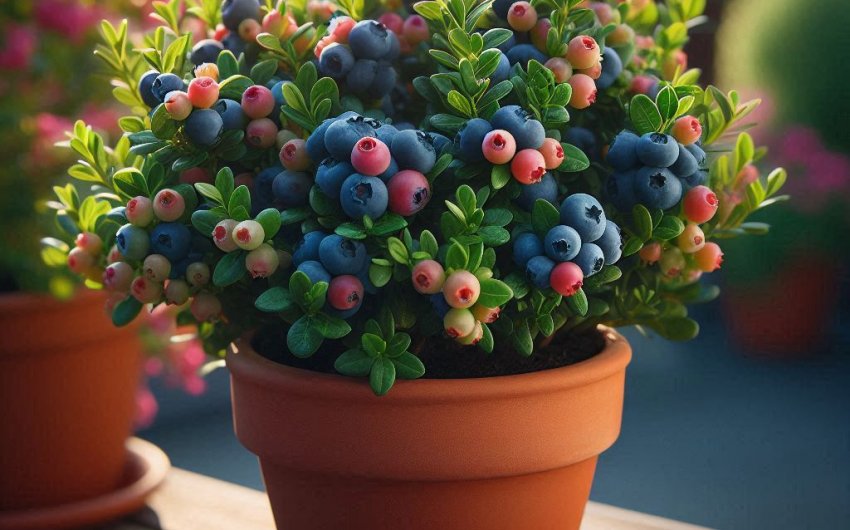
Are you dreaming of picking fresh, juicy blueberries right from your patio or balcony? Cultivating these delightful berries in pots is not only possible but also a highly rewarding endeavor for any home gardener. This comprehensive guide will walk you through all the essential steps to successfully nurture your own bountiful blueberry harvest in various containers.
Why Grow Blueberries in Containers?
Growing blueberries in pots offers numerous advantages, especially for those with limited garden space or less-than-ideal soil conditions. This method allows you to control the growing environment precisely, ensuring your blueberry plants receive exactly what they need to thrive.
- Space Saving: Ideal for small patios, balconies, or even rooftops where traditional in-ground planting isn't an option.
- Soil Control: Blueberries are picky about their soil. Containers let you create the perfect acidic soil mix they crave, regardless of your native soil type.
- Pest Management: It's easier to monitor and manage pests and diseases when plants are contained and can be moved.
- Mobility: You can move your blueberry plants to optimal sun exposure throughout the day or bring them indoors during harsh winter weather.
- Accessibility: Container growing can make gardening more accessible for individuals with mobility challenges.
What Kind of Blueberries Grow Best in Pots?
Choosing the right blueberry variety is crucial for successful container cultivation. Different types have varying sizes, chilling requirements, and growth habits.
- Northern Highbush Blueberries: These are the most common type and produce large, flavorful berries. They require a significant chilling period (time spent below 45°F or 7°C) to produce fruit.
- Southern Highbush Blueberries: A hybrid of Northern Highbush and native Southern species, these have lower chilling requirements, making them suitable for warmer climates. They are often more tolerant of heat.
- Half-High Blueberries: These are crosses between Northern Highbush and lowbush blueberries. They are smaller plants, perfect for containers, and are very cold-hardy.
- Dwarf Varieties: Some varieties are specifically bred for container growing due to their compact size, such as Patriot, Top Hat, or Northblue.
Best Blueberry Varieties for Container Growing:
| Variety Name | Type | Size (Mature) | Chilling Hours Required | Notes |
|---|---|---|---|---|
| Patriot | Northern Highbush | 3-5 feet | 800-1000 | Very cold-hardy, large berries, upright growth. |
| Northblue | Half-High | 2-3 feet | 800-1000 | Compact, good for pots, very cold-hardy. |
| Sunshine Blue | Southern Highbush | 3-4 feet | 150-250 | Evergreen in mild climates, self-pollinating, tolerant of higher pH. |
| Top Hat | Half-High (Dwarf) | 1-2 feet | 800-1000 | Very small, compact, excellent for small containers or bonsai style. |
| Pink Lemonade | Rabbit-eye | 4-5 feet | 200-400 | Unique pink berries, good ornamental value, needs cross-pollination. |
When selecting your plants, consider your local climate and the chilling hour requirements of the blueberry variety. You can usually find this information on the plant tag or from the nursery.
What Container Size is Best for Blueberries?
The size of the container is crucial for the health and productivity of your blueberry plant. Start with a smaller pot for a young plant and repot it into a larger one as it grows.
- Initial Potting: For a 1-2 year old plant, begin with a pot that is at least 15-20 inches in diameter and 12-16 inches deep. A 15-gallon nursery pot or a half-whiskey barrel is an excellent starting point.
- Mature Plants: For a fully grown blueberry bush, aim for a container that is at least 20-25 inches in diameter and 18-24 inches deep. This will give the roots ample space to spread and allow for good moisture retention.
Container Material:
- Plastic Pots: Lightweight, affordable, and retain moisture well. Choose high-quality, UV-resistant plastic to prevent degradation.
- Terracotta Pots: Porous, allowing for good air circulation to the roots, but they dry out faster, requiring more frequent watering.
- Fabric Grow Bags: Excellent for aeration and preventing root circling, promoting healthy root development. They are also lightweight and collapsible for storage. Consider a 15-gallon fabric grow bag for a good start.
- Wooden Barrels: Aesthetically pleasing and provide good insulation. Ensure they are treated for outdoor use and have drainage holes.
Regardless of the material, adequate drainage holes are non-negotiable. Blueberries hate "wet feet," meaning their roots sitting in soggy soil can lead to root rot. If your chosen container doesn't have enough holes, drill more.
What Kind of Soil Do Blueberries Need?
Blueberries are unique in their soil requirements; they thrive in acidic soil with a pH range of 4.5 to 5.5. Most garden soils are too alkaline for blueberries. This is where container growing truly shines, as it allows you to create the ideal growing medium.
Creating the Perfect Potting Mix:
Never use regular garden soil in your containers, as it compacts too much and won't have the right pH. Instead, create a specialized mix:
- Peat Moss: This is the cornerstone of blueberry potting mix due to its naturally acidic nature and excellent water retention properties. Use a good quality sphagnum peat moss.
- Pine Bark Fines or Aged Pine Bark: These provide excellent drainage and aeration, and as they decompose, they slowly release acidic compounds. Look for pine bark fines for gardening.
- Perlite or Pumice: These materials improve drainage and aeration, preventing the soil from becoming waterlogged. A bag of perlite will go a long way.
A good basic recipe for blueberry potting mix:
- 50% sphagnum peat moss
- 30% aged pine bark fines
- 20% perlite
You can also purchase specially formulated acid-loving plant potting mix from garden centers, but always check the pH to ensure it falls within the desired range for blueberries.
Adjusting Soil pH:
If your soil mix isn't quite acidic enough, you can lower the pH by adding:
- Elemental Sulfur: This acts slowly but effectively. Mix it into the soil a few weeks before planting.
- Miracid or Acid-Loving Plant Fertilizer: These fertilizers are designed to help maintain or lower soil pH.
It's a good idea to invest in a soil pH test kit to monitor your soil's acidity periodically.
How to Plant Blueberries in Containers
Once you have your container and the perfect soil mix, planting your blueberry bush is straightforward.
- Prepare the Container: Ensure your chosen container has ample drainage holes. You can place a piece of landscape fabric or a coffee filter over the holes to prevent soil from washing out while still allowing water to drain. Avoid using gravel at the bottom, as it can hinder drainage.
- Add Soil Mix: Fill the bottom of the container with enough of your custom acidic potting mix so that when the blueberry plant is placed in, the top of its root ball is about 1-2 inches below the rim of the pot.
- Remove the Plant: Carefully remove the blueberry plant from its nursery pot. Gently loosen any circling roots at the bottom of the root ball.
- Position the Plant: Center the blueberry plant in the container. The top of the root ball should be level with, or slightly above, the surrounding soil mix to prevent water from pooling around the crown.
- Fill with Soil: Backfill around the root ball with your potting mix, gently tamping it down to remove large air pockets. Do not compact the soil too firmly.
- Water Thoroughly: Water the newly planted blueberry thoroughly until water drains from the bottom of the pot. This settles the soil around the roots.
- Mulch: Apply a 1-2 inch layer of acidic mulch, such as pine bark nuggets, pine needles, or wood chips (avoiding dyed mulches), over the top of the soil. Mulch helps retain moisture, suppress weeds, and slowly acidify the soil as it breaks down.
Where Should Container Blueberries Be Placed?
Blueberries are sun-loving plants and require ample light to produce a good harvest.
- Sunlight: Choose a location that receives at least 6-8 hours of full direct sunlight per day. More sun generally leads to more berries and better flavor.
- Protection from Wind: While they love sun, protect your potted blueberries from strong winds, especially during flowering, as strong winds can damage blossoms or even blow over the pots.
- Air Circulation: Ensure good air circulation around the plants to reduce the risk of fungal diseases.
If you live in a very hot climate, some afternoon shade can prevent the plants from getting stressed. However, too much shade will result in fewer berries.
How to Water Container Blueberries
Proper watering is critical for blueberries grown in containers. Because pots dry out faster than in-ground gardens, consistent moisture is key.
- Consistency is Key: Blueberries have shallow root systems and prefer consistently moist, but not soggy, soil.
- Watering Frequency: In warm weather, you may need to water daily or even twice a day, especially for smaller pots or during peak fruiting. In cooler weather, watering can be less frequent.
- Check Soil Moisture: The best way to know when to water is to stick your finger about 1-2 inches into the soil. If it feels dry, it's time to water. You can also use a soil moisture meter.
- Water Deeply: Water until you see water draining from the bottom of the pot. This ensures the entire root ball is moistened.
- Rainwater or Acidified Water: Whenever possible, use rainwater or water that has been slightly acidified. Tap water often has a high pH and can slowly raise the soil pH over time. If your tap water is alkaline, you can acidify it by adding a small amount of vinegar (e.g., 1 tablespoon per gallon of water) or a product like pH Down for plants specifically designed for this purpose.
How to Fertilize Container Blueberries
Blueberries are not heavy feeders, but they do benefit from regular fertilization with products formulated for acid-loving plants.
- First Year: Do not fertilize immediately after planting. Wait until the plant has shown signs of new growth, usually 4-6 weeks after planting.
- Fertilizer Type: Use a slow-release granular fertilizer or a liquid fertilizer specifically designed for acid-loving plants like Miracid, rhododendron, or azalea food. Look for formulations that contain ammonium sulfate or sulfur-coated urea, as these provide nitrogen in a form that blueberries can readily use and help maintain soil acidity. Avoid fertilizers containing nitrates, as these can be harmful to blueberries.
- Application:
- Granular: Apply according to package directions, typically in early spring as new growth begins and again in late spring or early summer.
- Liquid: Apply every 2-4 weeks during the growing season, following the dilution rates on the product label.
- Micronutrients: Blueberries can sometimes show signs of iron deficiency (yellowing leaves with green veins, called chlorosis). This usually indicates a pH that is too high, preventing the plant from absorbing iron. If your pH is correct and you still see symptoms, a foliar spray of chelated iron can provide a quick boost.
- Organic Options: For organic growers, options include cottonseed meal (acidic), blood meal, or composted pine bark. These break down slowly and contribute to soil acidity.
Always follow the instructions on your chosen fertilizer package to avoid over-fertilizing, which can burn the roots.
Do Blueberries Need Pruning in Containers?
Pruning is essential for maintaining the health, vigor, and productivity of your container-grown blueberry plants.
- First Year: In the first year after planting, it's recommended to remove any flower buds that form. This might seem counterintuitive, but it allows the young plant to focus its energy on establishing a strong root system and developing robust branches rather than producing fruit prematurely.
- Annual Pruning (Dormant Season): The best time to prune mature blueberry bushes is in late winter or early spring while the plant is dormant, before new growth begins.
- Remove Dead or Damaged Branches: Cut out any branches that are dead, diseased, or broken.
- Remove Weak or spindly growth: Thin out any weak or very thin stems that are not likely to produce much fruit.
- Improve Air Circulation: Remove any branches that are crossing or rubbing against each other, or that are growing inward towards the center of the bush. This improves air circulation and sunlight penetration.
- Remove Oldest Stems: For mature bushes (4+ years old), identify and remove 1-2 of the oldest, thickest canes each year at the base. These older canes become less productive over time. This encourages new, more vigorous growth that will produce more fruit.
- Maintain Size: Prune to maintain a manageable size and shape for your container. You can cut back tall, leggy branches to an outward-facing bud or side branch.
Use sharp, clean pruning shears to make clean cuts. Regular pruning will ensure your blueberry plant remains productive for many years.
How to Protect Blueberries in Winter
Winter protection is crucial for container-grown blueberries, especially in colder climates, as the roots are more exposed to freezing temperatures than in-ground plants.
- Move Indoors (Unheated Space): If you live in an area with harsh winters (temperatures consistently below 20°F or -6°C), the best option is to move your potted blueberries to an unheated garage, shed, or basement once they have gone dormant (lost their leaves). Ensure the space is cool but stays above freezing.
- Insulate the Container: If you cannot move your plants indoors, insulate the pot.
- Wrap the container with burlap, bubble wrap, or blankets.
- Surround the pot with straw bales or other insulating materials.
- Place the container inside a larger pot and fill the gap with mulch or leaves.
- Bury the Pot: In some cases, you can temporarily bury the entire container in the ground, leaving only the top of the plant exposed, which offers excellent insulation for the roots.
- Water Sparingly: During dormancy, blueberries still need some moisture. Water sparingly about once a month, just enough to keep the soil from completely drying out. Avoid overwatering, which can lead to root rot.
- Snow Cover: If your area receives natural snowfall, a blanket of snow around the base of the plant can provide excellent insulation.
Remember that blueberry plants need their chilling hours to produce fruit the following season, so don't bring them into a warm, heated indoor space for the entire winter. A cool, dormant period is essential.
Dealing with Pests and Diseases
Container-grown blueberries are generally quite resilient, but occasional issues with pests or diseases can arise.
Common Pests:
- Birds: Birds are often the biggest "pest" for blueberry growers! They love ripe berries.
- Solution: Drape bird netting over your plants as the berries begin to ripen.
- Spotted Wing Drosophila (SWD): A small fruit fly that lays eggs in ripening fruit, causing them to spoil.
- Solution: Monitor with traps, harvest fruit promptly, and consider organic sprays if infestation is severe.
- Aphids: Small, soft-bodied insects that cluster on new growth and suck plant sap.
- Solution: Blast them off with a strong stream of water, use insecticidal soap, or introduce beneficial insects like ladybugs.
- Scale Insects: Small, immobile insects that look like bumps on stems and leaves, also sucking sap.
- Solution: Scrape them off with a fingernail, use horticultural oil, or insecticidal soap.
Common Diseases:
- Powdery Mildew: White, powdery spots on leaves, especially in humid conditions with poor air circulation.
- Solution: Improve air circulation through pruning, use fungicides if necessary.
- Anthracnose: Causes sunken, dark spots on berries, stems, and leaves.
- Solution: Remove infected plant parts, ensure good air circulation, and use a copper-based fungicide if needed.
- Root Rot: Caused by overly wet, poorly draining soil. Leaves may yellow, wilt, and the plant declines.
- Solution: Ensure excellent drainage, avoid overwatering, and use a well-draining potting mix.
Always try the least toxic methods first for pest and disease control. Maintaining healthy, well-fed, and properly watered plants is your best defense against most problems.
When to Harvest Blueberries
The most exciting part of growing blueberries is harvesting your own delicious fruit!
- Ripening Time: Blueberries typically ripen from early summer to late summer, depending on the variety and your climate. Berries on a single bush will ripen over several weeks, so you'll have a continuous harvest.
- Visual Cues: Don't pick them as soon as they turn blue! A fully ripe blueberry will be completely blue from top to bottom, including the small crown at the stem end.
- Taste Test: The best way to know if a blueberry is truly ripe is to taste it. A ripe berry will be sweet and plump. Unripe berries will be tart and firm.
- Easy Release: Ripe blueberries will practically fall off the bush into your hand with a gentle roll of your thumb. If you have to tug or pull, they're not ready.
- Harvesting: Pick berries in the cool morning or evening. Handle them gently to avoid bruising.
- Yield: A mature blueberry bush in a container can produce several pounds of fruit per season, though this varies greatly by variety, age of the plant, and care.
Enjoy your fresh blueberries straight off the bush, in smoothies, baked goods, or freeze them for later enjoyment.
Successfully cultivating your own bountiful blueberry harvest in various containers is achievable with the right knowledge and consistent care.