
Grow Green, Go Recycled: How to Grow Herbs in Recycled Containers
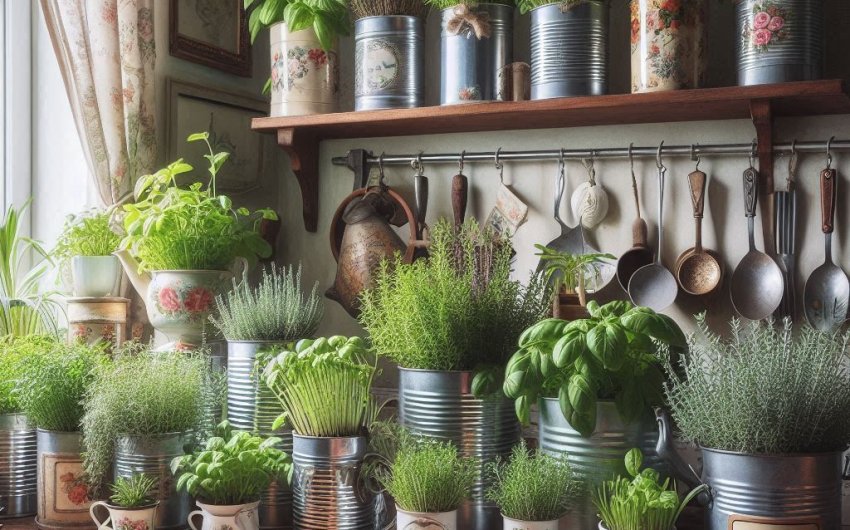
Cultivating your own aromatic herbs is a delightful experience, adding fresh flavor to your cooking and a touch of green to your home. You don't need fancy pots or a sprawling garden; in fact, a sustainable and creative way to get started is by learning how to grow herbs in recycled containers. This eco-friendly approach transforms everyday items into charming planters, perfect for any space.
Why Choose Recycled Containers for Growing Herbs?
Opting for recycled containers when learning how to grow herbs in recycled containers offers a multitude of benefits beyond just saving money. It's an environmentally conscious choice that encourages creativity and makes gardening accessible to everyone, regardless of space or budget.
- Eco-Friendly: Reduces waste by giving new life to items that would otherwise end up in landfills. It's a fantastic way to practice sustainability.
- Cost-Effective: You can save a significant amount of money by not buying new pots. Most recycled containers are free or very low cost.
- Unique Aesthetics: Recycled containers add character and a unique, rustic charm to your garden or indoor space. They can be painted, decorated, or left as-is for an eclectic look.
- Accessibility: Makes gardening possible for those with limited space, such as apartment dwellers, or limited budgets.
- Customization: You can easily match your containers to your decor or personalize them with paint, fabric, or labels.
- Variety: Almost anything can be repurposed, offering an endless array of container shapes and sizes to suit different herbs.
What Kinds of Recycled Containers Work Best for Herbs?
When deciding how to grow herbs in recycled containers, almost anything can be considered, but some materials are more suitable than others. The key is to prioritize drainage and food safety.
Best Bets for Herb Containers
- Plastic Bottles/Jugs: Large soda bottles, milk jugs, or laundry detergent containers can be cut and repurposed. They are lightweight and easy to modify.
- Pros: Lightweight, easy to cut, retain moisture well.
- Cons: Can look utilitarian if not decorated, may break down over time in sunlight.
- Tin Cans: Coffee cans, vegetable cans, or soup cans. They are sturdy and easily painted.
- Pros: Readily available, sturdy, good depth for many herbs.
- Cons: Can rust over time, may leach small amounts of metal into the soil (use food-grade cans and line if concerned).
- Plastic Food Containers: Yogurt tubs, butter containers, large deli containers.
- Pros: Free, lightweight, various sizes.
- Cons: Often shallow, may need many holes, can be flimsy.
- Glass Jars/Bottles: Large pickle jars, mason jars, wine bottles (cut).
- Pros: Attractive, can look very decorative.
- Cons: No drainage (unless drilled, which is difficult and risky), can cause roots to burn if in direct sunlight (magnifying glass effect), heavy. Generally not recommended for direct planting without significant modifications. Better for temporary propagation or as cachepots.
- Old Tires: Cut in half or stacked.
- Pros: Large volume, good insulation.
- Cons: Can leach chemicals into the soil, very heavy, may not fit aesthetic. Use with caution for edibles.
- Wooden Crates/Pallets: Can be lined and used as mini raised beds.
- Pros: Rustic aesthetic, good drainage if gaps present, natural material.
- Cons: Can rot over time, may need lining, check for treated wood (avoid for edibles).
- Metal Tubs/Buckets: Old wash tubs, galvanized buckets.
- Pros: Durable, large, rustic look.
- Cons: Can get very hot in direct sun, may rust, ensure food-safe if previously used for non-food items.
- Ceramic/Pottery: Broken pots, old teacups, chipped mugs, serving bowls.
- Pros: Decorative, unique, retains moisture well.
- Cons: Heavy, difficult to drill drainage holes without specialized tools, fragile.
Crucial Considerations
- Food Safety: If the container previously held non-food chemicals (like cleaning supplies or automotive fluids), do not use it for herbs that you plan to eat. Stick to food-grade containers.
- Toxicity: Be wary of treated wood (e.g., old railway ties) or plastics that might leach harmful chemicals into the soil.
- Size: Match the container size to the herb. Shallow-rooted herbs like chives or thyme can do well in smaller containers, while basil or rosemary needs more room.
How to Prepare Recycled Containers for Planting Herbs?
The preparation phase is non-negotiable for success when figuring out how to grow herbs in recycled containers. Proper preparation ensures good drainage and a healthy environment for your herbs, preventing common problems like root rot.
Essential Preparation Steps
Cleanliness is Key:
- Thoroughly wash any recycled container with hot, soapy water.
- For food containers, use a mild dish soap and rinse very well.
- If containers held anything questionable, you can use a diluted bleach solution (1 part bleach to 9 parts water), then rinse excessively until no bleach smell remains. Air dry completely. This step is crucial for preventing mold, bacteria, or lingering residues.
Add Drainage Holes (Mandatory!):
Advertisement- This is the most important step for almost all recycled containers. Without drainage, water will sit in the bottom, suffocating roots and leading to root rot.
- Plastic: Use a drill with a small drill bit (1/4 to 1/2 inch), a hot nail (held with pliers!), or even a sharp knife (be careful!). Make at least 3-5 holes in the bottom, depending on container size.
- Tin Cans/Metal: Use a hammer and a large nail, or a drill bit designed for metal. Punch several holes in the base.
- Ceramic/Glass (Difficult): Drilling ceramic or glass requires a specialized tile/glass drill bit and a slow, steady hand with water to cool the bit. This is generally not recommended for beginners due to difficulty and breakage risk. If you can't drill them, use them as decorative cachepots with a smaller, draining pot inside.
- Wooden Crates: If the wood doesn't have natural gaps, drill holes. Consider lining with landscape fabric or an old feed sack to prevent soil from washing out.
Consider Liner (Optional but Recommended):
- For metal containers: A liner of landscape fabric or plastic sheeting (with drainage holes added) can help prevent rust from contaminating the soil, or protect the roots from extreme heat if the metal gets very hot in the sun.
- For wooden containers: A liner prevents soil from escaping through gaps and prolongs the life of the wood.
- For glass containers (if daring to plant directly): A liner would be essential to prevent the magnifying glass effect from sunlight on roots.
Aesthetic Touches (Optional):
- Paint: Use non-toxic spray paint or acrylic paints to decorate plastic, metal, or wood containers. Allow to dry completely.
- Labels: Add labels with a garden marker or painted stencils to identify your herbs.
What is the Best Soil Mix for Herbs in Recycled Containers?
The right soil mix is paramount for successful growth when you learn how to grow herbs in recycled containers. Herbs, especially those grown in containers, need a potting mix that drains well but still retains enough moisture and nutrients. Garden soil is generally too heavy and compacted for container growing.
Characteristics of Ideal Herb Soil
- Well-Draining: Essential to prevent soggy roots and rot, especially in smaller containers.
- Good Aeration: Allows oxygen to reach the roots.
- Moisture Retention: Holds enough water for the plant without becoming waterlogged.
- Nutrient-Rich: Provides a steady supply of nutrients for healthy growth.
Recommended Potting Mix Recipe
Instead of just grabbing any bag of "potting soil," consider mixing your own or enhancing a basic mix.
- High-Quality Potting Mix Base: Start with a good, lightweight all-purpose potting mix. Look for one that explicitly states it's for containers.
- Perlite or Vermiculite (20-30%): This is crucial for drainage and aeration. Perlite is preferred for most herbs as it lightens the mix and improves drainage. Vermiculite also helps with moisture retention.
- Compost or Worm Castings (10-20%): Adding compost or worm castings enriches the soil with slow-release nutrients and beneficial microbes.
- Sand (Optional, for arid herbs): For herbs like rosemary, thyme, or lavender that prefer very well-draining, almost sandy soil, you can add a small amount of coarse horticultural sand (not play sand) to further improve drainage.
- Do NOT use garden soil: It compacts easily in pots, drains poorly, and can introduce pests and diseases.
Filling the Container
- Barrier (Optional): You can place a piece of landscape fabric or an old coffee filter over the drainage holes. This prevents soil from washing out but still allows water to drain. Do not add gravel or rocks at the bottom; this is an outdated practice that can actually worsen drainage.
- Fill with Mix: Fill the container with your prepared potting mix, leaving about 1 inch of space from the rim.
How to Choose and Plant Herbs in Recycled Containers?
Selecting the right herbs and knowing how to plant them correctly are crucial steps in learning how to grow herbs in recycled containers. Consider both your culinary needs and the specific growing habits of each herb.
Best Herbs for Container Growing (and Recycled Containers)
Almost all common culinary herbs do well in containers, especially if given enough light and proper care.
- Basil: Loves warmth and sun. Needs consistent moisture. Grow from seed or small plant.
- Container Size: Medium to large (6-8 inches diameter) for a full plant.
- Mint: Very vigorous and spreads aggressively. Must be grown in its own container unless you want it to take over.
- Container Size: Any size, but needs room to grow.
- Chives: Onion-flavored herb. Very easy to grow, tolerant of different conditions.
- Container Size: Small to medium (4-6 inches diameter).
- Cilantro: Prefers cooler weather; tends to "bolt" (go to seed) in heat. Succession plant for continuous harvest.
- Container Size: Small to medium (6 inches diameter), plant densely.
- Dill: Feathery leaves, great for cooking. Can grow tall.
- Container Size: Medium (6-8 inches diameter) due to height.
- Oregano: Drought-tolerant once established.
- Container Size: Small to medium (6 inches diameter).
- Parsley: Biennial (lives for two years), prefers consistent moisture.
- Container Size: Medium (6-8 inches diameter).
- Rosemary: Loves sun and well-draining soil. Can grow large over time.
- Container Size: Medium to large (8+ inches diameter) and deep, terracotta is ideal.
- Thyme: Small-leaved, very drought-tolerant, loves sun.
- Container Size: Small (4-6 inches diameter).
Planting Methods
You can plant herbs from seed or from small starter plants (often called "starts" or "transplants").
1. Planting from Seed
- Check Seed Packet: Follow instructions on your herb seed packets for specific depth and spacing.
- Sow: Gently sprinkle seeds on top of the soil or create small depressions. Cover lightly with soil as directed.
- Water Gently: Use a mister bottle or a watering can with a fine rose to moisten the soil without disturbing the tiny seeds. Keep consistently moist until germination.
- Thinning: Once seedlings emerge and are a few inches tall, thin them to the recommended spacing (check seed packet) to prevent overcrowding. Snip off weaker seedlings at the soil line.
2. Planting from Starter Plants
- Prepare: Gently remove the herb plant from its nursery pot. Loosen any circling roots at the bottom.
- Position: Make a hole in your prepared recycled container large enough for the root ball. Place the plant so the top of its root ball is at the same level as the surrounding soil.
- Fill: Backfill with potting mix, gently firming it around the plant to remove air pockets.
- Water Thoroughly: Water immediately after planting until water drains from the bottom.
How to Water Herbs in Recycled Containers?
Watering is a key differentiator when learning how to grow herbs in recycled containers versus in-ground. Container plants dry out much faster, so consistent monitoring is crucial. Overwatering is a common killer of herbs, especially in pots without good drainage.
Watering Rules for Container Herbs
- Check Before You Water: Never water on a strict schedule. Always check the soil moisture first.
- Finger Test: Stick your finger about 1-2 inches deep into the soil.
- Most Herbs (Basil, Parsley, Cilantro): Water when the top inch or two of soil feels dry to the touch.
- Arid Herbs (Rosemary, Thyme, Oregano, Lavender): Allow the soil to dry out almost completely between waterings. These herbs prefer drier conditions and are prone to root rot if kept too wet.
- Finger Test: Stick your finger about 1-2 inches deep into the soil.
- Water Thoroughly: When you do water, water until excess liquid drains from the bottom of the container. This ensures that all the roots get moisture.
- Empty Saucer: Do not let your containers sit in standing water. Always empty saucers or cachepots about 15-30 minutes after watering.
- Reduce in Winter: Herbs grow slower in fall and winter. Adjust your watering frequency accordingly, as they will need less water.
- Container Material Matters:
- Porous (Terracotta/Fabric): These dry out faster, so you may need to water more frequently.
- Non-Porous (Plastic/Glazed Ceramic/Metal): These retain moisture longer, so be extra careful not to overwater.
Signs of Watering Problems
- Underwatering:
- Wilting: Leaves droop and look limp.
- Crispy Leaves: Especially the lower leaves.
- Stunted Growth.
- Overwatering:
- Yellowing Leaves: Often lower leaves turn yellow and may fall off.
- Mushy Stems/Base: The plant base feels soft, or the soil smells foul (root rot).
- Fungus Gnats: Small flying insects often found around constantly wet soil.
How to Provide Sunlight for Herbs in Recycled Containers?
Sunlight is a vital ingredient for thriving herbs. Most culinary herbs originated in sunny, Mediterranean climates, and they need plenty of light to develop their strong flavors and oils. When learning how to grow herbs in recycled containers, consider their light needs carefully.
Optimal Sunlight Exposure
- Full Sun: Most herbs (like basil, rosemary, thyme, oregano, chives, cilantro, dill, parsley) need at least 6-8 hours of direct sunlight per day to flourish.
- Location:
- Outdoors: A south-facing balcony, patio, or windowsill is ideal. If you have a movable container, you can shift it throughout the day to maximize sun exposure.
- Indoors: A south-facing or west-facing window typically provides the most light. An east-facing window will provide gentler morning sun. North-facing windows usually don't provide enough light for most herbs.
- Signs of Insufficient Light:
- Leggy Growth: Stems become long and stretched out, with sparse leaves.
- Pale Leaves: Leaves may lose their vibrant green color.
- Weak Flavor: The essential oils that give herbs their strong taste won't develop fully.
- No New Growth: Plant stops producing new leaves.
Supplementing Light (Indoors)
If you don't have enough natural light indoors, consider using a grow light. A simple LED grow light or even a strong fluorescent shop light can make a big difference, especially during shorter winter days. Position the light a few inches above the plant for 12-16 hours a day.
Do Herbs in Recycled Containers Need Fertilizing?
Yes, herbs grown in recycled containers will eventually need a nutrient boost. Unlike plants in the ground, container plants have a limited amount of soil, and nutrients are washed away with each watering. However, herbs are not heavy feeders, so a gentle approach to fertilization is best.
Fertilizing Guidelines
- When to Fertilize: Only fertilize during the active growing season (spring and summer). Do not fertilize in fall or winter when growth naturally slows down.
- Initial Mix: Your fresh potting mix (especially if you added compost/worm castings) will provide enough nutrients for the first 4-6 weeks.
- Type of Fertilizer: Use a balanced liquid organic fertilizer or a slow-release granular organic fertilizer specifically formulated for edibles or herbs.
- Avoid high-nitrogen fertilizers (like those for leafy greens), as too much nitrogen can dilute the flavor of herbs.
- Dilution: Always dilute liquid fertilizers to half or even quarter strength of the recommended dosage on the package. Herbs prefer a gentle feeding.
- Frequency: Fertilize every 3-4 weeks during the active growing season.
- Water First: Always water your herbs thoroughly before applying liquid fertilizer. Applying fertilizer to dry soil can burn the roots.
Signs of Nutrient Deficiency (Rare with good soil/light feed)
- Yellowing Leaves: Especially older, lower leaves.
- Stunted Growth: Overall slow or minimal growth.
- Pale Foliage: Lack of vibrant green color.
Signs of Over-Fertilization
- Crispy, Brown Leaf Tips/Edges: Similar to underwatering or low humidity, but soil might have a white crust of salt buildup.
- Wilting: Roots are burned, impairing water uptake.
- Leggy, Weak Growth: Too much nitrogen leads to spindly, tasteless foliage.
If you suspect over-fertilization, flush the soil thoroughly with plain water to wash away excess salts, and then refrain from fertilizing for a few months.
How to Prune and Harvest Herbs from Recycled Containers?
Pruning and harvesting are not just about getting fresh herbs for your kitchen; they are essential steps in learning how to grow herbs in recycled containers that stay bushy, healthy, and productive. Regular harvesting encourages new growth and prevents your plants from becoming leggy or going to seed too soon.
General Pruning Principles
- Pinch or Snip Regularly: Most herbs benefit from frequent pinching or snipping of their top growth. This encourages the plant to branch out, creating a bushier, fuller shape rather than a tall, spindly one.
- Use Clean Tools: Always use clean, sharp herb snips or scissors to make clean cuts, preventing damage to the plant and reducing the risk of disease.
- Remove Flowers (Most Herbs): For herbs like basil, mint, and oregano, pinch off any flower buds as soon as you see them. Flowering signals the end of the plant's leafy growth cycle ("bolting"), and the leaves can become bitter.
Specific Harvesting Techniques
- Basil: Harvest by pinching off the top sets of leaves just above a node (where a set of leaves meets the stem). This encourages two new stems to grow from that point. Never remove more than one-third of the plant at once.
- Mint/Oregano: Aggressive growers. Pinch off stems just above a node. You can harvest heavily.
- Chives: Snip leaves from the outer parts of the clump, about an inch above the soil. They will regrow.
- Parsley/Cilantro: Snip outer stems at the base of the plant, near the soil line. Don't take too many inner, young leaves.
- Rosemary/Thyme: Snip off the soft, new growth at the tips of the branches. Avoid cutting into the woody parts, as these don't readily regrow.
Benefits of Regular Harvesting
- Encourages Bushier Growth: Pinching back promotes branching.
- Better Flavor: Harvesting new, tender growth ensures the best flavor.
- Prevents Bolting: Removing flower buds keeps the plant focused on producing flavorful leaves.
- Extends Harvest: Regular pruning prolongs the productive life of the herb plant.
How to Protect Herbs in Recycled Containers from Pests and Diseases?
Even when learning how to grow herbs in recycled containers, these plants can still encounter pests and diseases. However, herbs are generally quite resilient, and container growing often makes problems easier to spot and manage organically.
Common Pests and Solutions
- Aphids: Small, soft-bodied insects often found on new growth, sucking plant sap.
- Solution: Blast them off with a strong stream of water. For persistent issues, use a natural insecticidal soap spray (ensure it's safe for edibles).
- Spider Mites: Tiny, almost invisible mites that create fine webs, usually on the undersides of leaves, thriving in dry conditions.
- Solution: Increase humidity around the plants. Spray leaves thoroughly (especially undersides) with water daily. Use neem oil spray (safe for edibles).
- Fungus Gnats: Small, annoying flying insects often a sign of consistently wet soil.
- Solution: Let the top layer of soil dry out completely between waterings. Use sticky traps. Adding a layer of coarse sand or grit on top of the soil can deter them.
- Whiteflies: Tiny, white, moth-like insects that fly up when disturbed, often found on undersides of leaves.
- Solution: Spray with insecticidal soap. Use yellow sticky traps.
Common Diseases and Solutions
Most common diseases for herbs are fungal and related to environmental conditions.
- Powdery Mildew: White, powdery patches on leaves, often due to poor air circulation and high humidity.
- Solution: Ensure good air circulation by spacing plants appropriately. Avoid overhead watering. Remove affected leaves. A baking soda spray (1 tsp baking soda per quart of water with a few drops of dish soap) can help.
- Root Rot: Caused by soggy soil and lack of drainage. Plant wilts, leaves yellow, roots are mushy and black.
- Solution: Prevention is key: always use containers with drainage holes and well-draining soil. Do not overwater. Once established, it's very difficult to save a plant with severe root rot.
Prevention is Key
- Good Air Circulation: Don't overcrowd plants in your containers.
- Proper Watering: Avoid overwatering, which stresses plants and creates conditions favorable for pests and diseases.
- Healthy Plants: Well-fed, properly watered, and adequately lit plants are more resilient to problems.
- Regular Inspection: Check your plants every few days. Early detection makes any problem easier to solve.
- Quarantine New Plants: Isolate any new plants for a week or two before introducing them to your existing collection to prevent pest spread.
By staying vigilant and using organic control methods, you can effectively manage issues and ensure your herbs in recycled containers remain healthy and productive.