
Grow Flavorful Herbs: The Best Organic Fertilizers for Potted Herbs
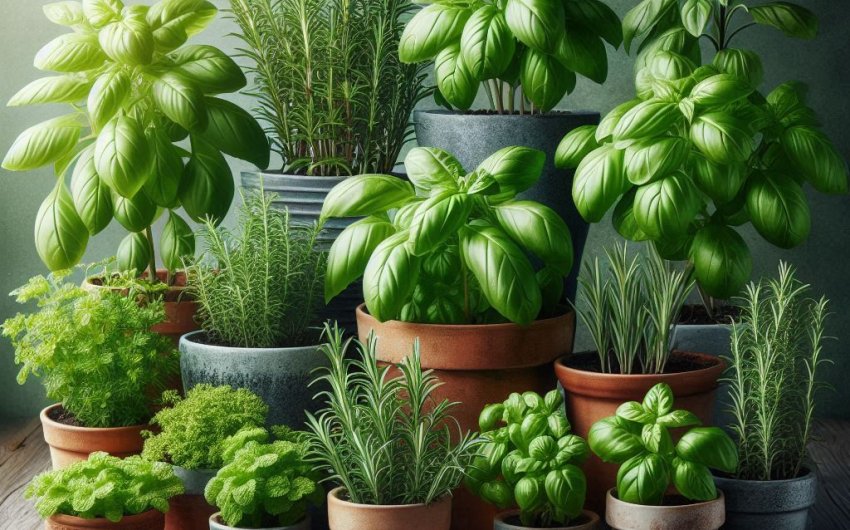
Potted herbs bring fresh flavor to your cooking and a touch of green to your home, but to truly thrive in containers, they need a little extra nourishment. Choosing the best organic fertilizers for potted herbs ensures your plants receive natural, gentle feeding, promoting robust growth and intense flavor without harsh chemicals. This guide will help you understand the perfect plant food for your aromatic companions.
Why Use Organic Fertilizers for Potted Herbs?
Opting for organic fertilizers when growing potted herbs offers distinct advantages over synthetic options, especially when you plan to consume what you grow. Understanding these benefits is key to making informed choices for your aromatic garden.
- Safer for Consumption: Since you'll be eating your herbs, organic fertilizers mean you're not introducing synthetic chemicals into your food. This provides peace of mind and aligns with a natural lifestyle.
- Improves Soil Health: Organic fertilizers don't just feed the plant; they feed the soil. They enhance the soil's structure, promote beneficial microbial activity, and increase its ability to retain water and nutrients over time. This creates a healthier, living ecosystem within your pots.
- Slow-Release Nutrients: Most organic fertilizers break down slowly, providing a steady, gentle supply of nutrients. This reduces the risk of "nutrient burn" (damage from too much fertilizer at once) that can happen with synthetic quick-release options.
- Environmentally Friendly: Organic options are typically derived from natural sources, reducing the environmental impact associated with chemical manufacturing and runoff.
- Enhances Flavor and Aroma: Many gardeners believe that organically grown herbs have a richer, more authentic flavor and aroma, as the plant develops more slowly and naturally.
- Reduced Salt Buildup: Synthetic fertilizers can lead to a buildup of soluble salts in the soil, which can harm roots and stunt growth. Organic fertilizers don't have this issue to the same extent.
What Do Herbs Need from a Fertilizer?
To select the best organic fertilizers for potted herbs, it's important to understand the basic nutrient requirements of plants, often represented by the N-P-K ratio, along with secondary nutrients and micronutrients. Herbs, while not heavy feeders, still require these elements to produce flavorful leaves and strong growth.
The N-P-K Ratio
Fertilizers are labeled with three numbers representing the percentage by weight of Nitrogen (N), Phosphorus (P), and Potassium (K).
- Nitrogen (N): Promotes leafy green growth. Essential for the vibrant foliage of herbs. However, too much nitrogen can lead to lush, fast growth but dilute flavor in herbs.
- Phosphorus (P): Supports strong root development, flowering, and fruiting. Crucial for a robust plant foundation and healthy essential oil production.
- Potassium (K): Contributes to overall plant health, vigor, disease resistance, and helps with water and nutrient uptake.
Secondary Nutrients and Micronutrients
Beyond N-P-K, plants also need smaller amounts of other nutrients.
- Calcium (Ca) and Magnesium (Mg): Important secondary nutrients that aid in cell wall formation and chlorophyll production.
- Trace Minerals (Micronutrients): Such as iron, zinc, copper, manganese, and boron. These are needed in tiny amounts but are vital for various plant processes. Organic fertilizers often naturally contain a wider spectrum of these micronutrients compared to synthetics.
Herb-Specific Needs
Herbs generally prefer a balanced fertilizer or one that is slightly lower in nitrogen and slightly higher in phosphorus and potassium. This promotes good root development and concentrated essential oils (for flavor) rather than just pushing excessive leafy growth. For example, a 5-5-5, 3-5-3, or similar ratio is often ideal.
What are the Best Types of Organic Fertilizers for Potted Herbs?
When choosing the best organic fertilizers for potted herbs, you'll find a variety of forms, each with its own benefits and application methods. Understanding these types will help you select the most convenient and effective options for your container herb garden.
1. Compost
Compost is a decomposed organic matter that is truly a powerhouse for soil health. It's a foundational "fertilizer" that improves soil structure, water retention, and provides a gentle, slow release of a wide range of nutrients and beneficial microbes. It's not usually measured by an N-P-K ratio because its composition varies, but it provides a balanced diet for plants.
- Pros: Improves soil structure, boosts microbial life, provides a full range of nutrients, practically impossible to over-fertilize.
- Cons: Can be messy, needs to be mixed into the potting media or top-dressed.
- How to Use:
- Initial Potting: Mix 10-20% high-quality finished compost into your potting mix when planting or repotting.
- Top-Dressing: Every few months, gently scratch a thin layer (1/2 to 1 inch) of compost into the top of the soil, being careful not to disturb shallow roots, then water it in.
2. Worm Castings
Worm castings (or vermicompost) are essentially worm poop – the end product of organic matter digested by earthworms. They are incredibly rich in nutrients, enzymes, and beneficial microbes, making them an excellent gentle fertilizer.
- Pros: Rich in nutrients, improves soil structure, boosts microbial life, acts as a slow-release fertilizer, non-burning, practically odorless.
- Cons: Can be more expensive than other options, needs to be mixed in or top-dressed.
- How to Use:
- Initial Potting: Mix 10-20% worm castings into your potting mix.
- Top-Dressing: Top-dress with 1/4 to 1/2 inch of castings every 1-2 months.
- Worm Tea: Steep a cup of worm castings in a gallon of water for 24-48 hours (aerating if possible) to make "worm tea" for a liquid feed.
3. Liquid Organic Fertilizers (e.g., Fish Emulsion, Seaweed Emulsion)
Liquid organic fertilizers provide a more immediate nutrient boost than granular or solid options, as nutrients are directly available to plant roots.
- Fish Emulsion: Derived from decomposed fish parts, it's a good source of nitrogen but also contains phosphorus and potassium. It has a distinctive "fishy" smell that usually dissipates quickly outdoors but can linger indoors.
- Pros: Quick nutrient availability, good source of nitrogen.
- Cons: Smelly (especially indoors), can attract fruit flies.
- How to Use: Dilute to half or quarter strength (e.g., 5-1-1 NPK ratio) and apply every 2-4 weeks during the growing season. A fish emulsion fertilizer is a common choice.
- Liquid Seaweed/Kelp Emulsion: Made from seaweed, it's rich in micronutrients, hormones, and beneficial compounds that promote root growth, stress resistance, and overall plant vigor, even if the NPK numbers are low.
- Pros: Excellent source of micronutrients, stimulates root growth, reduces transplant shock, low odor.
- Cons: NPK content is often low, so it's more of a supplement than a complete feed.
- How to Use: Dilute as directed (often used as a foliar spray or soil drench) and apply every 2-4 weeks. A seaweed fertilizer is an excellent choice.
4. Bone Meal and Blood Meal (Use with Caution for Herbs)
These are single-nutrient organic amendments that should be used sparingly and only if you know you have a specific deficiency.
- Bone Meal: A slow-release source of phosphorus (P) and calcium (Ca). Good for root development and flowering.
- Pros: Excellent for root growth, slow-release.
- Cons: Can attract animals if used heavily outdoors, higher P is not always needed for herbs.
- How to Use: Very sparingly, mix a small amount into the soil when planting or repotting, or top-dress. A bone meal fertilizer provides concentrated phosphorus.
- Blood Meal: A rapid-release source of nitrogen (N).
- Pros: Quick nitrogen boost for leafy growth.
- Cons: Too much nitrogen can make herbs less flavorful (dilutes essential oils), can burn plants if overused, attracts animals.
- How to Use: Generally not recommended for herbs unless specifically trying to revive very yellow, nitrogen-deficient plants, and even then, use tiny amounts.
For most potted herbs, a combination of compost/worm castings for general soil health and a diluted liquid seaweed/fish emulsion for active growth is often the most effective and safest approach.
How Often Should You Fertilize Potted Herbs Organically?
The frequency of fertilization is crucial when learning about the best organic fertilizers for potted herbs. Because herbs are not heavy feeders and you'll be consuming them, a conservative approach is always recommended. Over-fertilizing can lead to nutrient burn or dilute the flavorful essential oils.
General Fertilizing Schedule
- Growing Season Only: Fertilize only during the active growing season, which is typically spring and summer. This is when herbs are actively producing new foliage.
- Reduce or Stop in Winter: As daylight hours shorten and temperatures drop (especially indoors), herbs naturally slow their growth. Do not fertilize during the fall and winter months. The plant is not actively using the nutrients, and they can build up in the soil and harm roots.
- Initial Potting Mix: If you started with a fresh, high-quality potting mix that includes compost or worm castings, your herbs will likely have enough nutrients for the first 4-6 weeks.
- Subsequent Feeding:
- Liquid Fertilizers (e.g., Fish/Seaweed Emulsion): Apply a highly diluted solution (half or quarter strength) every 3-4 weeks during the growing season.
- Solid/Granular Fertilizers (e.g., Bone Meal, Blood Meal - used sparingly): These are slower release. If using them, apply once at the beginning of the growing season (spring) and perhaps once more mid-summer.
- Compost/Worm Castings (Top-Dressing): Top-dress every 1-2 months with a thin layer to continuously replenish soil health and provide gentle nutrients.
Factors Affecting Frequency
- Herb Type: Faster-growing, more demanding herbs like basil might benefit from slightly more frequent feeding than slow-growing, drought-tolerant herbs like rosemary or thyme.
- Container Size: Smaller containers will deplete nutrients faster than larger ones, requiring slightly more frequent fertilization.
- Watering Frequency: If you water very frequently, nutrients will leach out of the potting mix faster, potentially requiring more frequent feeding.
- Plant Health: If your herbs look perfectly healthy and are producing well, you might not need to fertilize as often. Let the plant's appearance guide you.
Golden Rule: When in doubt, err on the side of under-fertilizing rather than over-fertilizing. It's easier to add more nutrients than to fix an over-fertilized plant.
How to Apply Organic Fertilizers to Potted Herbs?
Proper application is just as important as choosing the best organic fertilizers for potted herbs. Incorrect application can lead to wasted product or, worse, damage to your precious plants. The goal is to deliver nutrients effectively and safely.
General Application Guidelines
- Water First (Crucial for Liquid Fertilizers): Always water your herbs thoroughly with plain water before applying any liquid fertilizer. Applying fertilizer to dry soil can cause severe root burn.
- Dilution is Key: For liquid organic fertilizers, always dilute to half or quarter strength of what the product label recommends. This prevents nutrient burn and is especially important for herbs where flavor concentration is desired.
- Apply Evenly:
- Liquid: Pour the diluted liquid fertilizer evenly over the soil surface, ensuring it soaks into the root zone. Avoid getting too much on the leaves, especially if you're using fish emulsion (due to smell).
- Granular/Solid: If using granular fertilizers, gently scratch them into the top inch of soil around the base of the plant. Then water thoroughly to help the nutrients begin to break down and release into the soil.
- Top-Dressing (Compost/Worm Castings): Gently spread a thin layer (1/2 to 1 inch) over the soil surface, being careful not to bury the stem of the plant. Water in well.
Application Tips for Different Forms
- Liquid Organic Concentrates (e.g., Fish Emulsion, Liquid Seaweed):
- Measure carefully according to diluted recommendations.
- Mix thoroughly in a watering can.
- Apply as part of your regular watering routine, ensuring the soil is already moist.
- Granular Organic Fertilizers (e.g., Bone Meal):
- Sprinkle the recommended small amount around the base of the plant.
- Gently work it into the top inch of soil.
- Water immediately after application.
- Compost/Worm Castings (Worm Castings):
- These can be simply spread on the soil surface.
- They break down over time, enriching the soil with each watering.
What to Avoid
- Direct Application to Leaves: While some foliar sprays are beneficial (like diluted seaweed), avoid pouring soil-intended fertilizers directly onto herb leaves, especially undiluted ones, as it can cause leaf burn.
- Over-Application: Too much fertilizer, even organic, can lead to nutrient burn, particularly with single-nutrient products like blood meal.
- Fertilizing Dormant Plants: Don't fertilize in fall or winter, as the plant can't use the nutrients, and they will accumulate.
By following these simple application techniques, you'll ensure your potted herbs receive the gentle, sustained nourishment they need from the best organic fertilizers, leading to robust growth and rich, aromatic harvests.
How to Tell if Your Potted Herbs Need Fertilizing?
Knowing when to apply the best organic fertilizers for potted herbs is often about reading the signs your plants give you. While a general schedule helps, observing your herbs' health is the most reliable indicator.
Signs of Nutrient Deficiency (Time to Fertilize)
- Pale or Yellowing Leaves: Especially on older, lower leaves. This can indicate a nitrogen deficiency.
- Slow or Stunted Growth: If your herbs are not putting out new growth, or if new leaves are unusually small, they might be lacking nutrients.
- Lack of Vigor: The plant generally looks unhealthy, weak, or isn't as lush as it should be, even with proper light and watering.
- Poor Flavor/Aroma: While harder to detect visually, if your herbs taste bland or lack their characteristic strong aroma, it could be a sign of nutrient depletion.
Signs of Over-Fertilization (Stop Fertilizing!)
- Crispy, Brown Leaf Tips or Edges: This is a common symptom. It often starts at the very edge and burns inwards. The leaves might feel brittle.
- White Crust on Soil Surface or Pot Rim: This is a clear sign of soluble salt buildup from excess fertilizer.
- Wilting, Even Though Soil is Moist: The roots are being "burned" by too many salts and cannot absorb water properly.
- Sudden Leaf Drop: Especially lower leaves.
- Overall Plant Decline: The plant looks worse after fertilizing.
Other Factors to Consider Before Fertilizing
Before assuming a nutrient deficiency, rule out other common issues:
- Watering Issues: Both overwatering and underwatering can cause yellowing, wilting, or stunted growth, mimicking nutrient deficiencies. Always check soil moisture first.
- Light: Insufficient light will lead to leggy, pale growth regardless of fertilizer.
- Pests or Diseases: Inspect your plants for any signs of insect infestations or fungal diseases, which can also cause unhealthy foliage.
- Root-Bound: If your herb has been in the same pot for a long time and roots are growing out of the drainage holes, it might need repotting rather than just fertilizer. Fresh soil provides a full nutrient reset.
By paying attention to these cues, you can effectively manage the feeding schedule for your potted herbs using the best organic fertilizers, ensuring they remain healthy, flavorful, and productive.