
Grow Your Own: Effortless Salad Greens at Home
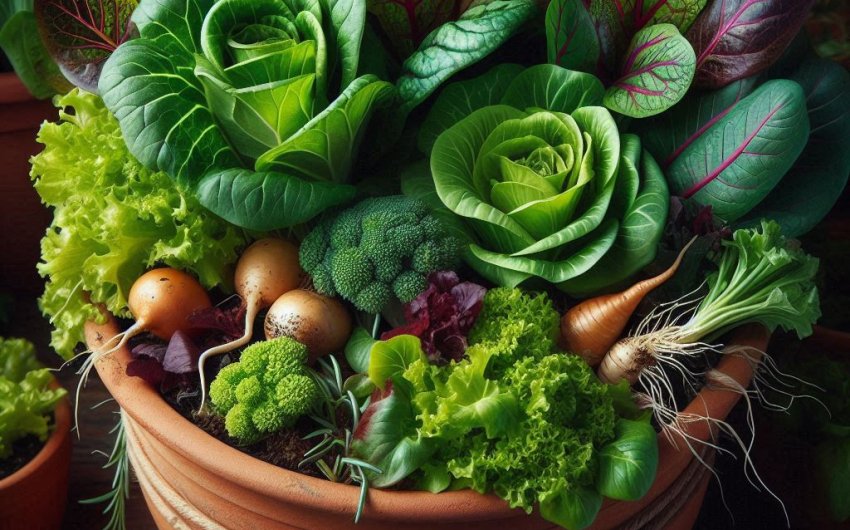
Dreaming of a steady supply of fresh, crisp greens for your salads, sandwiches, and smoothies, picked right from your own space? Growing easy-to-grow salad greens at home is surprisingly simple, even for those without a green thumb or ample garden room. Imagine stepping into your kitchen or onto your balcony and plucking nutrient-rich leaves just moments before enjoying them. This guide will walk you through everything you need to know to cultivate a thriving mini-farm of delectable greens, no matter your experience level.
Why are certain salad greens considered easy to grow?
Many greens are forgiving and don't demand much special attention, making them ideal for beginner gardeners. They often have quick growth cycles, meaning you'll see results in just a few weeks, which is incredibly encouraging. Plus, many can be harvested multiple times, providing a continuous supply.
What are the best easy-to-grow salad greens for beginners?
Choosing the right varieties is key to a successful first attempt. Some greens are simply more resilient and less fussy about growing conditions.
- Lettuce (Loose-leaf varieties): These are perhaps the quintessential easy-growers. Unlike head lettuces, loose-leaf types like Black Seed Simpson or Grand Rapids allow you to pick individual leaves as needed, encouraging more growth. They are generally tolerant of various light conditions and don't mind being grown in containers.
- Spinach: A nutrient powerhouse, spinach is remarkably adaptable. It prefers cooler weather but can be grown in partial shade during warmer months. Varieties like Bloomsdale Long Standing spinach seeds are popular for their robust nature.
- Arugula: Known for its peppery kick, arugula sprouts quickly and matures fast. It's excellent for adding a zesty flavor to salads. Look for Wild Rocket Arugula seeds for a continuous harvest.
- Radish Greens: While most people grow radishes for their roots, the leaves are also edible and nutritious, offering a mild peppery flavor. These are ready to harvest very quickly.
- Swiss Chard: With its vibrant stems and earthy flavor, Swiss chard is both beautiful and resilient. It can tolerate a wider range of temperatures than many other greens and continues producing for a long time. Consider a Rainbow Swiss Chard seed mix for a colorful display.
- Mustard Greens: If you enjoy a bit of spice, mustard greens are a fantastic choice. They grow vigorously and come in many varieties, from mild to quite pungent.
- Mache (Corn Salad): This delicate green has a subtle, nutty flavor and a tender texture. It's very cold-hardy, making it a good choice for cooler seasons.
- Mesclun Mix: Not a single type of green, but a blend of various young, tender leaves, often including lettuce, arugula, endive, and radicchio. A good mesclun mix seed pack provides variety without needing to buy multiple seed packets.
What do I need to start growing salad greens?
You don't need much specialized equipment to begin your gardening journey. Simplicity is often best when you're starting out.
Containers or Garden Bed?
The choice depends on your available space and preferences.
- Containers:
- Pros: Ideal for small spaces like balconies, patios, or windowsills. You can move them easily to optimize sun exposure or protect from harsh weather. Good for controlling soil conditions.
- Cons: Can dry out faster, requiring more frequent watering. Limited space per plant.
- Best for: Most beginners, especially those in apartments.
- Garden Beds:
- Pros: More space for larger yields. Soil tends to retain moisture better. More natural ecosystem.
- Cons: Requires dedicated garden space. Less flexible once planted.
- Best for: Those with a yard and a bit more commitment to traditional gardening.
For containers, aim for a depth of at least 6 inches, though 8-12 inches is even better for root development. Width is also important – shallow, wide containers are excellent for growing multiple greens side-by-side. Look for fabric grow bags or self-watering planters to make things even simpler.
Soil Essentials
Good soil is the foundation of healthy plants.
- Potting Mix: For containers, always use a high-quality organic potting mix. This provides good drainage, aeration, and nutrients. Do not use garden soil in pots, as it compacts easily and can introduce pests or diseases.
- Compost: Amending your soil with organic compost will boost fertility and improve soil structure, whether in containers or a garden bed.
- pH Level: Most salad greens prefer a slightly acidic to neutral pH, around 6.0 to 7.0. If you're concerned, a soil pH test kit can give you an accurate reading, but for beginners, a good quality potting mix usually falls within this range.
Light Requirements
Sunlight is crucial for photosynthesis.
- Full Sun: This means at least 6 hours of direct sunlight per day. Many greens, especially lettuce and spinach, thrive in full sun during cooler weather.
- Partial Sun/Partial Shade: 3-6 hours of direct sun, or dappled light throughout the day. This is often ideal for greens during hotter months, as it helps prevent them from "bolting" (going to seed prematurely).
- Windowsills: A sunny south-facing window (in the Northern Hemisphere) can provide enough light for a small batch of greens, especially in winter. You might consider an LED grow light if natural light is insufficient.
Watering Cans and Tools
Basic tools make gardening easier.
- Watering Can: A small watering can with a fine rose (the sprinkler head) is perfect for gently watering seeds and young seedlings without washing them away.
- Hand Trowel: Useful for scooping soil and planting.
- Gardening Gloves: Protect your hands from dirt and potential irritants.
- Mister Bottle: Great for keeping humidity up for germinating seeds or for providing a light mist to young plants.
How do I plant salad greens for the best results?
Proper planting techniques set the stage for a healthy harvest.
Starting from Seed
This is the most cost-effective and common way to grow greens.
- Prepare your container/bed: Fill with potting mix, leaving about an inch of space from the rim.
- Sow the seeds:
- Broadcast sowing: Scatter seeds evenly over the soil surface, then lightly cover them with about \( \frac{1}{88} \) to \( \frac{1}{4} \) inch of potting mix. This is good for leafy greens you plan to harvest as young leaves.
- Row sowing: Create shallow furrows (lines) with your finger or a stick. Place seeds individually about 1-2 inches apart in the furrow, then cover lightly. This makes weeding and harvesting easier.
- Water gently: Use a watering can with a fine rose or a spray bottle to moisten the soil thoroughly but gently. Avoid dislodging the seeds.
- Label: Always label your plantings with the type of green and the date you planted them. Plant markers are very helpful.
- Placement: Place containers in a location that receives appropriate light.
Starting from Transplants (Seedlings)
You can buy small seedling plants from a nursery.
- Prepare: Dig a hole in your container or bed large enough to accommodate the seedling's root ball.
- Plant: Gently remove the seedling from its nursery pot, being careful not to disturb the roots too much. Place it in the hole so that the top of the root ball is level with the surrounding soil.
- Backfill: Gently fill in around the plant with soil, patting lightly to remove air pockets.
- Water: Water thoroughly immediately after planting.
Succession Planting for Continuous Harvest
To ensure you always have fresh greens, plant small batches every 2-3 weeks. This is called succession planting. Instead of planting all your seeds at once, sow a small section, then wait a couple of weeks and sow another section. This prevents a huge harvest all at once and then nothing for a long period.
What kind of care do easy-to-grow salad greens need?
Even the easiest greens benefit from consistent, simple care.
Watering Regularly
Consistency is key for lush, tender leaves.
- Moisture Check: The best way to know when to water is to stick your finger about an inch into the soil. If it feels dry, it's time to water.
- Even Moisture: Aim to keep the soil consistently moist but not waterlogged. Overwatering can lead to root rot, while underwatering causes greens to become bitter or bolt.
- Time of Day: Water in the morning if possible. This allows leaves to dry before nightfall, reducing the risk of fungal diseases.
- Container Plants: Pots dry out faster than garden beds, especially in warm, sunny weather. You might need to water container plants daily or even twice a day during heatwaves.
- Self-watering planters can significantly reduce the frequency of watering.
Fertilizing (Sometimes)
Most greens are not heavy feeders, but a little boost can help.
- Good Potting Mix: If you start with a high-quality potting mix, it often contains enough nutrients for the first few weeks of growth.
- Liquid Fertilizer: For a longer growing period or if your plants look pale, consider a balanced liquid organic fertilizer diluted to half strength. Apply every 2-4 weeks. Look for fertilizers with higher nitrogen content, as nitrogen promotes leafy growth.
- Compost Tea: A homemade "tea" made from steeped compost can also provide gentle nutrients.
Pest and Disease Management
Prevention is always easier than cure.
- Inspect Regularly: Check your plants daily for any signs of pests (small holes, sticky residue, visible insects) or diseases (spots, wilting, discoloration). Early detection makes treatment easier.
- Common Pests:
- Aphids: Small, soft-bodied insects that cluster on new growth. You can often blast them off with a strong stream of water or use insecticidal soap.
- Slugs and Snails: Leave slime trails and irregular holes in leaves. Hand-pick them, or use a shallow dish of beer as a trap.
- Flea Beetles: Tiny black beetles that create small "shot holes" in leaves. Row covers can protect young plants.
- Good Air Circulation: Space your plants appropriately to allow for airflow, which helps prevent fungal diseases.
- Sanitation: Remove any yellowing or diseased leaves promptly. Keep the area around your plants free of weeds, which can harbor pests.
Bolting Prevention
Bolting is when a leafy green plant prematurely sends up a flower stalk and goes to seed. This often happens in response to heat and stress, and it makes the leaves bitter and less palatable.
- Planting Time: Plant cool-season greens like lettuce and spinach in early spring or late summer/fall.
- Shade in Summer: During hot summer months, provide some afternoon shade for cool-season greens.
- Consistent Watering: Irregular watering can stress plants and encourage bolting.
- Harvest Regularly: Harvesting greens keeps the plant in a vegetative state, delaying bolting.
When and how do I harvest my easy-to-grow salad greens?
Harvesting at the right time and in the right way encourages more growth and better flavor.
"Cut and Come Again" Method
This is the most common and efficient way to harvest leafy greens.
- Timing: Start harvesting when the outer leaves are large enough to eat, usually a few inches long, but before they become too large or tough. This can be as early as 3-4 weeks for some quick-growing varieties.
- How to Cut: Use clean scissors or snips to snip off the outer leaves at the base of the plant, about an inch above the soil line. Leave the central growing point intact.
- Frequency: You can typically harvest from the same plant every few days to once a week, depending on growth speed.
- Benefits: This method allows the plant to continue producing new leaves from the center, giving you multiple harvests from a single planting.
Full Plant Harvest
For some greens, especially if you're making space for new plants, you might choose to harvest the entire plant.
- Timing: When the plant reaches a desired size, and you need a larger quantity all at once.
- How to Cut: Cut the entire plant at the soil line.
- Benefits: Good for one-time use or when preparing the bed for a new crop.
Harvesting Specific Greens
- Lettuce: Snip off outer leaves for a "cut and come again" harvest.
- Spinach: Harvest outer leaves or the entire plant when leaves are at least 4-6 inches long.
- Arugula: Snip individual leaves or cut the entire plant a couple of inches above the soil. It often regrows quickly.
- Swiss Chard: Harvest outer leaves by twisting or cutting them off at the base.
- Mustard Greens: Pick individual leaves when young and tender for a milder flavor; older leaves are spicier.
Troubleshooting Common Issues
Even easy-to-grow greens can face minor hurdles.
Why are my leaves yellowing?
- Lack of Nutrients: Especially nitrogen. Consider a liquid feed.
- Overwatering: Soil stays too wet, leading to root problems. Ensure good drainage.
- Underwatering: Plants are stressed. Check soil moisture.
- Heat Stress: Some greens dislike intense heat. Provide shade.
Why are my greens bitter?
- Bolting: The plant is going to seed, often due to heat or stress. Harvest quickly or replant.
- Lack of Water: Inconsistent watering can lead to bitterness.
- Too Much Sun/Heat: Especially for cool-season greens.
Why are my plants not growing?
- Too Little Light: Ensure they are getting enough sun for their specific needs.
- Poor Soil: Compacted or nutrient-poor soil. Use a good potting mix and consider adding compost.
- Incorrect Watering: Either too much or too little.
- Cold Temperatures: Some greens slow down significantly in cold.
My seeds aren't sprouting!
- Too Deep/Shallow: Seeds need to be at the correct depth.
- Not Enough Water: Soil must be consistently moist for germination.
- Too Cold/Hot: Each seed has an optimal germination temperature.
- Old Seeds: Seed viability decreases over time. Always check the packet date.
Maximizing Your Harvests and Enjoyment
Beyond the basics, a few extra tips can make your home-grown greens even more rewarding.
Vertical Gardening and Small Spaces
If space is at a premium, don't despair!
- Vertical Planters: Stackable vertical planters or wall-mounted pocket planters are excellent for growing multiple greens in a small footprint.
- Windowsill Boxes: Shallow, long planters can fit on most windowsills, providing a year-round supply of small batches.
- Hydroponic Systems: For those who want to get a bit more high-tech, small desktop hydroponic units allow you to grow greens without soil, often faster and with less water. These are perfect for year-round indoor growing.
Pest Deterrents and Organic Solutions
Keeping your greens healthy naturally.
- Companion Planting: Certain plants can deter pests. For example, marigolds are thought to repel some harmful insects.
- Neem Oil: A natural, organic pesticide that disrupts insect feeding and reproduction. Always follow package directions when using neem oil.
- Physical Barriers: Fine mesh row covers can protect young seedlings from birds and larger insects.
- Hand-Picking: Often the most effective method for larger pests like slugs or caterpillars.
Extending the Season
Enjoying your greens for longer.
- Cold Frames: A mini cold frame or a simple DIY plastic cover can extend the growing season into colder months, protecting plants from frost.
- Indoor Growing: Bringing pots indoors or using grow lights allows for year-round production, especially for lettuce, spinach, and arugula.
- Shade Cloth: In hot climates, using shade cloth during the hottest part of the day can prevent bolting and extend the life of cool-season greens.
Storing Your Harvest
Proper storage keeps your greens fresh.
- Wash and Dry: Gently wash harvested greens in cool water, then spin them dry in a salad spinner or pat them thoroughly dry with paper towels. Excess moisture leads to spoilage.
- Airtight Container with Paper Towel: Line an airtight container with a paper towel, add the greens, and place another paper towel on top before sealing. This absorbs excess moisture. Store in the refrigerator.
- Storage Time: Most fresh-cut greens will last 5-7 days when stored correctly.
Growing easy-to-grow salad greens at home is an incredibly rewarding experience, offering fresh, healthy food right at your fingertips. With minimal effort and a few basic supplies, anyone can cultivate a thriving patch of delectable leaves.